Growing a beard is easy. Growing the right beard is a skill. The difference comes down to three things: your face shape, the hair you can actually grow, and how much upkeep you will honestly keep up with. Get those three right and everything else is detail.
Below are 44 beard styles worth knowing, grouped by how much time and skill each one asks of you, from looks you can wear this month to those that take a year of patience. For each, you get what it is, who it suits, how long it takes, and one tip that keeps it sharp. Find the two or three that fit and start there.
Find what suits you: browse all beard styles, mustache styles, or the trimming guide.
Best Beard Style for Your Face Shape
Before you commit to a style, know what your face needs. The goal is balance: add length where the face is wide, add width where it is long, and soften or sharpen the jaw as needed. Here is the short version.
| Face shape | What to aim for |
|---|---|
| Oval | Almost anything works; keep it balanced and tidy. |
| Oblong or rectangle | Fuller on the sides, shorter at the chin, so you do not add length. |
| Round | Length at the chin, short sides, to stretch the face. |
| Square | A softer, rounded chin to ease a strong jaw. |
| Diamond | Some fullness at the chin to balance wide cheekbones. |
| Triangle | Width up at the cheeks, lighter at the jaw. |
Go deeper with our guides to matching a beard to your face shape and picking the right beard length, or jump straight to styles for round, square, diamond, and triangle faces.
Beginner and Everyday Beard Styles
The easiest styles to grow and the most forgiving to keep. If this is your first beard, start here.
1. Light Stubble

Light stubble is two to five days of growth, kept even and lined up clean at the neck. It is the fastest way to add structure to your face without committing to anything, and it suits nearly everyone. The whole style is one guard length and a tidy edge, which is exactly why it works.
Beginner
2. Heavy Stubble

Heavy stubble sits at one to two weeks of growth, thick enough to shade the jaw but short enough to skip real styling. It adds more weight and shadow than light stubble, which helps define a soft jawline. If your cheeks grow unevenly, this length hides it better than anything else this quick.
Beginner
3. Goatee
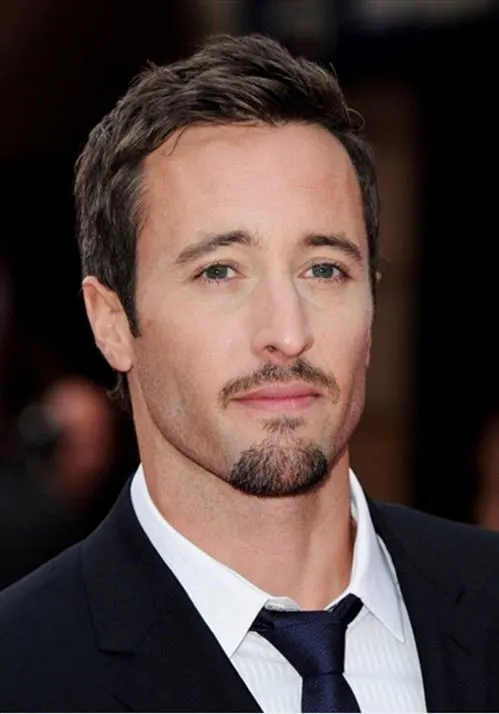
The classic goatee gathers the hair on your chin and mustache while the cheeks stay clean. Concentrating growth at the chin adds length to a round face and gives a weak chin real presence. It grows in fast, ignores patchy cheeks entirely, and stays presentable with a few minutes of edging each week.
Beginner
4. Circle Beard
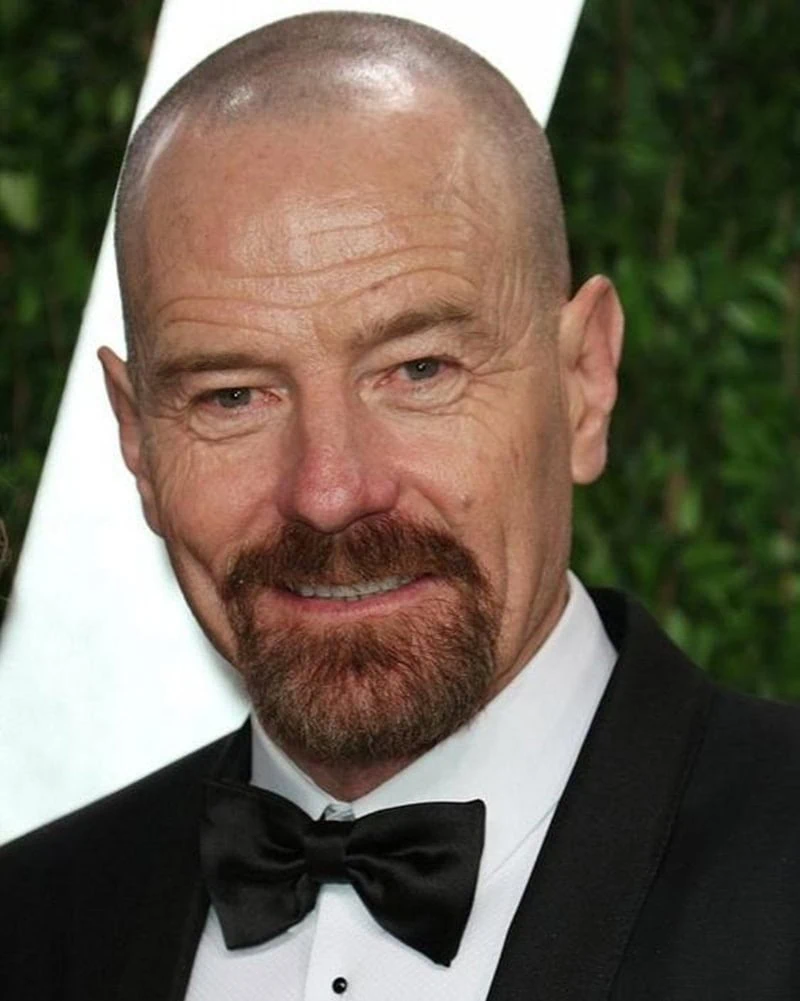
The circle beard connects the mustache to a rounded chin beard so the hair rings the mouth in one clean circle. It is tidy enough for any office, forgiving on thin cheeks, and simple to maintain once the shape is set. For a first shaped beard, this is the safest bet on the page.
Beginner
5. Soul Patch

The soul patch is a small tuft of hair just under the lower lip with everything else shaved clean. It is the smallest commitment in facial hair, a hint of character that takes seconds to maintain. It also pairs well with other styles later, so it is a useful first step.
Beginner
6. Corporate Beard
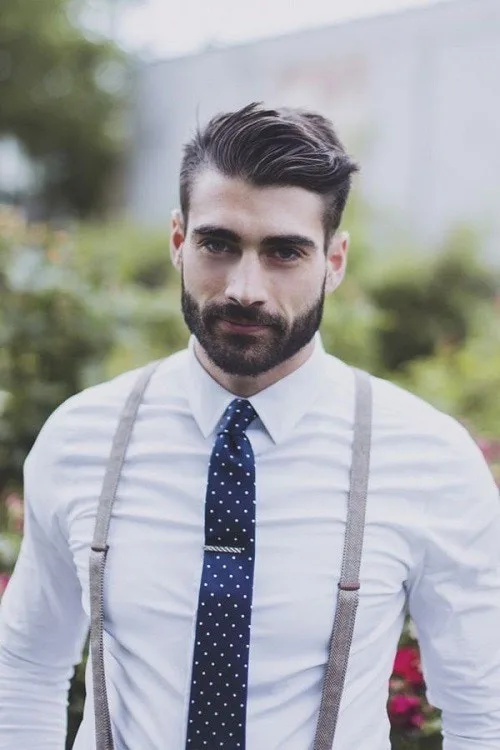
The corporate beard is a full beard kept short, dense, and deliberately neat, the version that passes in any workplace. It covers the whole jaw without ever looking untamed, and the short length evens out moderate patchiness. It asks for regular edging rather than skill, which makes it a dependable first full beard.
Beginner
7. Chin Strap
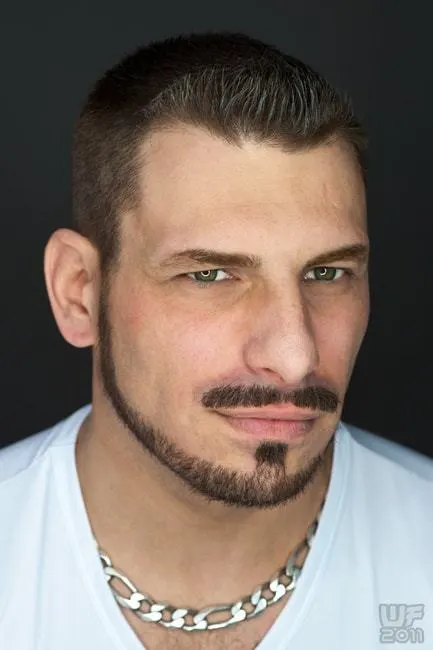
The chin strap runs a narrow band of hair along the jawline from sideburn to sideburn, cheeks and neck bare. It draws a hard outline under the face, which is why it flatters soft and round jaws. Fair warning: the entire style is one thin line, so it shows every mistake.
Beginner
8. Extended Goatee
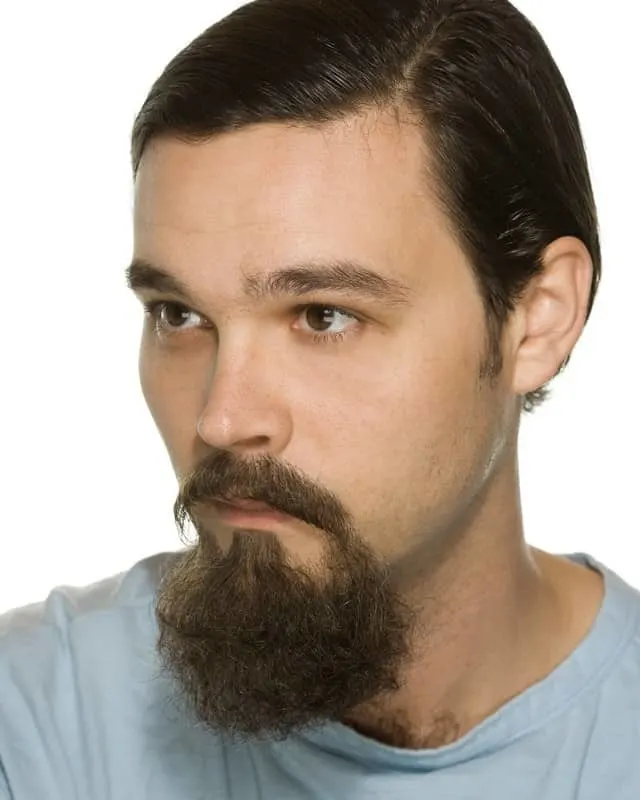
The extended goatee stretches the classic shape outward along the jaw, partway toward the sideburns, without becoming a full beard. It keeps the low-maintenance spirit of a goatee while adding more jaw coverage and a stronger frame. It is the natural next step when a plain goatee starts feeling too small.
Beginner
9. Chin Puff
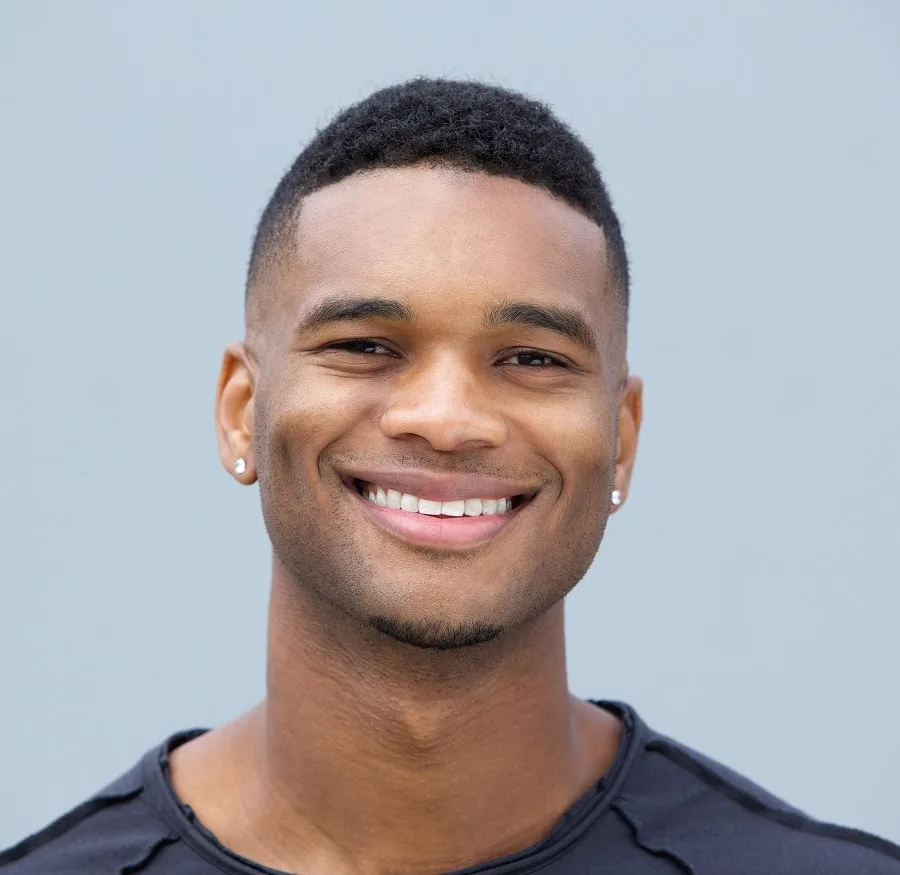
The chin puff is a narrow column of hair grown straight down from the center of the chin, no mustache required. It is smaller than a goatee and bolder than a soul patch, adding a vertical line that stretches a round face. It grows quickly and trims in a minute.
Beginner
Beard Styles That Reward a Little Grooming
These ask for a trimmer, defined lines, and a tidy-up about once a week. The extra attention shows.
10. Full Beard
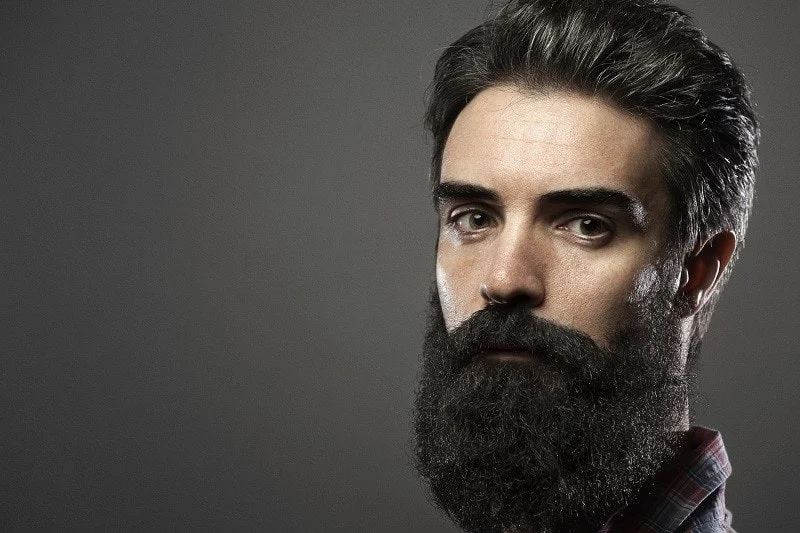
The classic full beard is even growth across cheeks, jaw, and lip, shaped to a moderate length. It is the standard by which everything else on this page gets measured, and it rewards patience more than technique. You need reasonably even cheek growth and the discipline to leave it alone through the scruffy weeks.
Groomer
11. Short Boxed Beard
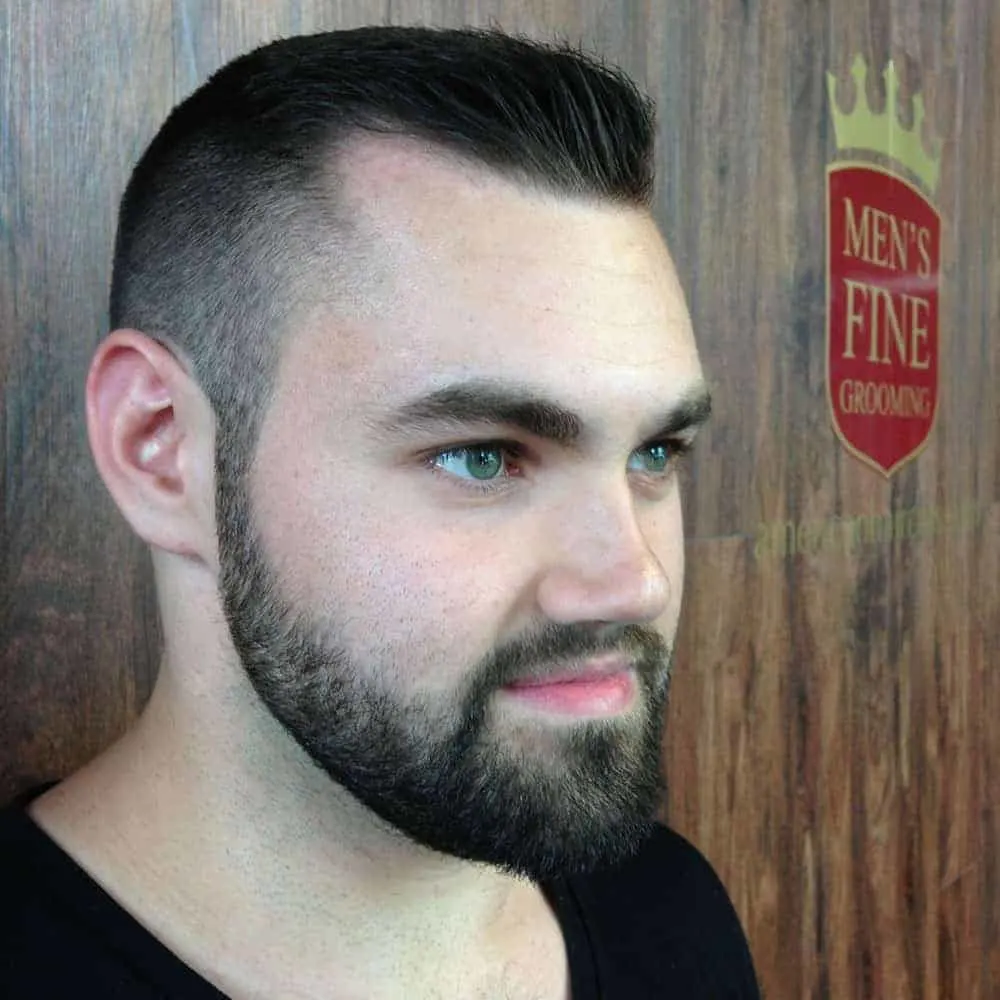
The short boxed beard is a full beard trimmed into clean, angular lines with defined cheek edges and a squared finish along the jaw. All that structure is the point: where a natural beard softens the face, the boxed version sharpens it. Keep the chin longest and step the cheeks and sideburns slightly shorter.
Groomer
12. Van Dyke

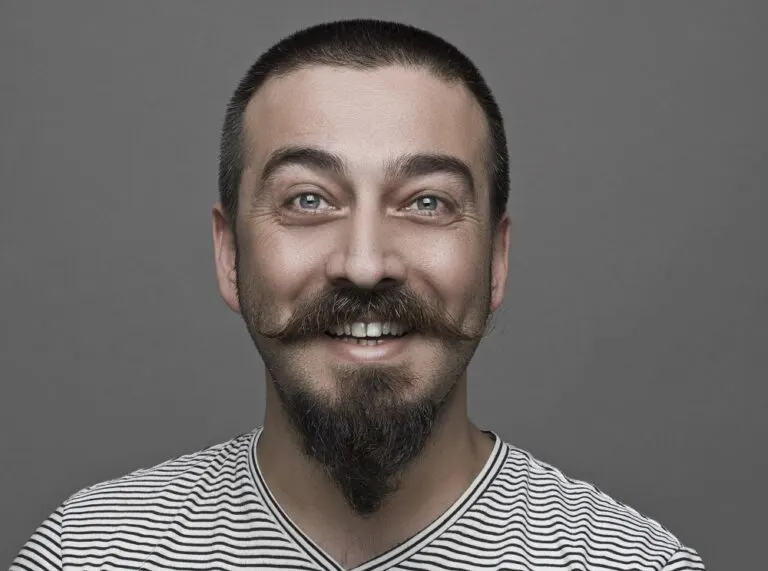
The Van Dyke pairs a detached mustache with a pointed chin beard, cheeks fully bare. The deliberate gap between the two pieces is what defines it and separates it from a goatee. Because the cheeks stay clean, it is a strong choice for men whose cheek growth never quite fills in.
Groomer
13. Balbo

The Balbo is a floating beard: a shaped chin-and-jaw section with no sideburn connection, plus a separate mustache. Cutting the sideburns away pushes all the attention to the mouth and jaw, which gives a bold look without needing much length. It takes precision, but it stands out far more than its size suggests.
Groomer
14. Anchor
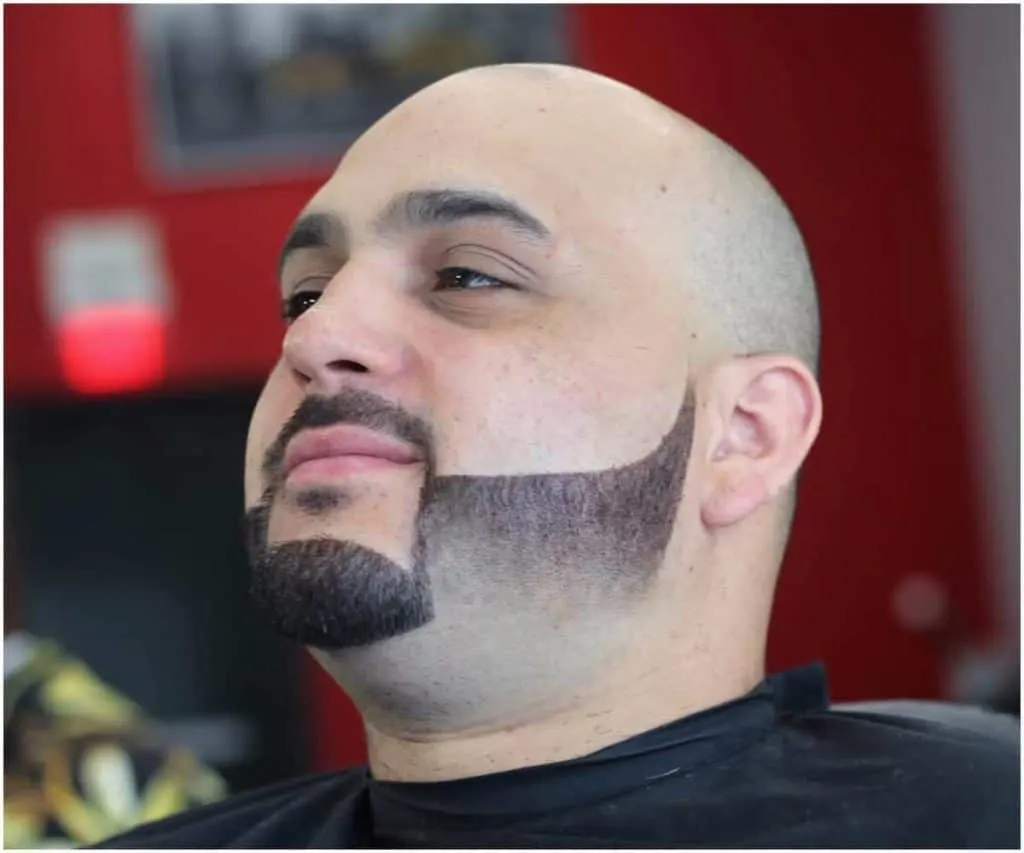
The anchor traces the jawline into a point at the chin and adds a separate mustache, so the whole shape mirrors a ship’s anchor. It is one of the most sculpted looks you can wear at short length, and it depends entirely on symmetry. Square and oval faces carry its hard lines best.
Groomer
15. Hollywoodian
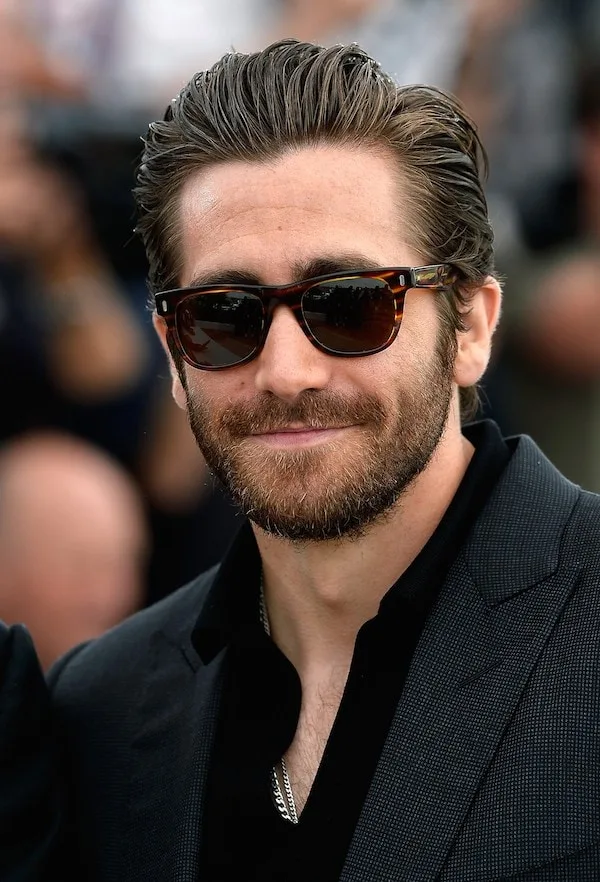
The Hollywoodian is a full beard and mustache with the sideburns removed, so the growth hugs the jaw and chin and stops before the ears. Dropping the sideburns pulls focus down to the jawline and suits men whose upper cheeks grow thin. It looks relaxed but holds a precise line underneath.
Groomer
16. Ducktail

The ducktail is a full beard tapered to a soft point below the chin, named for the tail it resembles. It gives you genuine length and presence while the pointed finish keeps everything looking shaped and deliberate. It is the natural bridge between a tidy full beard and the long styles further down this page.
Groomer
17. Beard Fade
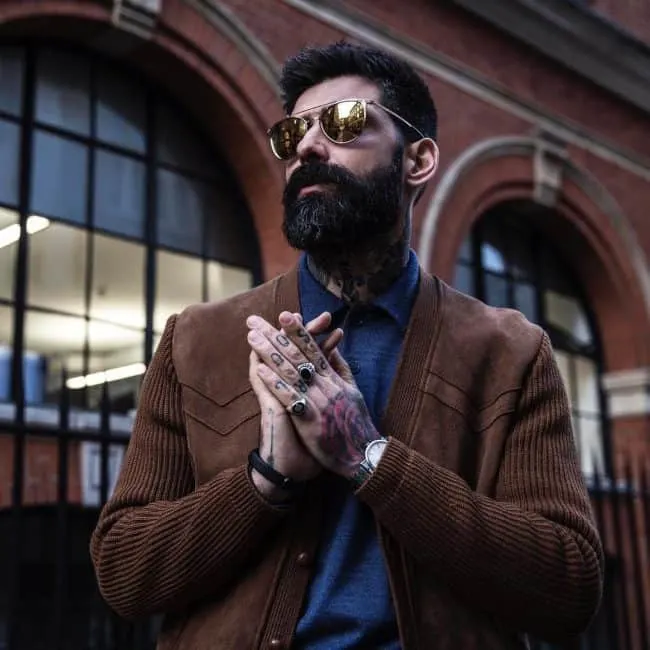
A beard fade runs the hair short at the sideburns and gradually longer toward the chin, blending the beard into the haircut with no hard stop. Done well it slims a round face and carves out the jaw. The blend is the entire trick, and it takes a careful hand or a good barber to keep it smooth.
Groomer
18. Tapered Beard

A tapered beard shifts gradually from shorter sides to a longer chin, without the skin-short blend of a full fade. The gentler transition keeps more warmth and density on the cheeks while still slimming the profile. It is the easier cousin of the beard fade and far more forgiving to maintain at home.
Groomer
19. Sculpted Line-Up
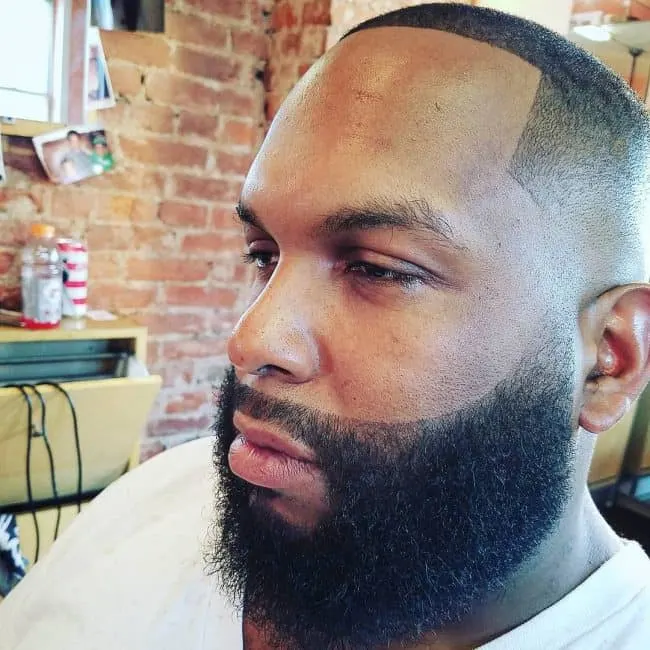
A sculpted line-up is not a separate beard so much as the finish that sharpens whichever one you wear: razor-straight cheek lines, crisp mustache edges, and a defined front. It is the difference between a beard that looks grown and one that looks decided. Any length benefits, from heavy stubble to a full beard.
Groomer
20. V-Shape Beard
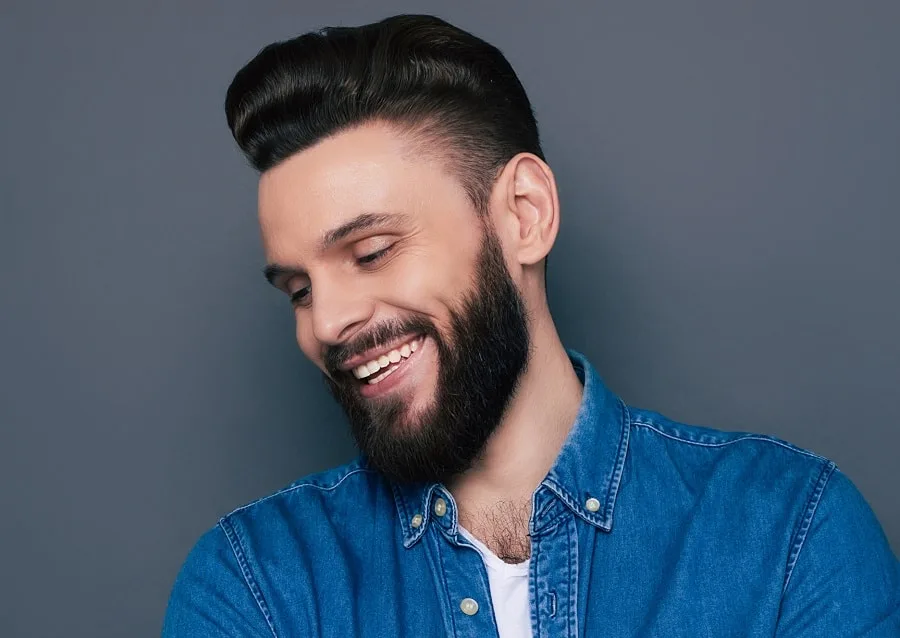
The V-shape beard tapers the sides aggressively so the whole beard narrows to a point at the chin, forming a clear V from the front. It manufactures a jawline out of soft or wide features better than nearly any other shape. It needs solid chin growth, since all the visual weight lands there.
Groomer
21. Chin Curtain
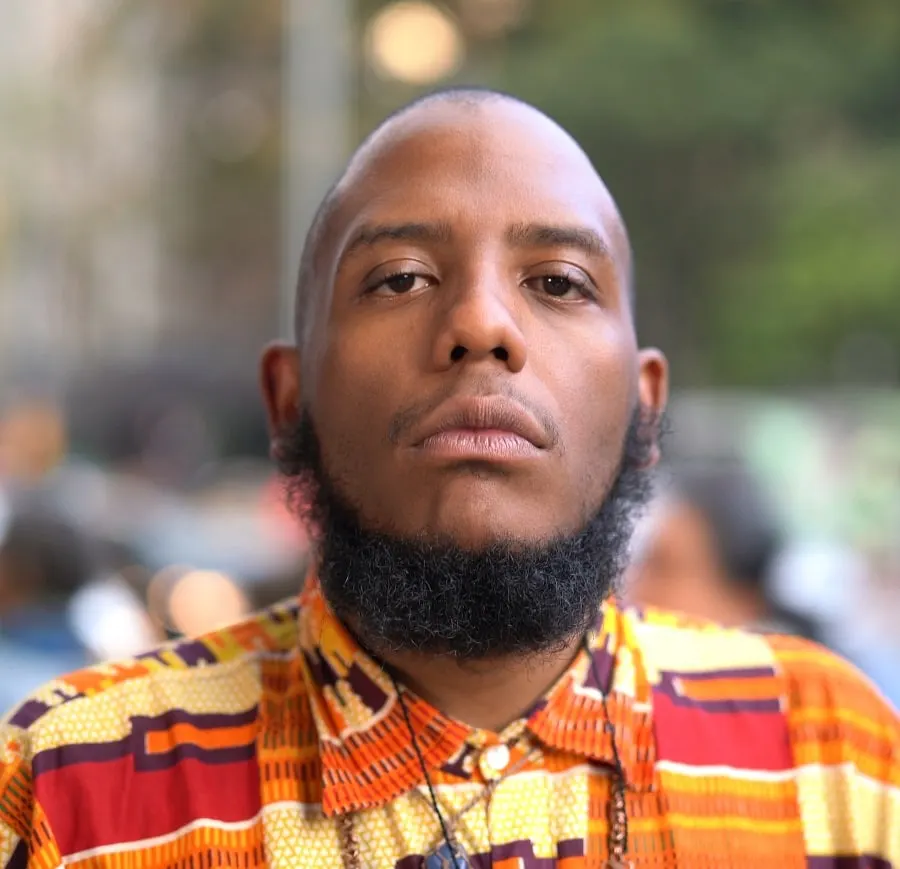
The chin curtain runs a band of beard along the jaw and under the chin, framing the face while the mustache stays light or disappears entirely. It is fuller and softer than a chin strap, more outline than mass. It gives jaw coverage without the weight of a full beard, and it wears especially well on long faces.
Groomer
22. Amish Beard
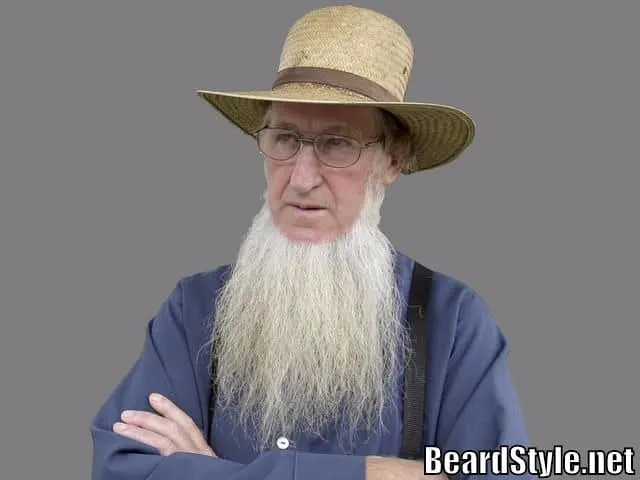
The Amish beard is a full chin and jaw beard worn with the mustache shaved completely off. Removing the mustache gives it an unmistakable old-world character and drops all the visual weight below the mouth. It is also a practical pick for men whose mustache is the weakest part of their growth.
Groomer
23. Mutton Chops
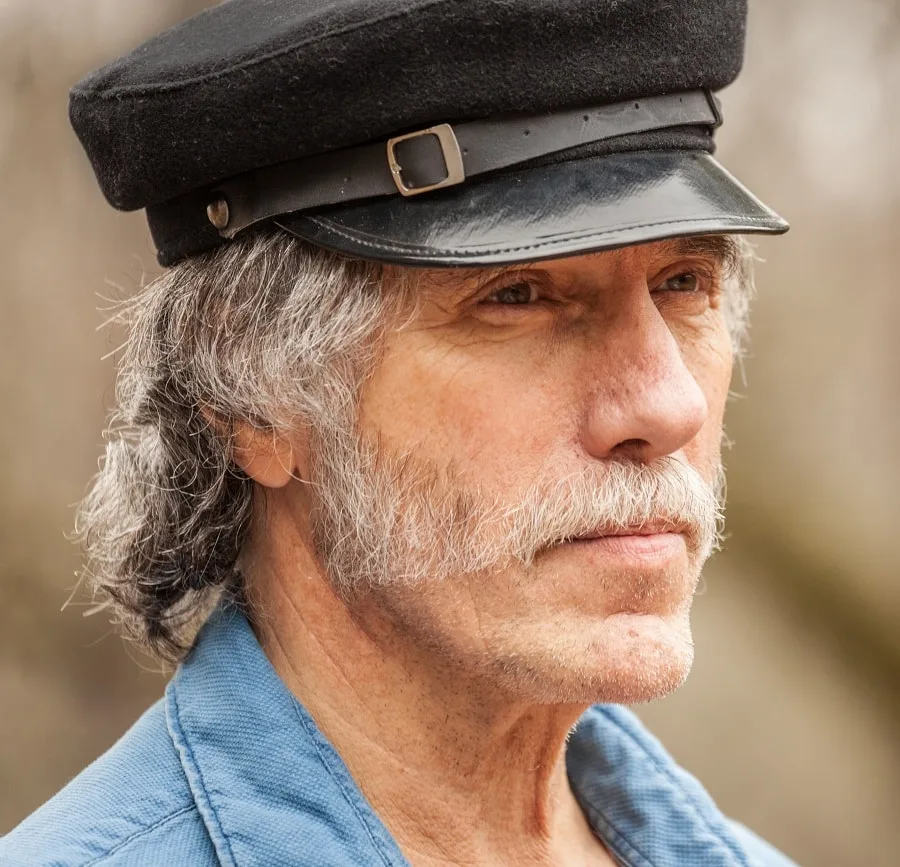
Mutton chops grow the sideburns thick and wide down the cheeks toward the mouth while the chin stays clean. Connect them to a mustache and you have the friendly variation; leave the lip bare for the classic. Either way it is a statement style with real history, and it demands confident, regular edging.
Groomer
24. Door Knocker
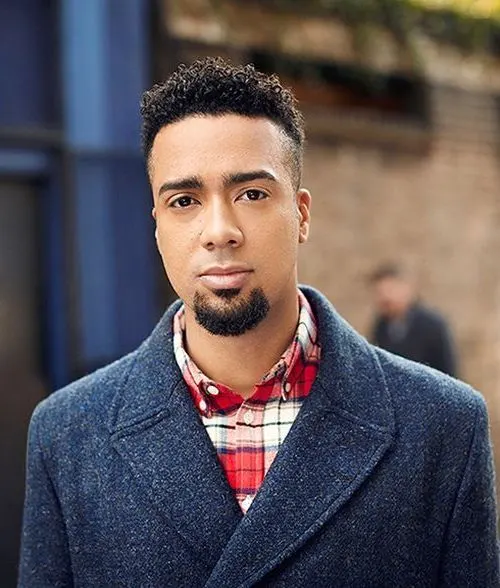
The door knocker traces a thin ring from the mustache down around the mouth to the chin, like the hardware it is named after. It is a leaner, more graphic cousin of the circle beard, all outline and no fill. It keeps a clean face with just enough definition around the mouth.
Groomer
Master Styles for the Committed
Months of growth and steady care. These make the strongest impression, and they earn it.
25. Garibaldi
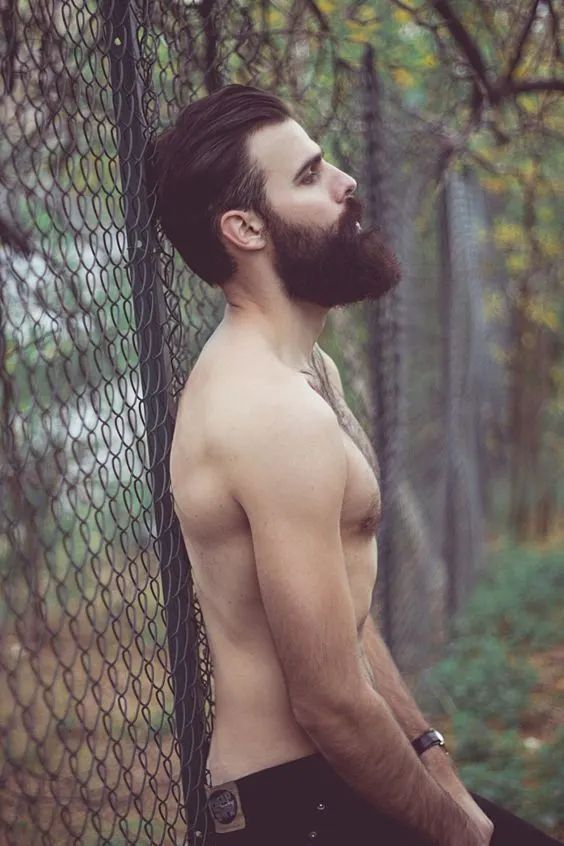
The Garibaldi is a broad, full beard with a rounded bottom and the mustache blended in, worn big but never wild. It looks rugged from a distance and disciplined up close, which is exactly the trick. Expect several months of growth before it reaches its true rounded shape.
Master
26. Bandholz
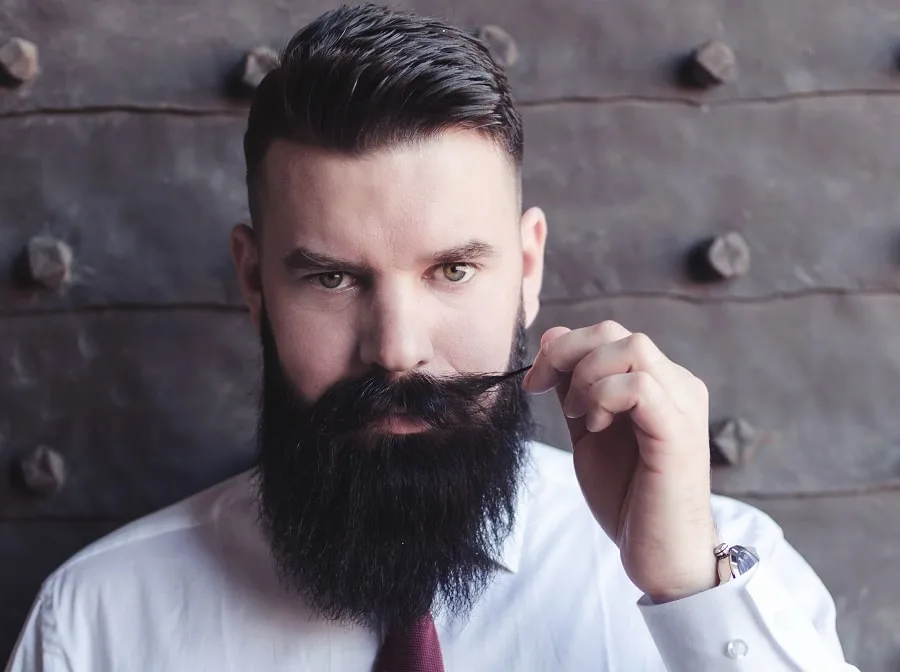
The Bandholz is a long, natural full beard grown for the better part of a year with the length left completely alone. Where the Garibaldi is shaped round, the Bandholz simply becomes whatever your growth wants to be, only tidier. It asks for almost no technique and an enormous amount of patience.
Master
27. Verdi
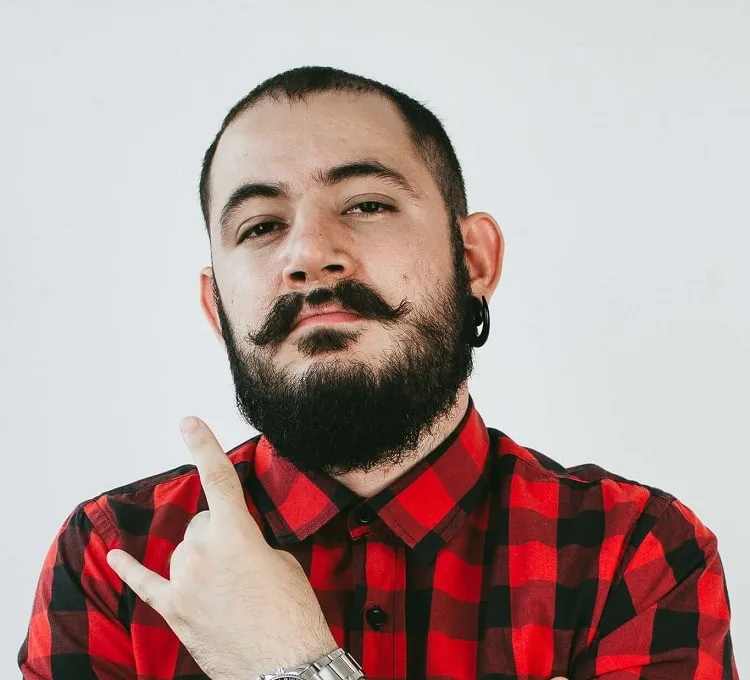
The Verdi pairs a rounded, tidy full beard with a styled mustache curled up and away from the lip. The contrast is the whole point: disciplined beard below, showpiece mustache above. It takes months of growth and a daily minute with wax, and it repays both with one of the most distinguished silhouettes in barbering.
Master
28. Long Full Beard
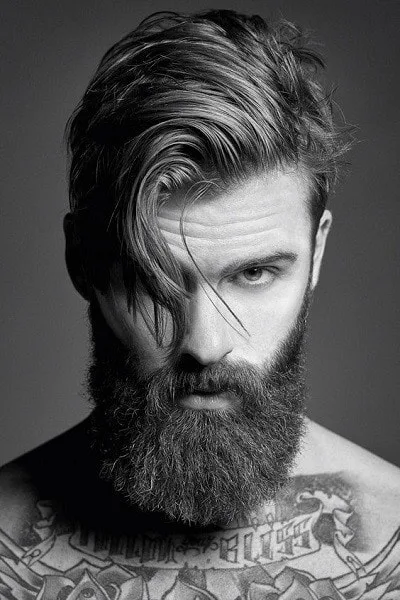
The long full beard is the classic grown past the six-inch mark, where it stops being a beard you wear and becomes part of your presence. Past that length, health matters more than shape: washing, oiling, and brushing decide how it looks far more than the trimmer does.
Master
29. Lumberjack
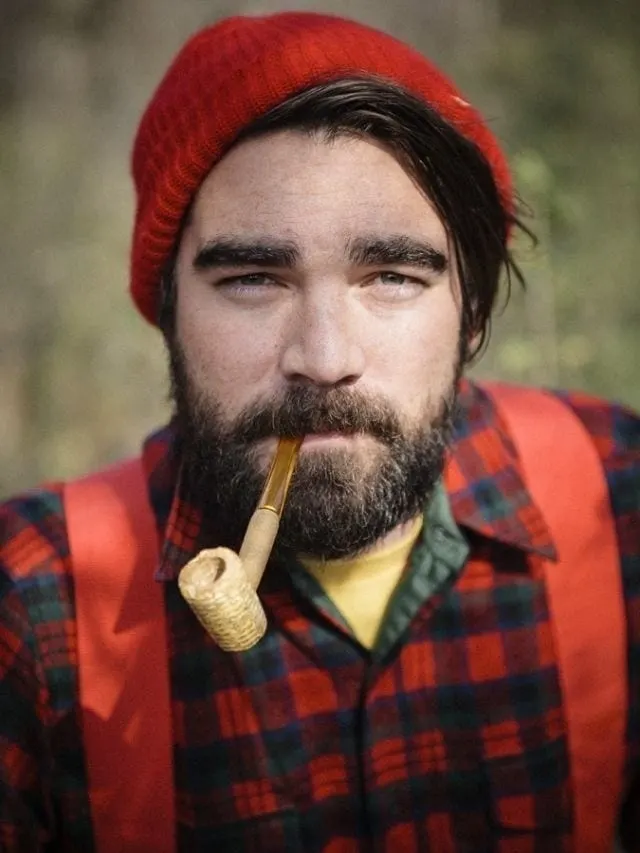
The lumberjack is a dense, generous full beard with a worked-outdoors character, fuller and less rounded than a Garibaldi. Density is what sells it, so it favors men with thick, even growth. It looks like no work at all precisely because the work moved into conditioning and brushing instead of shaping.
Master
30. Yeard
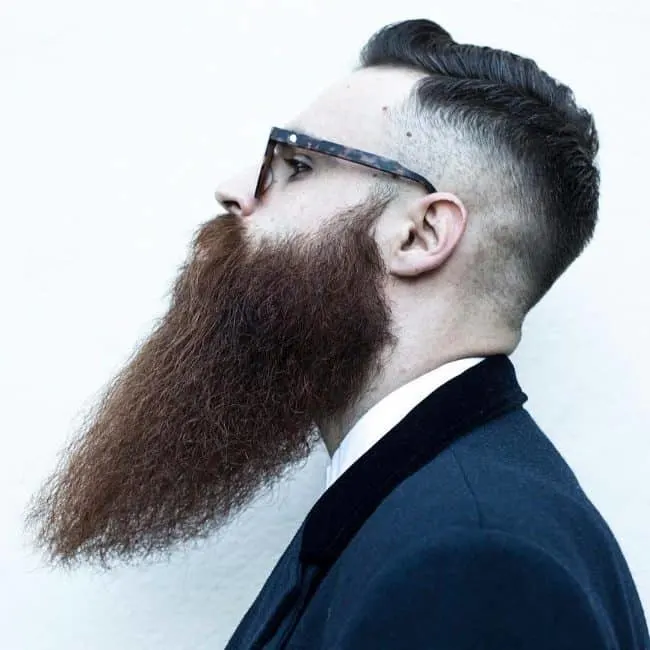
The yeard is a beard grown for one full year with no length trimming, the classic long-growth challenge. At the average half inch a month, day 365 leaves you around six inches of honest growth. It is as much a test of patience through the awkward months as it is a style.
Master
31. Spade Beard
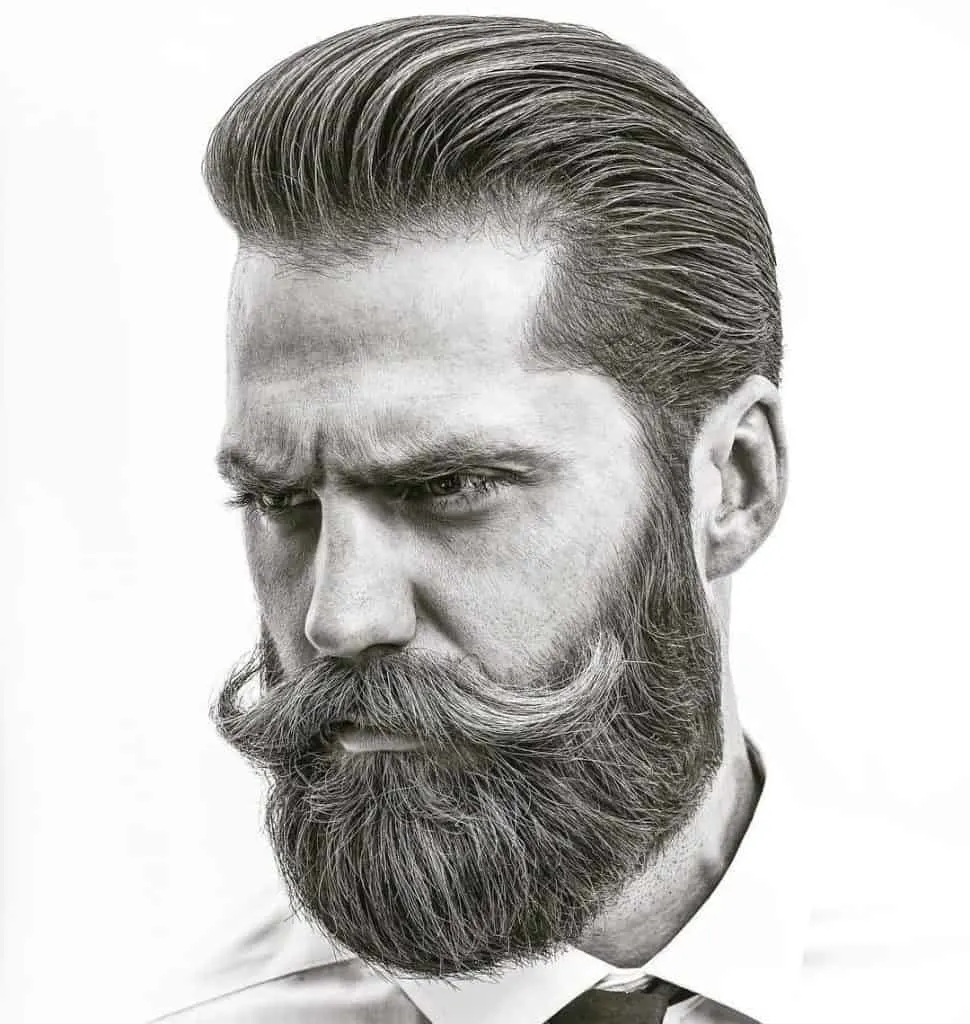
The spade beard trims a long full beard into a broad, flat-bottomed shovel shape with squared corners. It projects a heavier, more architectural jaw than the ducktail’s soft point. The flat base needs regular truing up, because any drift shows immediately against the straight line.
Master
32. French Fork
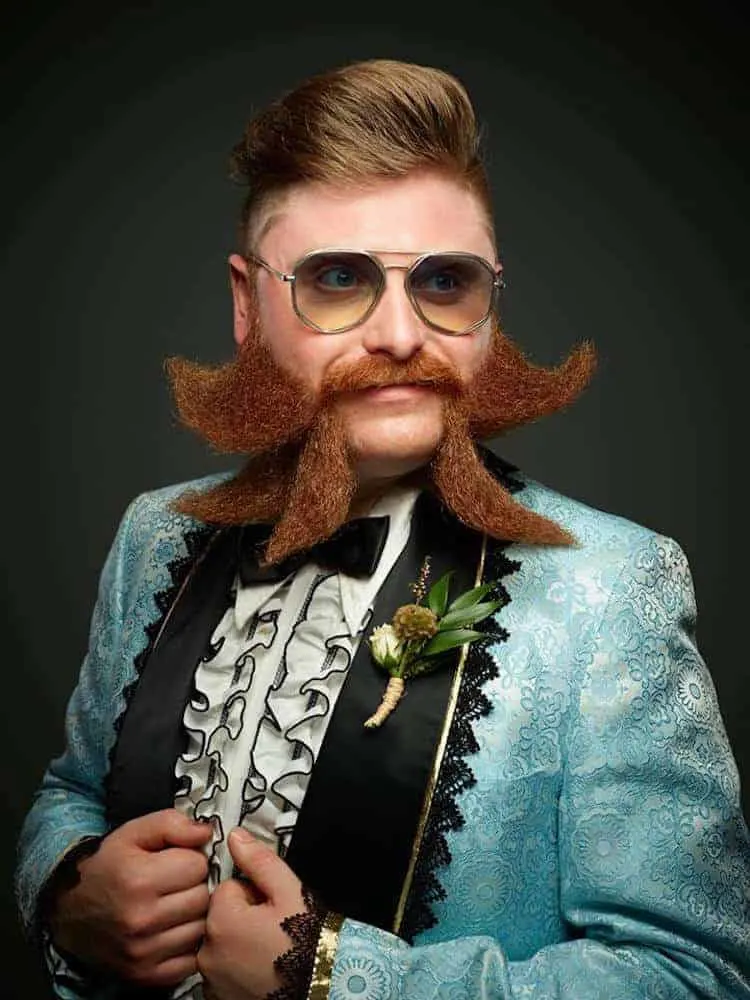
The French fork splits a long beard into two distinct points at the bottom, a shape with centuries of history and real theater to it. The split is styled in daily with product rather than cut in once. It only becomes possible with serious length, which makes it a long-game reward.
Master
33. Braided Beard
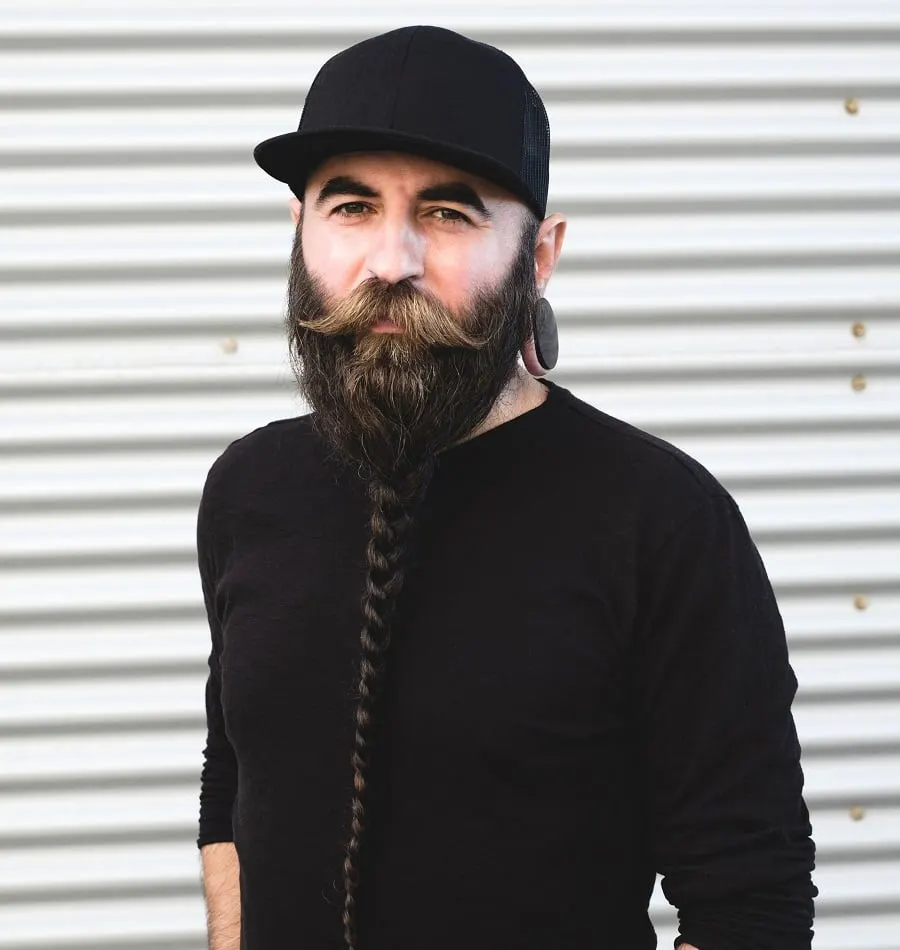
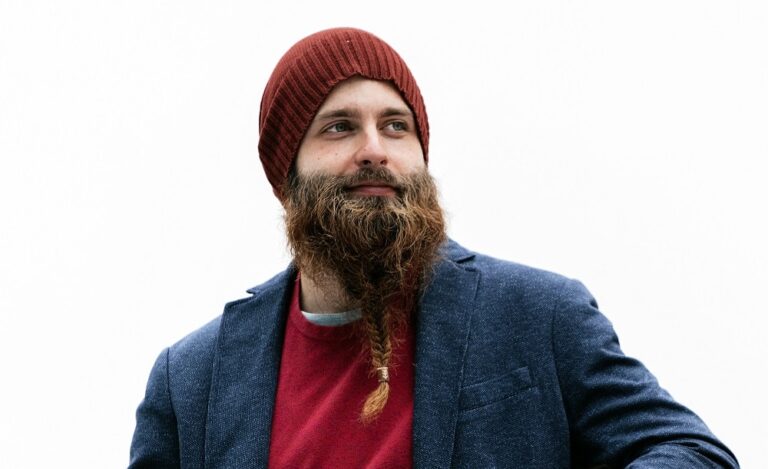
The braided beard turns long growth into one or more woven braids, sometimes finished with a bead or band. It is equal parts statement and practicality, keeping serious length controlled and out of the way. You need genuine inches before a braid will hold, and gentle hands to keep the hair healthy.
Master
34. Musketeer
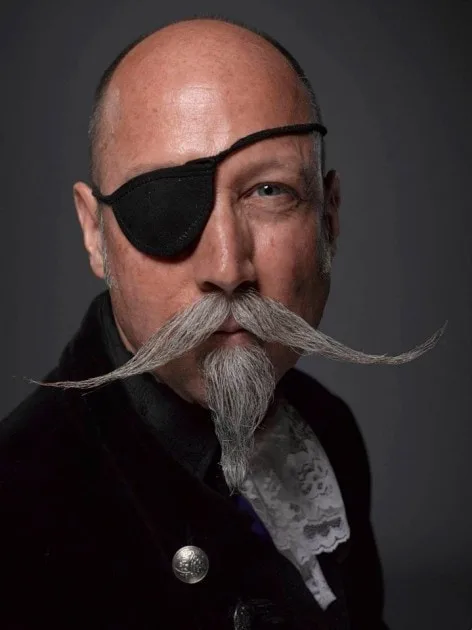
The musketeer matches a small, pointed chin beard with a long, flamboyant mustache swept out or curled at the ends. It is the swordsman’s look: precise, vertical, and a little theatrical. The two pieces are groomed separately and meet only in spirit, which is exactly the charm.
Master
35. Bald Head with Full Beard

A cleanly shaved head over a full beard flips the usual frame: all the attention moves down to the jaw, and the contrast does the styling for you. It is one of the strongest, most deliberate looks a man can wear, and it turns a receding hairline into an asset.
Groomer
Mustaches and Partial Styles
Not every great look is a full beard. These run from a one-week soul patch to a show-stopping handlebar. For the complete run-down, see all 23 mustache styles.
36. Beardstache
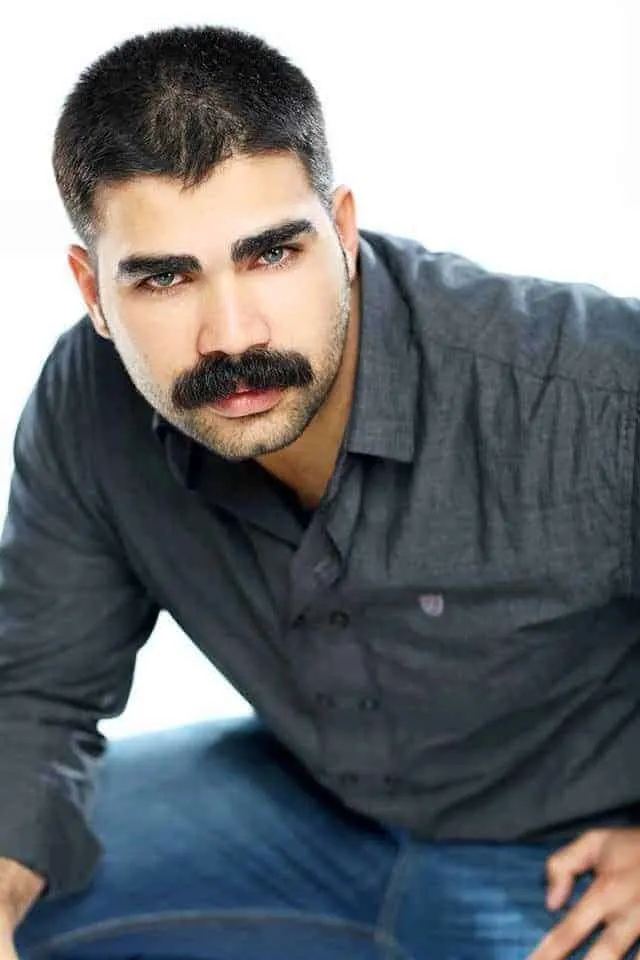
The beardstache runs a full, dominant mustache over short stubble across the rest of the face. The contrast does the work: the mustache takes the spotlight while the stubble quietly frames the jaw. It is one of the most patchy-friendly styles going, since the cheeks only ever have to manage stubble.
Groomer
37. Handlebar Mustache
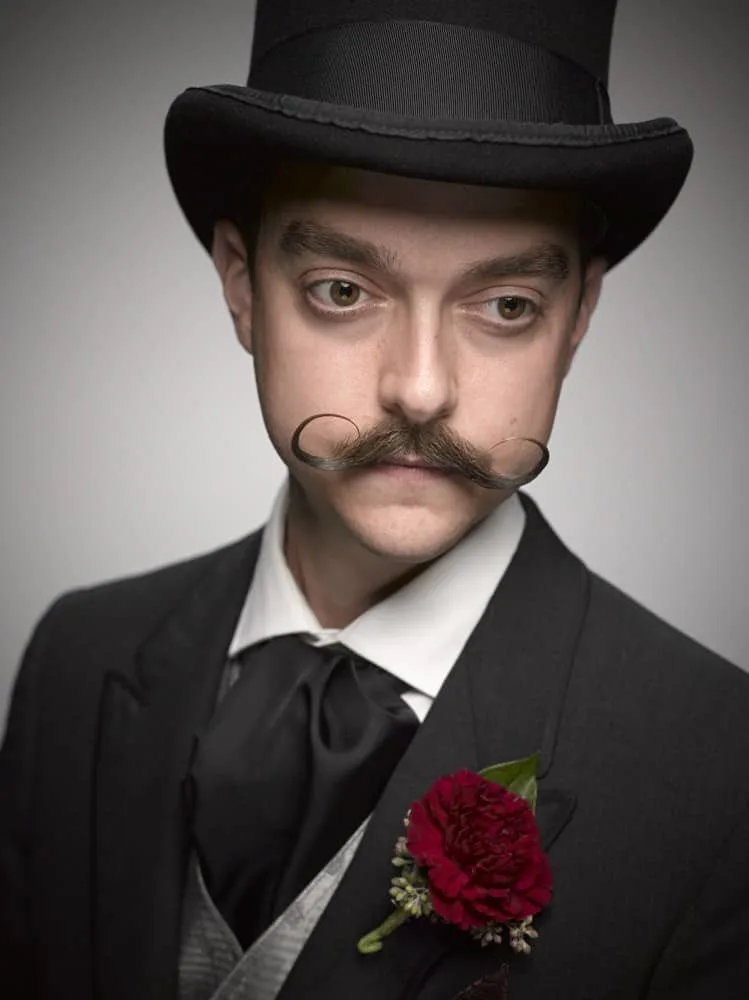
The handlebar grows the mustache long enough to sweep the ends out and curl them upward, set daily with a firm wax. It is a showpiece with a hundred years of charm behind it, and it turns heads the moment the curl holds. Budget months for the length and a minute every morning for the set.
Master
38. Chevron Mustache
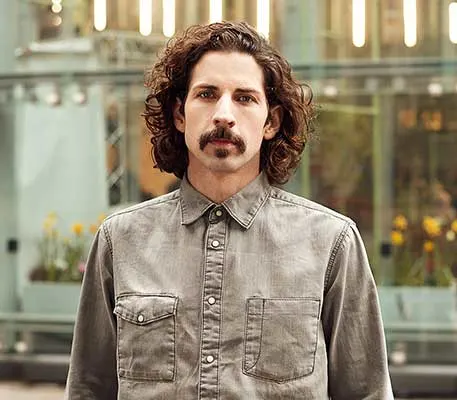
The chevron is the full, thick, no-nonsense mustache that follows the line of the upper lip. It is the default great mustache: bold enough to stand alone, simple enough to keep with one trim a week. If you have never worn a mustache by itself, start here.
Beginner
39. Walrus Mustache
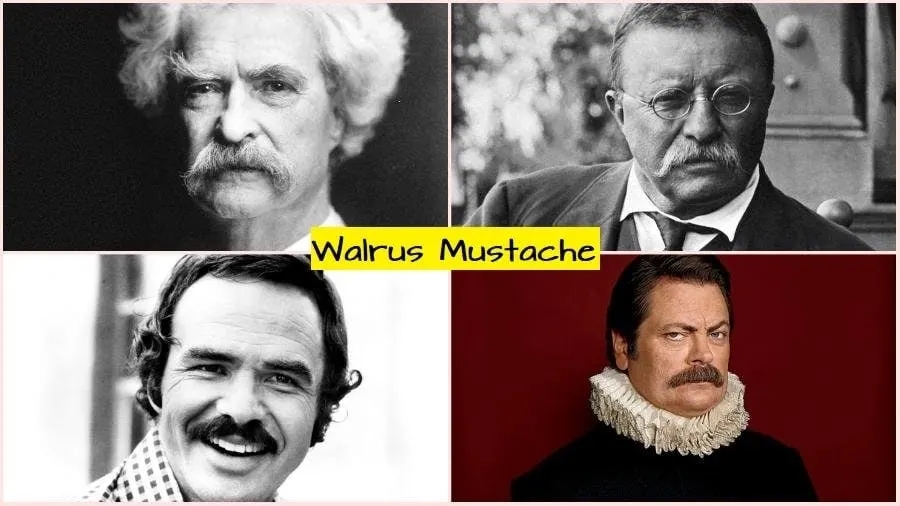
The walrus grows the mustache long and heavy until it drapes over the top lip in one thick curtain. It is bold, old-world, and unbothered, and it needs dense mustache genetics to fill properly. Everything about it says patience, from the months of growth to living with hair at your lip.
Master
40. Fu Manchu
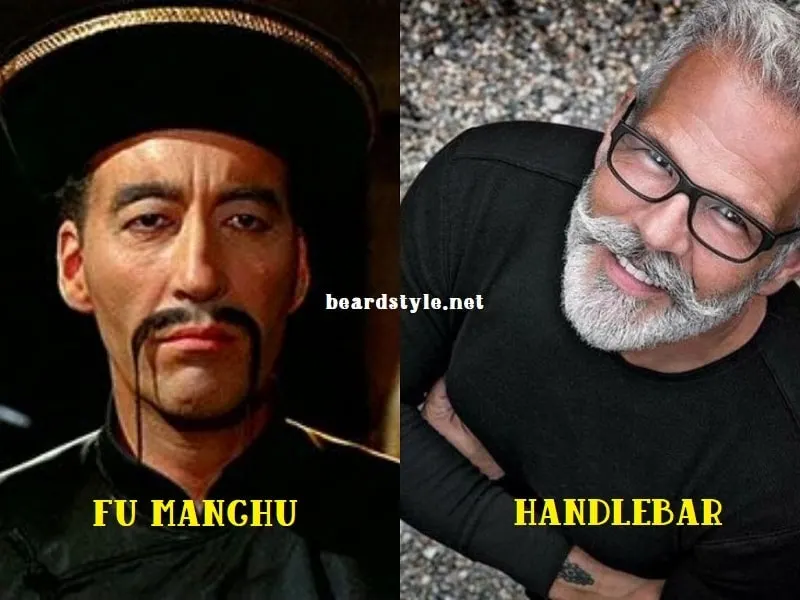
The Fu Manchu grows the corners of the mustache into long strands that hang past the chin while the lip and face stay otherwise clean. It is dramatic, unmistakable, and slower than it looks, since all the length comes from two narrow strips of hair. Commit to it or skip it; there is no halfway.
Master
41. Horseshoe Mustache
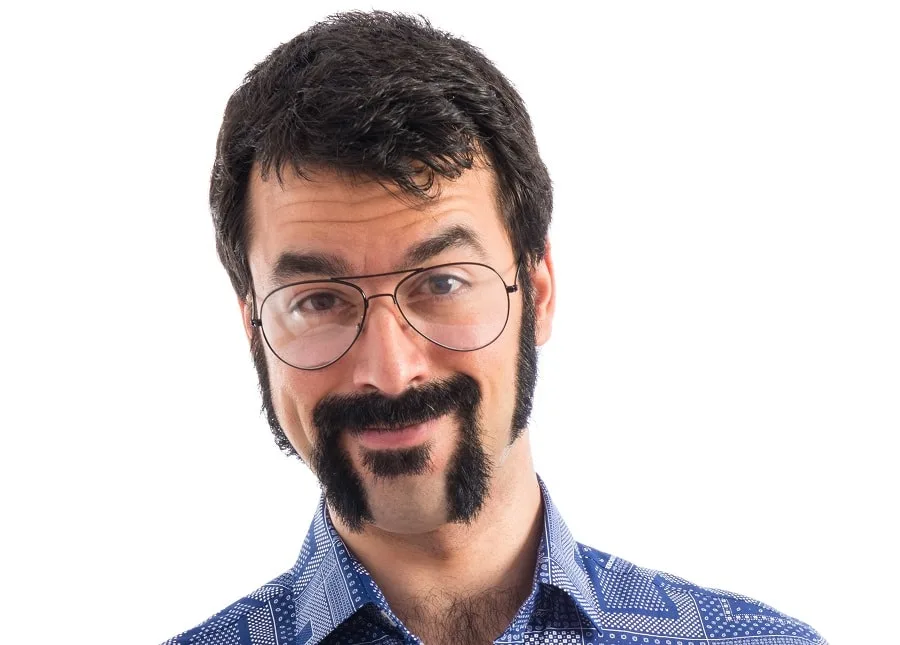
The horseshoe wraps the mustache down both sides of the mouth to the jaw, forming an upside-down U. It is often mistaken for the Fu Manchu, but the horseshoe is fully connected hair, not hanging strands. It brings a tough, blue-collar edge and squares up softer faces surprisingly well.
Groomer
42. Hungarian Mustache
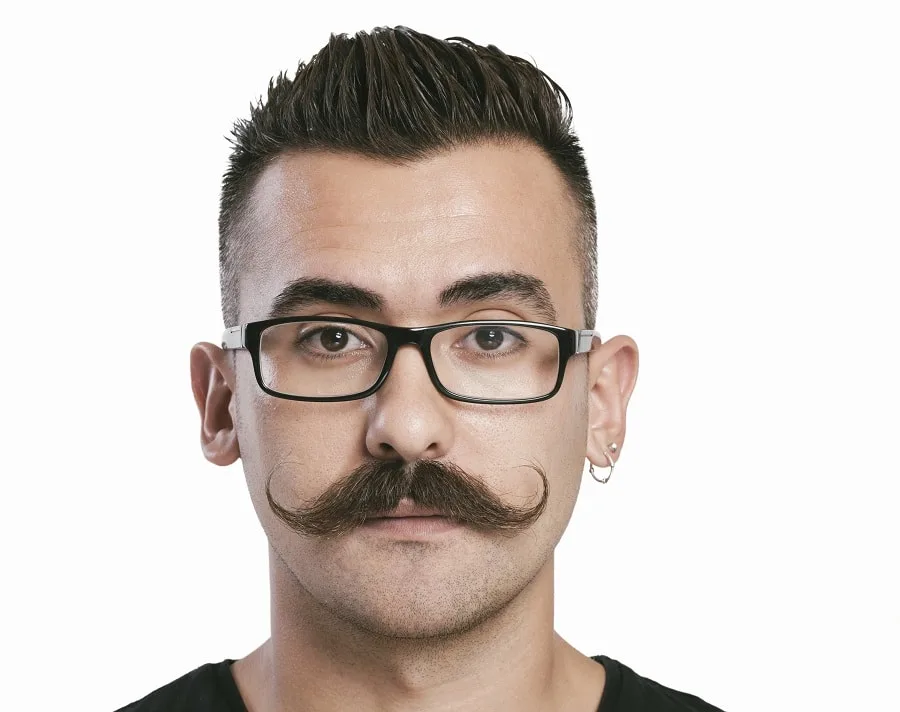
The Hungarian is a big, bushy mustache grown long and swept out to the sides, wilder and heavier than a handlebar and without the tight curl. It is pure volume and presence, the mustache equivalent of a full beard. Strong growth and daily combing are non-negotiable.
Master
43. Pencil Mustache
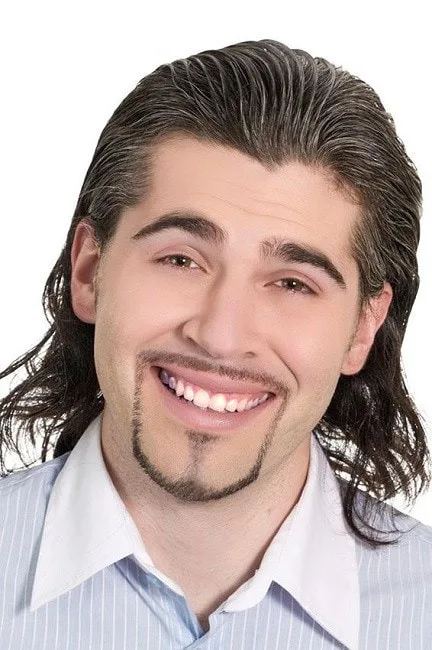
The pencil is a thin, precise line of mustache traced just above the lip, vintage Hollywood in a single stroke. It uses almost no hair and all edge, which makes the upkeep constant: the line has to stay crisp to work at all. Darker hair carries it best.
Groomer
44. Zappa-Style Mustache and Patch
This pairing runs a thick, slightly downturned mustache over a soul patch, with the rest of the face clean. It is relaxed, expressive, and a little artistic, and neither piece needs serious length. For a mustache-forward look with more character than a chevron, this is the one.
Groomer
Maintenance and Grooming: What to Expect
Every style on this page comes down to two habits: growing with patience and trimming with intent. Beard hair grows about half an inch a month, a rate in line with clinical references in the National Library of Medicine, so a short style is weeks of work, a full beard is months, and the long master styles are a year or more. Knowing that up front is what gets you through the itchy stretch without quitting.
The two lines that matter most on any beard are the neckline and the cheek line. Set the neckline about two fingers above the Adam’s apple and follow the curve of the jaw; leave the cheek line mostly natural and just clear the strays, unless your style calls for a sharp edge. Our guides to trimming the perfect neckline and lining up your beard cover both step by step.
Short styles want their edges tidied twice a week; longer ones need a proper trim every week or two, moving from trimmer to scissors as the length builds. The full walkthrough is in our beard trimming guide. And if you are starting from zero, read up on the five stages of beard growth and these healthy growing habits so you know what is normal along the way.
| Length | Grow time | Trim cadence |
|---|---|---|
| Short (stubble to corporate) | Days to about 6 weeks | Tidy edges twice a week |
| Medium (full, boxed, ducktail) | 1 to 4 months | Trim every 1 to 2 weeks |
| Long (Garibaldi to yeard) | 4 to 12+ months | Shape monthly, neckline weekly |
Keep Exploring Beard Styles
Looking for something more specific? These guides go deeper.
Pair it with a haircut
Hair and beard combinations · Buzz cut with a beard · Beards for long hair · Mullet with a beard · Fade haircuts with beards
By color
Salt and pepper · Gray · White · Blonde · Brown hair, red beard · Colorful beards
By age and growth
Styles for older men · Styles for teenagers · Styles for patchy beards · Styles for thin beards
World styles
Asian · Arabic · Irish · Japanese · Spanish · Filipino
Compare the classics
Van Dyke vs Goatee · Van Dyke vs Anchor · Bandholz vs Garibaldi
Celebrity inspiration
70 celebrities with beards · Celebrities with goatees · The most famous bearded men ever