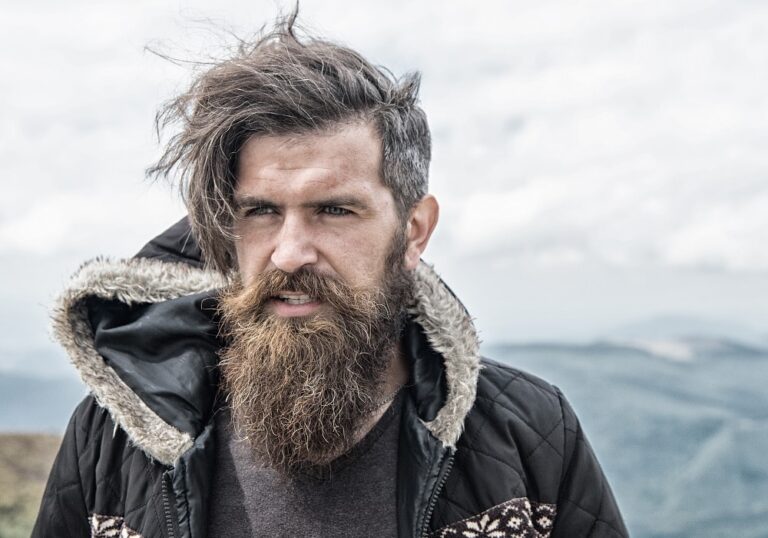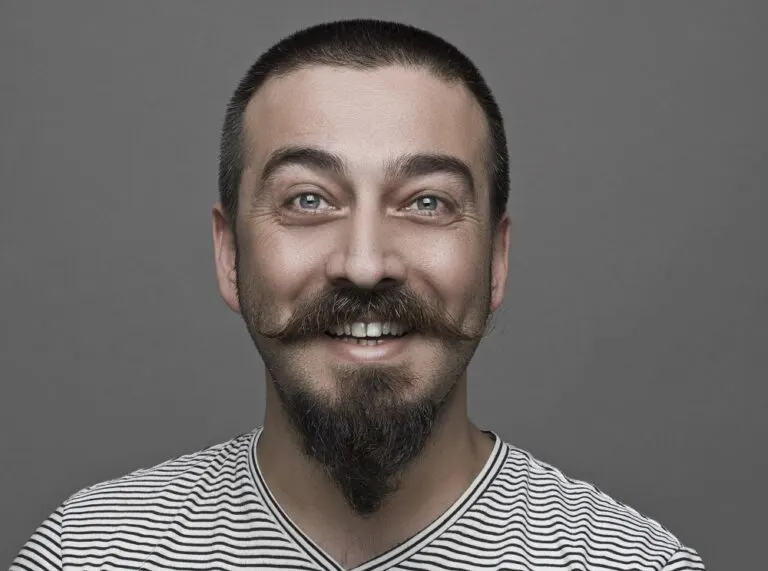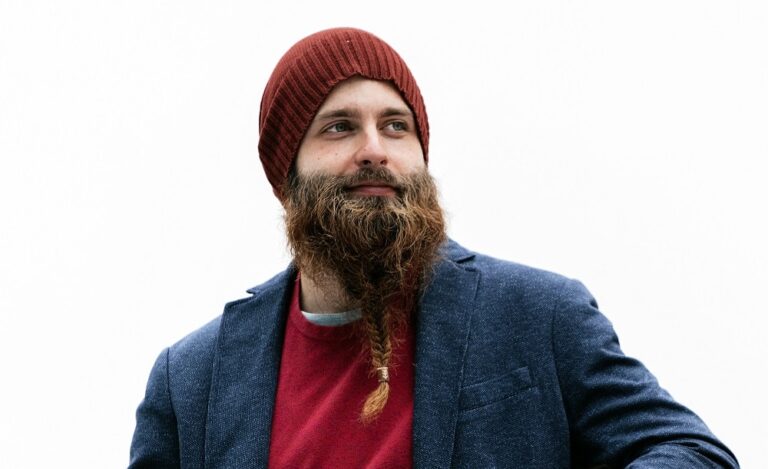
Ditching the mustache isn’t just an Amish or religious choice anymore — plenty of guys simply prefer the clean upper lip and the sharp, understated look it creates.
Lose the ’stache and the eye drops straight to your jaw and chin, a real gift if you’ve got a diamond or narrow face that benefits from a broader chin line. From a chin curtain to a strap, here are 34 beard styles that skip the mustache entirely.
Find what suits you: browse all beard styles, mustache styles, or the trimming guide.
Solo Soul Patch on a Clean-Shaven Face
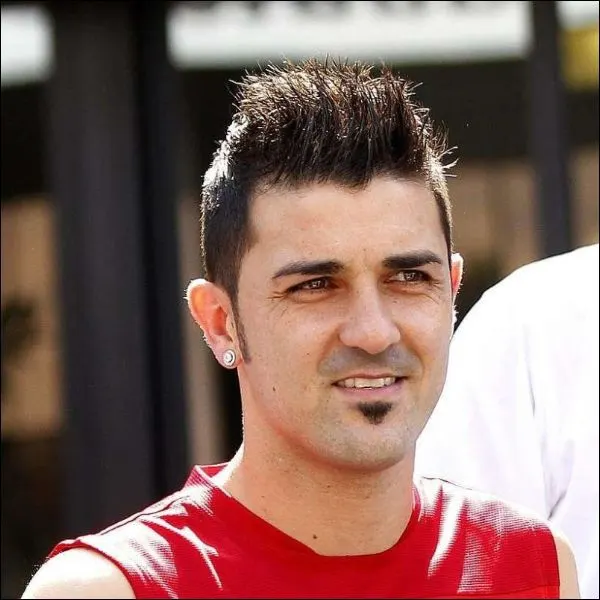
Here a single small soul patch sits alone on completely clean cheeks, letting spiky dark hair up top carry the rest of the look. It is a clean, understated alternative for anyone who finds a goatee too much, and it keeps the face looking open and bright. Shave the surrounding skin daily and edge the patch so it stays crisp.
02 of 34Chin Puff and Soul Patch with Braided Hair

Growing your hair into long braids? A heavy beard would only compete, so we keep it minimal with a small soul patch and a tiny chin tuft, no mustache needed. It is a balanced combination that lets the braids stay the star, and it flatters most face shapes. Trim the chin every couple of days to hold its compact shape.
03 of 34Dark Medium Goatee No Mustache

A dark medium pointed chin goatee looks great alongside dark-blond spiky hair, and it carries the look confidently even without a mustache. Let it grow down a little longer for stronger chin projection and a touch of attitude. It suits most face shapes; just trim the point to keep its shape and shave the cheeks clean every few days.
04 of 34Thick Chin Puff Goatee with Mid Fade Haircut
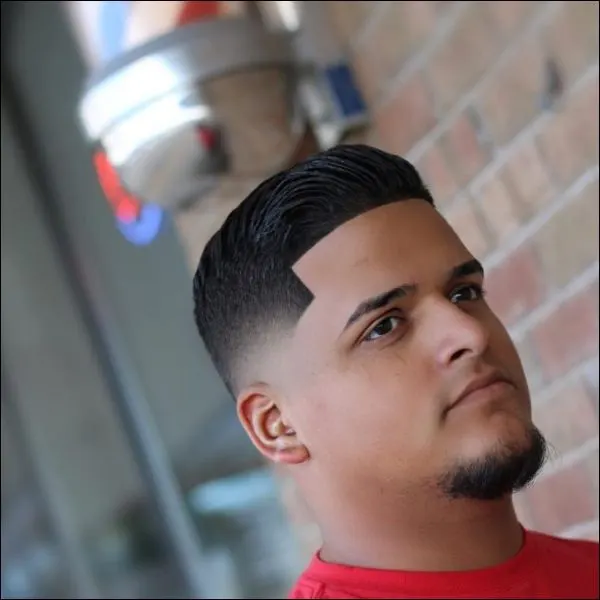
Goatees pair exceptionally well with modern cuts, and a mid fade with neatly combed hair is one of the sharpest combos going. This thick chin-puff goatee and soul patch skip the sideburns for a clean, focused look. It flatters most faces — keep the cheeks shaved and trim the puff regularly so it stays full but tidy.
05 of 34Chin Strip Soul Patch with Bald Head

Want a beard style that works with a bald head and no mustache? This small dark-brown chin goatee and soul patch are a solid move, and the smile here proves how friendly the look comes across. It holds its own on a chiseled jaw and on rounder faces too. Minimal effort, maximum personality — just edge the chin every few days.
06 of 34Full Goatee on a Diamond Face Shape

A full goatee plays well with many face shapes, but on a diamond face it really shines. Here a light-brown chin goatee with sparse cheeks adds length where you want it, and the blue cap finishes the casual vibe. The chin projection brings the angles forward naturally — trim the goatee to shape and keep the sparse cheeks tidy.
07 of 34The Anchor Beard
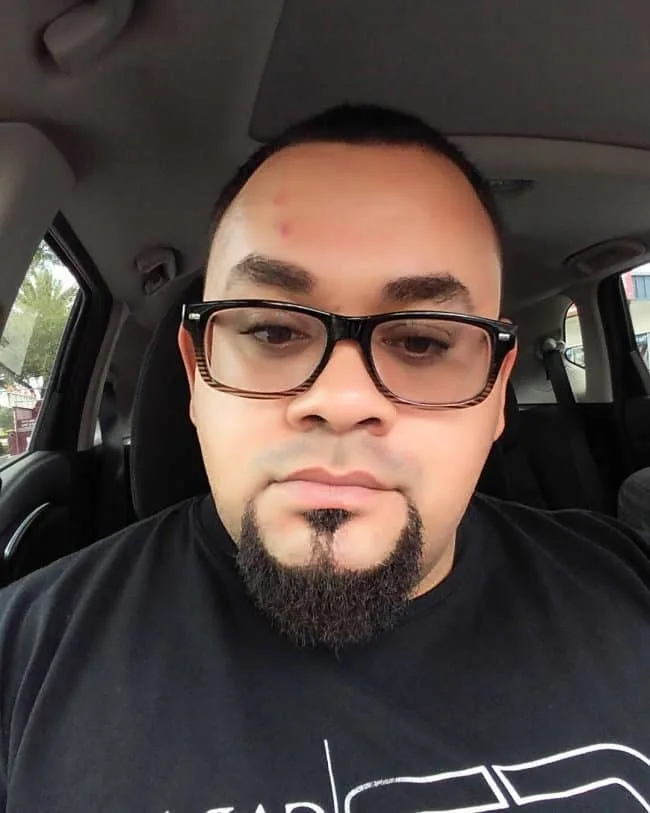
The anchor is one of the goatee family’s most popular members, and it is endlessly versatile. Here a dark goatee with a long pointed soul patch reaches down to the chin, framed neatly by a pair of glasses. Going mustache-free lets the anchor shape do all the talking. Shave the cheeks clean and edge the point regularly to keep it crisp.
08 of 34Extended Goatee without Mustache
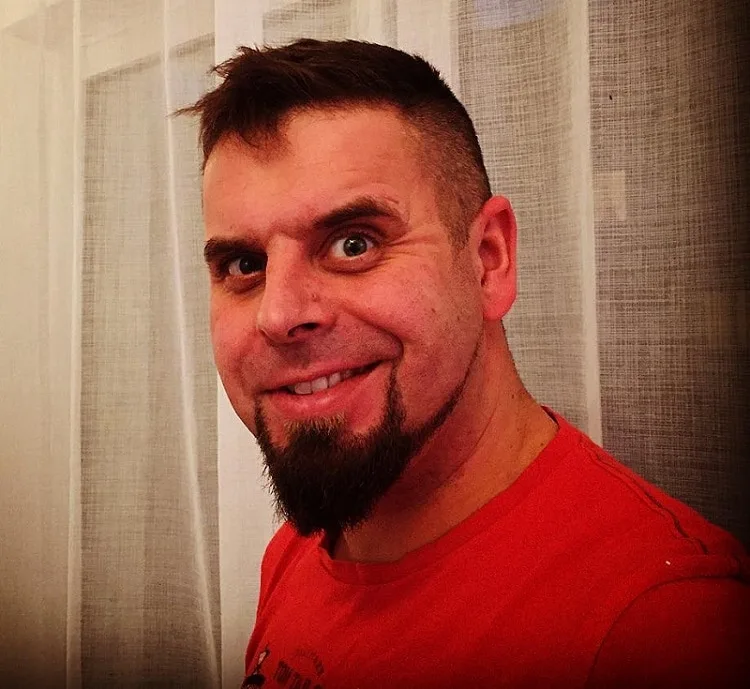
This extended goatee travels along the jawline beneath short brown hair, a perfect look for the heavy-metal fan in all of us. James Hetfield of Metallica has rocked something similar for years. The clean-shaved cheeks, neck, and upper lip are what make the shape stand out, so this one needs regular maintenance to keep those lines sharp.
09 of 34Long Goatee with Extended Stubble and No Mustache
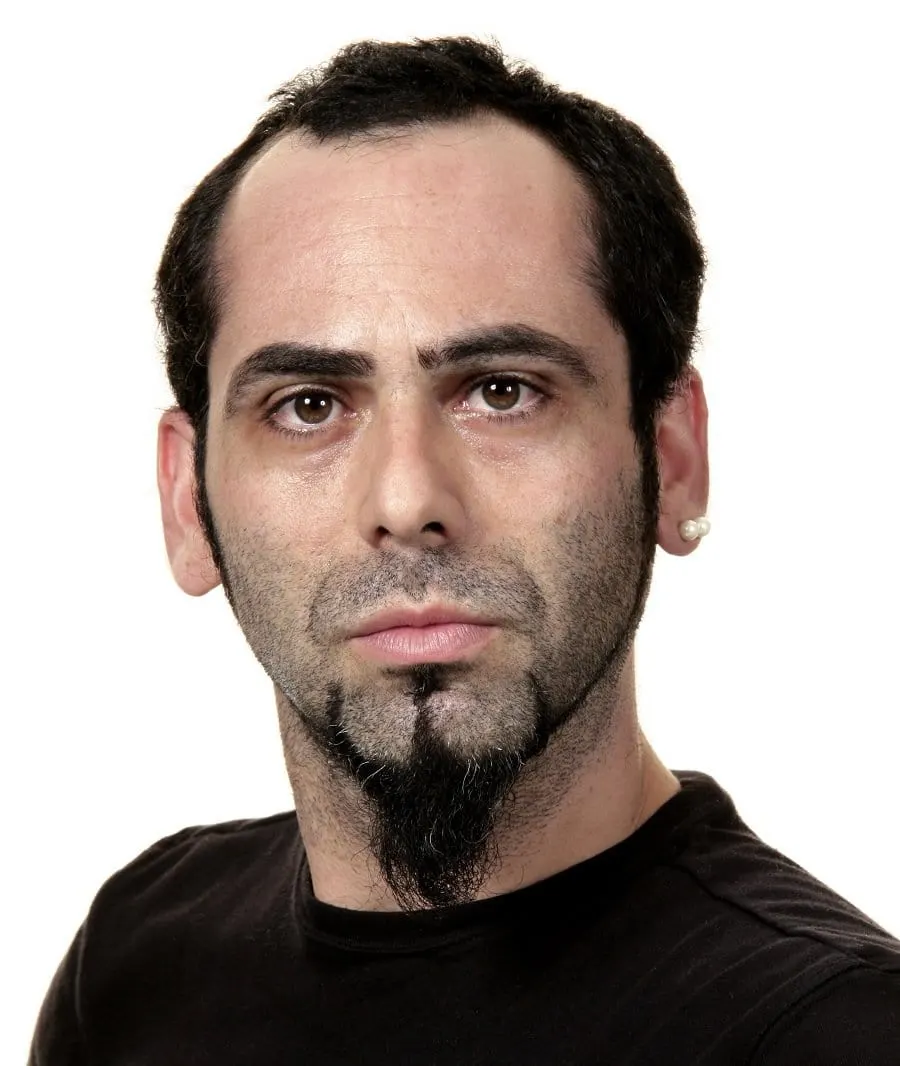
Here we combine a longer pointed black chin goatee with heavy dark cheek stubble for a rugged, lived-in finish. The extended stubble gives the look weight while the pointed chin keeps it deliberate. It is great for fuller-growing guys — let the chin grow long, then trim the cheek stubble down regularly so the goatee stays the focal point.
10 of 34Long Chin Beard with Thick-Rimmed Rectangle Glasses

A long pointed dark-brown chin beard is a genuinely cool look, especially paired with thick-rimmed rectangle glasses. That combination hits the sweet spot between hipster and professor, and the no-mustache setup keeps all the focus right where you want it. It suits longer faces nicely — comb and trim the point regularly so it stays sleek.
11 of 34White Disconnected Goatee No Mustache

A short grey-white chin goatee paired with grey hair and glasses pushed up on the head looks distinguished and easy to wear. The clean cheek line keeps everything polished, and skipping the mustache does the look no harm at all. It is the kind of style that gets better with age — just keep the cheeks shaved and the goatee neatly edged.
12 of 34Salt and Pepper Long Chin Beard No Mustache

Show off those greys with a long salt-and-pepper pointed chin beard grown solely from the chin, leaving the rest of the face clean. Matched with grey hair, it carries real character and quiet confidence. It pairs well without a mustache and works nicely with medium-length hair — trim the point to keep it shapely and shave the cheeks regularly.
13 of 34White Long Chin Beard No Mustache

This older gentleman wears a soft white-grey rounded chin beard with real dignity, no mustache required. The rounded shape flatters mature faces and frames a warm smile beautifully. It is a classic choice that ages gracefully — keep the cheeks clean and round off the chin with regular light trims to maintain that gentle silhouette.
14 of 34Light Stubble with Faded Cheek Line and Disconnected Goatee
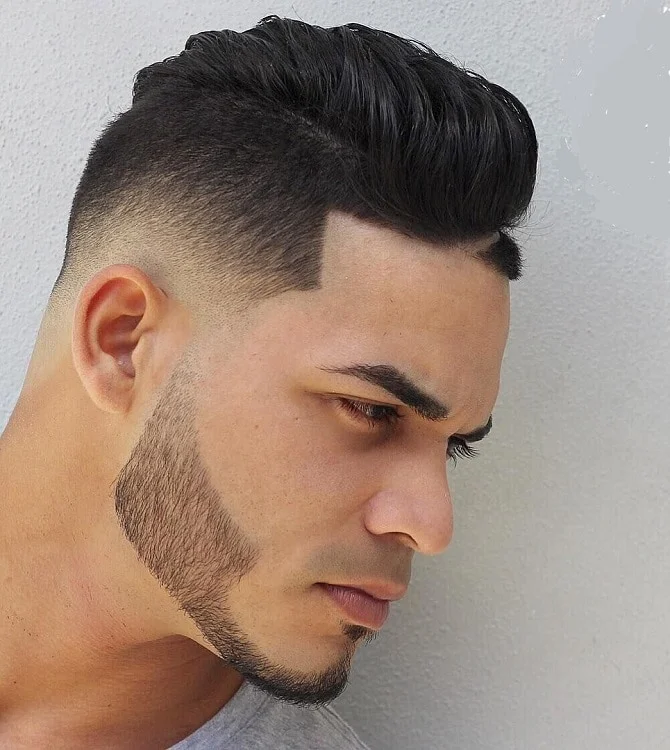
Light stubble is a solid option for almost anyone, including patchier growers. In this profile shot the cheek line is well-defined and faded near the sideburns to echo the pompadour above, with a sharp carved line sweeping down to a disconnected goatee and chin below. It needs regular trimming plus a clean shave around the mouth and below the jaw.
15 of 34Shaped Medium Stubble with Short Hair
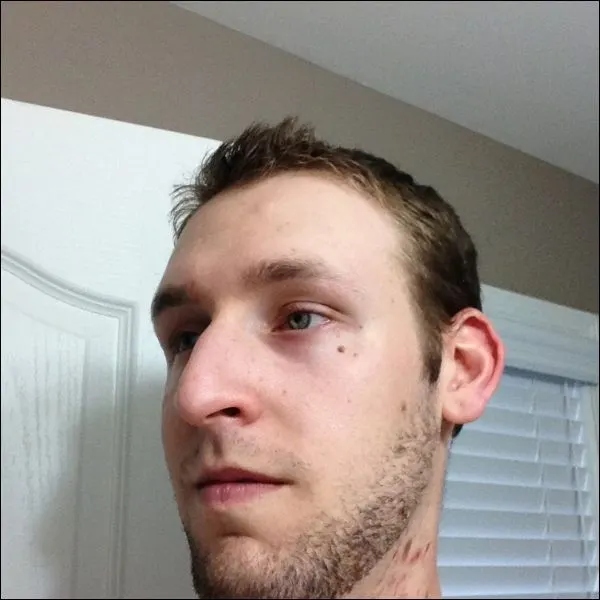
Medium stubble can drift into scruffy territory fast unless you shape it with care. In this profile selfie the patchy light reddish-blonde jaw-and-chin stubble is kept honest and tidy, pairing cleanly with short hair and more angular features. Dial in the cheek line and neckline, then trim every few days to keep that shaped, deliberate finish.
16 of 34Black Man Dense Heavy Stubble No Mustache
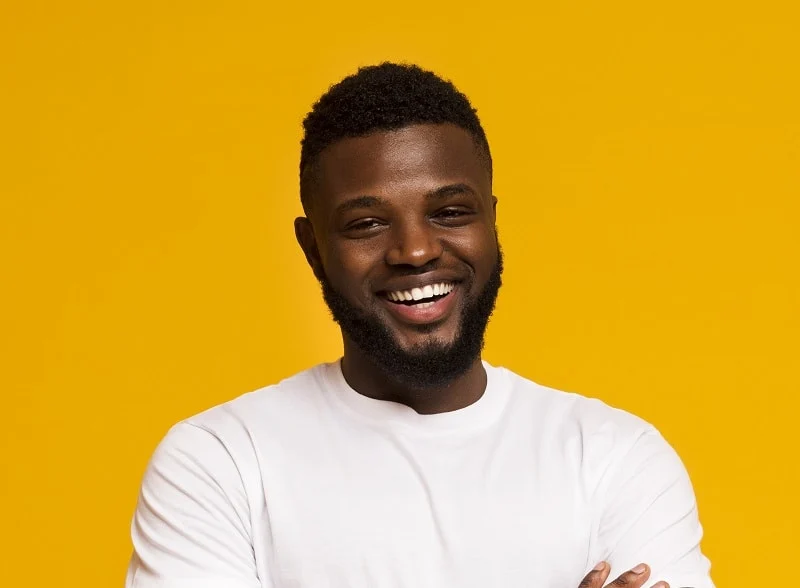
Black men often grow a denser, coilier beard, and this defined short black jaw beard makes the most of it. Worn here with an easy smile and no mustache, it is a sharp, low-effort move that keeps all the focus on a clean, rich jawline. Keep the cheek line and neckline carved and run a trimmer through it regularly to hold that crisp shape.
17 of 34Coily Disconnected Goatee for Black Men
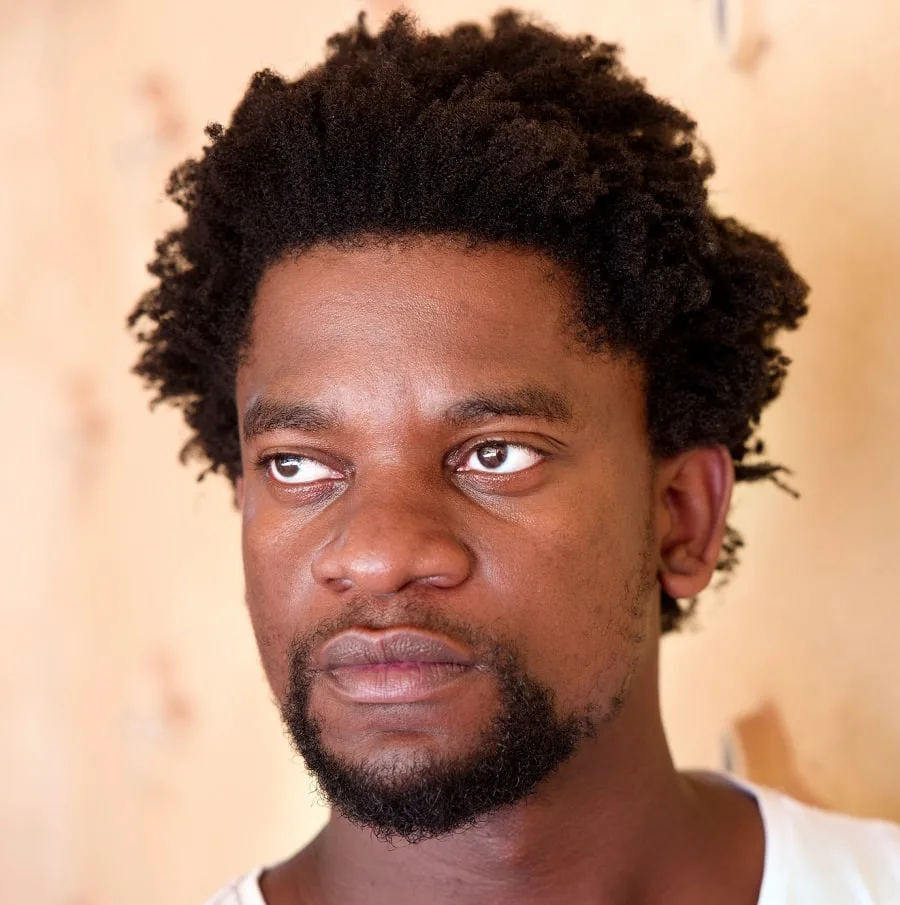
This disconnected goatee is a solid pick if you want a beard without a mustache. The dark coily jaw-and-chin beard stays easy to maintain and lets the afro up top do the talking. We love how it frames the face cleanly — keep the upper lip shaved and edge the perimeter so the disconnected shape stays defined.
18 of 34Neat Designer Chin Strap
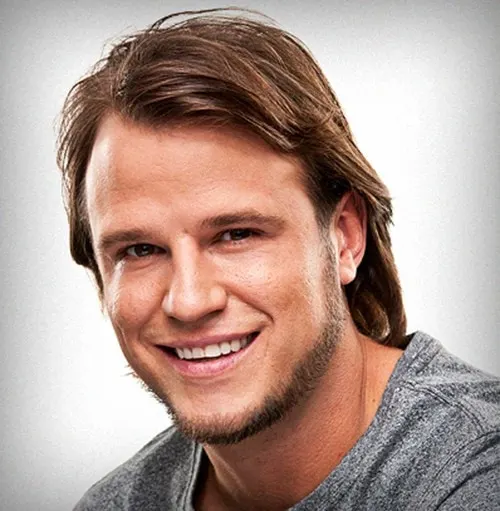
If you believe short styles look sharper without a mustache, this neat light-brown chin-strap stubble is worth a serious look. Paired with longer brown hair and a friendly smile, it feels polished and modern. Not every man keeps a strap this tidy, so commit to the upkeep — clean, regular edging along the jaw is what makes it look fantastic.
19 of 34Chin Strap Goatee with Soul Patch No Mustache

This short brown chin-strap goatee with a soul patch is a fashionable combination for guys skipping the mustache. The strap travels along the jaw while the soul patch and chin anchor the front, giving the face a structured frame. It is detail-forward, so plan on careful, near-daily edging to keep all those clean lines crisp.
20 of 34Chin Strap with a Disconnected Goatee

If you enjoy serious beard detailing, this gingery chin-strap beard with a soul patch is worth the effort, and the strawberry-blond hair makes it pop. A disconnected goatee paired with a chin strap looks sharp on guys ditching the mustache. That said, it demands careful daily maintenance, so keep those lines clean and the cheeks shaved smooth.
21 of 34Curly Afro with Chin Strap No Mustache
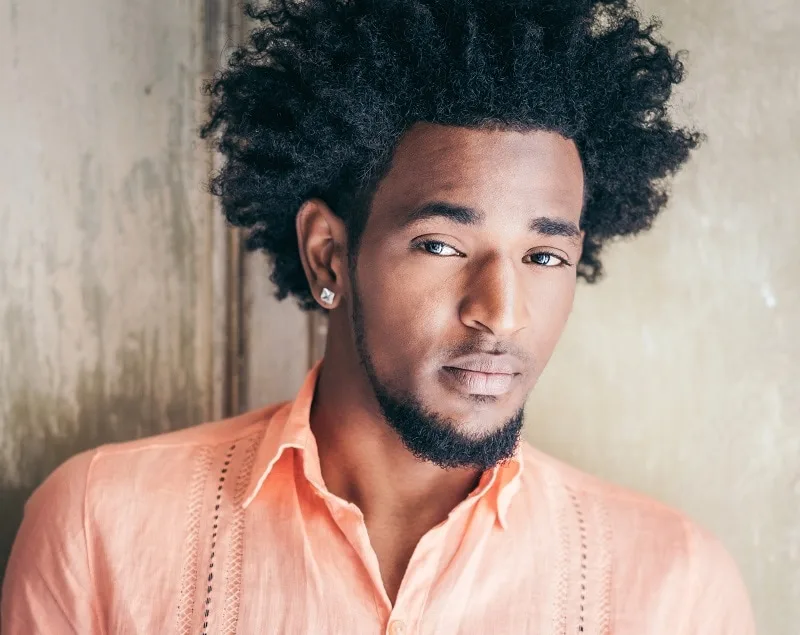
A thin dark chin strap complements a large black curly afro beautifully, blending in naturally for a sharp, defined contrast. The strap wraps along the jaw and chin while the rest of the face stays clean-shaved. It is a great fit for thick, dense growth — keep the upper lip and cheeks smooth and edge the strap regularly to maintain its slim line.
22 of 34Chin Strap with High Burst Fade and Coily Afro
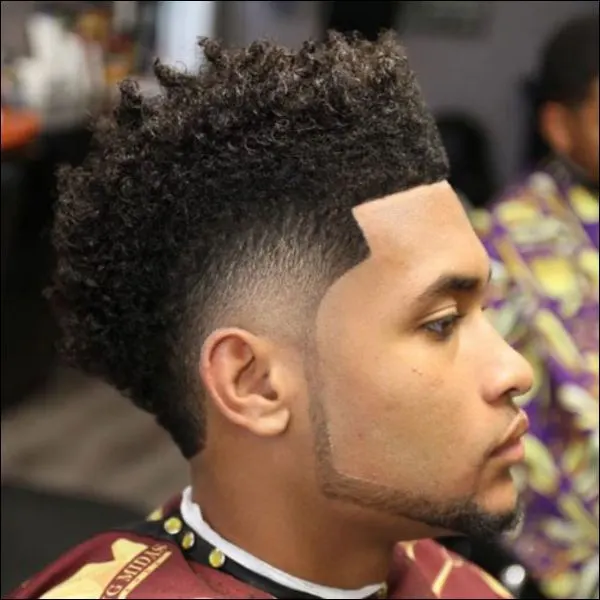
A burst fade with a coily afro on top is already a statement cut, and this sharp black chin strap and goatee tie the whole thing together at the bottom. Shown in profile, the strap emphasizes the jawline beautifully while the no-mustache finish keeps the lines deliberate. Refresh the burst fade and edge the strap often to keep it razor-clean.
23 of 34Wide Chin Strap with Skin Fade and Spiky Hair
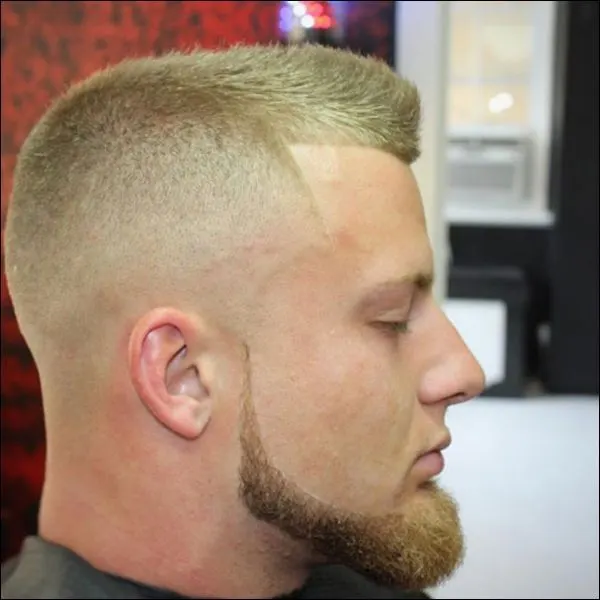
The chin strap makes another strong appearance, and in this profile it looks especially sharp alongside a blonde skin fade and spiky top. Here it is grown out into a full blonde jawline strap for a bolder, more rugged vibe, though you could keep it thinner for a cleaner finish. Edge the jaw line and refresh the fade regularly to keep it wide but tidy.
24 of 34Chin Curtain Without a Mustache

Growing a brown full chin curtain that runs along the jaw and chin without a mustache is surprisingly straightforward. Honestly, this beard can look even sharper with nothing else competing for attention. Keep the area above the upper lip clean-shaved and commit to regular trimming so the perimeter stays sharp. It flatters most face shapes well.
25 of 34Chin Curtain with Soul Patch Stripe
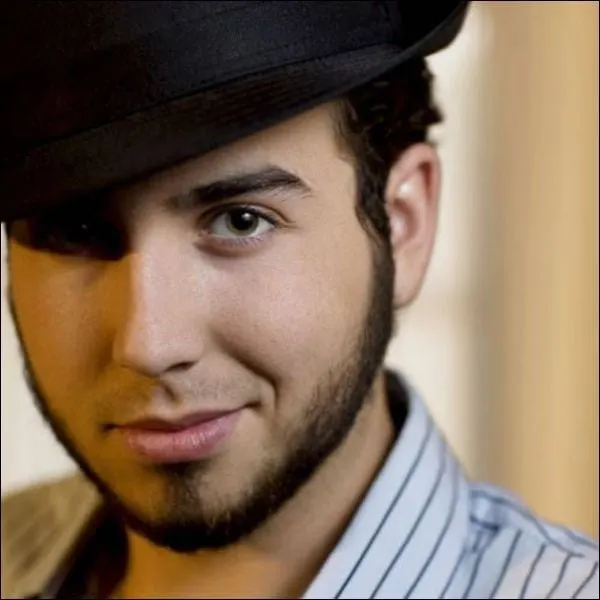
Chin curtains take patience to grow, but they are a great pairing for a mustache-free look. Here a dark jawline chin curtain is finished with a soul patch stripe and topped with a black hat for extra attitude. Keep it bushy for a bold statement or trim it to light stubble for something refined — either way, edge the perimeter regularly.
26 of 34The Classic Lincoln Beard (Chin Curtain)

Based on Abraham Lincoln’s iconic look, this light gingery-brown chin curtain suits anyone drawn to an enduring, old-school style, and the black fedora and easy smile only add to the charm. It is a classy choice that never goes out of fashion. Keeping the cheeks clean-shaved and the beard neatly trimmed is what gives it that quiet elegance.
27 of 34The Chin Curtain Neck Beard Without a Mustache
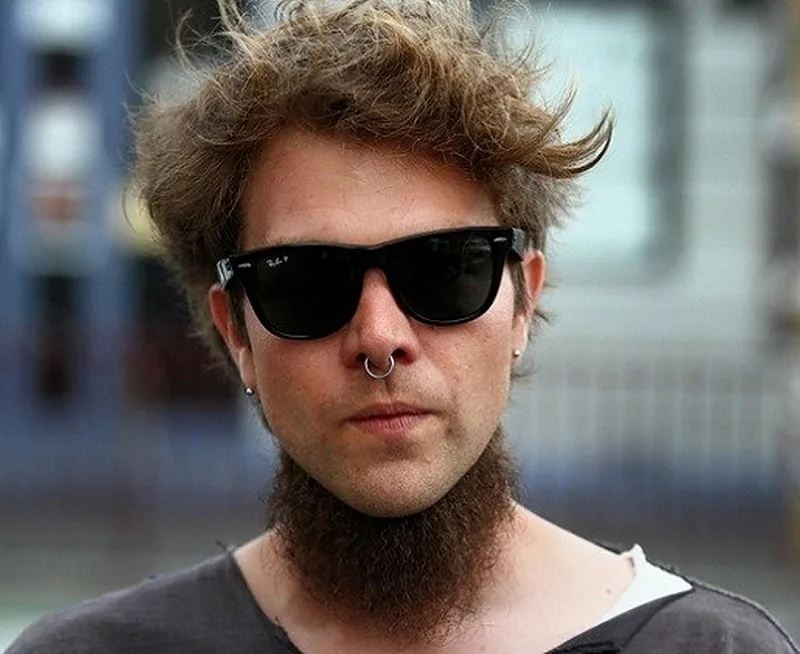
Not everyone’s cup of tea, but plenty of guys genuinely love this brown chin-curtain neckbeard, here finished with sunglasses and a septum ring for added edge. It is one of the easier styles to grow — keep everything above the jawline clean-shaved and let the hair below grow to whatever length works for you. A weekly tidy keeps it from looking unkempt.
28 of 34Short Boxed Beard with High Skin Fade
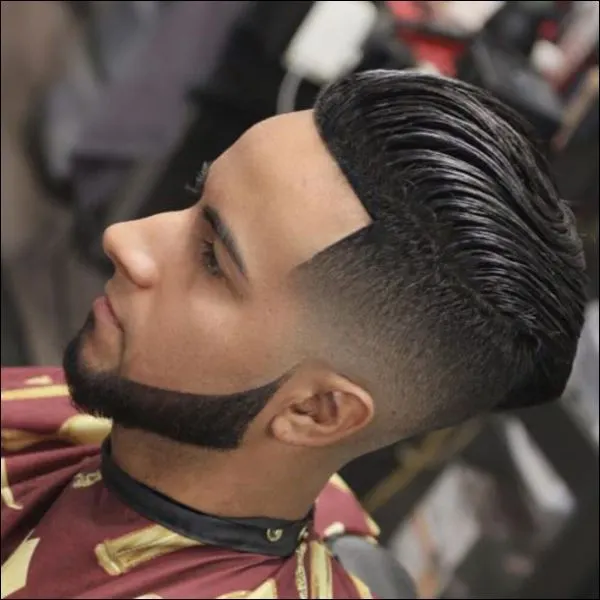
A great beard does not need a mustache to make an impression. Shown in profile, this sharp short black boxed beard is dense and well-sculpted, a natural fit for angular faces, with slicked-back dark hair and a clean skin fade up top. The crisp beard line-up ties it all together — keep that boxed shape trimmed and the fade fresh.
29 of 34Bald Man Short Boxed Beard Without Mustache
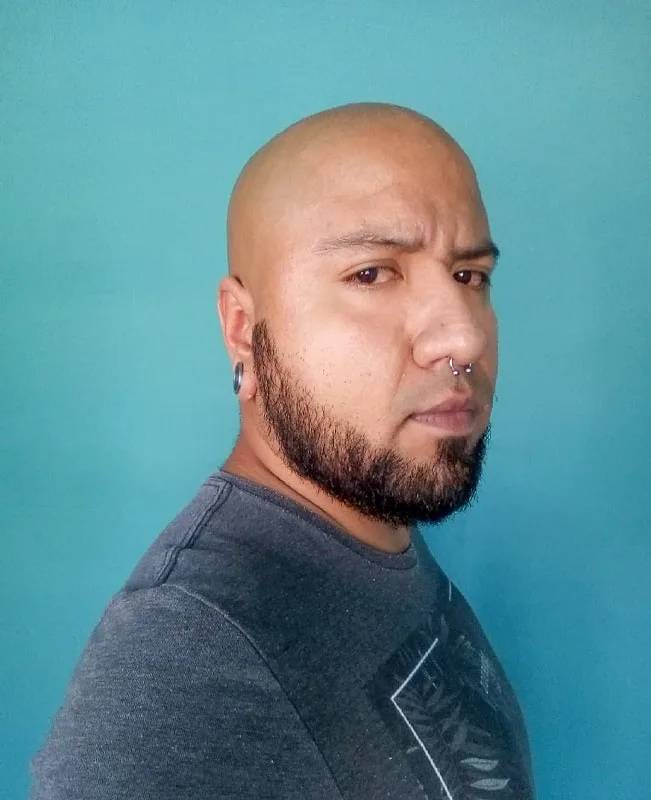
A full dark jaw-and-chin beard on a bald head with no mustache is a seriously clean combination, and a nose ring here adds a bit of edge. Follow a regular beard-care routine and keep the upper lip shaved smooth. Trim the beard to around 4mm to 5mm and maintain a crisp carved cheek line to keep the whole shape dialed in.
30 of 34Dutch Beard without Mustache
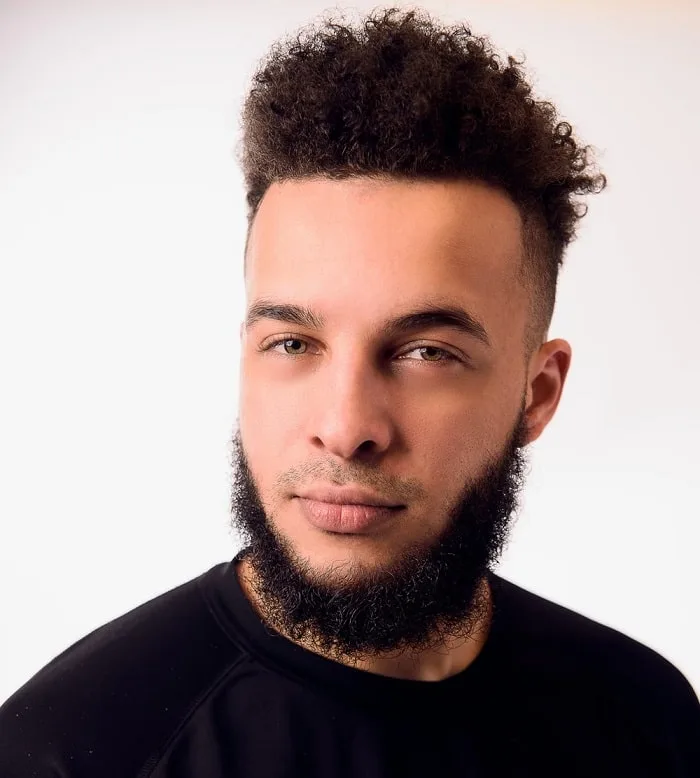
A Dutch beard is a full, jaw-framing beard worn with a low cheek line, and this dark-brown version pairs boldly with a high-top curly fade. It suits coarse, coily textures especially well. Going mustache-free keeps the spirit intact — let the beard fill out below the jaw, then shape the cheek line and neckline regularly so it stays framed and clean.
31 of 34Dense Natural Full Beard with Kufi
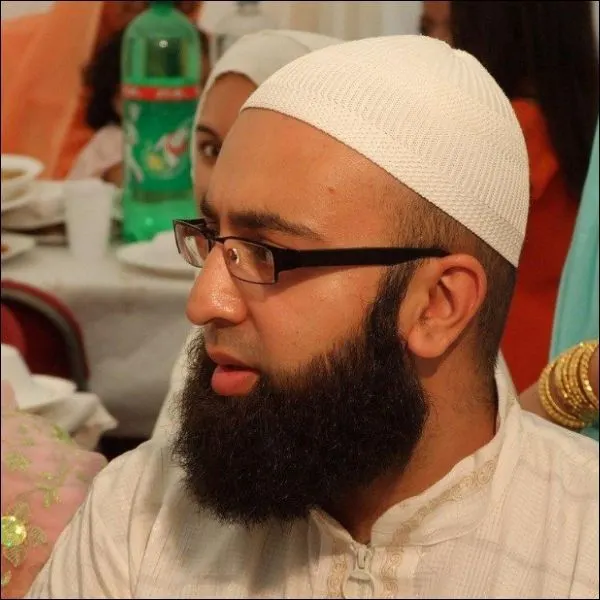
A thick, well-maintained full beard without a mustache is consistent with sunnah, and this dense black beard wears it beautifully in profile beneath a white knit kufi and glasses. You can adjust the length to your preference, but this is a classic representation of how the beard is traditionally worn. Comb it out and trim strays regularly to keep it dense and neat.
32 of 34The All-In Natural Full Beard Without a Mustache
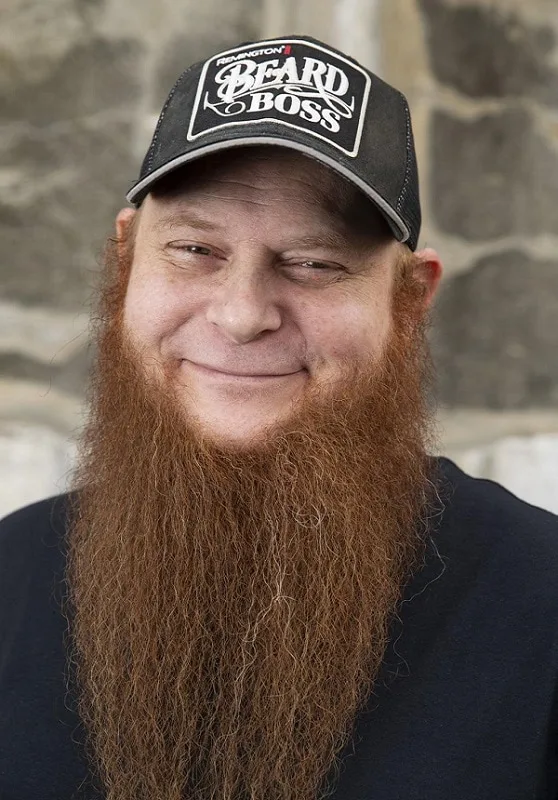
Once you commit to the full-beard lifestyle, this long ginger-auburn beard is the look you are working toward, finished here with a cap and a clean upper lip. Skipping the mustache means the cheek lines and sideburns can stay natural, since an organic finish is the whole point. All you really need to do is keep growing it out and condition it regularly.
33 of 34Massive Yeard-Length Natural Beard Without a Mustache
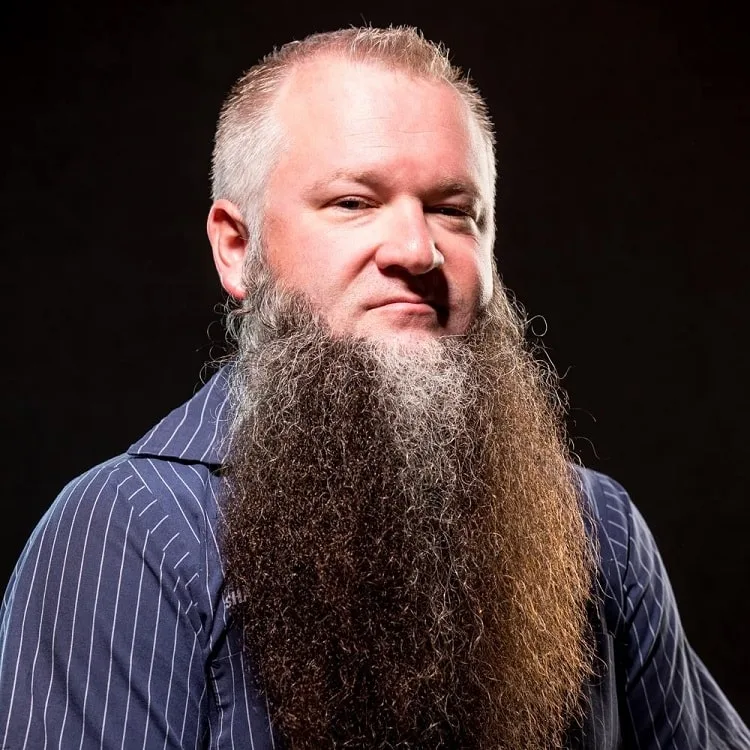
As the name suggests, this is for those willing to take the long journey, letting a flowing grey-brown beard grow unchecked all the way down to the chest. Tapered sideburns and a natural outline give it just enough structure to keep it from looking wild. It is a serious commitment — wash, condition, and detangle it regularly so it stays healthy and full.
34 of 34Traditional Amish Beard
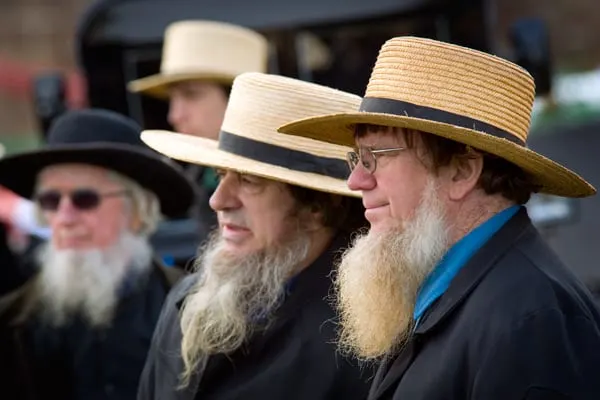
In Amish culture, growing a full beard after marriage is a deeply rooted tradition, as these men in straw hats with long white and reddish chin-curtain beards show. Let the beard grow as long as possible while keeping the upper lip completely clean-shaven. Length, fullness, and zero mustache are the three non-negotiables — a periodic tidy of the outline is all it needs.
No mustache, no problem. With the right shape and a little regular trimming, any of these styles can become your signature look. Find the one that matches your face shape, hair, and lifestyle, then keep those lines clean and let the beard do the talking.