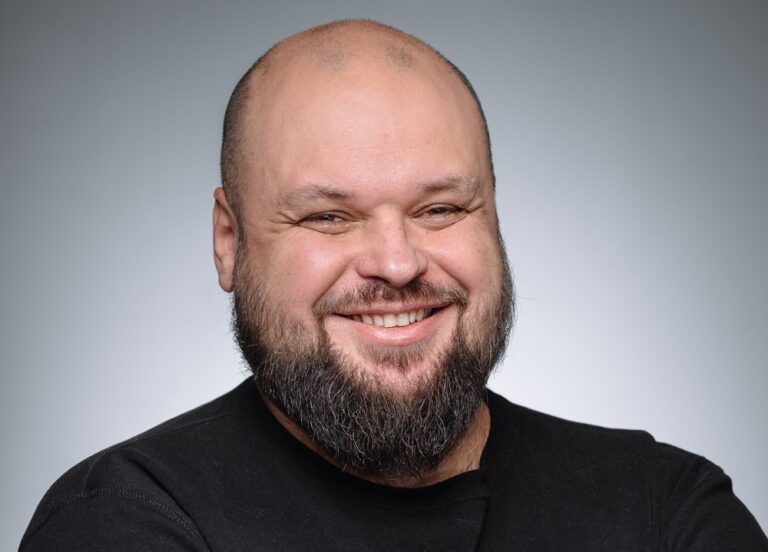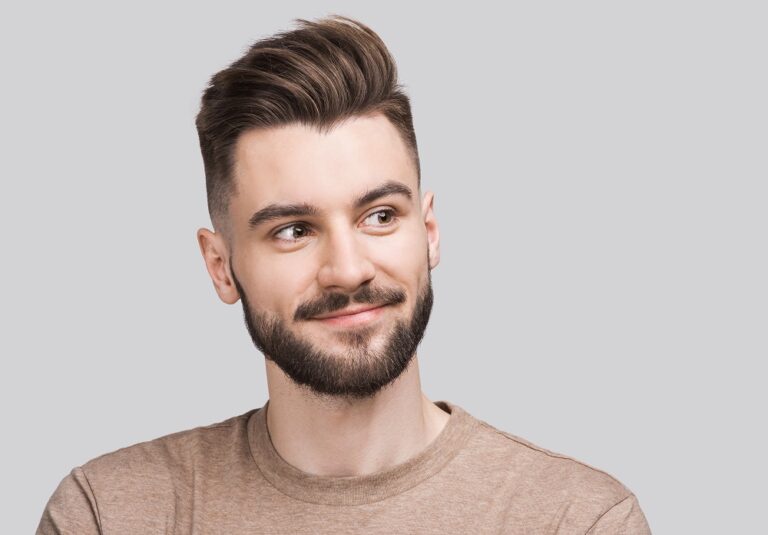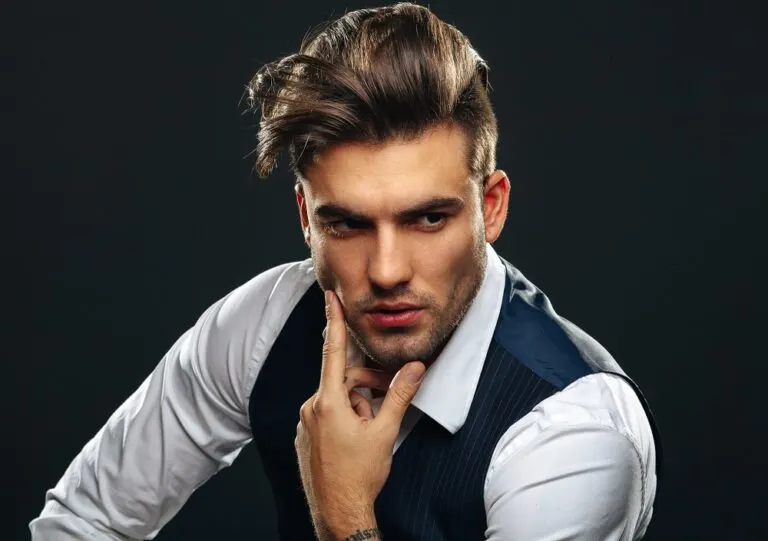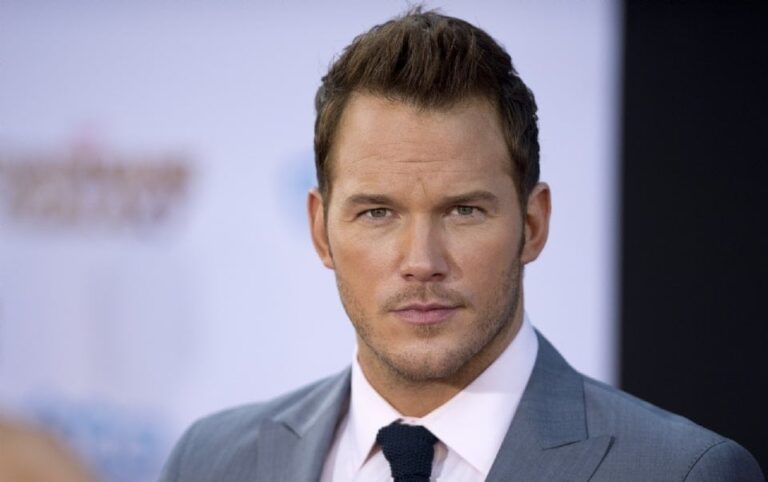
At a glance
- The goal: move visual weight downward
- Keep: cheeks tight, chin fuller, lines sharp
- Best picks: ducktail, short boxed beard, faded corporate beard
A round face has one thing working against it: it’s all soft curves and roughly equal width and height, with no natural angle for a beard to lean on. So forget ‘grow more beard’. The move is grow a smarter shape.
Keep the cheeks short and let the chin carry the length; that one adjustment stretches the face downward and hands you the jawline your bone structure skipped. From a pointed ducktail to a short boxed beard, here are 7 shapes that add edge, plus 3 to avoid.
Find what suits you: browse all beard styles, mustache styles, or the trimming guide.
The 10-Second Test: Do You Actually Have a Round Face?

A lot of guys think they have a round face when they really just have full cheeks. A true round face is usually close in width and length, with soft corners instead of obvious angles.
The cheekbones tend to be the widest point, the jawline looks less carved, and the chin looks shorter rather than long or pointed. If you shave clean and your face suddenly looks younger, softer, or wider, that’s another clue.
You likely have a round face if:
- your face length is close to your face width
- your cheekbones are the widest part of your face
- your jawline looks soft instead of sharply angled
- your chin looks short or understated
- fuller beard growth on the cheeks makes your face look broader, not stronger
The Golden Rule of Beards for Round Faces
The goal isn’t to grow the biggest beard possible. It’s to move visual weight downward.
The Geometry of Facial Hair
When guys sit in my chair with this exact problem, the first thing I look at is where the beard adds bulk. On a round face, width is already doing plenty.
So if the beard also balloons at the cheeks, the whole thing starts heading toward bowling-ball territory. The fix is simple but specific: fuller chin, tighter cheeks, sharper lines.
- length on the chin visually elongates the face
- tight cheeks and sideburns stop the beard from adding horizontal width
- steeper lines create structure where the face is naturally soft
- controlled tapering keeps the beard looking intentional instead of puffy
The Ducktail Beard
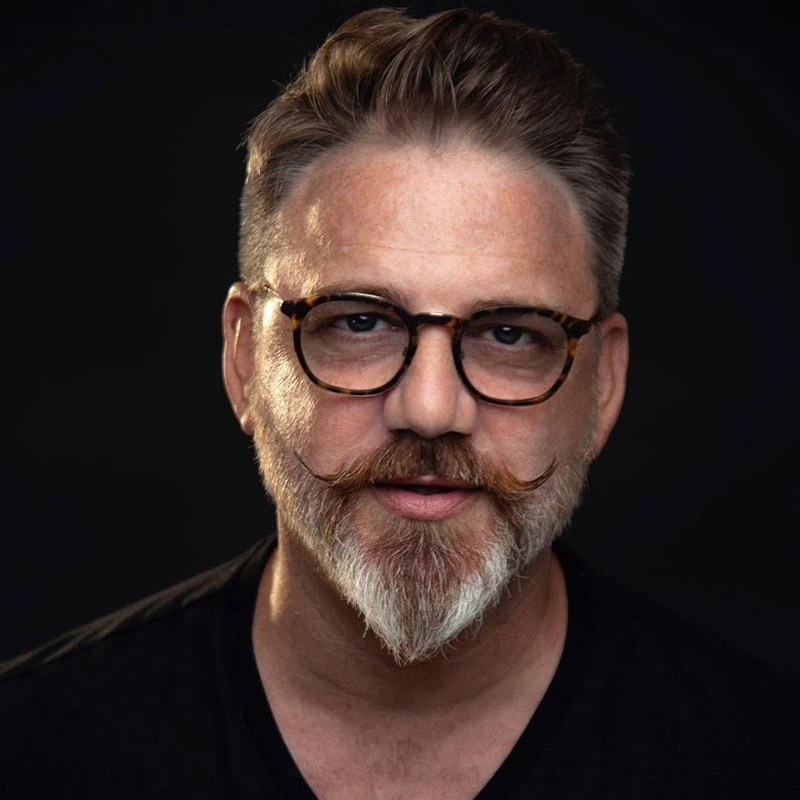
The ducktail is what happens when a full beard gets dressed up, cinched at the waist, and sent out looking expensive. It’s fuller through the chin and trimmed so the bottom tapers into a point or soft triangle. That shape is exactly why it flatters a round face so well.
Maintenance Level: Medium to High
Growth Time Required: 6 to 10 weeks
Best For: Thick growth, fuller cheeks, guys who want a stronger-looking chin
Why it works
A ducktail shifts attention away from cheek width and toward a more pointed lower face. On a round face, that’s gold. Instead of creating a big halo of beard around the cheeks, it narrows the outline and gives the chin a cleaner endpoint.
What this style actually is
Think of it as a full beard with discipline. The cheeks stay controlled. The chin carries the drama. It’s not a wild mountain beard. It’s a shaped beard with intention.
Who should wear it
This one’s strongest on round faces, but it also suits oval faces easily and can work on square faces when the point is kept soft rather than exaggerated. If your beard grows dense through the chin and weaker at the upper cheeks, that’s not a problem here. It actually helps.
Common variations
The most common versions are the short ducktail, the long ducktail, and the faded ducktail. The shorter version looks cleaner and more office-friendly. The longer version leans rugged and dramatic. The faded version blends the sideburn and cheek area down tighter before building into a fuller chin.
What’s trending on TikTok and Instagram
The social-friendly ducktail right now is the short or faded ducktail, not the giant outlaw version. The shape still looks masculine, but it feels cleaner, sharper, and easier to wear day to day.
Maintenance commitment
You’ll need regular line work. If the sides grow out unchecked, the whole slimming effect disappears. A ducktail looks best when the cheeks stay tight and the chin keeps its forward shape.
Common mistakes
Guys mess this one up by letting the beard get too round at the bottom, too bulky at the sides, or too long before the shape is set. The point should look deliberate, not stringy. And don’t let the chin turn into a droopy cone.
02 of 7Keep the cheeks tight and tapered. Leave more density through the chin. Shape the front into a soft point, not a round puff. Fade the sideburns into the beard so the face looks slimmer.
What to tell your barber
The Short Boxed Beard
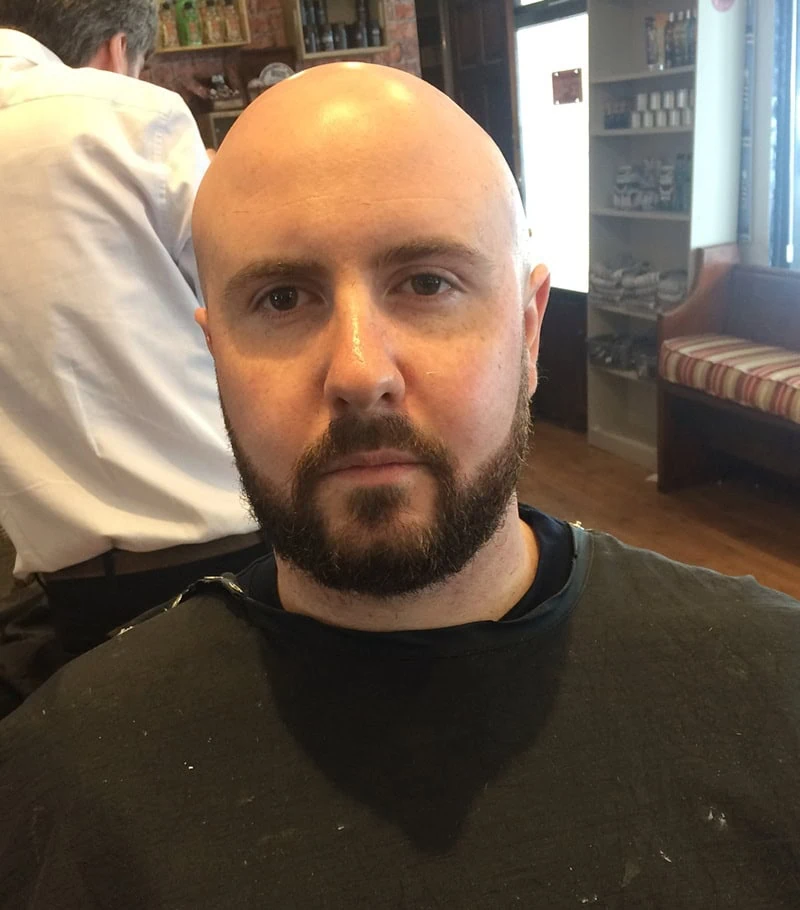
If the ducktail is the tailored overcoat, the short boxed beard is the perfect white tee. Clean, flattering, and almost impossible to regret. It gives a round face structure without piling on too much width.
Maintenance Level: Medium
Growth Time Required: 2 to 4 weeks
Best For: Corporate settings, even beard growth, men who want shape without a huge time commitment
Why it works
This style gives you enough coverage to frame the jaw, but not so much width that your cheeks take over the room. The magic is in the angles. A short boxed beard looks cleaner and sharper than a natural full beard because the edges are tighter and the perimeter is more deliberate.
What this style actually is
It’s a short full beard with crisp boundaries. Not stubble. Not a lumberjack beard. Just enough fullness to look substantial, with enough control to stay flattering.
Who should wear it
Round faces get a lot out of it. Oval faces can wear it with no trouble. Square faces can wear it too, usually with a slightly softer cheek line so the whole look doesn’t become too hard-edged.
If you work in a more conservative office, this is often the easiest grown-man beard to pull off.
Common variations
The classic versions are the tight short boxed beard, the slightly longer boxed beard, and the boxed beard with a beard fade. The faded version is especially flattering for round faces because it reduces width at the upper cheeks even more.
What’s trending on TikTok and Instagram
The short boxed beard showing up most often is the sharp boxed beard paired with a taper or fade haircut. It looks polished, modern, and easy to dress up or down.
Maintenance commitment
This one needs touch-ups every few days if you want it to stay looking expensive. It’s not hard, but it is regular.
Common mistakes
The usual failures are too much cheek bulk, rounded cheek lines, and letting the neckline creep too high. Another one is making both the cheeks and chin the same length. On a round face, a little extra length at the chin does more than you’d think.
03 of 7I want a short boxed beard with hard cheek lines and tight sides. Keep it slightly longer at the chin than on the cheeks. No bulky sideburns.
What to tell your barber
The Corporate Beard with Faded Sides
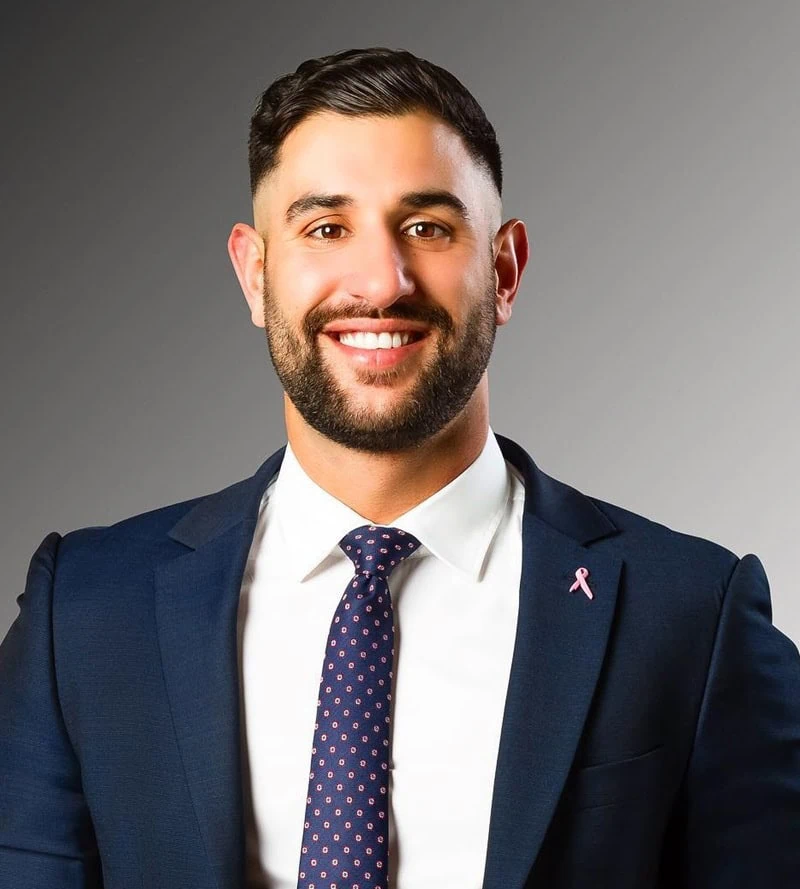
A full beard can absolutely work on a round face. It just needs better engineering. The move that changes everything is the beard fade.
Maintenance Level: High
Growth Time Required: 4 to 8 weeks
Best For: Men who want fullness without width, polished dressers, haircut-and-beard guys
Why it works
The fade adds structure where round faces usually need it most: the upper cheek and sideburn zone. Instead of growing a flat wall of beard from ear to chin, you compress the top and let the lower beard carry more presence. The result looks more sculpted and less blocky.
What this style actually is
This isn’t a separate historic beard category. It’s a technique-driven version of a short full beard. The sideburns and upper cheeks are clipped tighter and blended into a denser lower beard, often with a low or mid fade.
Who should wear it
If you like a fuller beard but your face gets wide fast, this is your answer. It’s especially good for round faces and bald heads because it builds lower-face structure without looking messy.
Common variations
The usual versions are the low-fade beard, mid-fade beard, and tapered corporate beard. The lower the fade starts, the softer and more wearable it looks. The higher it starts, the sharper and more fashion-forward it feels.
What’s trending on TikTok and Instagram
This is probably the most current look in the whole article. Low fades, clean beard blends, and polished side profiles are everywhere right now because they look crisp without feeling overdone.
Maintenance commitment
High. Fades grow out fast. If you want this to stay crisp, expect regular barber visits or be very comfortable with your trimmer guards.
Common mistakes
The biggest one is letting the fade disappear into a blob. The second is keeping the lower beard too short, which kills the slimming contrast. The third is relying only on beard oil. Oil alone isn’t enough here if your beard tends to puff sideways.
04 of 7Give me a beard fade through the sideburns. Keep the upper cheeks tighter and the chin fuller. I want a clean corporate beard, not a wide natural beard.
What to tell your barber
The Classic Goatee or Extended Goatee

The goatee has had a rough reputation for years, which is a little unfair when you look at what it actually does to facial geometry. Done well, it can be one of the smartest fixes for a round face because it removes cheek width entirely and keeps the visual focus in the center.
Maintenance Level: Low to Medium
Growth Time Required: 2 to 5 weeks
Best For: Patchy cheeks, fuller faces, men who want definition without a full beard
Why it works
Because there’s no beard mass on the cheeks, the face stops looking wider. Everything happens at the mouth and chin, which makes the lower face look longer and narrower. That’s the whole game on a round face.
What this style actually is
At its simplest, a goatee is chin-focused facial hair. The broader modern version often includes hair around the mouth, sometimes with a connected mustache. An extended goatee stretches a little wider from the chin without becoming a full cheek beard.
Who should wear it
This one’s especially useful if your cheek growth is patchy or your beard never quite fills in evenly. It flatters round faces very well, and it can also suit oval faces.
Common variations
You’ve got the classic goatee, full goatee, extended goatee, and overgrown goatee. The extended version is usually the sweet spot for round faces because it adds a bit more reach without adding cheek width.
What’s trending on TikTok and Instagram
The extended goatee and other hybrid goatee looks are getting the most attention because they feel sharper and more current than the tiny old-school goatee many guys still picture.
Maintenance commitment
Lower than a full beard, but not zero. Because the style is isolated, little mistakes stand out more.
Common mistakes
Guys usually make this one too small, too round, or too high under the lip. Another miss is trimming the chin too short. If you’re using a goatee to lengthen a round face, that chin section can’t be timid.
05 of 7Keep the cheeks clean. Build the goatee through the chin and connect it neatly to the mustache. I want the chin to look longer, not wider.
What to tell your barber
The Van Dyke
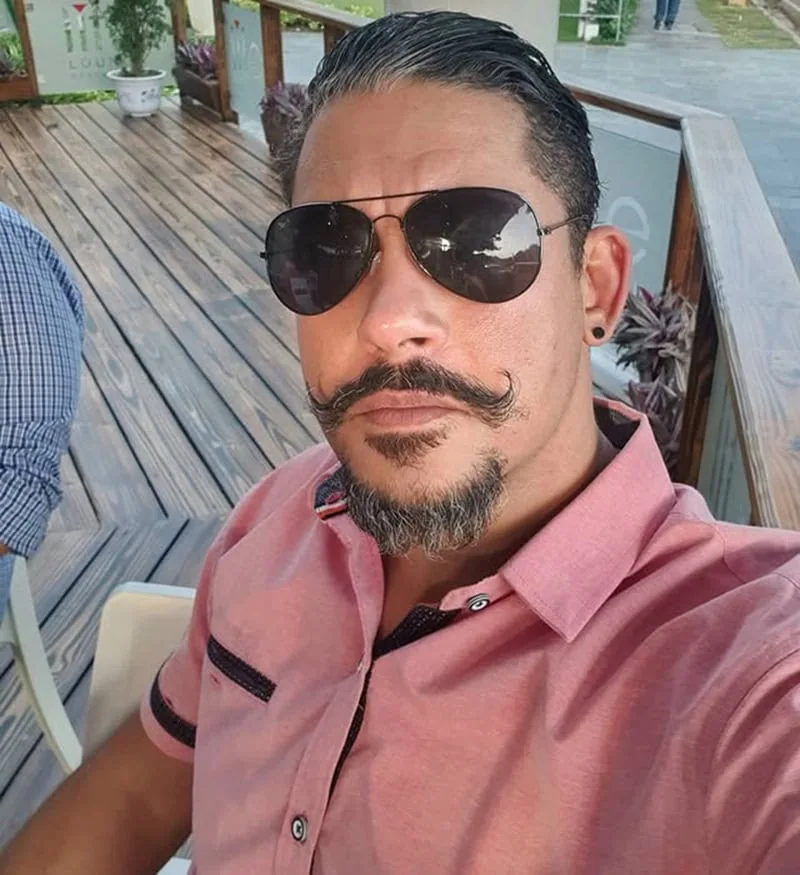
The Van Dyke is the flirtier cousin of the goatee. It’s sharp, a little theatrical, and much better than people think when it’s trimmed clean.
Maintenance Level: Medium
Growth Time Required: 3 to 6 weeks
Best For: Strong mustache growth, patchy cheeks, guys who like a more styled look
Why it works
The disconnected mustache and pointed chin beard create a narrow vertical frame right down the center of the face. That’s why it can make a round face look longer and more deliberate.
What this style actually is
Mustache up top. Chin beard below. Clean space in between. No cheek beard. No sideburn bulk. It’s not a lazy goatee. It’s a detail-oriented style.
Who should wear it
Round faces benefit the most. It can also work on square faces when the point is kept neat rather than too dagger-like. If your mustache grows stronger than your cheek beard, you’re a solid candidate.
Common variations
The two most common takes are the classic Van Dyke and the softer modern Van Dyke, where the point is shorter and the mustache sits more natural instead of overly waxed.
What’s trending on TikTok and Instagram
The Van Dyke popping up now looks less old-world painter and more sharp modern grooming. Cleaner lines and a more controlled mustache make it feel current.
Maintenance commitment
Moderate, but precise. If you don’t like trimming around the edges of the mustache and chin, this one gets annoying fast.
Common mistakes
The biggest mistakes are uneven spacing, an overgrown mustache that swallows the style, and a chin beard that turns blunt instead of pointed. Sloppy Van Dykes don’t look roguish. They just look accidental.
06 of 7Leave the mustache defined. Keep the chin beard pointed and separate or lightly disconnected. Cheeks fully shaved. I want a clean pointed finish, not a rounded one.
What to tell your barber
The Balbo

The Balbo is one of those beards that looks like it knows exactly where it’s going. All of that disconnection is precisely what makes it useful on a round face.
Maintenance Level: Medium
Growth Time Required: 3 to 6 weeks
Best For: Fuller cheeks, weaker sideburn growth, men who want a polished but fashion-aware beard
Why it works
No sideburns means no extra width at the upper jaw. The beard sits lower and more centrally, which helps pull the eye down instead of out.
What this style actually is
A Balbo usually features a floating mustache and a disconnected beard section around the chin and jaw, often with a soul patch. It’s more structured than a goatee and less outline-focused than an anchor beard.
Who should wear it
This one is especially good if your sideburn area never fills in well or if a full beard makes you look too wide. It suits round faces well, and it can also flatter oval faces.
Common variations
There’s the classic Balbo, the Italian Balbo, and the short modern Balbo. The cleaner, tighter versions tend to flatter round faces best.
What’s trending on TikTok and Instagram
The Balbo getting the most current traction is the Italian-leaning version with a clean mustache, crisp separation, and a neater lower shape.
Maintenance commitment
Moderate. The disconnected structure means regrowth shows quickly, but the beard itself doesn’t have to be long.
Common mistakes
The big one is letting it blur into a regular goatee. Another is leaving too much lower-jaw bulk so the face starts looking wider again. And if the mustache and beard spacing gets uneven, the style loses its snap.
07 of 7I want a Balbo with no sideburn connection. Keep the cheeks clean. Shape the beard lower and tighter with more emphasis at the chin.
What to tell your barber
The Anchor Beard
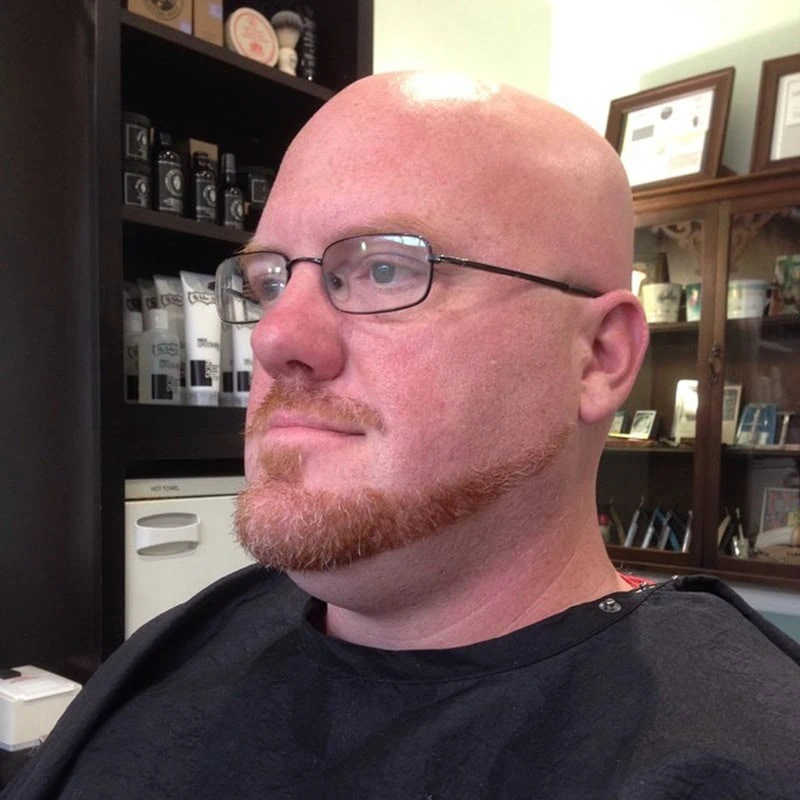
The anchor beard is for men who like a beard with a bit of graphic design to it. That traced outline is what gives it its carved effect.
Maintenance Level: High
Growth Time Required: 2 to 5 weeks
Best For: Defined mustache growth, slimmer or medium-density beard growth, men who like more stylized grooming
Why it works
An anchor beard doesn’t rely on mass. It relies on outline. So instead of making the face look bigger, it sketches in a faux jaw and a narrower chin.
What this style actually is
A mustache, a soul patch or chin center section, and a narrow beard line that traces downward into an anchor-like point. Clean cheeks are part of the appeal.
Who should wear it
This looks best on round faces that need more outline, and on oval faces that can carry something more stylized. If your cheek growth is unreliable but your mustache and chin come in well, the anchor can be surprisingly flattering.
Common variations
The main versions are the classic anchor, the softer short anchor, and mustache-forward versions where the mustache plays a bigger visual role and the lower beard stays more sculpted than full.
What’s trending on TikTok and Instagram
The current anchor beard looks cleaner and shorter than the old-school version. Sharper mustaches and tighter lines make it feel modern instead of theatrical.
Maintenance commitment
High. This one lives or dies by detail. If you don’t keep the lines fresh, the shape disappears almost overnight.
Common mistakes
Too much cheek growth. Too much width at the chin. A weak mustache. Or worse, turning it into a thin chinstrap hybrid that ends up emphasizing roundness instead of correcting it.
Give me an anchor beard with a clean mustache and a narrow pointed chin shape. Keep everything tight and sharp. No extra bulk on the cheeks.
What to tell your barber
3 Beard Styles Men with Round Faces Must Avoid
Not every beard trend is your friend. Some of them are basically little optical traps.
Mutton Chops
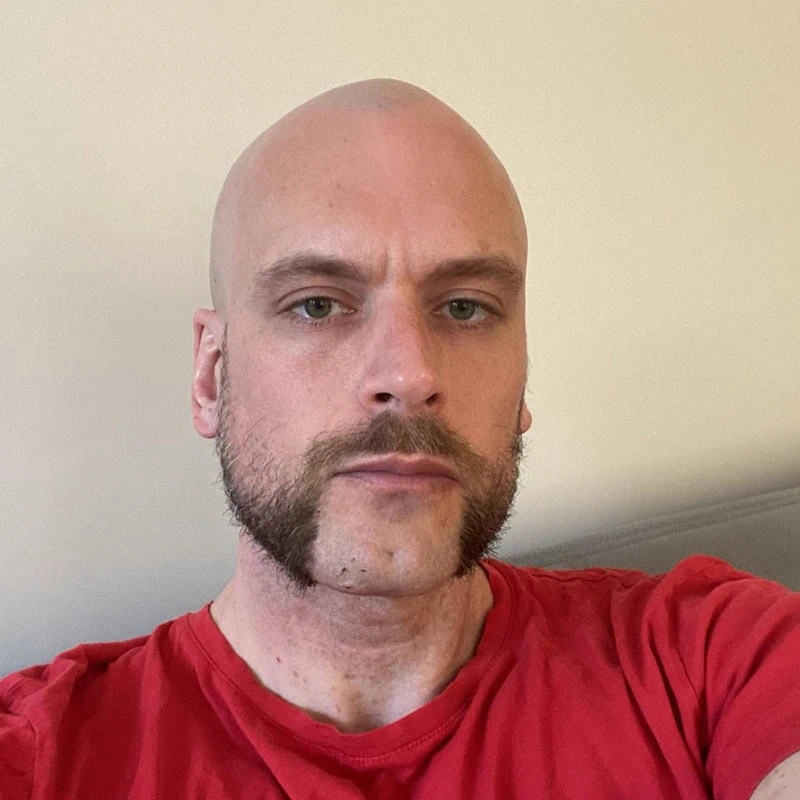
Mutton chops load a ton of visual weight onto the sides of the face.
Why it fails: It adds horizontal width exactly where a round face already has enough of it. Instead of carving the face in, it stretches it outward.
The Garibaldi Beard
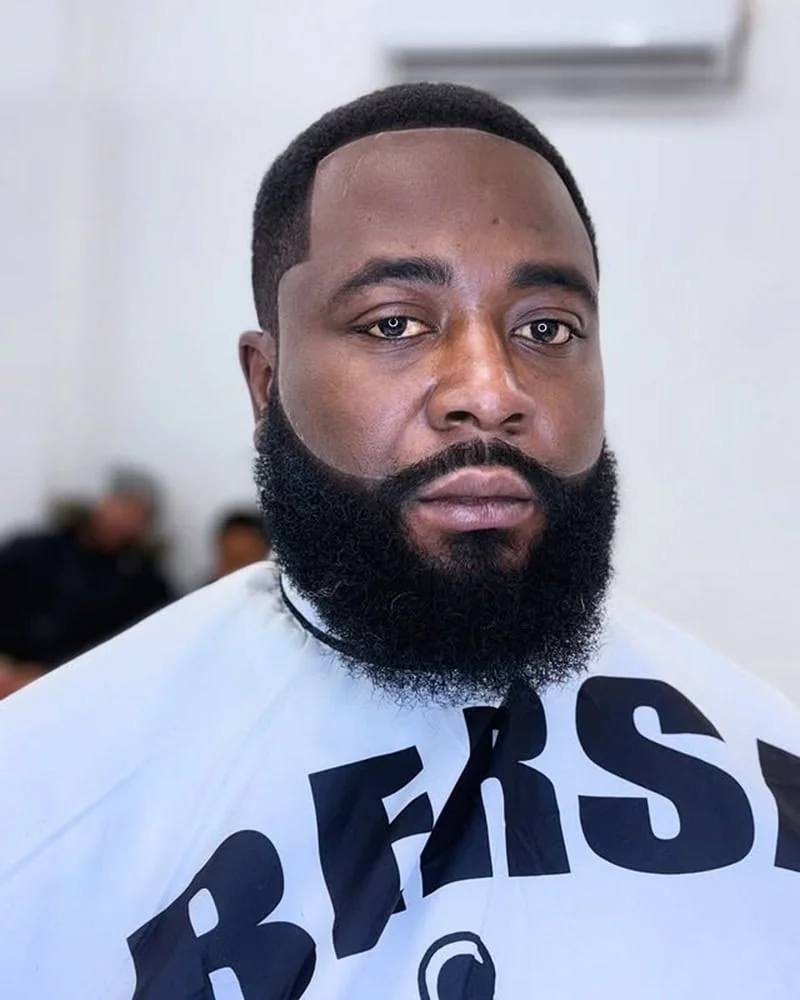
This is the classic basketball effect. Big rounded beard. Big rounded face. Very little structure.
Why it fails: Unless a round-faced guy aggressively tapers it and trims the sides, it tends to widen rather than sharpen.
The Chinstrap
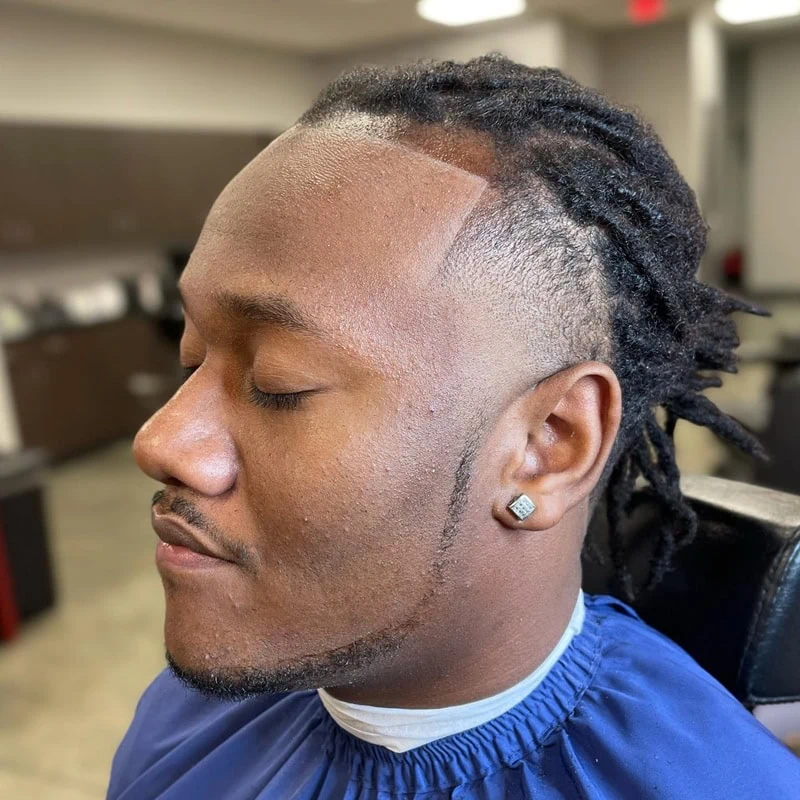
A chinstrap sounds like it would define the jaw, but on a round face it’s risky.
Why it fails: It acts like a marker outlining the lower face. On a round face, that often means it traces the very softness you’re trying to disguise.
Master Barber Tips: Grooming Your Angles at Home
The Diagonal Cheek Line
This is the part guys skip, then wonder why the beard still looks soft. On a round face, a natural curved cheek line usually just echoes the curve of the face. A steeper, straighter cheek line does the opposite.
So don’t round the cheek line off like a crescent. Take it on a cleaner diagonal from the sideburn area toward the mustache zone. That one change can make the whole beard look more intentional.
The Neckline Rule
Most round-faced men trim the neckline too high. They think they’re drawing a jaw. Usually they’re just exposing softness under the chin.
Set the line low enough that the beard still creates a shadow under the face. That shadow is part of the sculpting.
Balm Beats Oil When Width Is the Problem
Beard oil is excellent for conditioning and softening. Beard balm, though, gives you more control. If your beard tends to fluff outward by midday, balm is usually the better choice for keeping the sides flatter.
A boar bristle brush helps too. It distributes product better and trains the beard downward instead of outward.
Final Take
A round face doesn’t need more beard. It needs better beard architecture. The most flattering shapes all do some version of the same thing: they reduce cheek width, add direction at the chin, and bring in a little more edge.
Keep the sides tight. Keep the lines sharp. Don’t let the beard puff out like it pays rent on your cheeks. And if you’re stuck between two styles, go with the one that puts more visual weight at the chin, not the one that makes your face look wider by lunch.
Round Face Questions, Answered
What beard style suits a round face best?
Shapes that move weight downward: the ducktail, the short boxed beard, and a full beard with faded sides. Fuller chin, tighter cheeks, sharper lines.
How do I know if my face is actually round?
Width and length are close to equal, the cheekbones are the widest point, the jaw looks soft, and the chin reads short. If a clean shave makes your face look wider, that is another clue.
What should a round face avoid?
Cheek bulk. A beard that balloons at the sides adds width where you already have plenty. Keep the sides tight and put the extra length at the chin.
The Beard Style Verdict
Forget growing more beard; grow a smarter shape. Keep the cheeks short, let the chin carry the length, and the beard hands you the jawline your bone structure skipped.