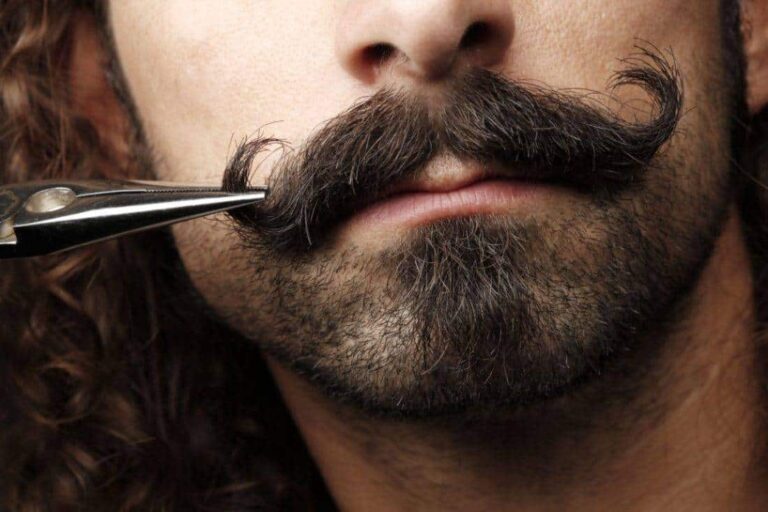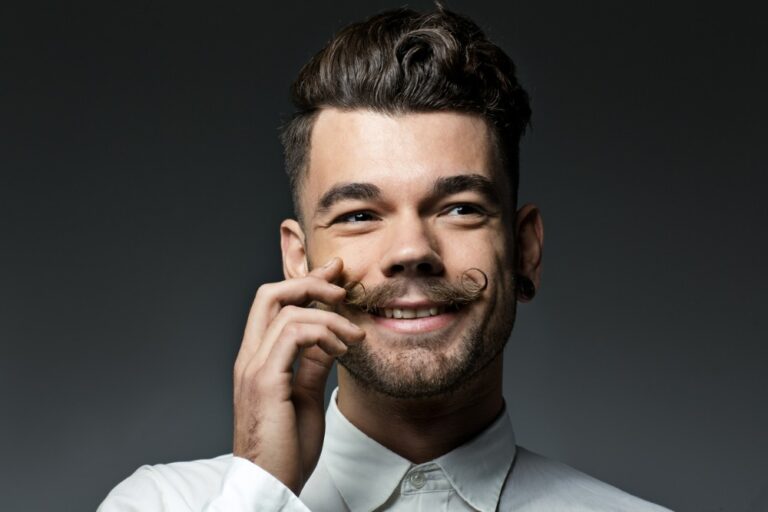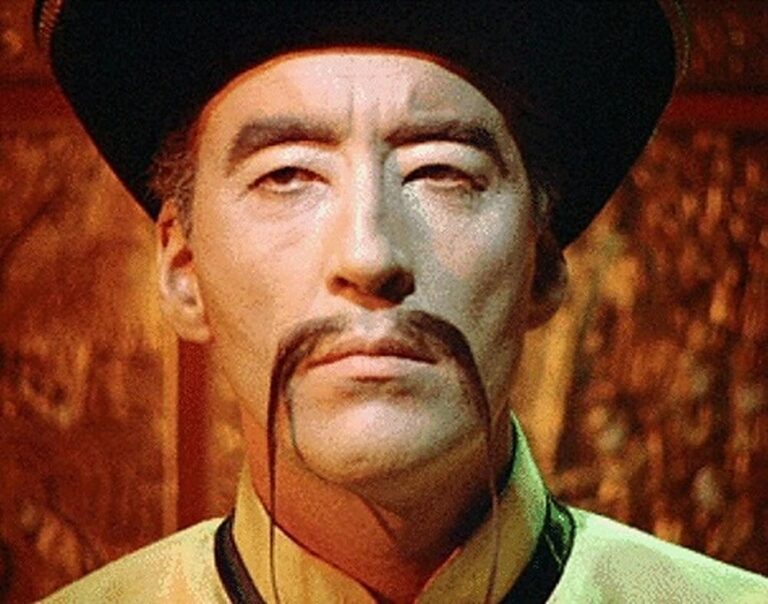

There is no single, clear definition of the Mexican mustache. However, many people picture it as long, full, and bushy. To some, it looks more like a handlebar, while others associate it with a horseshoe or walrus style.
In general, the Mexican mustache is fuller across the upper lip, and the ends may extend downward toward the corners of the mouth. The bushier the mustache is, the closer it fits that popular image.
Such full mustaches look very impressive, but they can be hard to maintain and sometimes uncomfortable to wear. That is why modern men have come up with variations of this facial hairstyle by keeping it a bit shorter.
These ideas range from bushy, curled mustaches to shorter everyday versions, so choose the amount of fullness and shaping that suits you.
When you decide to grow a Mexican mustache, think about the length of your facial hair. It may take several weeks to grow enough length for a fuller mustache. Do not be afraid if it looks a little untidy during that period; it is a necessary sacrifice for an impressive mustache.
Start brushing your facial hair as soon as it gets a little longer, training it in the direction you want to style it. Regular brushing is important if you want your Mexican mustache to look its best. Make friends with a precision trimmer; you will need it to keep the mustache shaped and neat.
From curled handlebar tips to thick lampshade cuts, the styles below cover every variation worth knowing about.
01 of 13Curled-Tip Handlebar with Waxed Points

This is a proper showstopper. A long, sweeping handlebar sits just above the top lip and fans out confidently to each side, with the ends twisted and waxed into sharp, upward-curling points. The rest of the face is completely clean-shaven, which puts every bit of attention exactly where it belongs: on that mustache.
Growing this style takes patience. Plan for at least two to three months of solid growth before you have enough length to work with. During that time, don’t trim the sides.
Once you have the length, use a fine-tooth mustache comb to train the hair outward daily. A small amount of firm mustache wax applied to the tips and twisted between your fingers will hold those curls in place all day. Touch up the upper border with a precision trimmer every week or so to keep the lip line clean and intentional.
02 of 13Small Swept Mustache with Soul Patch

Smaller and more refined than the full handlebar, this mustache sits neatly above the top lip and sweeps out toward the corners of the mouth. The ends taper to soft points rather than dramatic curls, giving it a distinguished, old-world quality.
It is paired with a compact soul patch directly below the lower lip, which adds just enough edge to keep it from feeling too formal.
To nail this look, keep the mustache trimmed to a medium length long enough to show shape, short enough that it never droops over the lip. Use a small pair of scissors or a detail trimmer to refine the outer edges into those gentle points.
The soul patch should be kept tight and rectangular, shaved clean on all sides. Together, the two elements create a cohesive look that works just as well with a fedora as it does with a blazer.
03 of 13Thin Natural Pencil Mustache

Paired with dark hair and strong brows, this thin pencil mustache sits high on the upper lip with a slightly sparse, natural texture. No dramatic shaping, no wax. Just a clean, understated strip of hair that lets the face do the talking. The rest of the skin is shaved clean, which keeps the overall look sharp rather than scruffy.
The key to this style is restraint. A short guard controls the length of the hairs; a detail trimmer defines the narrow band above the lip. Start conservatively so you do not remove more fullness than intended.
Shave a clean, precise line along the bottom edge using a razor or detail trimmer, and let the top edge remain slightly natural. It should look natural, not drawn on. This is a great option for men whose mustache growth is naturally on the lighter side, since the pencil style actually benefits from a bit of sparseness.
04 of 13Gray Lampshade Mustache

This is the lampshade mustache at its most distinguished: thick, evenly shaped, and groomed to a clean stop just above the lips. The gray-white color gives it a natural authority that darker mustaches simply cannot replicate.
It is broad across the center, tapers slightly toward the corners, and carries the kind of quiet confidence that only comes with age and good grooming habits.
Achieving this shape means trimming the bottom edge into a gentle arc that follows the curve of the upper lip without touching it. A mustache comb and a pair of sharp scissors are your best tools here. Comb the hair downward, then snip along the bottom line in small, careful increments. The sides should be trimmed to mirror each other symmetrically. Let the natural gray grow in rather than dyeing it; on this style, the silver tones are genuinely part of the appeal.
05 of 13Salt-and-Pepper Drooping Chevron Mustache

This one is thick, full, and unashamedly bold. A wide, drooping chevron mustache where the dark hairs are visibly threaded with white, giving it a salt-and-pepper texture that looks lived-in and authentic.
It extends well past the corners of the mouth on both sides, and while the overall shape is a little scraggly, it is clearly trimmed so the hair stays clear of the lips.
Growing this style means committing to at least three months of growth without touching the sides. Once the length is there, use scissors to trim the bottom edge so it sits just above the upper lip, close enough to look intentional, not so close that it loses its volume.
Comb it daily to keep the hairs lying flat and in the same direction. The mixed color is completely natural, so skip the dye and let it do its thing. This is a mustache that earns its character over time.
06 of 13Curled Handlebar with Soul Patch and Chin Beard

The handlebar is one of the most recognizable mustache styles out there, and this version leans into it fully. The mustache flicks out wide on each side, with the ends curled upward and pinched into sharp points.
Below it, a soul patch leads into a light chin beard, with short growth continuing along the lower jaw. That softer beard gives the shaped mustache a relaxed background, while the upper cheeks remain relatively clear.
This is a two-part grooming project. For the mustache, grow it out for at least two months, then use a firm wax to shape and curl the ends upward; twist them between your fingers daily to train the curl.
For the chin section, keep the soul patch and chin beard trimmed to a consistent short length with a detail trimmer, maintaining clean edges on all sides. The contrast between the sculpted mustache and the softer chin hair is exactly what gives this look its personality.
07 of 13Short Mustache and Circle Beard

A short circle beard gives this mustache a compact frame around the mouth. Unlike a chin strap, the strongest outline here surrounds the lips and chin rather than following the jaw from ear to ear. The mustache stays close to the upper lip and connects at the corners.
The chin section is fuller than the hair above the lip, giving the beard a clear lower edge. A small patch beneath the lower lip helps fill the center without making the entire lower face look heavy.
To shape it, establish the connected outline around the mouth first, then trim the chin and mustache to a comfortable short length. A detail trimmer is useful for tidying the outside edges; leave enough width at the corners to keep the ring connected.
Keep the upper cheeks tidy and check both sides in the mirror as you work. The mustache needs only a careful lip-line trim, while the rounded chin edge gives this version its neat finish.
08 of 13Short Natural Chevron Mustache

This short mustache follows the upper lip in a soft chevron shape, with the ends falling slightly lower than the center. It is a natural, modest outline rather than a sharply cut lampshade, and the bare cheeks let that small amount of facial hair stand out.
It’s a small deviation from the standard shape, but it changes the whole character of the look, making it feel a little more expressive and a little less buttoned-up.
Comb the hairs down before tidying the lower edge, following the curve of the upper lip instead of forcing a wide, flat rectangle. Trim only the longer strays at the corners so the mustache keeps its natural taper.
Keep the skin around it clean-shaven to make the shape as readable as possible. It is a subtle variation, but subtle is often where the best grooming decisions live.
09 of 13Neat Silver Chevron Mustache

There is something quietly powerful about a well-maintained chevron on an older man. This one is trimmed straight across the bottom, sits cleanly above the mouth without encroaching on the lips, and extends just slightly past the corners, nothing dramatic, just enough to give the face some structure.
The salt-and-pepper texture adds real character, and the medium density keeps it from looking too heavy or too thin.
Maintaining a chevron like this is genuinely one of the lower-effort mustache routines out there. Trim the bottom edge weekly using a small scissors-over-comb technique or a trimmer with a short guard, keeping the line level and even. The sides need only minimal attention; just clean up any hairs that stray too far past the mouth corners.
No wax, no product, no drama. Comb it downward each morning and you are done. Simple, classic, effective.
10 of 13Short Horseshoe Mustache with Stubble Jawline

This is a compact horseshoe with two vertical bars reaching toward the lower jaw and a clear gap across the chin. The hair is thickest above the lip and gets slightly sparser as it descends, giving it a naturally rugged texture.
A light dusting of stubble along the jawline ties the whole thing together without committing to a full beard.
Think of the horseshoe as a goatee with the chin hair removed. The shape is all in those two vertical strips running down from the mustache corners. Keep the central mustache section full and well-combed, and use a trimmer to define the outer edges of the vertical bars so they stay parallel and intentional.
The stubble on the jaw should be kept at a consistent short length; a one or two guard works well and the cheeks above the horseshoe should be shaved clean to make the shape pop.
11 of 13Tightly Curled Handlebar Mustache

Some modern men prefer a handlebar instead of the classic Mexican style. This version splits the difference nicely. The center is full and bushy like a traditional chevron mustache, but the ends are waxed and curled into tight, upward-pointing spirals that give it that unmistakable handlebar identity. It is a style that rewards commitment; skip the curled ends and you are most of the way back to the classic chevron look.
The center section should be grown out and kept full; don’t trim in bulk. Focus your shaping efforts on the outer thirds of the mustache, combing those sections outward daily to train the hair in the right direction.
Once the ends are long enough to curl, apply a pea-sized amount of firm mustache wax, work it in with your fingertips, and twist the tips upward into a tight coil.
Hold each curl briefly while the wax settles. Consistent combing and styling can make the routine easier, but the tips still need reshaping when the hold wears off.
12 of 13Thick Horseshoe Mustache

This thick horseshoe has a full mustache across the upper lip and two broad strips dropping down beside the mouth. The center of the chin is shaved, which separates the shape from a circle beard and makes the vertical sides easy to see.
The wide strips give this version much more weight than a thin horseshoe. Its strong outline also contrasts with the short hair and clean cheeks in the photo.
Let the mustache and the growth beside the mouth fill in before setting the outline; the time needed varies. Keep the central chin clear, then use a detail trimmer to make the two sides similar in width and length. Trim the lip line separately so you can keep fullness above it without leaving hair in your mouth.
Comb the mustache downward before trimming and check the lower ends from the front. Keeping those ends even matters more to this shape than cutting every part to exactly the same length.
13 of 13Long Silver Horseshoe Mustache

The long silver strips beside the mouth make this a horseshoe, with the central chin left bare. A walrus mustache gets its droop from long mustache hairs; here, the vertical extensions include hair growing beside the mouth. That distinction matters when shaping the outline, even though both styles can look full and imposing.
Grow the mustache and both side strips together, leaving enough length to work with before refining the ends. Comb downward to reveal uneven hairs, then trim gradually. The broad upper section and longer sides create the silhouette, so avoid thinning the mustache too much while you tidy.
Use a precision trimmer to keep the chin clear between the strips and to define their outer edges. Aim for a similar length on both sides rather than a perfectly rigid shape. The silver color gives this version a softer finish, while the clean central gap keeps the horseshoe recognizable.
Mexican-style mustaches can be genuinely fun to grow and wear. Most of them require serious daily maintenance, but the impression they make is striking enough that many men find the effort completely worthwhile. Try one of these styles and see which one fits your face and your personality best.