
A patchy beard can be shaped around the areas that grow most strongly. Start by comparing your cheeks, jaw, chin, and mustache rather than choosing a photograph only for its finished length.
These 21 examples include options for lighter beard growth as well as fuller shapes that need more coverage. Choose by where your hair grows, not just by the finished photo.
Find what suits you: browse all beard styles, mustache styles, or the trimming guide.
Choose a style that suits your beard
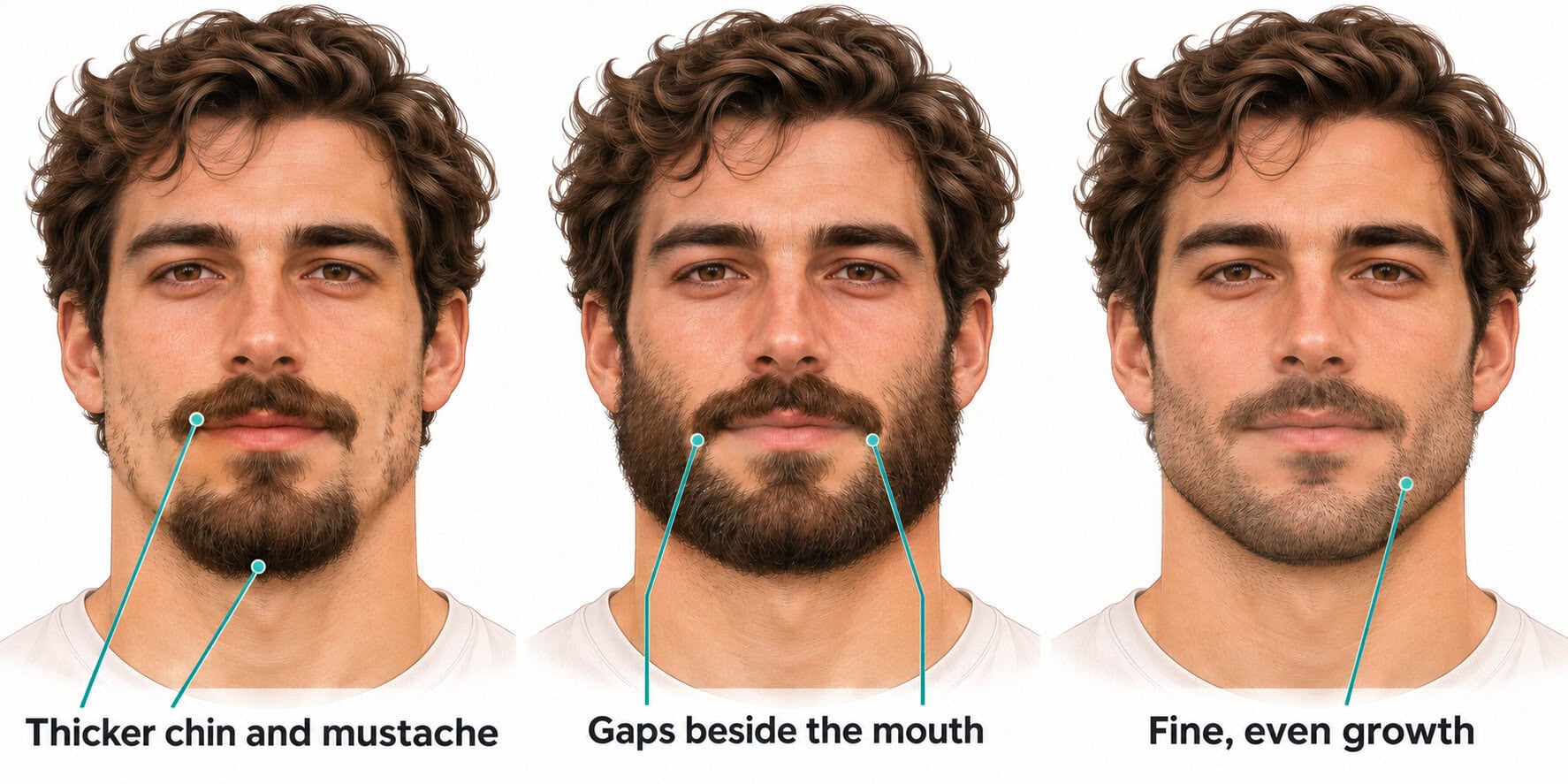
If your beard is thickest at the chin and mustache, start with the goatee styles. If your cheeks fill in well, you have more full-beard options.
Your mustache doesn’t have to join your beard. Choose a style with a gap at each corner of the mouth if that’s how yours grows. A circle beard needs hair in those corners to connect.
For small patches, try a short beard or leave a little extra length. Longer hairs may cover some gaps, but they won’t hide every bare spot.
Look for a photo with a similar growth pattern to yours. It’ll give you a better idea of how the style might look.
Thin Chin Strap

If your cheeks are sparse but hair grows along the jaw, a thin chin strap can work with that pattern. Keep the cheeks bare while leaving the hair on the chin and along the jawline. Use a trimmer to tidy the edges. It needs enough growth along the jaw to form the strap; it cannot hide large gaps in that strip.
02 of 21Chin Strap with a Connected Goatee

Another chin strap to consider is this goatee combo. It keeps the cheeks clear while leaving more hair around the mouth and chin. Choose it if your jawline growth can join the goatee, then keep the strap narrower than the chin section.
03 of 21Chin Beard Only

This goatee features a beard on the chin and beneath the lip, with the cheeks and upper lip clean. If your chin grows more strongly than the rest of your beard, keep that section and shave around it. Then shape the chin beard to your preference.
04 of 21Full Beard with a Natural Outline

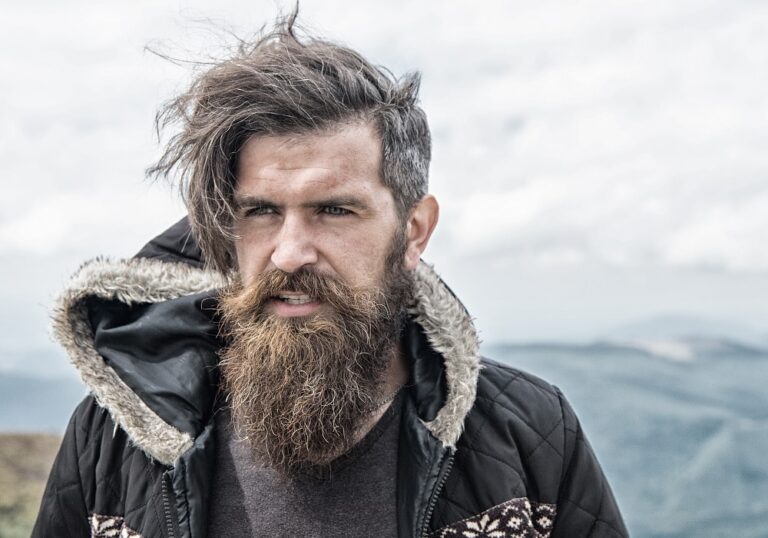
Long hair and a long uneven beard can be worn with a softer outline. The photo shows a fairly full beard, so this is an option for men who already have substantial coverage, not an example of severe patchiness disappearing. Keep the perimeter tidy while leaving the natural texture intact.
05 of 21Long Beard with Lighter Ends

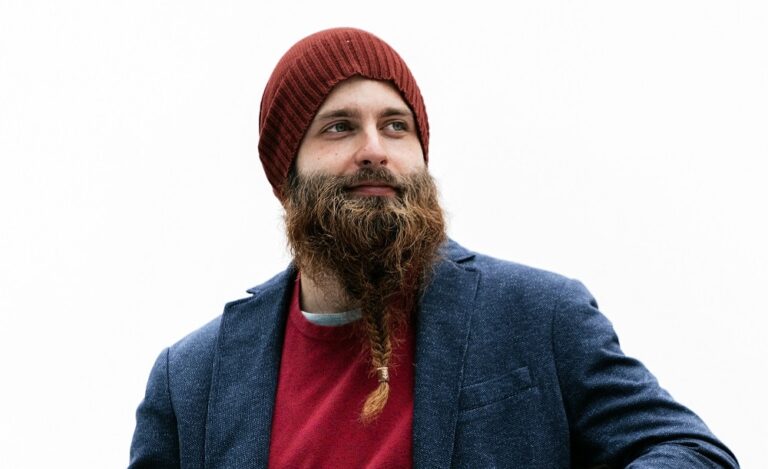
This longer beard has lighter ends and darker growth nearer the face. Color contrast is different from missing hair: the photo shows substantial coverage. Consider this shape only if you already grow a fuller beard, and judge actual gaps at the skin rather than treating pale hair as a bald patch.
06 of 21Wide Chin Strap

Here is a wider chin strap for growth concentrated along the jaw and chin. Keep the cheeks closely shaved while retaining a broader strip at the jaw. Tidy its outline to follow your own growth pattern, without shaving away the sections that connect it.
07 of 21Thick Chin Strap with a Full Goatee

This chinstrap option features a full goatee which is perfect for men who are able to achieve this level of hair growth. To achieve this style, shave the cheeks clean, leaving the goatee and hair along the jawline intact. Trim the outline of your beard using a trimmer to mimic the natural shape of the jawline.
08 of 21Mustache and Chin Beard with Sparse Connectors

This combination keeps the mustache and chin beard distinct where the connectors are sparse. Leave a little facial hair on the cheeks if you like the softer finish, then trim the mustache and chin to a deliberate shape. It works best when those two areas grow more strongly than the spaces between them.
09 of 21Gray Goatee with Clean Cheeks

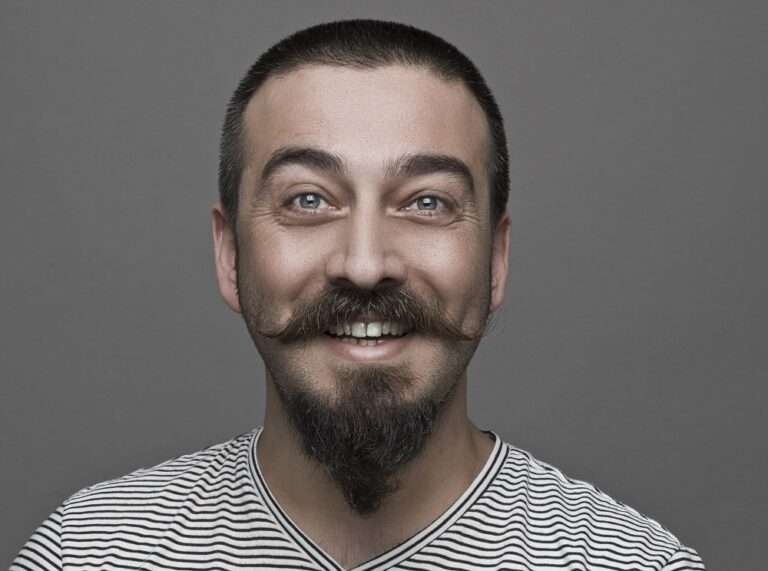
A gray mustache and longer chin beard put the emphasis around the mouth while the cheeks stay clean. Choose this if your mustache and chin have enough coverage to carry the shape. The pointed chin is longer than stubble, so keep that extra length when tidying the sides.
10 of 21Short Beard with Lighter Cheeks

A short beard can keep lighter cheek coverage visible while concentrating fullness around the chin. Trim gradually and leave enough chin growth to keep the outline balanced.
11 of 21Mustache with Light Jaw Stubble

A thin mustache with light jaw stubble keeps the face relatively open. If your chin grows more strongly, you can sport a goatee; otherwise, keep the mustache with this style and trim the remaining stubble evenly. Follow the coverage you actually have rather than carving an artificial cheekbone line.
12 of 21Mustache and Short Chin Beard

A mustache and short chin beard draw attention toward the center of the face while lighter cheek growth stays visible. Keep those central sections tidy, allowing the gaps between them to remain. There is no need to grow the cheeks longer just to connect every part.
13 of 21Defined Jawline Beard

A defined cheek line and jaw outline give this short beard a deliberate shape. If you have enough jawline coverage, tidy the perimeter and keep the length consistent to maintain the outline.
14 of 21Short Beard with a Natural Cheek Line

This patchy beard has been trimmed moderately short in order to accentuate its slightly patchy nature. The outline of the beard is left to grow as it naturally does, giving it a very carefree look while still maintaining a sense of professionalism.
15 of 21Fuller Beard with Uneven Cheek Coverage

This fuller beard still shows uneven coverage higher on the cheeks. It is an option when the chin and lower cheeks grow strongly enough to support extra length. Keep the outline tidy, but do not expect longer hair to cover every gap.
16 of 21Short Stubble Beard

This manly style treads the fine line between a clean-shaven face and a short beard. Stubble like this shows that spending hours grooming yourself is not your “thing”. This is a style without “styling”.
17 of 21Full Beard with Trimmed Edges

The photo shows a full beard being groomed, with substantial coverage along the jaw. Choose this shape only if your growth can support it, and maintain the edges without cutting the fuller areas too close.
18 of 21Light Stubble

A light stubble finish keeps the contrast between denser and thinner areas subtle. The pictured growth is darker around the mouth and chin. Use a short trimmer setting that suits your skin and check the result in daylight before shortening it further.
19 of 21Short Beard with Fuller Chin Coverage

This short beard has more fullness through the chin than the cheeks. Leave that difference visible while tidying the lower edge and mustache. It can suit lighter cheek growth without requiring a completely connected beard.
20 of 21Disconnected Goatee with Sparse Cheeks

A separate mustache, soul patch, and chin beard can make sparse cheeks part of a deliberate style. Keep the central sections shaped and trim stray cheek hairs if you prefer a cleaner finish. The gaps between the mustache and chin do not need to be filled in.
21 of 21Natural Beard with Visible Cheek Gaps

This natural beard leaves visible gaps on the cheeks while keeping more growth around the mouth and chin. Tidy the neck and any ends that fall outside your chosen outline. The aim is a maintained shape with visible patchiness, not a promise that the gaps will disappear.
What Does a Patchy Beard Look Like?

Even full grown, a patchy beard has thin or hairless patches and the growing pattern may be uneven. No shame in it, either, gents. Many great men have patchy beards and it doesn’t mean a damn thing.
Think about this: Keanu Reeves’ beard is patchy, but he’s still The One. The late, great Heath Ledger had a scruffy, uneven beard, but he still rocked the hell out of the Joker and Brokeback Mountain, let’s be for real.
What Causes A Patchy Beard?
A longstanding uneven growth pattern can be normal, but a newly appearing bald patch is different from a beard that has always grown sparsely. If patches appear suddenly, spread, or come with irritated skin, ask a dermatologist to assess the cause rather than assuming it is genetics.
How to Shape a Patchy Beard?
This is going to depend on how severe your patchy beard is.
One thing to remember is that every man’s beard is different. While some men have lots of patches, other men have full beards that don’t seem to have a patchy area. That’s OK. You can still rock your beard.
The more severe your patchy beard is, the fewer ways you’ll be able to deal with it. If there are extreme bald patches all over your face that don’t seem to grow at all regardless of how long or short your hair gets, you might have to stick with a mustache or a goatee-style beard.
On the other hand, if you have a single small patch on one side of your beard, you might be able to grow the beard around that bald patch and use it to help cover that patchy area.
Remember that your beard also changes over time, especially if you are a younger man just starting your beard growing journey. Don’t get discouraged if your beard isn’t where you want it right now. Those patches could very well grow hair over time and as you get older.
Does Shaving Fix Patchy Beard?
No, it does not. But, unfortunately, shaving to fix a patchy beard is a myth that men with patchy beards want to believe. Shaving neither helps nor hurts the follicles, which sit below the skin, so the same patchy pattern simply grows back every time.

For a stable growth pattern, start by choosing a shape that suits your strongest areas. If the pattern has changed or you are losing hair, seek an assessment before trying treatments advertised to fill the gaps.
There are two major issues when dealing with patchy beard growth: genetics and health.
If you suspect a medicine is contributing to hair loss, speak with the clinician who prescribed it. Do not stop or replace it on your own. The American Academy of Dermatology advises discussing suspected medication-related hair loss with the prescribing doctor. The cause determines what treatment, if any, is appropriate.
Finally, instead of shaving to fix a patchy beard, make sure you’re eating right, getting enough sleep, and drinking the right amount of water.
These habits support general health, but they do not guarantee that naturally sparse areas will grow a full beard.
Patchy Beard Fix: What to Do
Work with your existing coverage. For thin cheeks with stronger chin growth, consider a goatee or a short beard with lighter sides. A chin strap needs a usable strip along the jaw. If the connectors beside your mouth are weak, keep the mustache and chin separate. Try different lengths before deciding whether a shorter or fuller shape suits you.
Interesting Facts About Patchy Beard
- Work with Your Pattern – A beard that has always grown unevenly can be styled around its stronger areas. Do not assume that a newly appearing patch has the same cause.
- Compare Lengths – Let the growth settle before choosing a shape. More length can soften some small gaps, but it can also make sparse areas more noticeable.
- Beard Oil Is Your Friend – not only does beard oil make your beard softer and more manageable, but it can also create the illusion of fullness. In addition, it can help you to create a variety of patchy beard styles, even styles you didn’t think were possible.
- Coverage Varies – Density differs between people and across the face. Length changes the outline, but it cannot guarantee an unbroken beard.
- Patterns Can Change – Beard coverage may change as you mature, but waiting does not guarantee that every gap will fill.
How to Deal With Patchy Beards
For a stable uneven growth pattern, styling can make the beard feel more deliberate. Keep it short, emphasize the stronger areas, or try enough length to see whether neighboring hair softens a small gap. New or changing hair loss needs assessment rather than a styling workaround.
- Take more rest and less stress; both are important for a healthy beard.
- Hair is mostly protein, so a balanced diet with enough protein supports normal, healthy beard growth.
- Choose Care by Its Purpose – Use grooming products to clean, condition, or style the beard. Do not treat a natural label as evidence that a product will fill a patch.
- Try and take what you have got. Say you can’t grow connectors for the mustache, just grow an epic mustache. If you have a strong goatee growth and you have some patches on the sides then get a killer goatee!

Make a small trim before changing the whole style
Comb the beard into its usual position and take a front photo in even light. Mark the parts you want to keep: perhaps the mustache, the chin, or a strip along the jaw. Trim the longer outer ends first, leaving those stronger areas intact.
Then step back. If the outline looks more balanced, stop there. If you prefer less contrast between thick and thin areas, try a slightly shorter overall length next time. Repeatedly trimming one light patch will not make its coverage match the other side.
Longer neighboring hair may lie over a small gap, but it can also separate and expose the gap when the beard moves. Choose a shape that still looks acceptable without carefully arranging every strand.
Trimming A Patchy Beard
It is sometimes very tricky to handle patchy beards. However, you still have a number of options. For instance, you can keep full beards, goatee beards, mustache or maintain a clean shave. You can also shave mutton chop depending on where you have the patch. All the above styles are still an option.
- Clean your beards with warm water as a way of softening your skin as well as keeping your beards tidy.
- Prepare your shaving apparatus and place them closer.
- You must choose a style that will suit your patches.
- Trim your facial hair depending on the style you choose.
Work with the hair you have. Choose a style that suits your thicker areas, and let natural gaps be part of the look.