
Attractive Beard Styles for Men
A sexy beard can go a long way in uplifting your overall appeal. Men nowadays are coming up with bolder and more impressive beard styles than ever, and there is a massive beard trend around the corner waiting to appear. If you doubt how much difference it makes, here are 10 reasons why women like beards.
Beards come in many sizes, shapes, and styles, so there is at least one perfect beard for every man out there. This season, go all out with stylish new fashion trends and beard styles. Here are the top 37 attractive beard styles we love. Pick one according to your facial structure and how you want to present yourself.
1. Red Short Boxed Beard
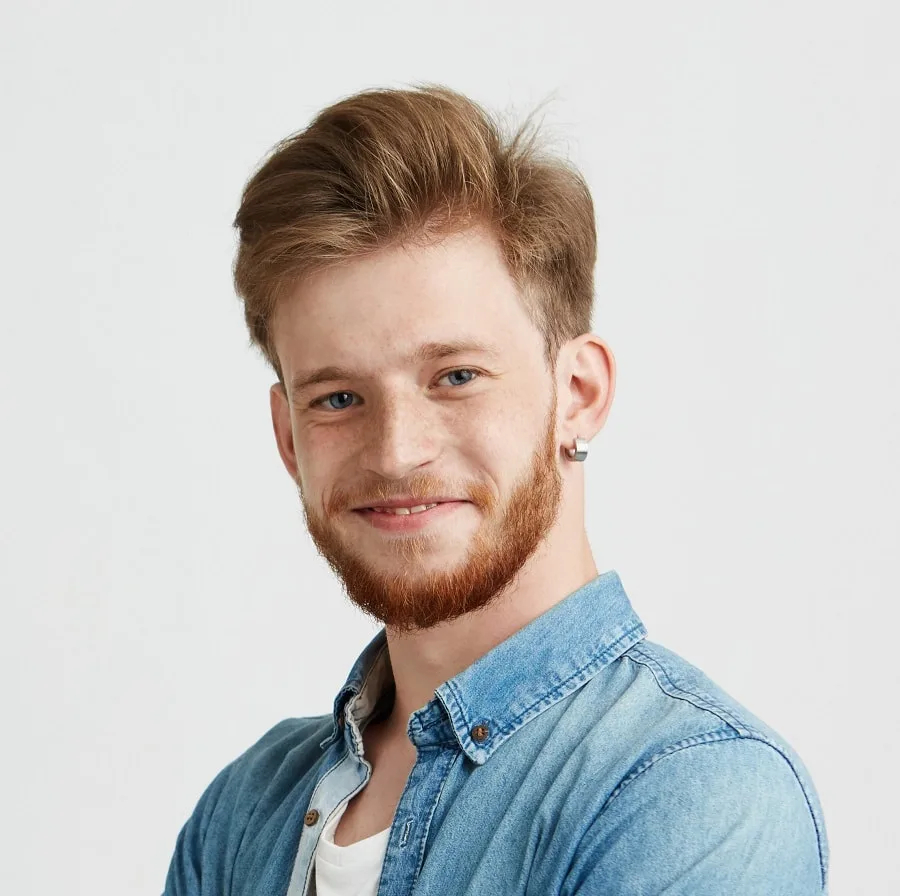
If you want a beard that looks put-together without demanding much chair time, a short boxed beard is your answer. The squared perimeter sits tight along the cheeks and jaw, keeping everything compact and clean. On red or auburn hair, the warm pigment does all the heavy lifting for you.
A quick line-up every week or two is genuinely all the maintenance this one needs.
2. Goatee with Light Stubble Surround
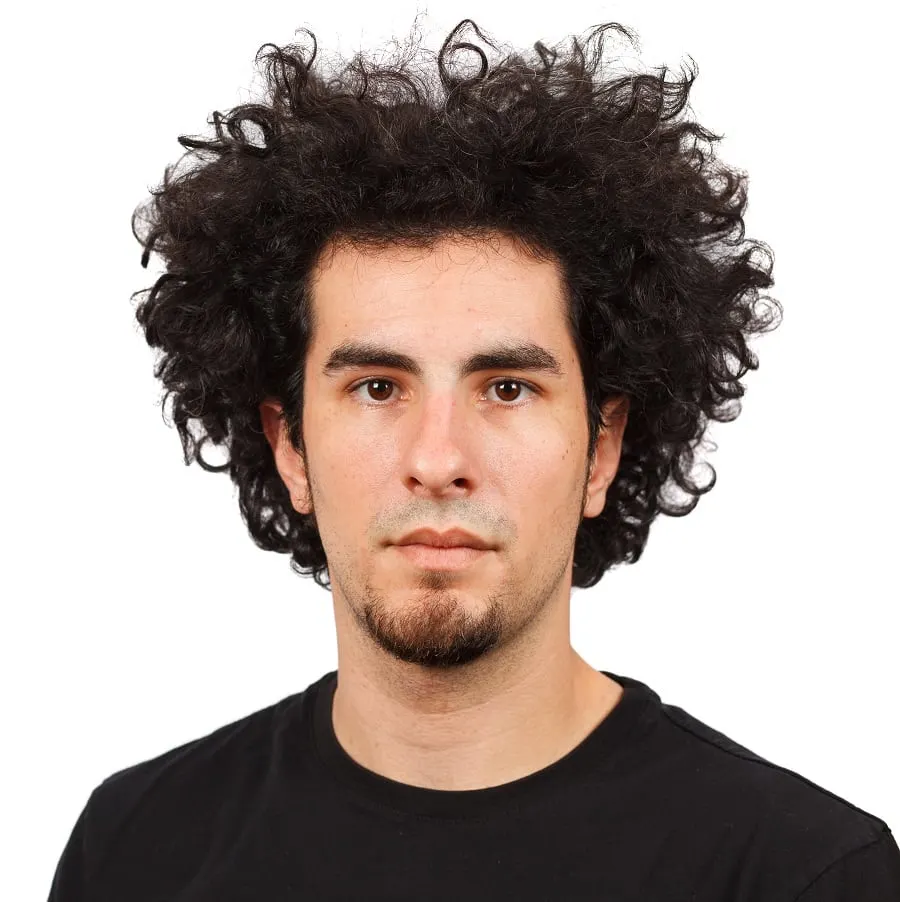
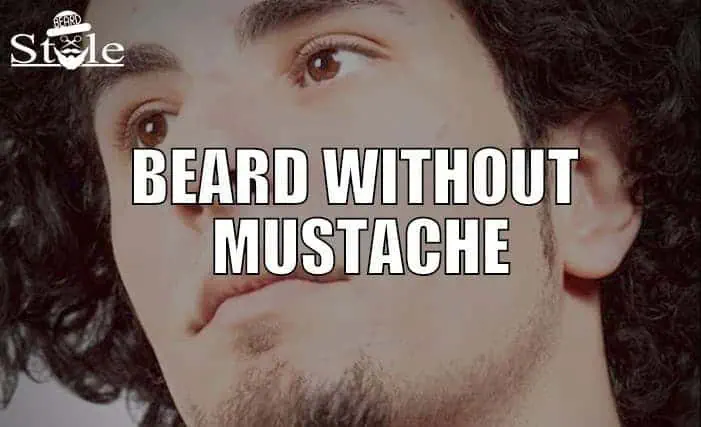
Dropping the mustache entirely forces all the visual weight straight down to the chin, which does a solid job of elongating a rounder face. Support the chin beard with a layer of light stubble across the cheeks and jaw so the goatee doesn’t float in isolation. Keep the cheek line natural and the neckline carved clean.
The whole thing comes across as effortlessly rugged rather than unfinished.
3. Extended Goatee with Connected Mustache

Rectangular face shapes benefit enormously from an extended goatee because it adds chin projection without widening the sides. Grow past the heavy stubble phase by a few days, let the connectors fill in naturally, and pair with a mustache that sits just above the lip line.
Resist the urge to over-trim those connector gaps. A little natural fullness there is exactly what ties the whole shape together.
4. Patchy Heavy Stubble with Carved Cheek Line

Patchy, uneven growth is not the obstacle most guys think it is. Coily, dense beard hair naturally compresses gaps and creates the illusion of fuller coverage, especially when you set a sharp, carved cheek line to frame everything above it.
Pair with a thin, neatly trimmed mustache and let the detailer do the outlining work. The contrast between the clean razor line and the textured stubble below it is what makes this one pop.
5. Thin Chin Strap with Pencil Mustache and Soul Patch
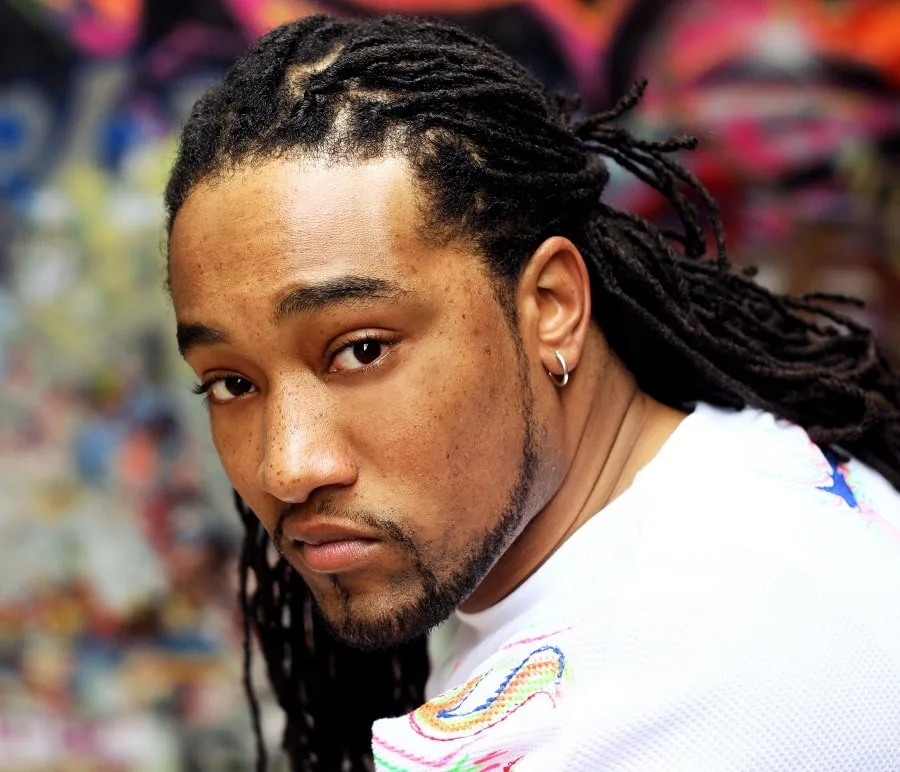
Precision is the entire personality of this look. Every line needs to be razor-sharp and consistent in width from the chin strap up through the pencil mustache, so your detailer’s edge-up game has to be on point.
A thin stripe soul patch below the lip is optional, but when it mirrors the same width as the chin strap, it creates a satisfying symmetry that locks the whole composition together.
6. Pencil Thin Chin Beard with Stripe Soul Patch
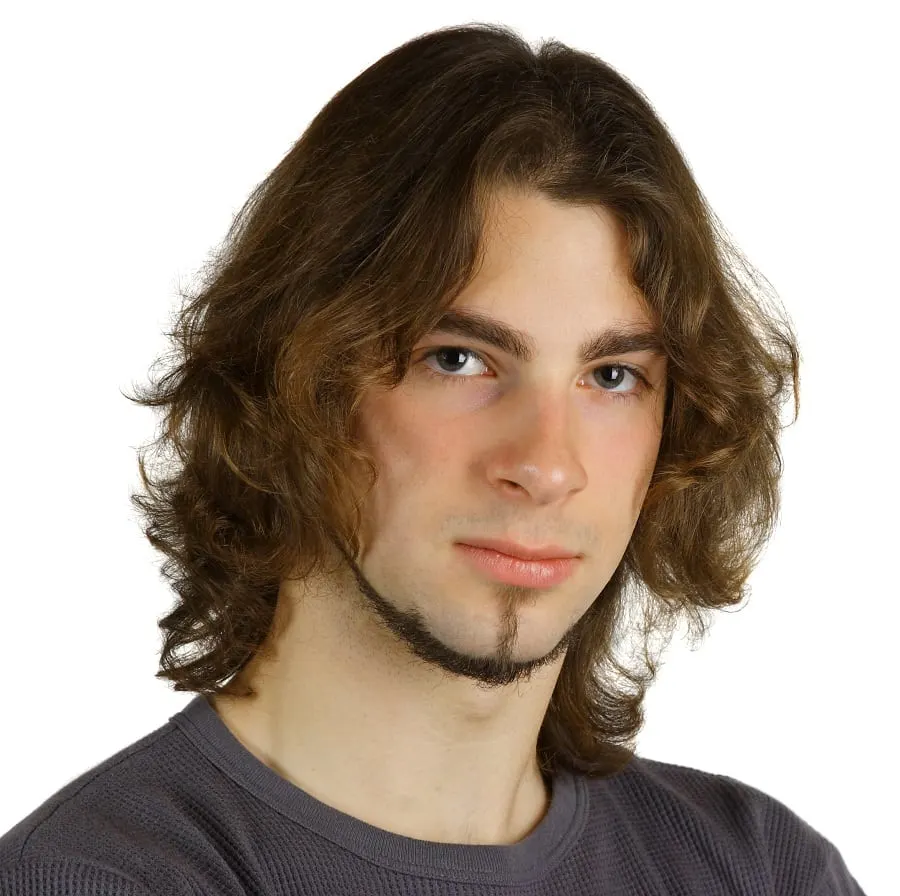
Pull the mustache out of the equation and suddenly the chin becomes the entire focal point. The beard stays pencil-thin along the jaw but allows a touch more bulk to accumulate at the chin point, giving it a subtle anchor shape.
That stripe of soul patch bridging downward from the lip is what makes the outline feel complete rather than sparse. Use a foil shaver to keep the shaved zones glass-smooth between visits.
7. Heavy Stubble Goatee with Long Narrow Sideburns

Oval faces can pull off almost any beard shape, but this heavy stubble goatee with long, narrow sideburns is a particularly strong match for a shaved head. The sideburns run vertically down the face without widening, so they add length and structure without disrupting the clean lines of the scalp.
Keep the goatee trimmed to a consistent guard length and the sideburn edges lined up tight so the whole look stays cohesive.
8. Braided Viking Long Beard

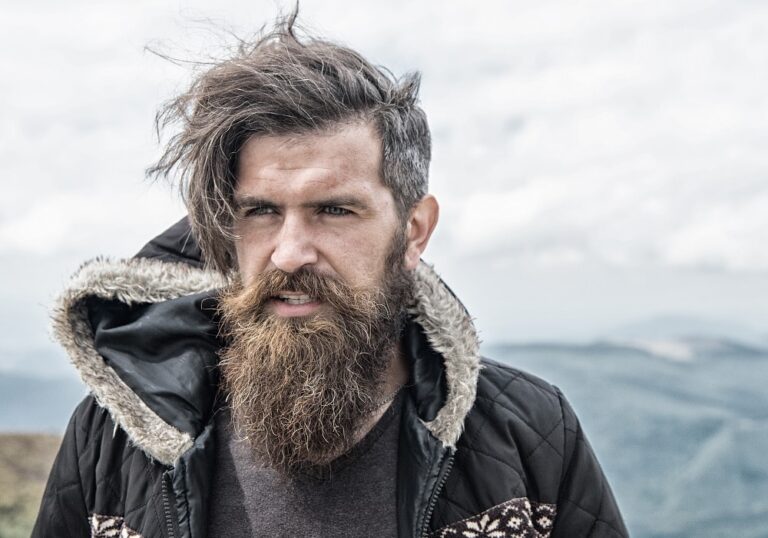
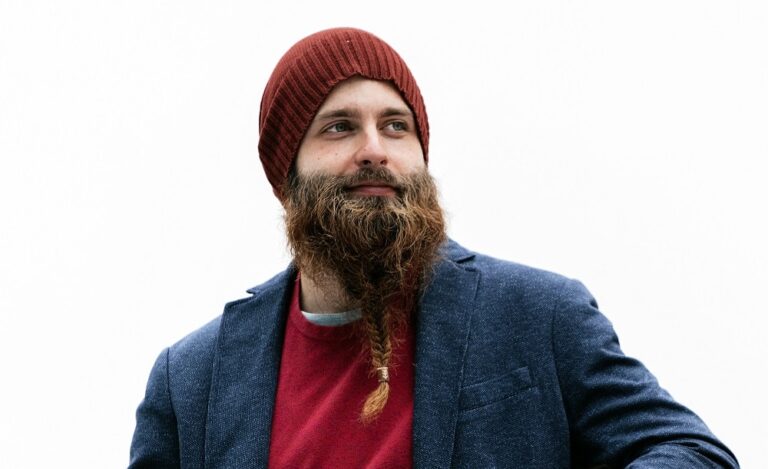
Growing a long beard to its full natural capacity takes commitment, but the payoff is a power beard that commands a room. Set a defined cheek line to give the growth some civilized structure, then let everything below it do its thing.
Braid the lower section to manage bulk and prevent tangling, and trim any stray flyaways with beard scissors to keep the perimeter from looking ragged. Beard oil is non-negotiable at this length; work it through daily to keep the hair conditioned and the skin underneath healthy.
9. Silver Gray Full Beard with Bold Mustache
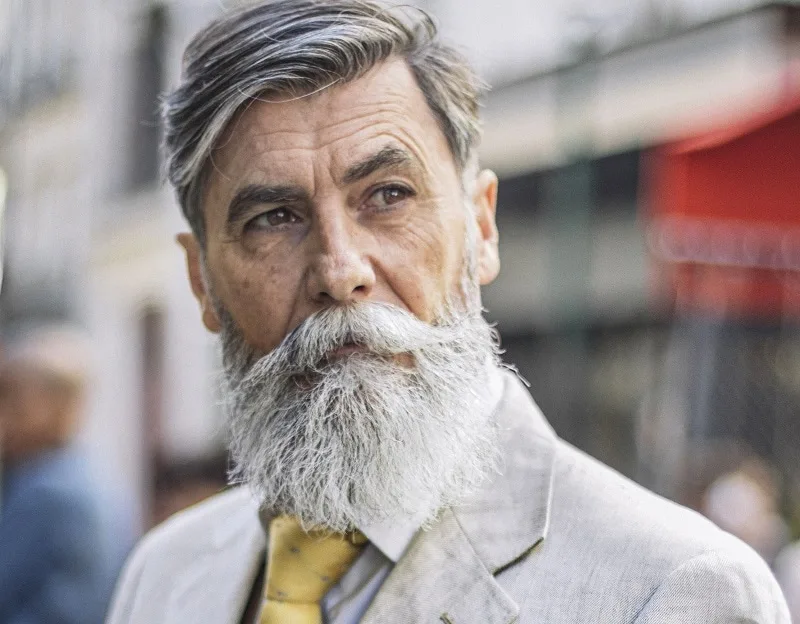
Gray beard hair has a coarser, wiry texture that actually holds shape beautifully when you work with it. Here, the mustache is given serious prominence, pushing this firmly into beardstache territory where the mustache visually outweighs the beard beneath it.
Condition regularly with a quality beard oil to tame dryness and frizz, and apply a small amount of mustache wax to keep those ends sitting exactly where you want them.
10. White Amish Beard with No Mustache
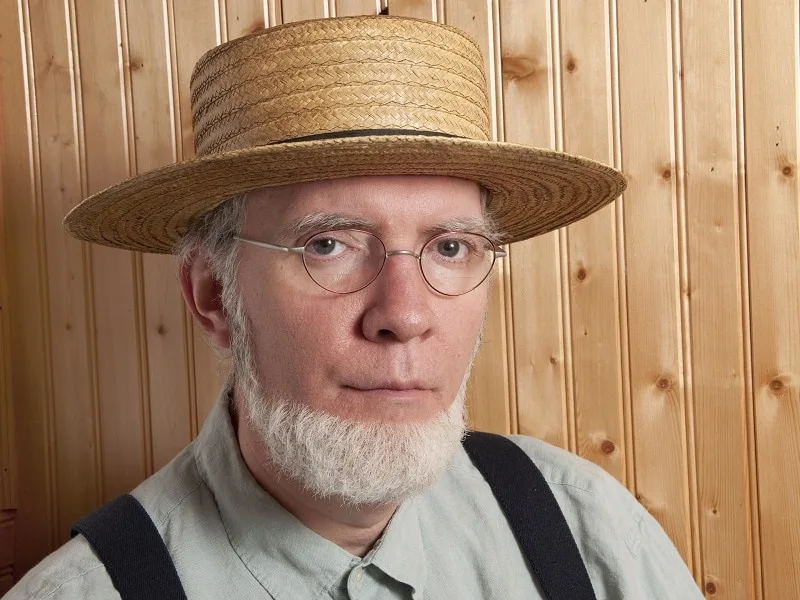
No mustache, no problem. The Amish beard, also known as a Shenandoah, builds all of its presence along the jawline and chin, with the cheek line sitting naturally low on both sides. The sideburns taper shorter as they approach the ear, while the chin beard carries the most length and fullness.
Shape the perimeter along the jaw with a trimmer to keep the outline clean, and use a boar-bristle brush daily to train the growth direction downward.
11. Disconnected Van Dyke for Bald Head
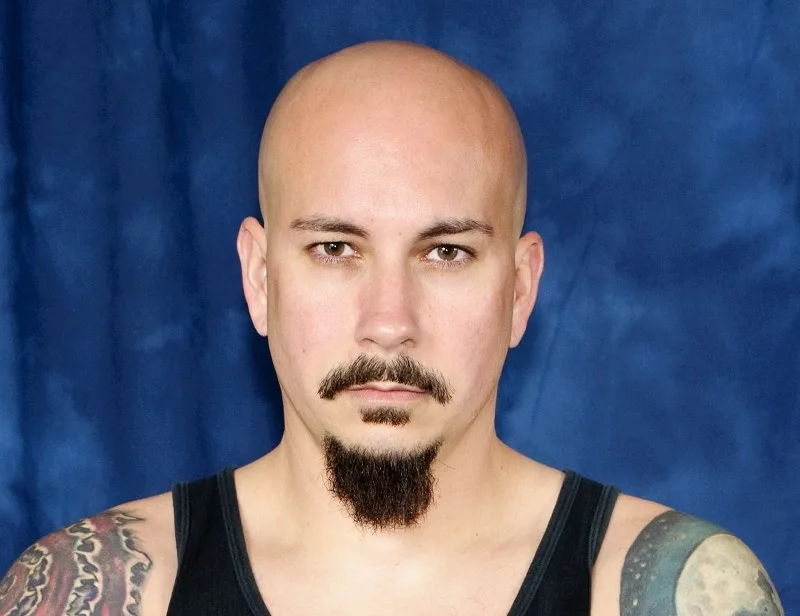
When there is no hair on top, the beard carries the entire job of framing the face, and a disconnected Van Dyke style does that with serious efficiency. The mustache extends past the corners of the mouth while staying neatly trimmed, and a small disconnected soul patch anchors the space below the lip.
Keep the shaved zones between the mustache, soul patch, and goatee razor-clean with a foil shaver to preserve those crisp separations that define the whole look.
12. Hollywoodian with Faded Sideburns

If patchy cheek growth has always been your nemesis, lean into it rather than fight it. Shave the cheeks clean and let a Hollywoodian-style beard run along the jawline, connecting into a fading sideburn that blends seamlessly upward.
The result is a sculpted, deliberate outline that actually looks stronger than a full beard with uneven cheek coverage. Line up the jaw perimeter with a detail trimmer and keep the cheek area smooth with a straight razor for maximum contrast.
13. The Van Dyke Beard

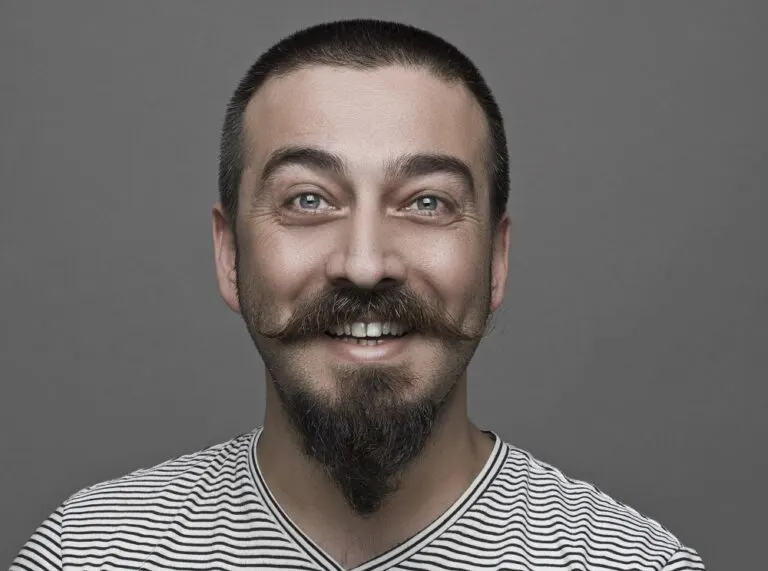
A Van Dyke is a style of facial hair named after the 17th-century Flemish painter Anthony van Dyck. It specifically consists of a mustache and goatee limited to the chin, with all hair on the cheeks and neck cleanly shaved. Even though this style has many different variations, a non-connected mustache and goatee is the defining feature that sets it apart from a full goatee.
A curled mustache paired with a soul patch, like in this picture, is one of the most popular versions of the Van Dyke. If your cheek growth is patchy or uneven, this is genuinely one of the smartest routes to take, since the clean-shaved cheeks eliminate the problem entirely while keeping your look sharp and composed.
14. Mutton Chops with Defined Cheek Line
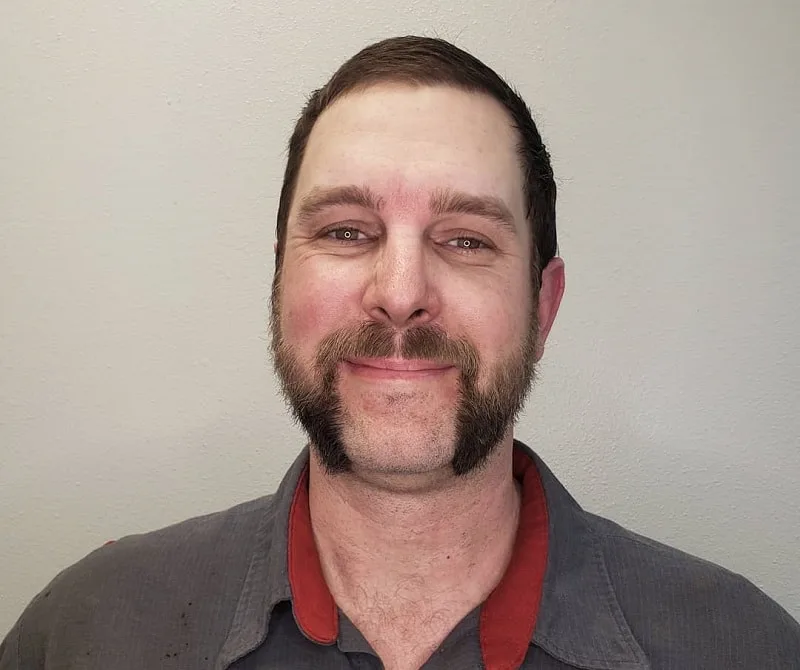
Old-timer beards are making a serious comeback, and mutton chops are leading the charge. The chin and lower lip stay completely clean-shaven, while the sideburns extend the full length of the jaw with a well-defined cheek line holding everything in place. Think of it as a bold frame for your face rather than a beard in the traditional sense.
Pull this off best if your sideburn growth is dense and even, since sparse connectors will expose the style’s weak points fast. Run a detail trimmer along the cheek line every few days to keep that carved outline razor-clean, and finish with a light beard balm to tame any wiry flyaways along the sideburn bulk.
15. Thick Blonde Full Beard with Styled Handlebar Mustache
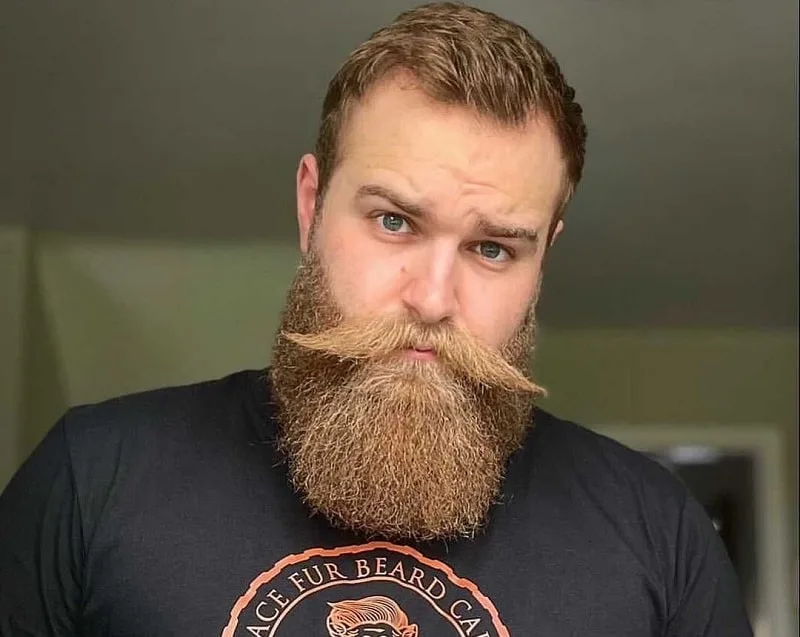
If you were born with naturally blonde beard growth this full and dense, consider yourself genuinely fortunate. A wide chin projection keeps the bottom of this beard broad and commanding, while a firm application of mustache wax curls the ends of the handlebar upward, giving the whole look a dramatic, show-stopping focal point.
Trim the cheek line with a sharp detailer to prevent any stray hairs from softening those clean borders, and debulk the sides slightly so the beard tapers toward the face without losing its fullness. Weekly conditioning with beard oil keeps blonde coarse hair from going dry and frizzy, which would otherwise dull the entire shape.
16. Green Dyed Natural Full Beard
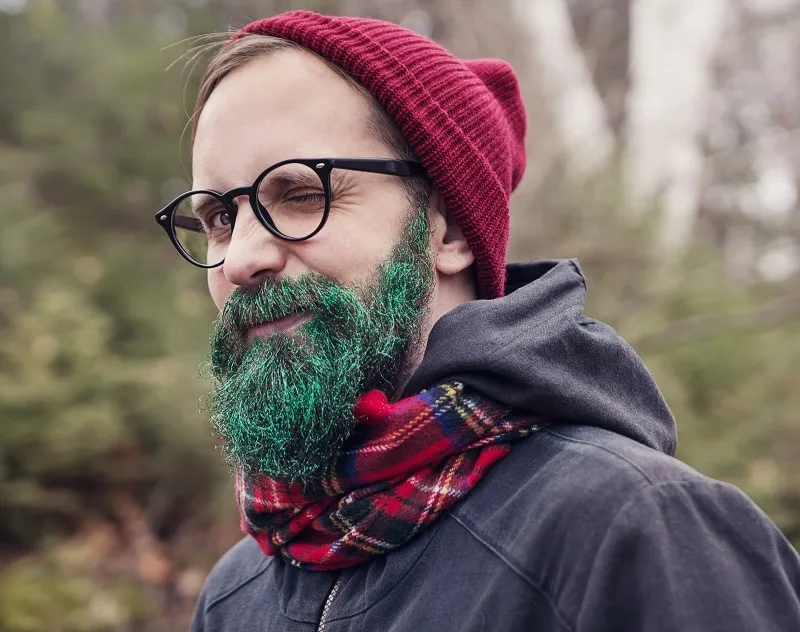
Beard coloring at this level is a full personality statement, and it only works when the underlying shape is already well-maintained. Notice the naturally soft cheek line and the wide, full mustache keeping the structure grounded, even as the vivid green beard color pulls all the attention. Without that groomed foundation, the color would just look chaotic.
To pull off a bold beard dye like this, start with a clean, conditioned beard so the color absorbs evenly across every strand. Apply beard oil generously after each wash to combat the dryness that comes with chemical coloring, and touch up the roots every three to four weeks to stop the grow-out from looking patchy against the dyed length.
17. Short Van Dyke with Sharp Razor Lines
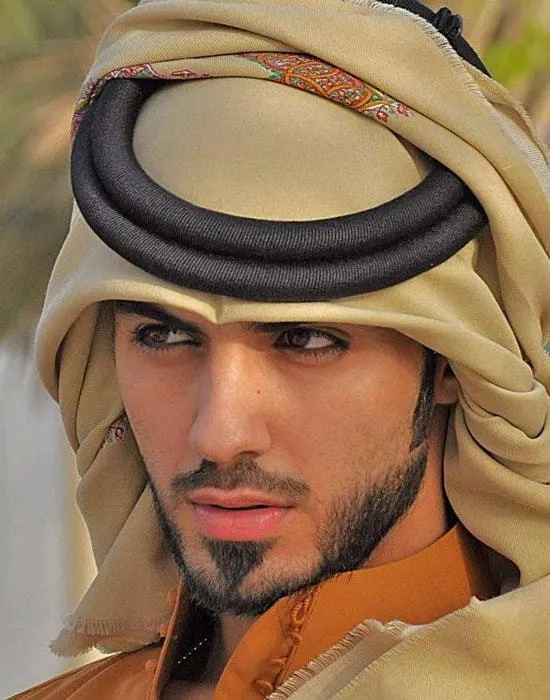
Younger men with strong facial bone structure get a serious upgrade from a short, razor-finished Van Dyke like this one. The cheek line is carved with surgical precision, the mustache is trimmed to a clean, tapered edge above the lip, and the chin beard is kept compact enough to emphasize the jaw without adding bulk. Every millimeter of this style is doing deliberate work.
Maintain it with a straight razor or shavette along the cheek line every two to three days, and keep the overall length at a short beard level so the proportions stay balanced. A small amount of beard balm pressed into the chin area will keep the hair lying flat and the outline looking freshly detailed between barber visits.
18. The Bandholz
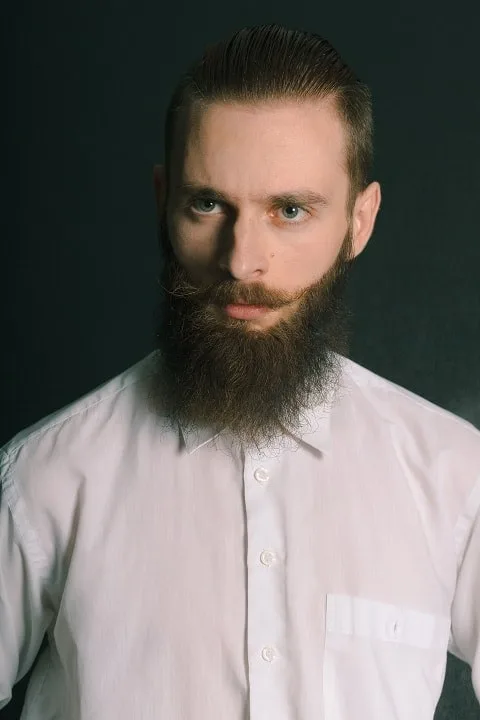
A true Bandholz beard demands patience, but the payoff is a long, full beard with real presence. What makes this version stand out is the disconnected mustache, which keeps a visible gap between the upper lip and the chin beard, adding a layered, almost architectural quality to the overall shape. The beard is allowed to grow in all directions, then lightly angled at the perimeter to give it form without stripping its natural volume.
Brush daily with a boar-bristle brush to train the growth direction and distribute beard oil evenly from root to tip. Point-cut the mustache with scissors to keep it from overhanging the lip, and trim the perimeter every few weeks to remove split ends without sacrificing the length you have worked hard to build.
19. Short Boxed Beard with High Fade

Men with elongated or oblong faces benefit enormously from a short boxed beard because the squared-off perimeter adds horizontal visual weight to the lower face, creating a broader, more balanced proportion. Pair it with a high fade on the sides and the contrast between the shaved skin and the dense beard bulk becomes the whole statement.
Use a clipper with a guard comb to keep the length uniform across the chin and cheeks, then carve a hard cheek line and a clean squared neckline with a detailer to lock in that boxed shape. A touch of beard balm pressed through the beard will keep the surface smooth and the outline looking dense and even all day.
20. Medium Beard with Emphasized Jawline
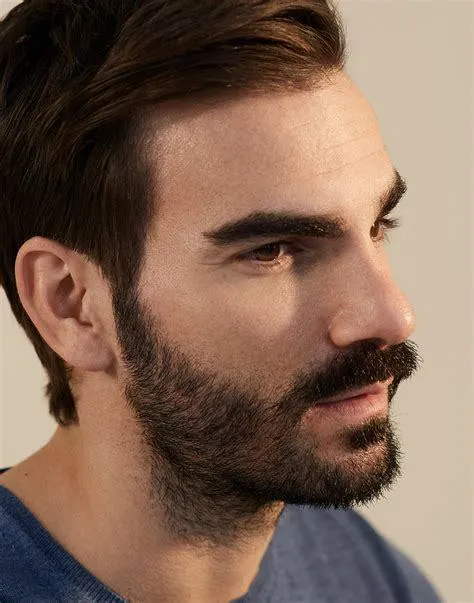
Round or fuller faces gain a tremendous amount of angular definition from a beard that concentrates its weight along the jaw and chin while keeping the cheeks relatively trimmed. Keeping less side width and more chin length draws the eye downward, visually narrowing the face and carving out a stronger jaw emphasis than the bone structure alone provides.
Clipper the cheeks down to a shorter guard length to reduce the side bulk, then let the chin projection grow out to a medium beard length to build that downward visual line. Line up the neckline with a clean curved neckline sitting about two finger-widths above the Adam’s apple, and finish the cheek line with a hard, sharp edge to maximize the contouring effect.
21. Thin Chin Strap with Light Stubble
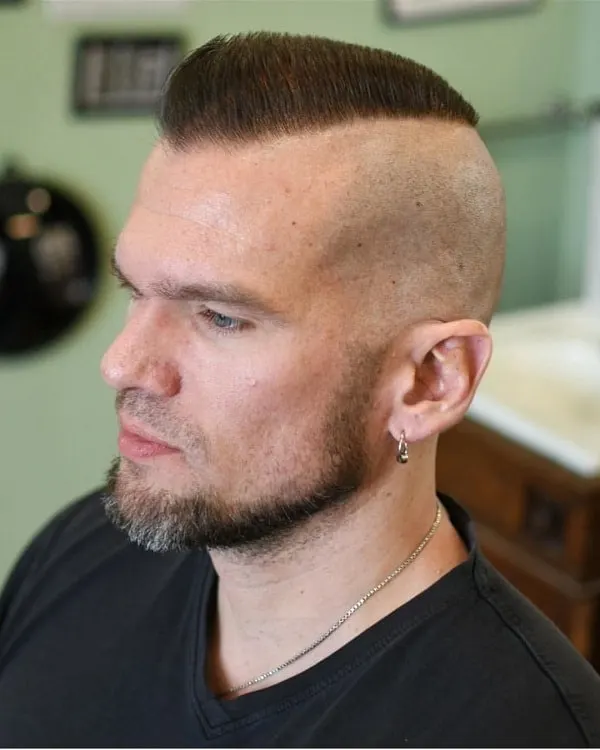
Few styles demand as much precision maintenance as a thin chin strap, but few styles reward that effort with as much clean, graphic sharpness. The line runs from one sideburn point, traces the jawline, and connects at the chin, with everything above and below shaved completely smooth. On the right face shape, particularly a defined jaw with good symmetry, this outline alone does more for your look than a full beard ever could.
A foil shaver or straight razor keeps the shaved zones glass-smooth between the lines, while a detail trimmer handles the strap width itself. Expect to clean this up every two to three days maximum, because even a day’s worth of stubble growth on the shaved zones starts to blur the razor line and undermine the whole effect.
22. Circle Beard with Connected Goatee

A circle beard works particularly well for middle-aged men because the connected goatee and mustache create a full, rounded shape around the mouth that looks groomed and mature without requiring dense cheek growth. Unlike a standard goatee, the mustache connects seamlessly to the chin beard, giving the face a more complete, polished finish.
Keep the circular outline tight with a detail trimmer, and make sure both the cheek line and neckline are cleanly shaved to let the circle beard’s shape read clearly against the skin. Trim the interior length with scissors or a clipper on a low guard to keep the fullness even, since uneven bulk inside the circle breaks the rounded shape that makes this style work.
23. Designer Stubble with Extended Sideburns

Designer stubble with extended, shaped sideburns hits a sweet spot between effortless and groomed. The sideburn shape adds a strong vertical line along the face that frames the cheekbones and gives the overall look a sharper, more angular quality, especially effective on men with softer facial features who want more edge without committing to a full beard.
Maintain the stubble length at a consistent medium stubble level using a clipper with a low guard, and carve the sideburn outline with a detailer to keep those edges crisp. Frequent upkeep every three to four days is what separates polished designer stubble from plain scruff, so build that trim into your routine and it stays effortlessly sharp.
24. Medium Full Beard with Undercut
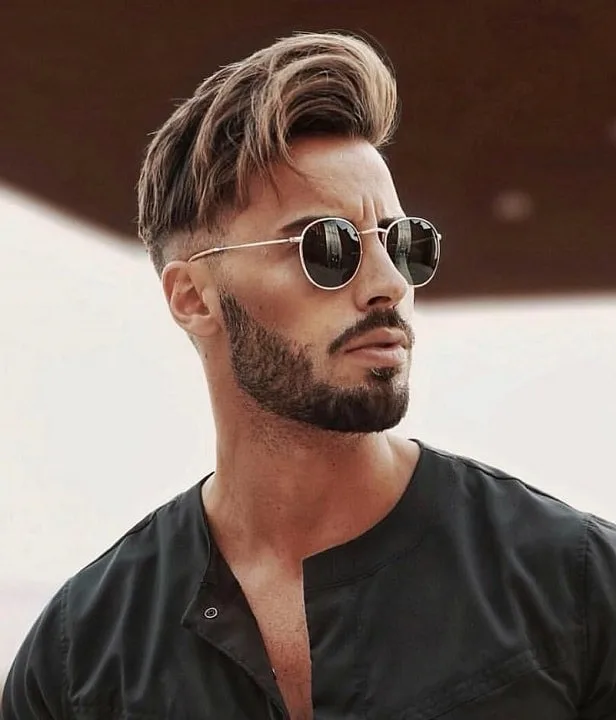
Pairing a medium full beard with a high-contrast undercut or fade creates a visual tension between the clean, shaved sides and the dense beard below that makes both elements look more dramatic. The beard carries the weight of the look, while the fade transition from skin to hair on top keeps the overall shape from getting too heavy.
Blend the sideburn fade into the beard carefully so the transition reads as a smooth graduation rather than an abrupt line. Keep the beard length consistent across the cheeks and chin with a guard comb, and use a beard brush to direct the growth forward and downward so the fullness sits where it flatters the face most.
25. Extended Goatee with Tapered Chin
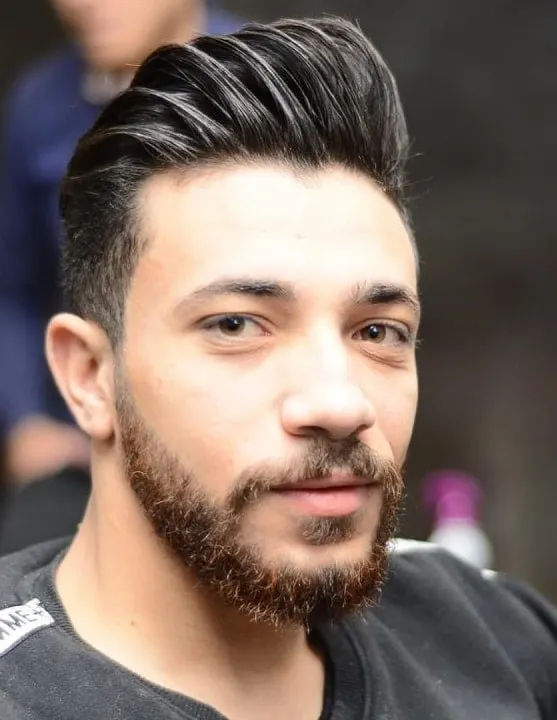
An extended goatee with a tapered, pointed chin works across a wide range of ages and face shapes because it adds vertical length to the lower face without requiring dense growth across the cheeks. The chin projection is the focal point here, so let the chin length run slightly longer than the sides to build that downward taper naturally.
Scissor-over-comb the sides to keep them neat while preserving the length at the chin apex, and use a straight razor to outline the perimeter cleanly so the extended shape reads with definition rather than blending into scruff. A light application of beard balm keeps the chin hair lying in the right direction and prevents the pointed tip from splaying outward.
26. Natural Full Beard with Fade
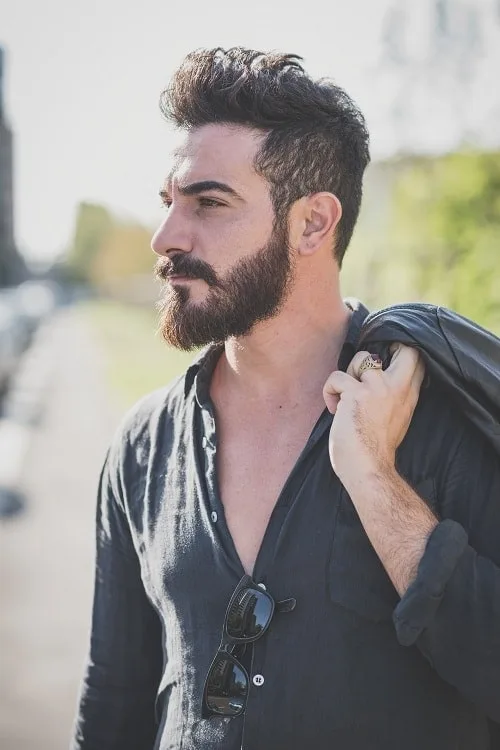
A natural full beard paired with a mid fade into the sideburns is one of those combinations that genuinely suits almost every face shape and age group. The fade does the heavy lifting by creating a clean blend line from the haircut into the beard, so even a relaxed, natural beard growth pattern looks considered and well-executed rather than simply grown out.
Wash with a dedicated beard cleanser two to three times a week to keep the density looking fresh, and follow up with beard oil to maintain softness and reduce beardruff. Trim the neckline and cheek line every week or two to preserve the shape, and let the rest grow with confidence knowing the fade is doing all the structural work for you.
27. Thick Curly Power Beard
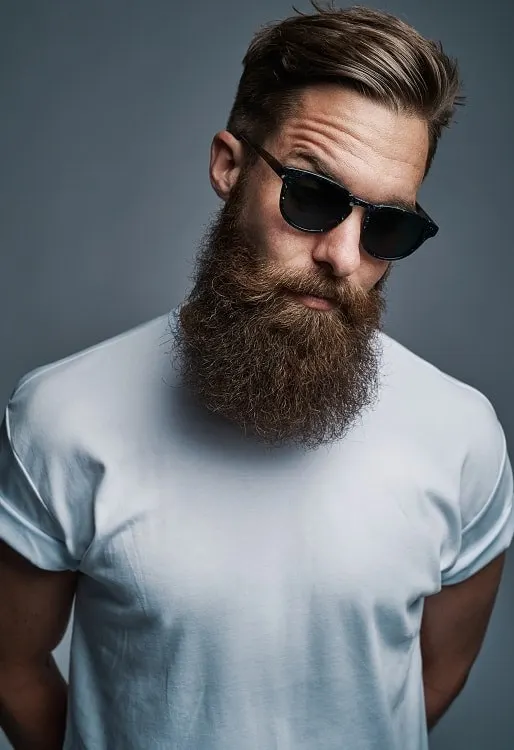
If your beard grows coily and dense, stop fighting it and let it become the centerpiece. This auburn power beard is allowed to reach full volume below the chin, with the coarse, curly texture doing all the heavy lifting on bulk and presence. The cheek line stays relatively natural, which keeps the whole thing from looking overdone.
Condition this type of beard daily with a beard oil to combat dryness and beardruff, then work a beard balm through it to tame flyaways without collapsing the volume. A boar-bristle brush will train the growth downward and keep the shape from spreading too wide on the sides.
28. Disconnected Van Dyke with Light Stubble
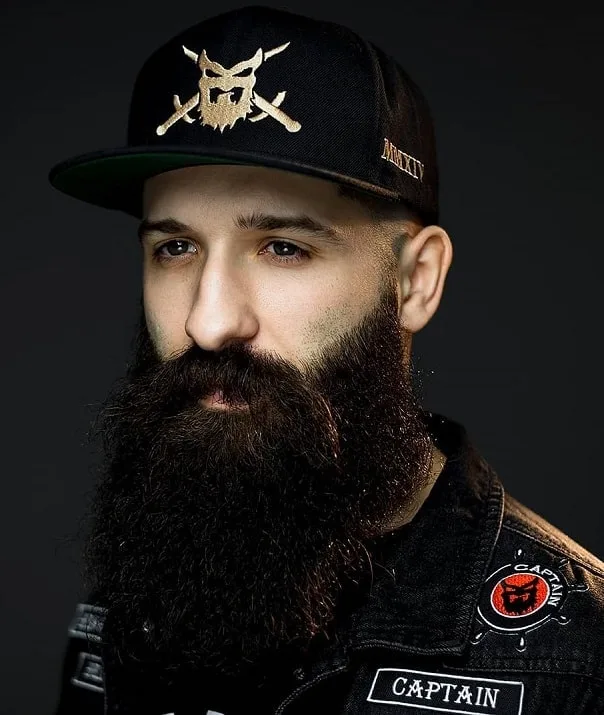
Few beard styles carry as much personality per square inch as a well-executed Van Dyke. Here, a sculpted goatee sits completely disconnected from a precisely shaped mustache, while the cheeks are kept clean with just a whisper of light stubble for texture. That contrast between the razor-clean cheeks and the defined chin piece is exactly what gives this look its sharp, cinematic edge.
Maintaining it means committing to a detail trimmer every two to three days to keep the cheek cleanup crisp and the disconnect gap visible. Use a tiny amount of mustache wax to hold the mustache shape without stiffness, and keep the goatee outline razor-finished so the whole composition stays tight.
29. Short Boxed Beard with High Fade

For guys with a rounder face shape, a short boxed beard with a high skin fade is one of the most flattering combinations you can wear. The tight, squared-off perimeter at the chin adds vertical length and projects the jaw forward, while the high fade keeps the sides compressed so all the visual weight sits exactly where you want it.
Get the cheek line carved clean and the neckline squared off just above the Adam’s apple. Keep the beard length consistent with a clipper guard, and visit your barber every two to three weeks to maintain that crisp fade-to-beard transition before it grows out and loses its structure.
30. Medium Stubble with Natural Cheek Line
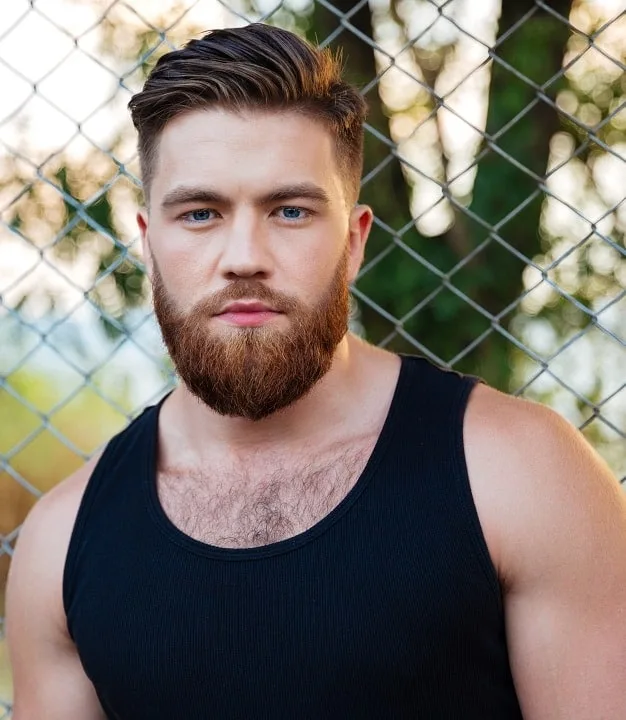
Medium stubble sits in that sweet spot where it looks completely effortless but still thoroughly groomed. At roughly three to five days of growth, it adds enough density to define the jaw and cheekbones without demanding serious upkeep. Guys with patchy growth actually benefit here, since medium stubble blends sparse areas far more convincingly than a longer beard ever could.
Run a detail trimmer over the neckline and cheek line every few days to keep the outline clean without making it look overly sculpted. A soft cheek line works best for this style, so resist the urge to carve it too high.
31. Heavy Stubble with Soft Natural Outline

Heavy stubble lands at that magnetic point between scruff and a short beard, and it flatters nearly every face shape because of how evenly it distributes fullness across the jaw and cheeks. Let it push past the five-day mark until you get consistent density, then lock it in with a clipper set to a number two or three guard across the whole face.
Keep the neckline rounded and natural rather than carved too aggressively. An overly sharp neckline on heavy stubble immediately makes it look forced, and the whole appeal of this style is that relaxed, just-grew-in quality that still looks completely put-together.
32. The Natural Outline
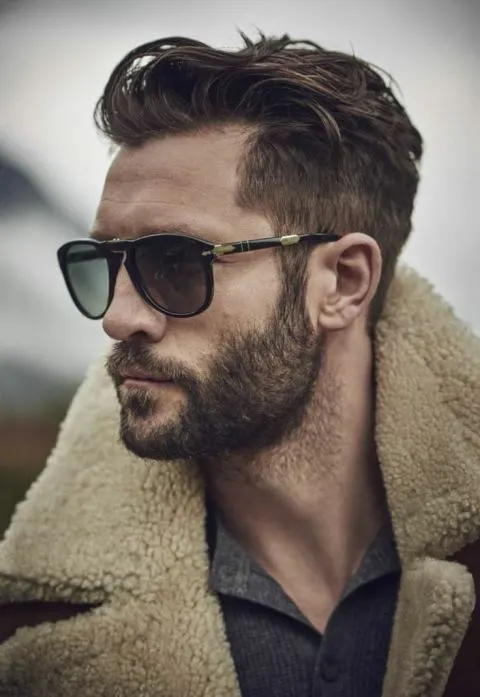
Not every beard needs a razor-sharp perimeter to look great. This medium beard leans fully into a natural cheek line and a soft, unfussy outline, letting the growth pattern dictate the shape rather than forcing geometry onto it. The result is approachable and rugged without tipping into unkempt territory.
Trim the bulk every week or so with a clipper-over-comb to keep the length even, and clean up any obvious strays along the neckline with a trimmer. Beyond that, a daily beard oil application keeps the texture from going dry and wiry, which is what separates a natural beard that looks good from one that just looks neglected.
33. Medium Stubble With A Handlebar Mustache
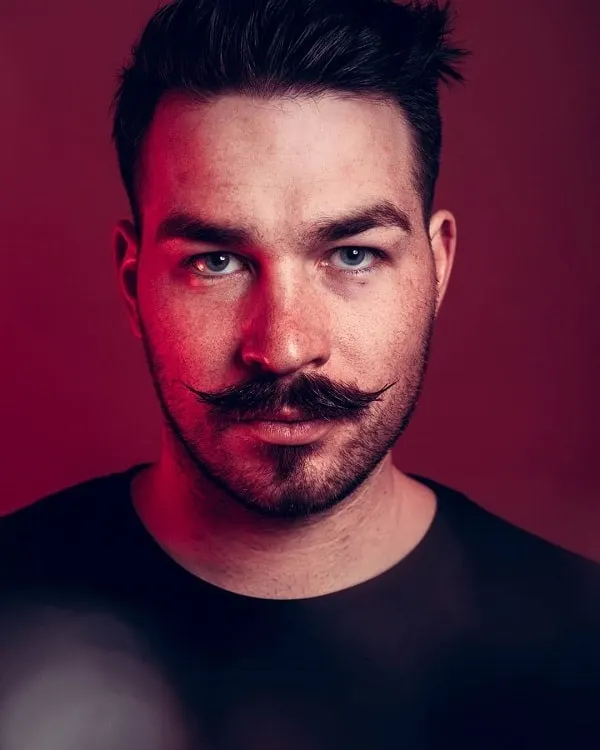
A handlebar mustache paired with light stubble is a full personality statement, and it works precisely because the two elements play against each other. The stubble stays deliberately sparse and unstructured on the cheeks, which lets the handlebar command all the attention. Point-cut the mustache edges with small scissors to refine the shape before curling the tips upward with a firm mustache wax.
Consistency is everything here. The stubble needs to stay at a uniform length with a detail trimmer every two to three days, otherwise the scruff grows past the mustache and the whole visual hierarchy collapses. Keep the cheeks clean and the curl tight, and this combination stays genuinely striking.
34. Corporate Beard with Tapered Sides

A corporate beard proves that facial hair and professional settings are not mutually exclusive. Worn at a short, controlled length with a carved cheek line, a squared neckline, and a clean razor finish along the perimeter, this style projects authority without sacrificing any of the rugged appeal that makes a beard worth growing in the first place.
Trim it with a clipper guard every four to five days to hold the length, and use a straight razor or shavette to keep the outline crisp between barber visits. Beard balm adds a subtle polish that photographs well and holds any wayward coarse hairs flat throughout the day.
35. Long Full Beard with Rounded Shape
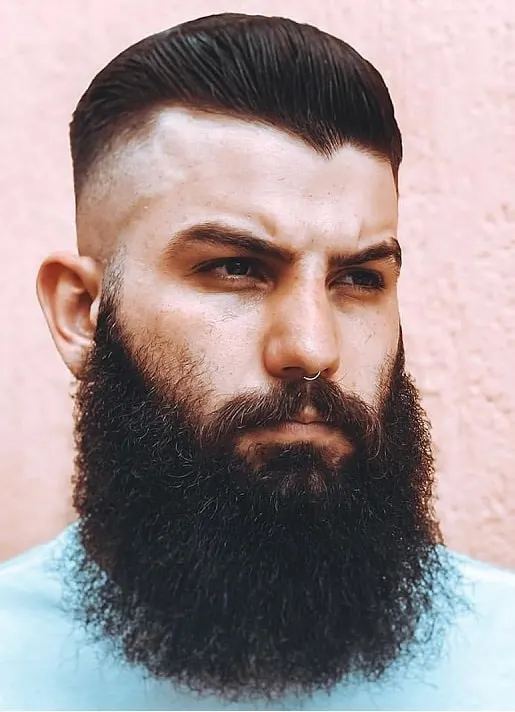
Growing a long full beard to this length takes patience, but the payoff is a rounded, voluminous shape that frames the entire face with serious presence. The natural cheek line and soft outline give it an organic, lived-in quality rather than a stiff, over-sculpted appearance. Guys with a longer face shape should be cautious here, as extra chin length can exaggerate vertical proportions.
Debulk the sides lightly with scissors-over-comb every couple of weeks to prevent the width from overtaking the chin projection. Work beard oil through from root to tip daily, and follow up with a beard butter to smooth the surface and reduce frizz on the longer strands.
36. Stubble Beard + Mustache + Shaved Lines
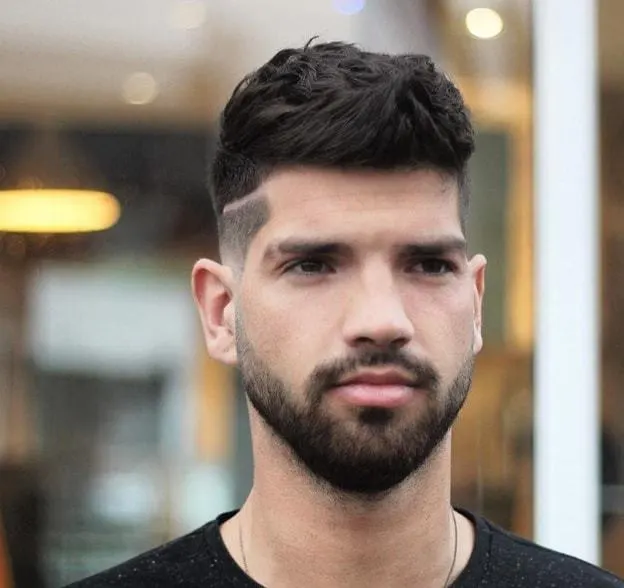
Razor lines carved into a stubble beard are one of the fastest ways to add geometric edge to an otherwise simple look. Here, a shaved line creates a hard disconnect between the mustache and the stubble below, while the overall beard stays short and tight. That single carved detail shifts the whole vibe from casual scruff to something far more deliberate and fashion-forward.
Use a detail trimmer or shavette to carve those lines with precision, and re-edge them every three to four days since any new growth will blur the disconnect quickly. Keep the stubble consistent with a number one or two guard so the razor lines remain the focal point of the style.
37. Short Tapered Beard with Clean Neckline

If your jawline needs more definition, a tapered beard does the sculpting work without requiring much length. The sides graduate shorter as they move up toward the cheeks, funneling all the visual weight down to the chin and jaw. On a round or soft-featured face, that downward compression is genuinely transformative.
Use a clipper-over-comb to graduate the length from the cheeks down to the chin, keeping the bulk line low and the cheek taper gradual. Finish the neckline with a rounded curve just above the Adam’s apple, and clean up the perimeter with a trimmer every few days to keep the taper looking crisp rather than grown-out.