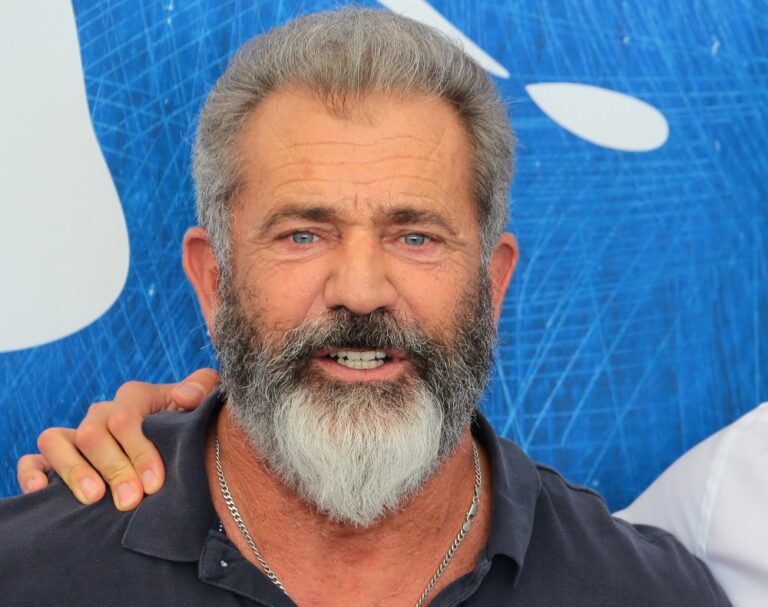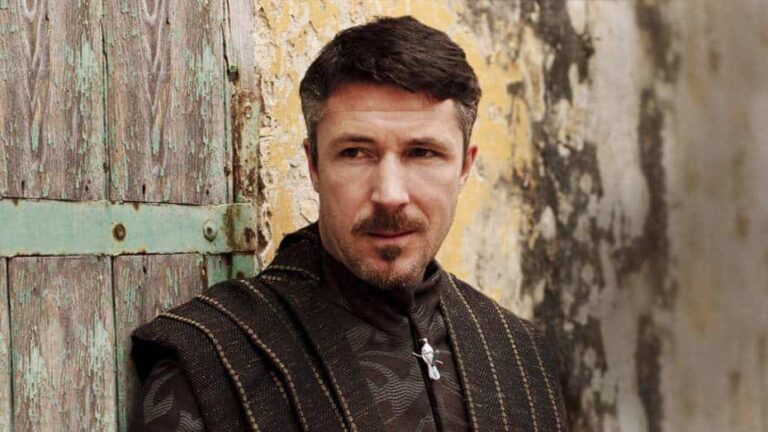

A beardstache pairs a prominent mustache with shorter facial hair. You can see variations on celebrities as well as in the five examples below.
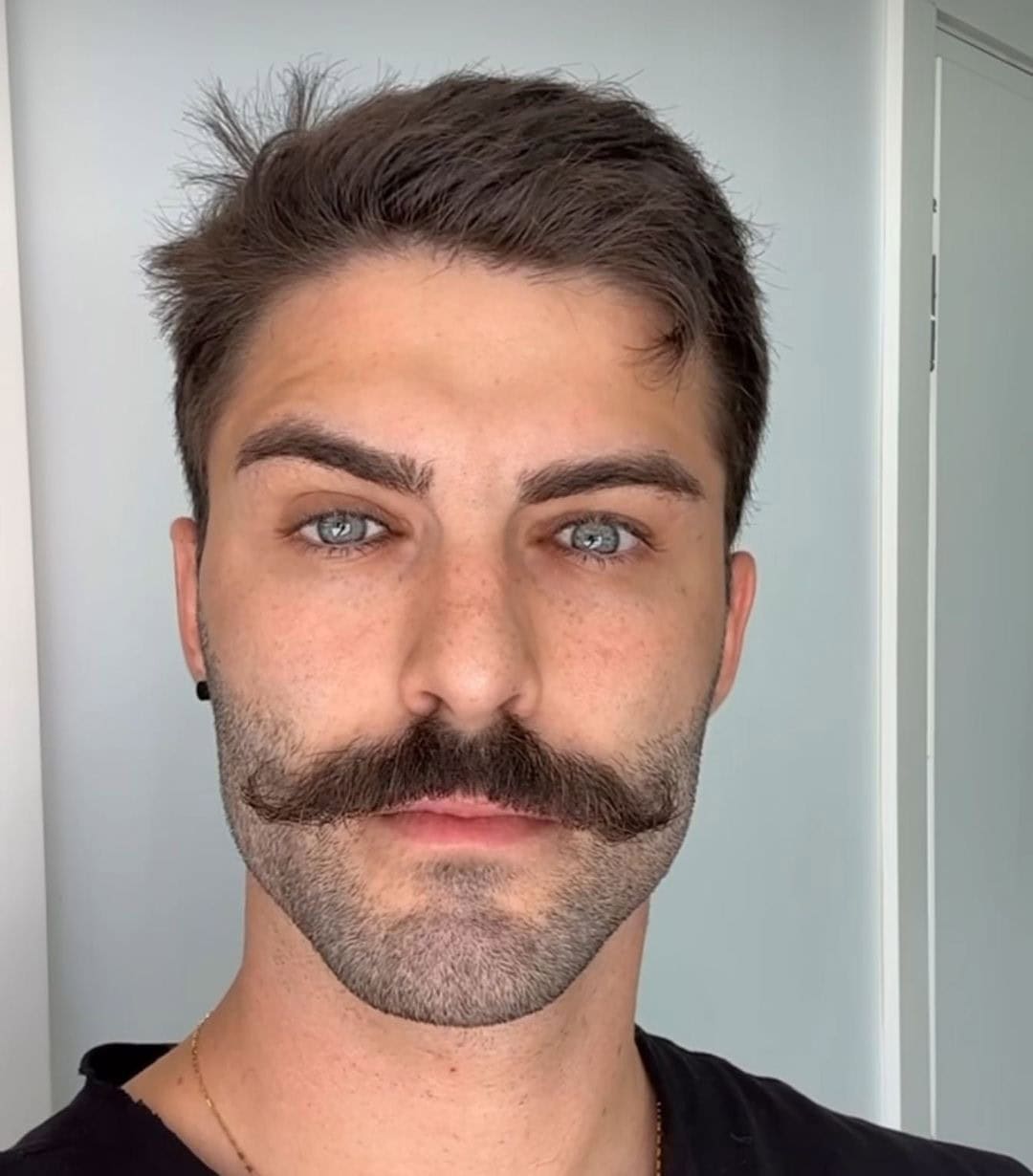
The broad mustache in this photo sweeps outward at the ends, while the cheeks and chin stay much shorter. That difference makes it a beardstache. The photograph does not tell us the trimmer setting, so use the contrast as your reference rather than copying an assumed measurement.
What is the Beardstache?

The beardstache is a beard style that combines a stubble beard and mustache with more focus on the stache.
Beyond the celebrity factor, it got so popular because it blends two distinct beard styles into one. When matched well, the result is absolutely striking.
The beardstache is one of the easiest styles to grow and maintain, though it does require some patience when it comes to growing and shaping the mustache.
It’s also one of those beard styles that plays well with a variety of different beard and mustache combinations. Whatever direction you take the beard, the beardstache looks best paired with just a handful of mustache styles: the walrus mustache, chevron mustache, handlebar mustache, or the horseshoe mustache.
What Does the Beardstache Look Like?
The beardstache is a combination of a mustache and a beard, but with more emphasis on the mustache, which is usually grown to a thicker and heavier style while the beard is kept at a light or heavy stubble and sometimes even a short beard.
So the mustache sits on the fuller, denser side while the beard is trimmed to a shorter length for contrast.
With that in mind, let’s look at some of the best beardstache styles out there, as well as the types of mustaches that pair with them.
Different Types of Mustaches
The Walrus Mustache

The walrus mustache is thick and droops over the upper lip, often extending below the mouth corners. It does not need to reach the chin or soul patch.
The Chevron Mustache

The chevron mustache has been a crowd-pleaser for decades with a distinctly vintage feel. Since it’s not as thick or heavy as the walrus, it pairs best with light stubble rather than heavy stubble.
The Handlebar Mustache

A handlebar mustache needs enough length at the sides to shape the tips. Growth time varies, and wax holds the existing hair in place rather than making it grow faster.
Handlebar mustaches come in all shapes and sizes. There’s no strict rule on how thick the stache needs to be or how dramatic the curled corners should go. More than anything, the handlebar is a statement of creativity.
Here’s a handy visual to help you navigate the many mustache styles you can mix with heavy or light stubble.

The Best Beardstache Styles
1. Broad Swept Mustache with a Short Beard

This broad mustache sweeps out at the sides above a closely trimmed beard. The mustache remains the strongest feature.
For more examples of that contrast, compare our short beard and long mustache styles.
The beard can be longer than stubble, provided it stays short enough for the mustache to stand out.
2. Full Mustache with a Short Beard

This is a short full beard with a thick mustache. The slightly fuller chin gives the lower edge a soft point.
The mustache has natural, downward-tapered ends rather than curled handlebar tips.
3. The Hipster Beardstache with Curled Handlebar Mustache

This hipster beardstache pairs a curled handlebar with a short beard. The raised tips provide the main contrast.
Keep the beard shorter than the mustache so the curled ends remain easy to see.
4. The Beardstache with Light Stubble and Chevron Mustache

It’s the easiest combination to manage for both the beard and the stache. Light stubble keeps the maintenance low while still delivering one of the cleaner, more polished looks in the beardstache lineup.
5. The Horseshoe Beardstache

As the name suggests, the horseshoe mustache, with its elongated corners dropping almost to the chin, is a natural fit with light stubble. The contrast between the bold mustache outline and the minimal beard keeps everything balanced.
Any of the above beardstache styles also look phenomenal on bald men. With so many variations to choose from, it can be tough to know which one suits you best, especially if you’re a first-timer.
Let the mustache stand out
Choose your mustache shape first, then choose a beard length short enough to show the difference.
There’s no single guard setting that works for everyone. Check how it looks on your own face.
The Pros & The Cons
Beyond being one of the most distinctive styles out there, one of the biggest advantages of the beardstache is how well it highlights your facial bone structure.
Since the beardstache pairs best with shorter beards, typically heavy or light stubble, you’re not hiding your bone structure the way you would with a fuller beard. Naturally, a lot of attention lands on the chin and jawline, which might feel like a lot for those who aren’t comfortable with that kind of focus.
It’s also a brilliant option for guys with a patchy beard. Where other styles struggle to disguise uneven growth, the beardstache keeps the beard at heavy stubble length and lets the mustache do the heavy lifting. Plenty of mustache styles work beautifully with that setup.
Face Shapes Best Suited for a Beardstache

A beardstache can work with many face shapes. Adjust the width of the mustache and the length around the chin to get proportions you like.
A round or heart-shaped face does not rule it out. Try a shorter beard and change the mustache width rather than treating face shape as a strict restriction.
How to Grow a Beardstache

Let the mustache gain enough length for your chosen shape while keeping the beard shorter. You do not need to wait for full, even beard coverage.
Trim the Beard
Choose a beard length that gives enough contrast with the mustache. Start with a longer guard and reduce it gradually.
For a starting comparison, try 3 to 4 mm for a fuller layer of stubble or 1 to 2 mm for a lighter one. These are trial settings, not requirements for a beardstache. While trimming, leave the mustache area completely untouched.
Choose the Mustache Style and Length
The whole point of the beardstache is to accentuate the mustache. This is also where you figure out the density and length of your stache. Keep a pair of mustache scissors handy to clean up any stray hairs around the corners and above the stache.
Take some time to research how to style mustache shapes like the walrus, chevron, handlebar, and horseshoe so you know what you’re working toward.
Patience is everything at this stage. You may not have the ideal mustache length or fullness when you first trim the beard. For now, just keep maintaining the beard for contrast while you let the mustache grow into its shape.
Outline the Beard
Defining the neckline and cheek line is just as important for the beardstache. Once you’ve settled on the right cheek line for your face shape, clean shave everything above it.
As a starting guide, place the center of the neckline roughly one to two finger-widths above the Adam’s apple, then curve it toward the area below each ear. Check it with your head held level.
Use your trimmer to define that neckline, then clean shave every hair below it for a crisp, polished beard outline.
Keep the lip edge and curled ends separate
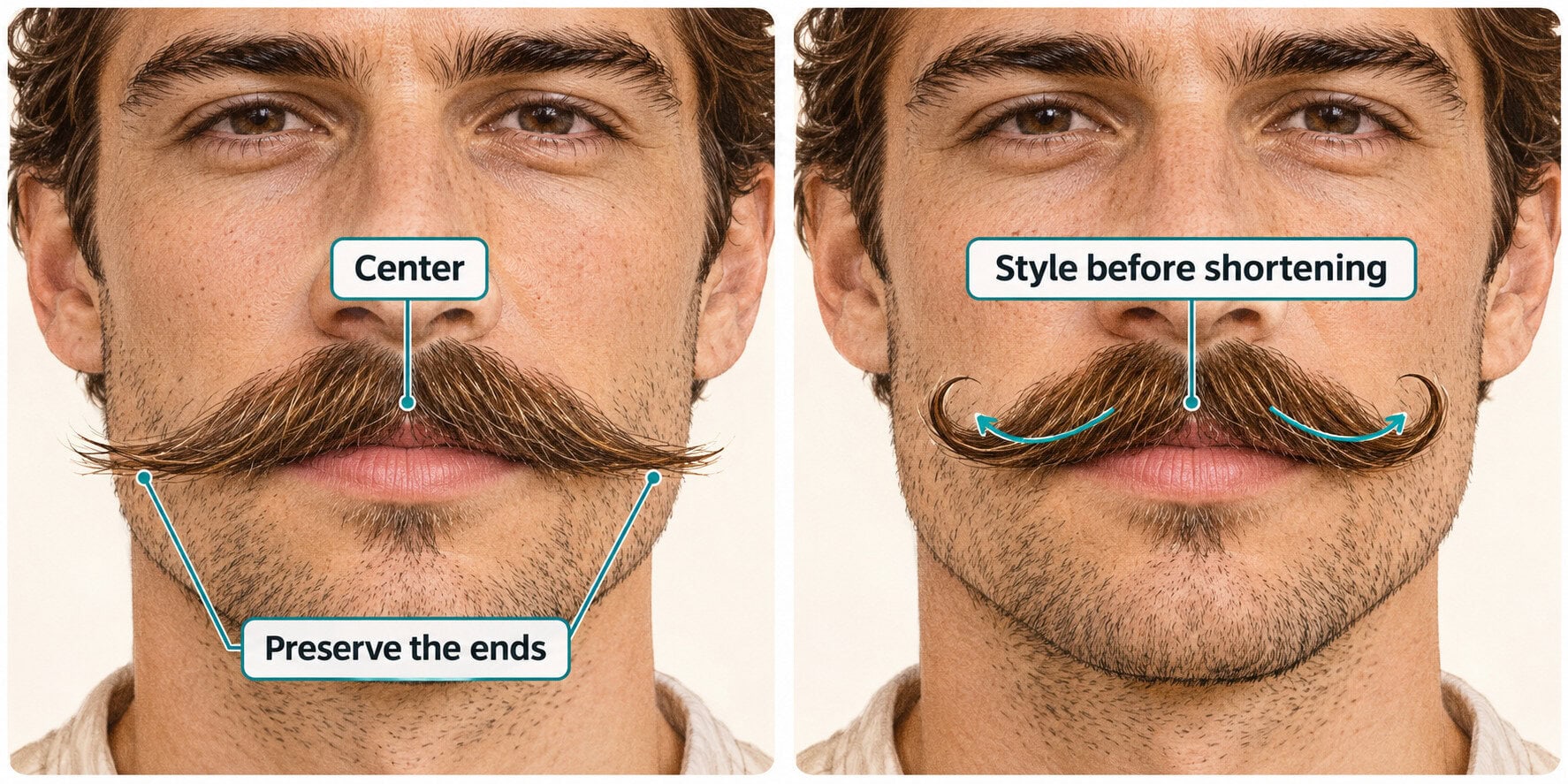
For a natural downward mustache, comb it down and trim only the hairs that fall past the lip edge you want. For swept or curled tips, first comb the longer hairs outward. Cutting every hair straight across the upper lip can remove the length needed at the sides.
Keep the beard trimmer away from the mustache while shortening the cheeks and chin. Finish the upper lip with small, separate adjustments, checking it with your mouth relaxed. If one side looks heavier, comb both sides into place before deciding that it needs cutting.
Wax is optional for a natural finish. If you want to shape the tips, our mustache styling guide explains how to apply a small amount and deal with uneven curls.
How to Maintain a Beardstache

Trim the beard when it starts to lose the contrast you want with the mustache. Keep the cheek line and neckline clean with regular shaving, though some guys let those areas grow a little and keep them lightly trimmed for a more rugged, lived-in feel.
Mustache wax can help hold curled tips, but the amount and hold you need depend on your hair.
Comb the mustache into place and use a little wax if needed to hold the shape. This styles the hair already present; it does not change the direction in which it grows.
Conclusion
Make the mustache the main feature and keep the beard shorter around it. Trimming each separately helps you keep that contrast.