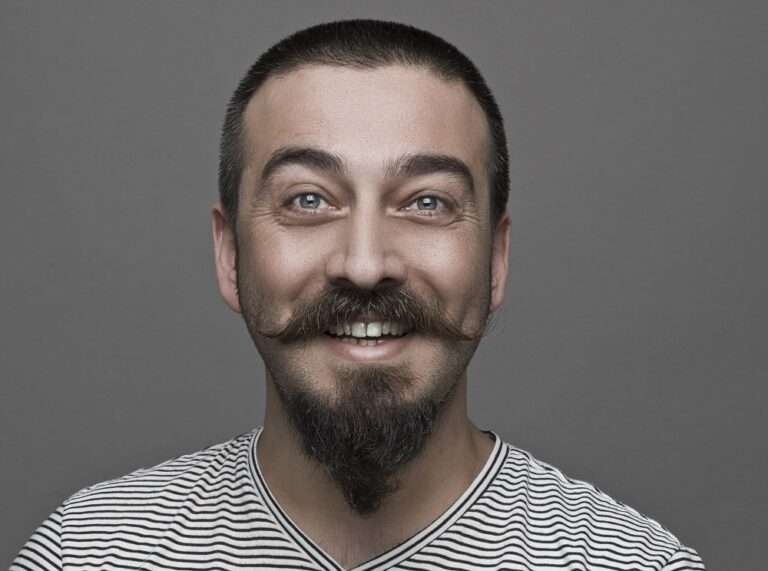

At a glance
- Starting settings: light 1-2 mm, medium 3-4 mm, heavier 5-6 mm
- The timeline: growth varies; use length rather than a day count
- The choice: a consistent length, with natural or clearly trimmed edges
Stubble is the rare facial hair that works on almost everyone: more deliberate than a clean shave, less commitment than a beard, and somehow flattering at every age.
The line between ‘rugged’ and ‘forgot to shave’ is all in the upkeep: an even length and a clean neckline. Here’s everything stubble: types, lengths, and shaping, plus 15 stubble beard styles to wear it well.
Find what suits you: browse all beard styles, mustache styles, or the trimming guide.
Why Choose a Stubble Beard
One of the top reasons to choose a stubble beard is how easy it is to maintain. You can go for days without shaving, which is ideal for men whose skin gets irritated by frequent shaving.
Another advantage is flexibility. You can keep your stubble very light or let it grow into a thicker layer that almost looks like a short beard.
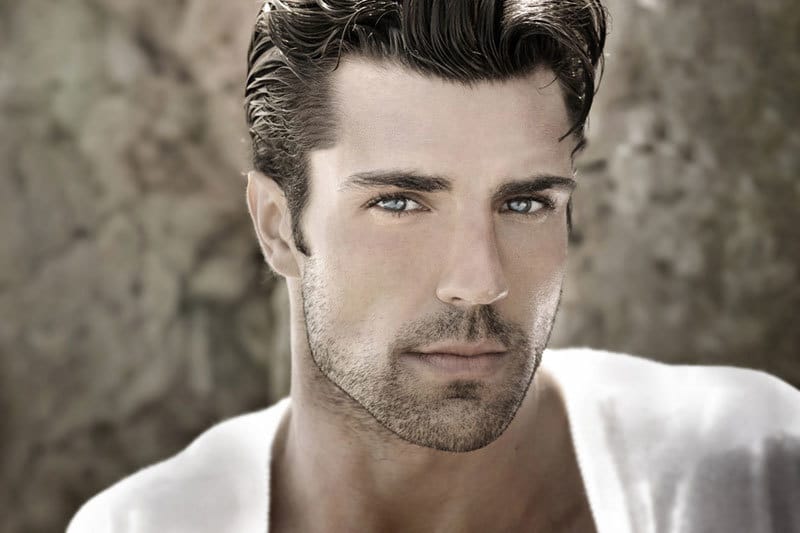
Stubble also gives you room to experiment. You can wear faint stubble, serious scruff, or use it as the base for another beard style.
Once you start growing your beard, it is easy to take it to the next level. You can turn your stubble into a full beard, a goatee, or even a Verdi when you want a change.
Types of Stubble
Stubble describes very short facial hair. The ranges below are practical starting settings, not fixed standards; brands and barbers use these names differently. Choose a setting based on the coverage and appearance you want.
- Light or Short Stubble: Try a short setting around 1 to 2 mm for a faint layer of hair. The time needed to reach that length varies, and regular trimming keeps it from growing beyond your preferred range.
- Medium or Designer Stubble: A setting around 3 to 4 mm can produce a more visible layer. Designer stubble means deliberately shaped and maintained stubble; it is not restricted to one exact length or day of growth.
- Heavy or Scruffy Stubble: Try a longer setting around 5 to 6 mm if you prefer denser coverage. At this length, the boundary with a short beard is subjective. The name 10-day beard does not mean everyone reaches the same length in ten days.
How to Determine Your Stubble Beard Length
Several factors go into choosing the right stubble length. Start with one simple question: how often do you want to shave or trim?
Men who dislike shaving are often better served by a fuller layer of heavy stubble. You can go for several days, and sometimes even a week, without trimming.
If close shaving causes razor bumps, leaving some facial hair may help you avoid repeated close razor passes. It is not a cure for every cause of sensitive skin. Follow the American Academy of Dermatology’s shaving guidance when tidying the surrounding skin.
A medium-length designer stubble beard is the middle ground. Leave your face untouched for a few days and you will often end up with a clean and attractive layer of stubble.
Short stubble usually needs the most maintenance. It grows quickly, but if you want to keep it neat and short, you have to trim it regularly. Wait too long and it will turn into a short beard instead of stubble.
How to Pick a Stubble Beard Style That’s Right for You
Take a close look at your face shape. Facial hair rules are not as strict with stubble as they are with full beards, but your face shape can still help guide your choice.
The best test is confidence. You might love a face full of stubble or you might prefer to keep it focused around the chin. Since stubble can imitate many beard styles, it is worth experimenting until you find the right look.
Here are the main points to keep in mind when choosing your stubble beard style:
- Observe the thickness and growth rate of your beard.
- Choose a length between 1 and 6 mm that complements your face shape.
- Note how many days it takes to reach your preferred length.
- Consider your profession and how often you can realistically trim your beard.
- Try a short stubble style first.
- If you cannot trim often enough to maintain a shorter style, move to designer stubble or heavy stubble.
Traditional Stubble Beard

This is the most basic and natural form of stubble. Let your 2 mm stubble connect with your mustache, then lightly shape the area around the soul patch and chin to keep the look balanced.
02 of 15Well-Shaped Stubble
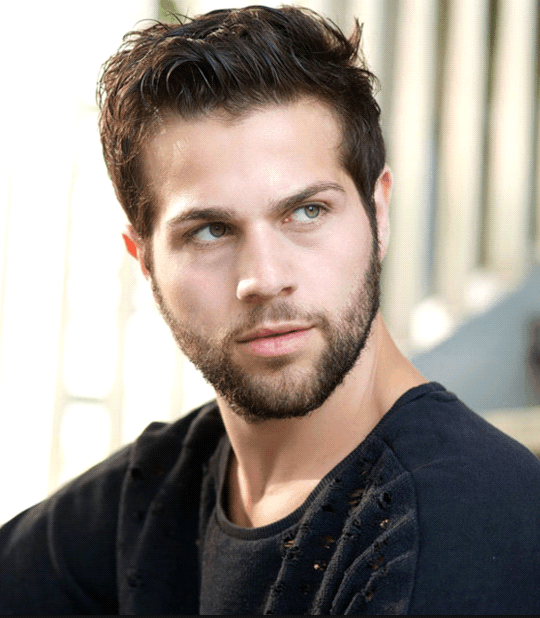
This is a more groomed version of the stubble beard. It looks especially good with longer hair. Proper trimming and a little beard oil are the keys to keeping this style sharp.
03 of 15Simple Is Better

You do not need an elaborate beard style to look great. Sometimes simple is better, and Hemsworth’s stubble beard proves that a clean and natural stubble can be enough to make a strong impression.
04 of 15Light Stubble with Swept Hair

Let the facial hair reach the short length you prefer, then trim it evenly. The time needed varies, so this photo should not be treated as proof of four days of growth.
With a close crop and defined edges, it highlights the cheekbones and jawline. This kind of stubble works especially well for oval, heart-shaped, and round faces.
05 of 15Stubble with a Small Chin Patch

Stubble with a small chin patch needs regular grooming. Trim when needed so your stubble does not grow into full facial hair. Pay close attention to your natural beard growth pattern.
06 of 15Marginal Stubble Beard for Short Hair

After shaving away the hair you do not need, define the basic shape with a trimmer. If your beard grows thick and coarse, pre-trim it at a longer setting first, such as 5 mm.
This style works especially well with very short hair.
07 of 15Stubble Beard Style for Youngsters

For college students and young men with strong features, this thin stubble beard style works very well. Many younger men prefer this light beard look because it feels fresh and easy.
08 of 15Standard Stubble Beard

A standard stubble beard needs attention as it develops. Shape the neck to create a clear line under the jaw and keep the edges defined.
Make sure the connection between the beard and mustache is visible and clean. This style works especially well when the hairs are kept short and neat.
For short stubble, choose a moisturizer suited to your skin. Beard oil is optional and may not suit every skin type; the American Academy of Dermatology’s beard-care guidance explains the differences.
09 of 15Dense Even Stubble
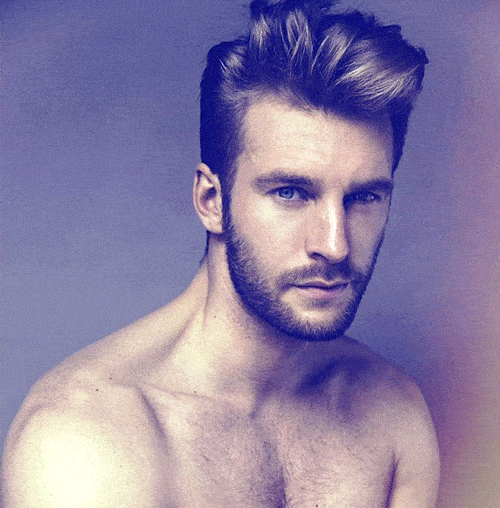
This dense stubble covers the cheeks, jaw, and chin, with a connected mustache. Keep the length even and tidy the outer edges if you want a clear outline. A chin curtain would leave the upper lip bare, which this photo does not show.
10 of 15Uneven Stubble with a Mustache

This stubble has uneven cheek coverage and a more visible mustache and chin. Keep the length short and work with the natural coverage instead of trying to carve a distinct goatee where the photo shows broader stubble.
11 of 15Dark Stubble with Fuller Chin Coverage
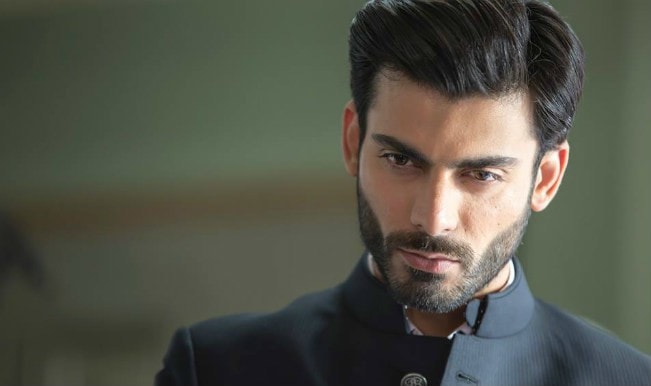
If you have thick and dark facial hair, this fuller stubble with more coverage around the chin can look excellent. The hair is slightly longer than normal stubble but not long enough to become a full beard. Clean lines are essential here.
12 of 15Slight Neck Stubble with Whiskers

This style creates contrast between short facial hair and darker whiskers and mustache. It can be the beginning of a fuller beard or a style on its own.
13 of 15Shapely Choice

The shape of your beard is often more important than its length. If you learn to give your stubble good form, it will always look neat and flattering. Proper shaping can also help balance your face visually.
14 of 15Light Stubble with a Defined Mustache
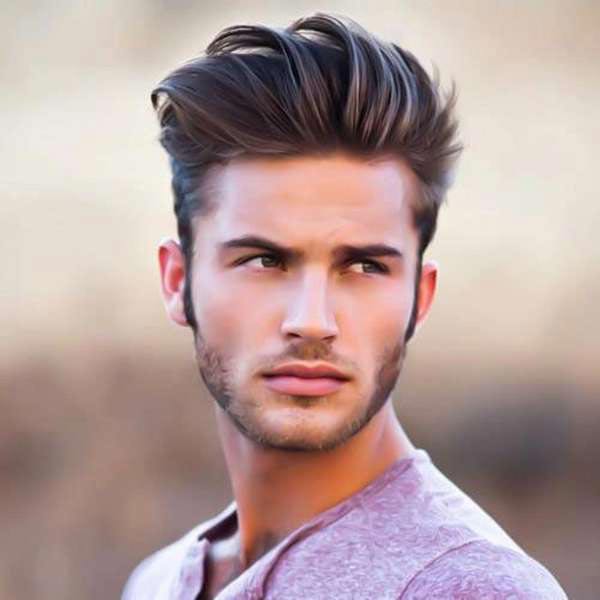
Fine stubble sits beneath a slightly darker mustache in this photo. Keep it close and even if you prefer a light outline. Light facial hair is not limited to one age group.
15 of 15Complex Stubble
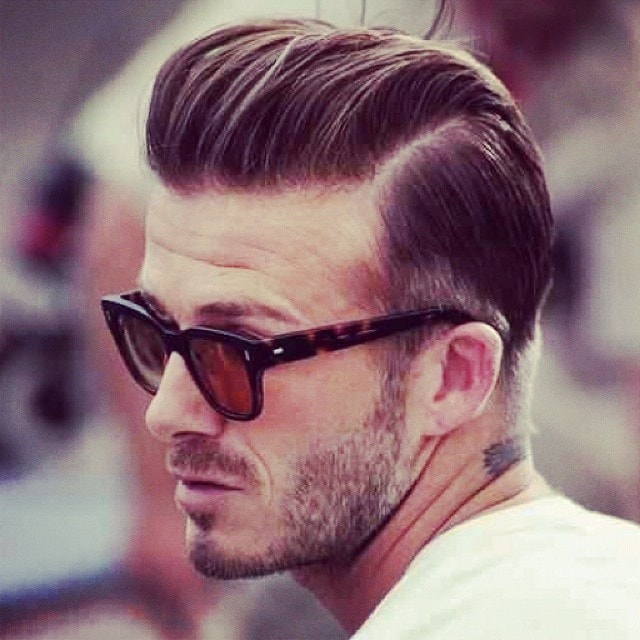
Stubble is easy to grow, but making it look deliberate takes some effort. If you want your beard to stand out, you need to learn how to style and shape it properly.
Celebrity Stubble Beard Styles
Now it is time to look at some celebrities with stubble. Over the years, many famous men have embraced the designer stubble look. Here are some standout examples.
- Chris Hemsworth: The Thor actor has worn designer stubble on many occasions. It softens his chiseled features and gives him a more relaxed and approachable look.
- David Beckham: The soccer star helped turn designer stubble into a style statement. His stubble complements his athletic build and polished wardrobe.
- Brad Pitt: Pitt has tried many facial hair styles over the years, but stubble gives him a rugged and masculine appearance while keeping his look classic.
- George Clooney: Clooney’s salt-and-pepper heavy stubble adds depth, charm, and sophistication. It is a great example of aging with style.
- Ryan Reynolds: His casual light stubble perfectly matches his easygoing personality. It looks stylish without appearing too groomed.
- Leonardo DiCaprio: A goatee-style stubble suits Leonardo DiCaprio very well. The slight variation in length adds character to his look.
- Bold Longer Stubble: A slightly longer stubble can add a strong and rugged dimension to the face, highlighting sharp features and creating a striking presence.
- Light 1 mm Stubble: Barely-there facial hair looks fresh and modern. A 1 mm stubble works especially well for men who want a clean look with just a hint of edge.
- Idris Elba: The distinguished British actor wears a refined stubble that showcases his elegant sense of style. He has worn fuller stubble as well as longer beard styles.
- Jake Gyllenhaal: Gyllenhaal’s stubble changes with his roles, which makes it a great example of how adaptable this beard style can be.
How to Shape a Stubble Beard
You might choose to shape your stubble so that it resembles another beard style, such as a goatee. That is completely fine. There is no single correct way to wear stubble.
However, make sure you let your facial hair grow in first. Do not start shaping it until you can clearly see the beard shadow and understand your natural growth pattern.
Stubble looks especially attractive when it connects naturally to the mustache, soul patch, and sideburns. Clean up the unnecessary hair around these areas to create thin and neat connection lines.
Even if neat stubble sounds like a contradiction, you can get very close by keeping the rest of your face clean-shaven and your edges crisp.
Many men treat stubble as a lazy beard style, but when it is shaped intentionally, it becomes a style of its own.
Key highlights of the process:
- Let your facial hair grow for a few days until it becomes slightly longer than your target length.
- Set your trimmer to the exact stubble length you want, such as 2 mm or 3 mm.
- Trim evenly across the face.
- Define your neckline and cheek line carefully with the trimmer.
Natural edges or a clearly trimmed line?
With natural edges, the stubble gradually thins out toward the upper cheeks and lower neck. You can remove isolated hairs without turning that border into a hard line. This suits a softer finish, but it still needs occasional attention if you want to keep a consistent length.
For a defined edge, decide where the cheek and neck lines should sit before removing hair outside them. Keep the neck edge beneath the jaw. A clear outline is a styling choice; stubble does not have to be sharply edged to look cared for.
Check the setting before trimming again
If you are unsure between two settings, try the longer one first. Follow the direction and technique in your tool’s instructions, then inspect the chin, jaw corners, and both cheeks. Hair that lies flat or grows in a different direction may need a careful additional pass.
Do not keep reducing the guard just because one cheek looks lighter. A shorter setting removes length; it does not add hairs to a gap. Compare the result from a normal viewing distance before deciding to take off more.
Write down the millimeter setting and the date when you like the result. That gives you a starting point for the next trim. A label such as three-day stubble cannot replace that information because people grow facial hair at different rates.
How to Groom Stubble Beard
Moisturize your face regularly. Stubble sits very close to the skin, so healthy skin makes a big difference in how the style looks and feels.
Cleanse gently and avoid harsh scrubbing. If you exfoliate, choose a method your skin tolerates and stop if it causes irritation.
Unlike with a full beard, there is usually no strong need to apply beard oil to short stubble. Still, moisturizing your face is essential.
Other than that, just watch the growth pattern, especially the hairs that grow outside the shape you want. Trim your stubble regularly to keep it looking intentional.
Stubble vs Designer Stubble
Designer stubble is a groomed version of stubble, not a separate biological stage or a fixed length. The distinction is mainly how deliberately the hair and edges are maintained.
Stubble
- Stubble is very short facial hair. Light versions often use settings around 1 to 2 mm, while fuller versions can be longer.
- It can sometimes look unplanned or slightly rough, depending on grooming habits.
- Maintenance is simple and often involves just letting the facial hair grow for a short time.
Designer Stubble
- Designer stubble is deliberately trimmed and shaped. A 3 to 4 mm setting is one option, but the term can include other short lengths.
- It can be light or fuller, depending on your preferred coverage.
- It requires more attention, including regular trimming and shaping.
- The neckline and cheek lines are much more defined than in ordinary stubble.
These are some of the most popular stubble beard styles. Pick the one that suits your face, your grooming routine, and your personal style best.
Stubble Questions, Answered
What lengths count as stubble?
Use the listed settings as starting points: around 1 to 2 mm for lighter stubble, 3 to 4 mm for a fuller layer, and 5 to 6 mm for a heavier finish. These labels vary, and growth time differs between people.
How do I keep stubble looking deliberate?
Two things: an even length and a clean neckline. That is the entire line between rugged and forgot-to-shave.
Is stubble better for sensitive skin?
It may help if the problem is repeated close shaving, especially razor bumps. Stubble does not treat every cause of irritation, and the surrounding skin still needs gentle care.
The Beard Style Verdict
Stubble is the rare style that flatters almost everyone at every age, and it runs on upkeep rather than growth. Pick your length, keep it even, keep the neckline clean, and it never stops working.