We may earn an affiliate commission when you purchase through links on our site. However, we only recommend products we truly believe in, ensuring you make informed and trustworthy choices.
Once there was a time when nobody worried about the shape and length of their beard. If anyone wanted one, just growing it was enough. But in the world we live in now, just letting it grow won’t do you any favors. That’s exactly why your beard neckline needs to be maintained.
We’ve got jobs, presentations, ceremonies, and dates that all demand a well-groomed look. A clean, carved neckline is what separates a polished beard from a wild, unkempt mess.
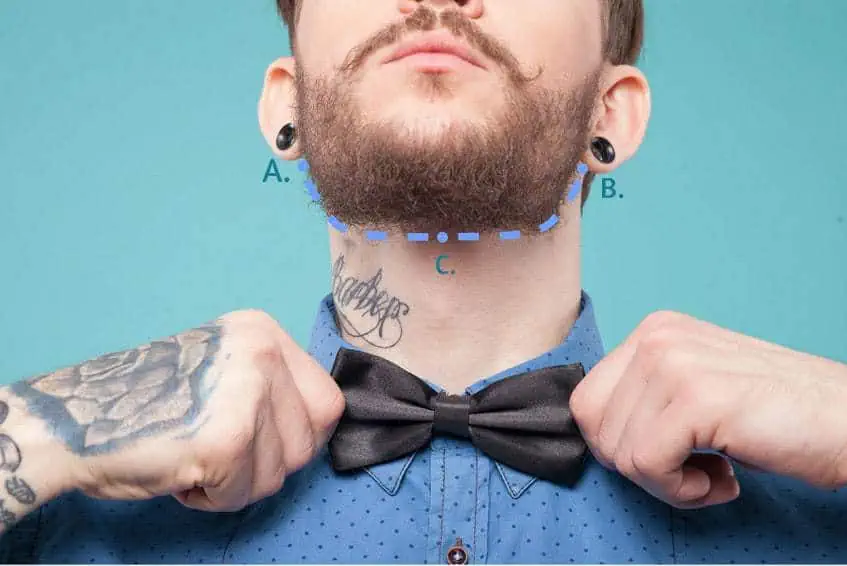
The short answer: your neckline runs from ear to ear in a curve passing about two fingers (roughly an inch) above your Adam’s apple, and everything below that line gets shaved clean. Keep reading to learn how to nail it perfectly every time. And if you accidentally cut your beard neckline too high, don’t sweat it, you can fix it.
Why a Neckline Is Important
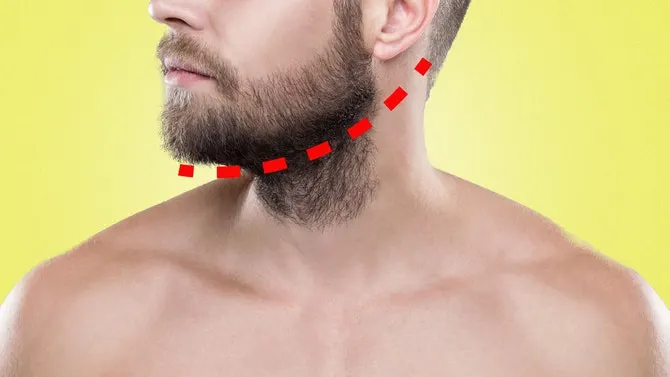
A lot of guys growing a beard completely overlook what’s happening underneath their chin, and that neglected stubble on the neck is exactly what makes an otherwise great beard look sloppy. Once you commit to a beard, the neckline becomes part of the package.
Face shape, physique, and your overall beard density all factor into where and how you define it.
Those first few weeks of growth can feel rough. The beard looks uneven, the neck looks bushy, and the urge to grab a razor and shave it all off is real. Stay patient.
Once you get past that awkward phase and carve a clean neckline, the whole look snaps into place. Whether you’re rocking a short boxed beard or building toward a full beard, a properly shaped neckline is what keeps it looking sharp and well-groomed rather than like you just rolled out of bed.
Where to Trim Your Beard Neckline
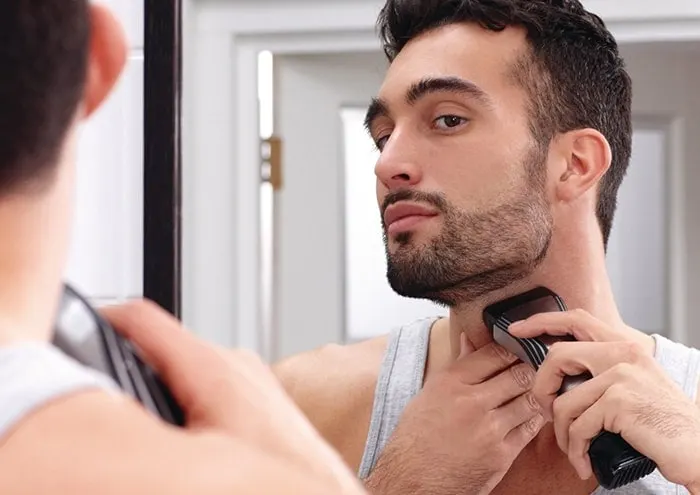
Stand in front of the mirror and mentally draw a curved line connecting both ears, arcing down through a point roughly an inch above your Adam’s apple. That curve is your neckline.
Work outward from the midpoint toward one ear with your razor, then go back to center and repeat on the other side. Symmetry is everything here, so take your time and check both sides from the front profile before committing to any razor line.
Designing Your Beard Neckline
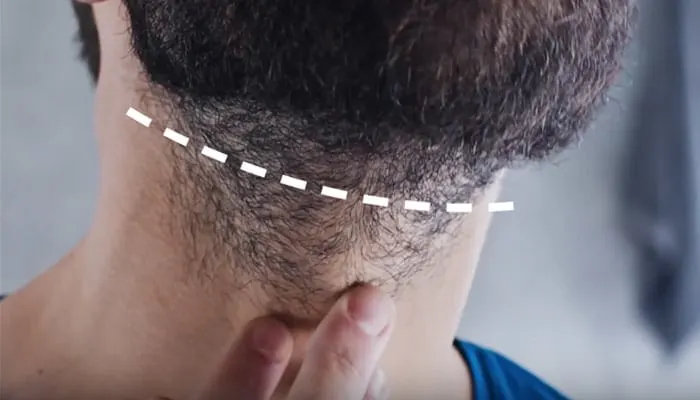
When your stubble hits around 3mm, it’s time to pick up the trimmer and get to work. Finding your neckline placement is straightforward once you know the three-step method.
- Draw a curved line linking both ears, sweeping from one side all the way down through your Adam’s apple and back up to the other ear.
- Place two fingers above your Adam’s apple to pinpoint your neckline. Keep in mind this reference point shifts slightly depending on where your Adam’s apple sits and the width of your fingers.
- Shave everything below that line clean, and you’re good to go.
If you’re carrying a double chin, keep the beard short and let fullness build on the sides of the chin. That width creates the illusion of a slimmer, more defined face shape.
Tools Needed to Trim Your Beard Neckline
Here’s what you’ll need to get the job done right:
Wooden Beard Comb
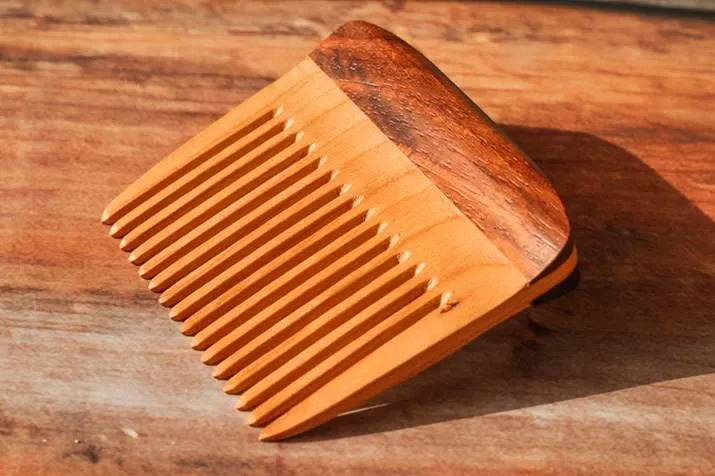
Before you touch a trimmer to your neckline, run a wooden beard comb through your beard first. Static-free and gentle on coarse beard hair, a wide-tooth wooden comb detangles knots and lays the hair flat so you’re trimming an even, consistent surface rather than fighting against clumps and flyaways.
Transparent Beard Shaping Template
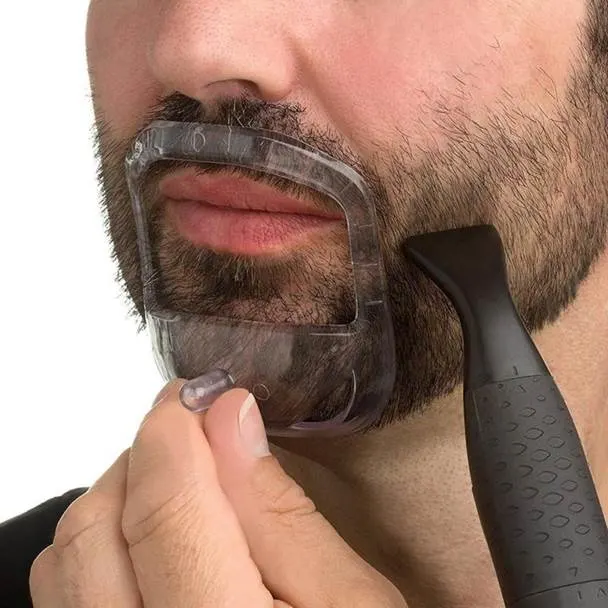
Beard shaping templates come with multiple curved and angled edges, giving you a physical guide to follow so your trimmer never wanders into territory it shouldn’t. Hold the template flush against your skin, lock in your reference point, and let your detail trimmer do the rest. No guesswork, no lopsided necklines.
Flexshaper Curved Neckline Tool
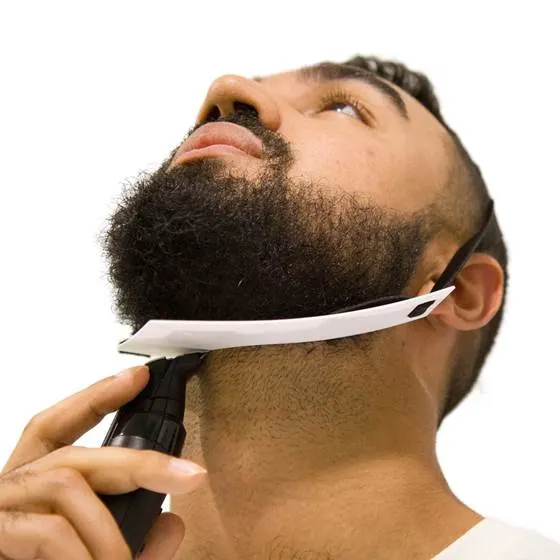
If you’ve ever accidentally taken your neckline too high, the Flexshaper is the tool that fixes that problem for good. It wraps around your neck via elastic bands and sits right at your natural neckline curve, giving you a clean, consistent outline to trim against. Run your trimmer along the edge and you’ll get a carved neckline that looks like a barber did it.
Trim the Beard Neckline the Right Way
You can’t sculpt a clean neckline with bare hands. A quality beard trimmer is your most essential tool here, and getting the right one matters more than most guys realize.
For reliable, consistent results, the Philips Norelco Multigroom Series 3000 line and Braun’s current Series 3 beard trimmers are both excellent picks. Grab either one from Amazon and you’re ready to work through the steps below.
#1. Find and Map Your Natural Neckline
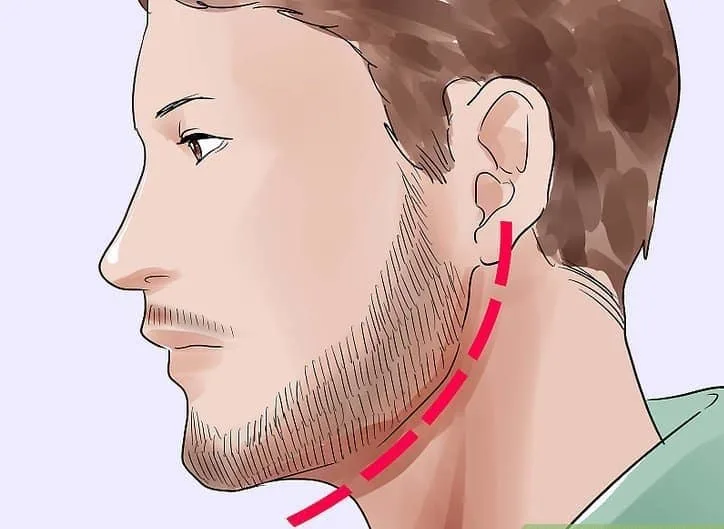
Before you touch a trimmer to your neck, map your neckline first. Your Adam’s apple is your anchor point. From about an inch above it, draw an imaginary arc that sweeps up toward the back of each ear, connecting all three points into a soft, rounded curve.
That arc is your baseline, and everything below it gets removed. Most guys set their neckline too high, which shrinks the visual weight of the beard and makes the jaw look narrower. Keeping that arc low and natural adds fullness to the chin projection and frames the jawline properly.
#2. Trim Below the Line with Your Clipper
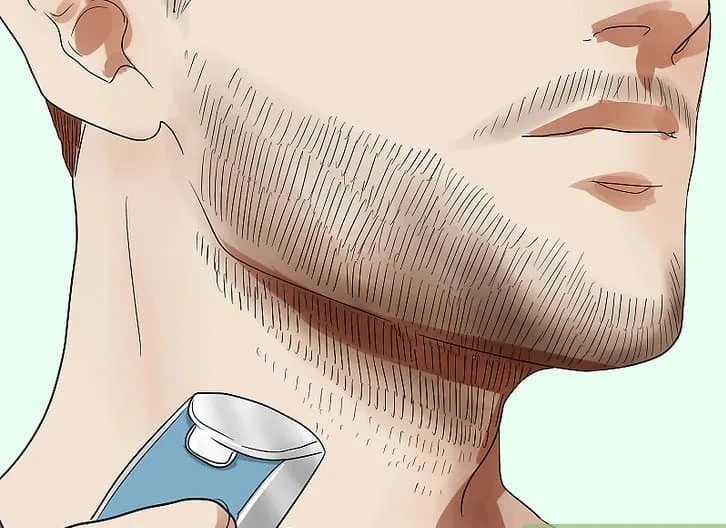
Place one finger directly on your Adam’s apple, set your trimmer just above it, and work outward along the arc you mapped. Drop your guard length one or two settings shorter than your beard length as you move into the submental area, so the transition from beard to neck stays gradual rather than blunt.
Follow that curved neckline all the way to both sides and keep your strokes steady. A rounded neckline curve always looks cleaner than a flat, straight baseline, so resist the urge to go horizontal across the bottom.
#3. Lock In Clean Lines with a Beard Shaping Comb
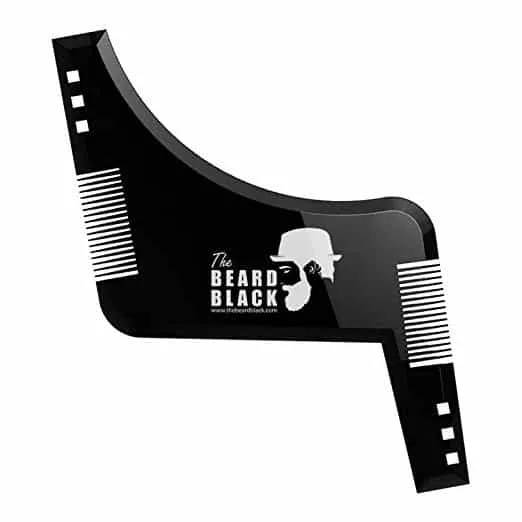
Not confident going freehand? A multi-edge beard shaping comb like the Beard Black takes all the uncertainty out of the process. Position it along your assumed neckline, then trim away everything below the comb’s edge. The built-in guide teeth keep your outline symmetrical and give you a razor-sharp line-up without needing a steady barber hand.
Grab the tool here.
Beard detailing is unforgiving. What’s trimmed off can’t be put back, and regrowth takes at least a week to recover. Work slowly, check your symmetry often, and remember that a well-executed neckline cleanup can transform the entire shape and presence of your beard.