
At a glance
- What it is: a floating mustache over a pointed chin beard, cheeks bare
- Grow time: about 2 months of base growth before shaping
- Best for: oval and square faces; round faces wear taller, narrower versions
- Upkeep: keep the disconnect shaved and the chin point tapered
Name a beard after a 17th-century Flemish painter and you know it carries some history. The Van Dyke (a floating mustache and a pointed chin tuft, cheeks left bare) has stayed in rotation for four centuries because it does one thing brilliantly: it adds drama and a sharp point to the chin without a full beard’s bulk.
It resurfaces regularly on athletes and actors. Here are 15 ways to wear it, classic to modern, plus a bonus gallery of extra looks.
Find what suits you: browse all beard styles, mustache styles, or the trimming guide.
What Is a Van Dyke Beard?
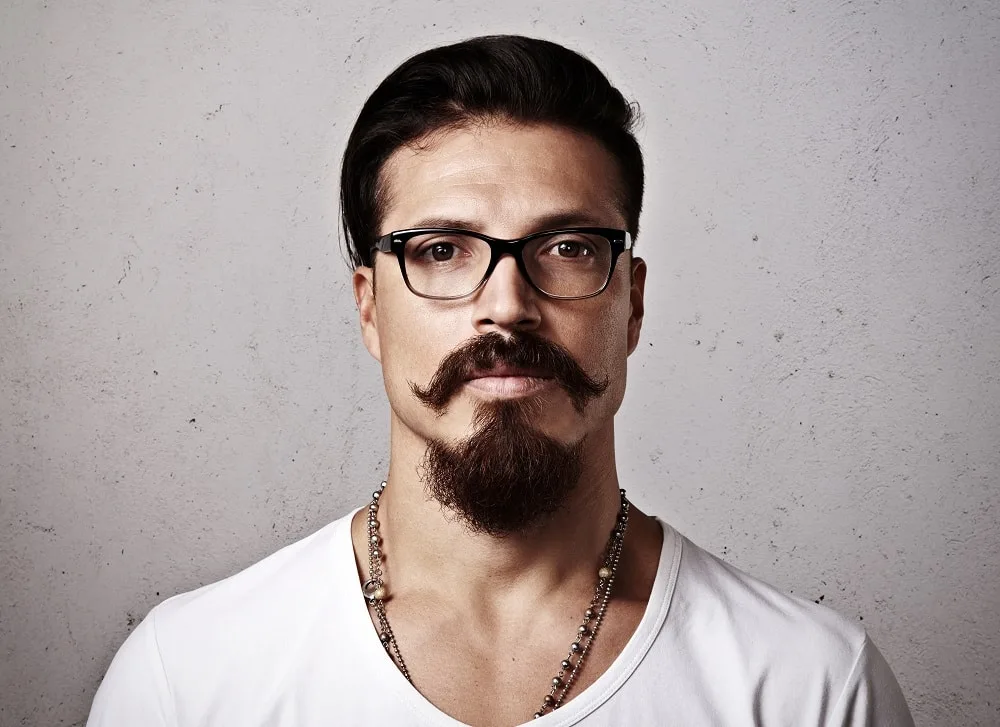
The Van Dyke beard has been enhancing men’s faces since it was made famous by Flemish painter Anthony Van Dyck in the early 17th century.
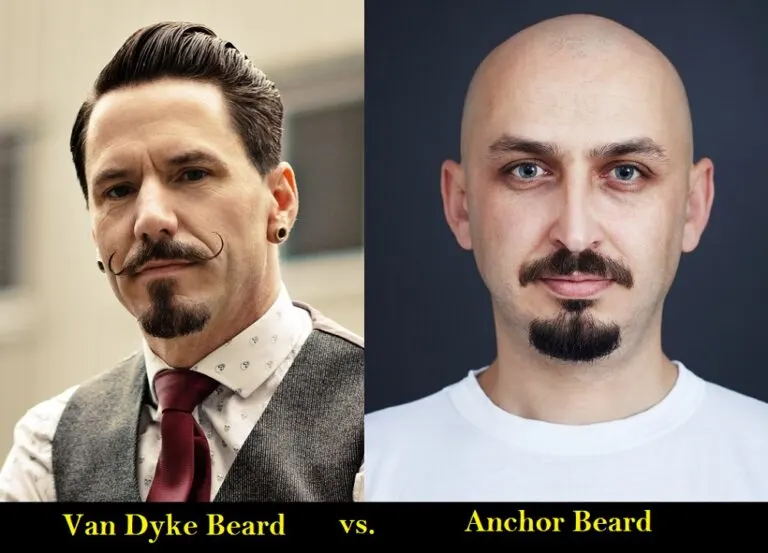
A Van Dyke is a more dramatic variation of the goatee that features a disconnected mustache and chin beard. The mustache grows past the corners of the mouth, while the chin beard grows long and pointed, often extending well below the chin.
Van Dyke Beard for Different Face Shapes
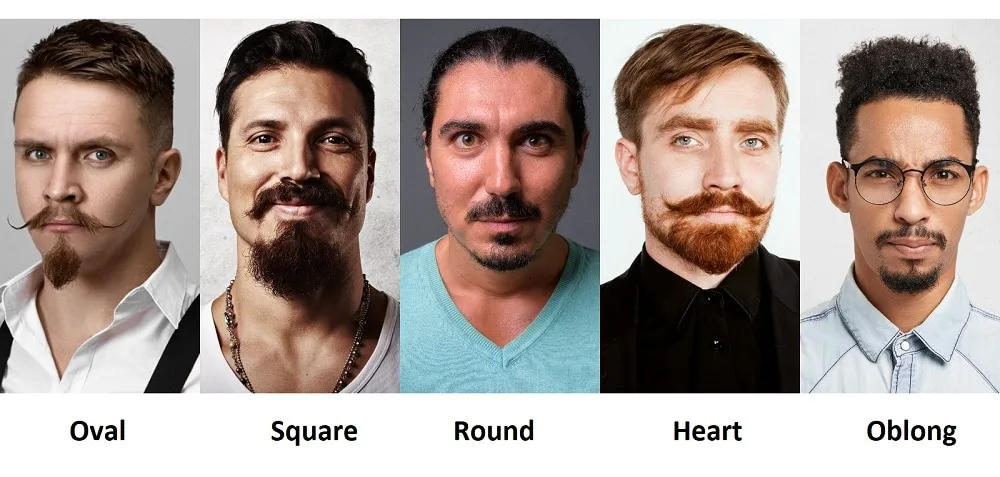
One of the niftiest things about the Van Dyke, in all its various forms, is that it complements so many different face shapes so well. That said, the style does more favors for certain faces than others.
Oval Faces
Van Dyke beards are an ideal choice for men with oval faces, owing to the versatile nature of their well-balanced contours. If you have an oval face shape, chances are you can pull off just about any of the major variations.
Square Faces
Square faces are another excellent canvas for Van Dyke beards, as their natural symmetry keeps any one section of the facial hair from being overemphasized. Softer, fuller styles are especially useful for offsetting a particularly angular jaw.
Round Faces
Round faces benefit from the illusion of length produced by taller, narrower Van Dykes. Unrestrained growth can have the opposite effect, though, so keep that detail trimmer charged.
Oblong Faces
In contrast with round faces, men with more vertical features should avoid configurations that create excess chin length, such as a long, dangling chin puff.
If you’ve got an oblong face, your best bet is a wide, bushy Yosemite Sam-esque handlebar mustache, or an extended goatee that spans your entire jawline to add horizontal width.
Heart-Shaped Faces
Heart-shaped faces are often characterized by an under-pronounced chin, meaning a mammoth mustache will eat up too much valuable facial real estate. Keep your mustache in check and prioritize the volume and taper of your goatee to build up that lower jaw area instead.
Diamond Faces
Men with diamond-shaped faces, marked by prominent bone structure and sharp angles, can absolutely rock a Van Dyke beard. The trick is to stay away from wide mustaches and use longer, thicker growth to soften those more severely etched lines.
Triangular Faces
Men with triangular faces need to be mindful of not adding to their natural length. An expansive mustache can do wonders when it comes to balancing out a long, pointy chin.
Keep your chin hair trimmed short, as the natural angles of your jaw should be enough to achieve that signature Van Dyke pointed chin apex on their own.
How to Grow a Van Dyke Beard
If you’re thinking about trying out a Van Dyke beard, your first step is to put the razor down. If you’re already walking around with a full beard, feel free to skip ahead to the next section.
Depending on how fast your facial hair comes in, we recommend waiting at least two months before attempting to sculpt a proper Van Dyke. This gives you enough time to establish a solid base of growth.
Plus, the more hair you have to work with, the wider your margin of error once you start shearing.
How to Trim a Van Dyke Beard
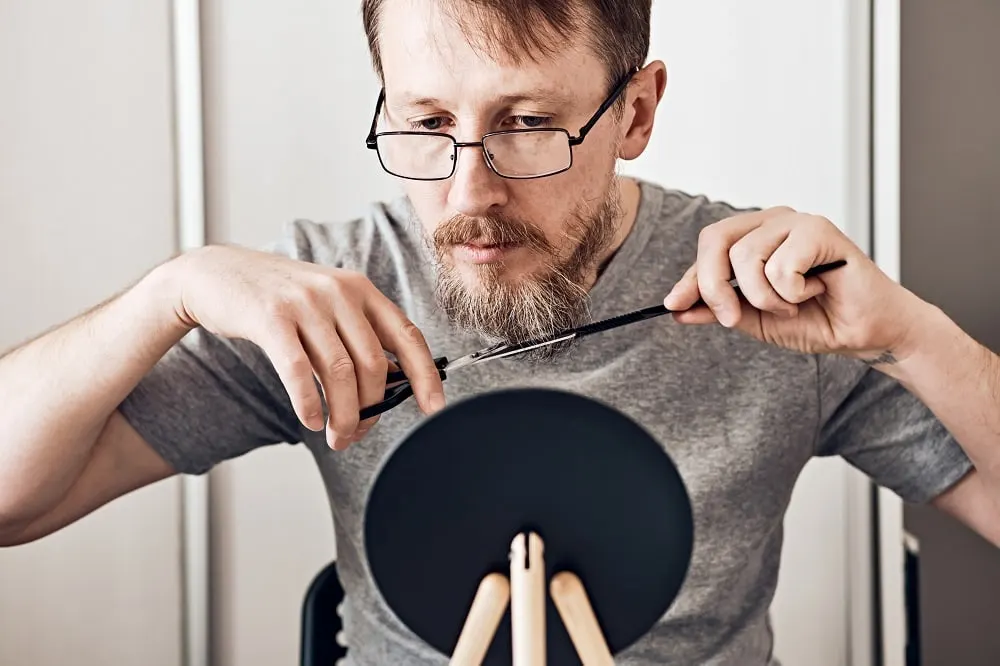
Once you’re sufficiently furry, your next step is to shape that unruly growth into something that says “charming rogue” rather than “too lazy to groom.”
The whole art of the Van Dyke lies in how it’s sculpted.
A traditional Van Dyke calls for all hair on the cheeks to be removed. Unless you’re going for some peculiar D’Artagnan/Jeremiah Johnson hybrid, start by giving yourself a clean shave above the jawline on both sides of your face.
From there, which sections you choose to emphasize or downplay, and how much hair you remove to do it, is entirely your call.
You could get rid of all growth on the cheeks and upper jaw and crop everything else close for a sharp, corporate look. Or you could give your mustache and goatee a head start but let the rest fill in around them, keeping the chin and upper lip regions as the focal point.
Handlebars or no handlebars; soul patch or no soul patch; neat or overgrown. It’s entirely up to you.
There are only two constraints you need to observe if you want to do it right: disconnecting your mustache from your chin hair, and making sure your goatee tapers to a fine point at the chin apex. These are the hallmark components of a true Van Dyke beard and are more or less non-negotiable.
A Van Dyke beard style is defined by a disconnected beard and mustache. The style is typically quite narrow, with most of the facial hair concentrated at the chin point.
Cheek hair and sideburns are usually avoided in a classic Van Dyke look, but modern beard wearers have changed the rules a bit. Below are some of the subtle Van Dyke beard style variations.
01 of 15Anchor Beard with Soul Patch Connector
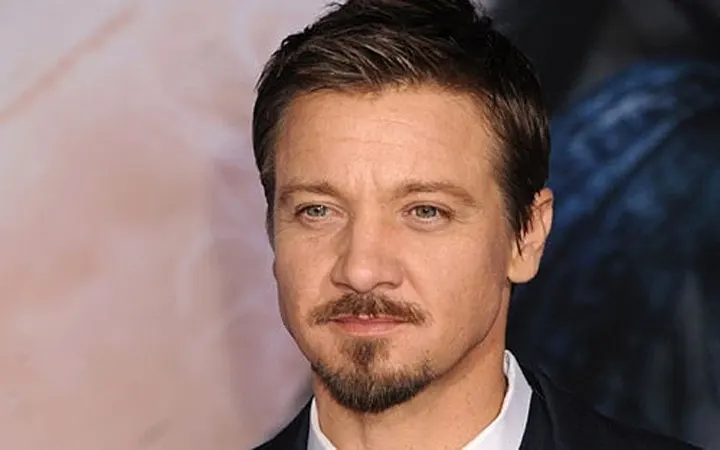
For a nautical-themed beard, style your facial hair into an anchor shape. The beard curves under the chin and connects up to the mustache with a narrow soul patch strip, giving you that sharp, graphic outline that looks great with clean cheeks.
02 of 15Salt and Pepper Pointed Van Dyke
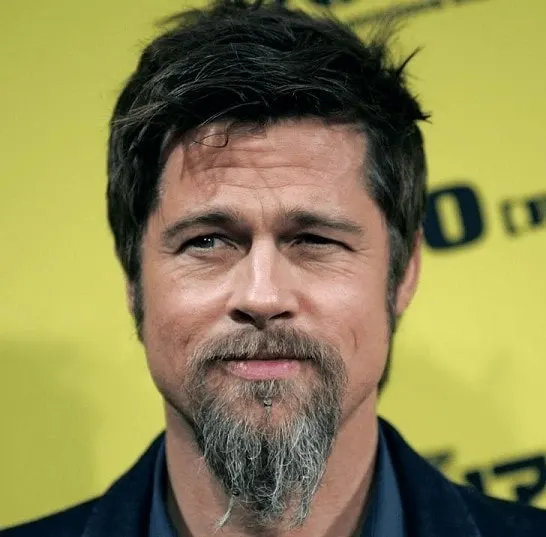
A pointed beard elongates the face and adds serious chin projection. Style your beard so it tapers to a distinct point at the chin apex, with the cheeks kept clean for maximum contrast.
03 of 15The Johnny Depp Patchy Van Dyke
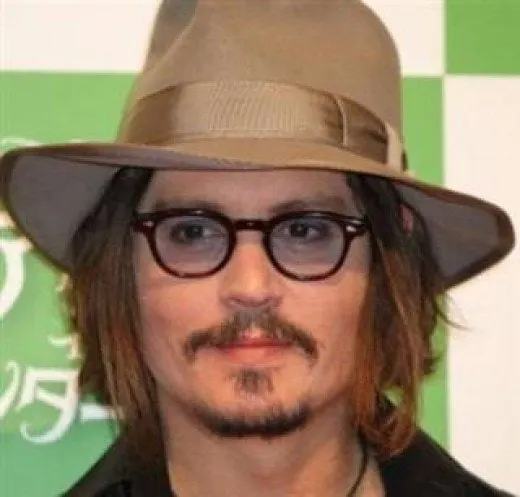
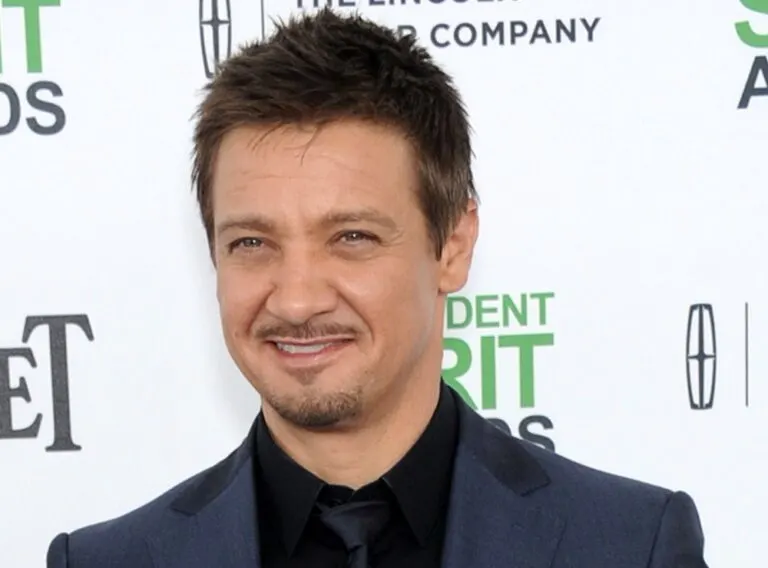
This style has become synonymous with Johnny Depp because he has rocked this look for years. He keeps the chin hair short and patchy for a real bohemian feel, with a thin mustache that stays deliberately loose and unstructured.
04 of 15Johnny Depp Fuller Van Dyke with Handlebar Mustache
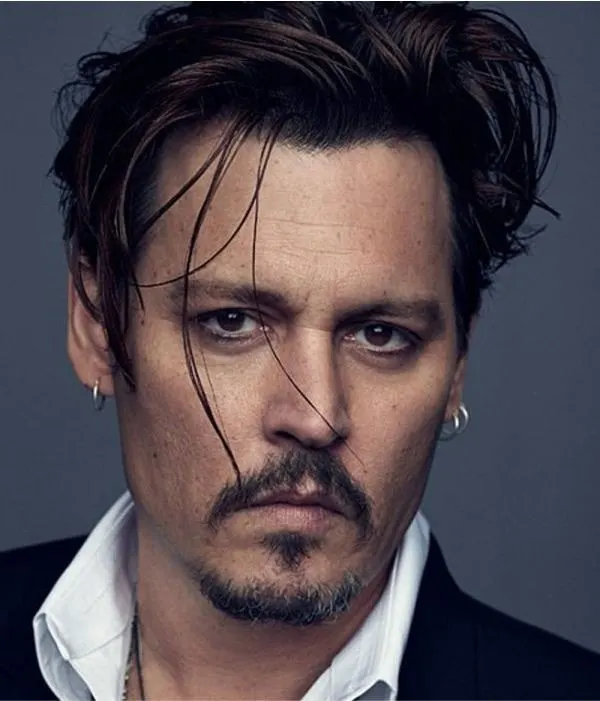
Johnny Depp’s look carries far more weight when he grows the beard thicker and lets the mustache develop into a soft handlebar shape. The fuller Van Dyke suits his lean facial features perfectly, adding definition without bulk.
05 of 15Anchor Beard with Heavy Cheek Stubble
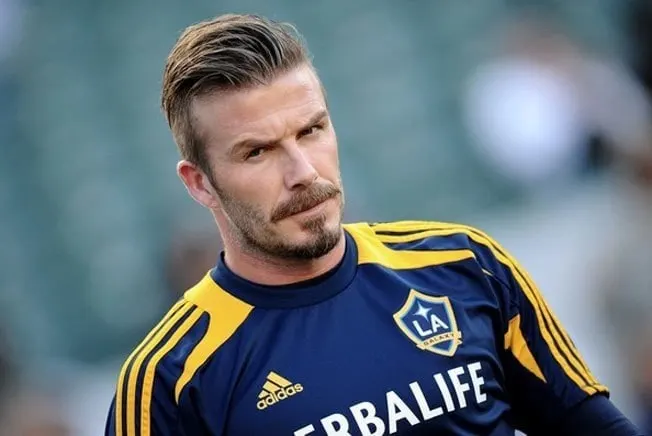
A classic Van Dyke keeps the cheeks clean, but we can make an exception for David Beckham. The heavy cheek stubble gives the anchor beard a rough, lived-in edge that keeps the whole look from feeling too polished.
Read: Beard Types: Did You Know All These?
06 of 15The Van Dyke with Waxed Handlebar Mustache
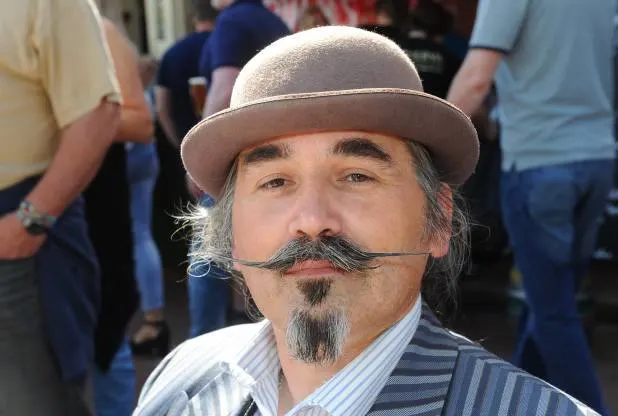
A waxed handlebar mustache teased into a long, thin curled shape pairs brilliantly with a Van Dyke chin puff. Together, these two elements create a seriously quirky, showstopping combination that is not for the faint of heart.
07 of 15Salt and Pepper Pointed Van Dyke with Bushy Mustache
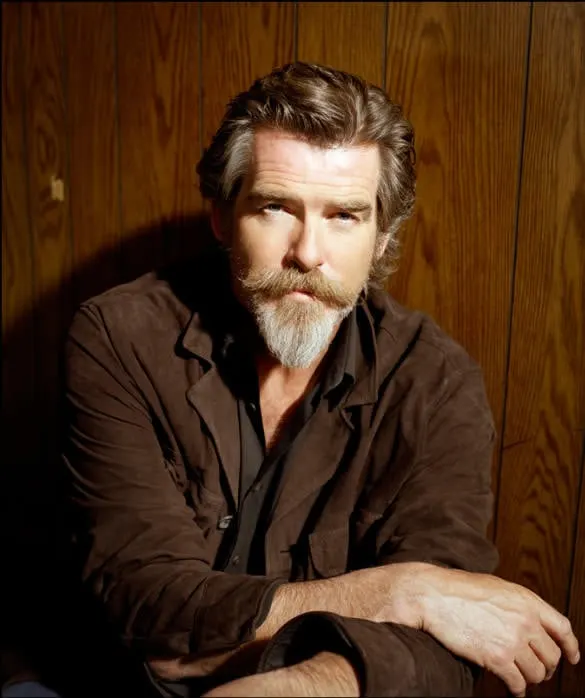
For a Texan cowboy vibe, let the chin beard taper to a sharp point while you groom the mustache so it sits full and bushy, completely distinct from the chin section below. That contrast between the bold mustache and the tapered chin is what sells the whole look.
08 of 15Rounded Chin Puff Van Dyke
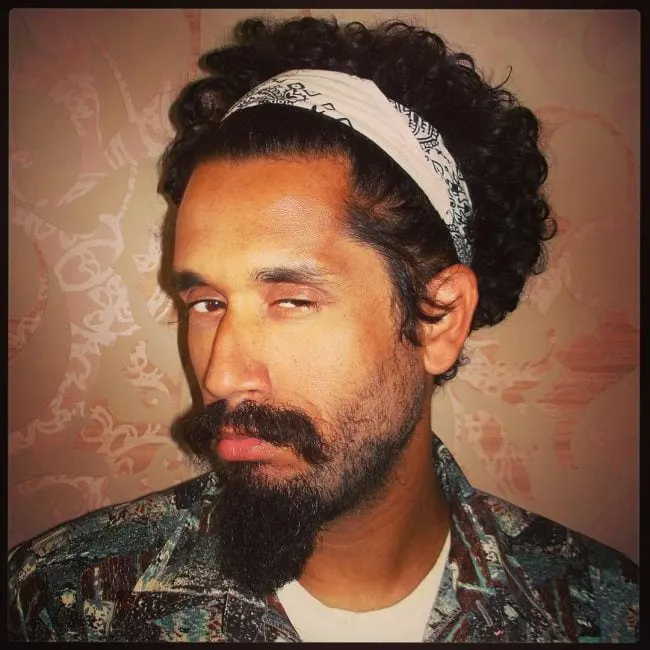
Instead of tapering the chin beard to a point, keep it thick and rounded at the base. This rounded chin puff shape is reminiscent of the 1960s and 1970s, and it suits laid-back guys who want something with a bit of retro character.
09 of 15Salt and Pepper Extended Goatee Van Dyke
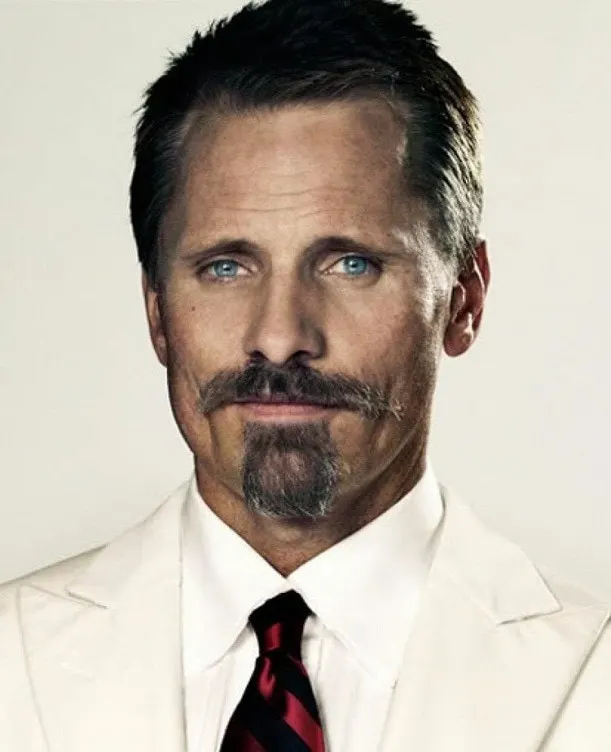
Colonel Sanders has a very distinctive look, but some style icons consider it a touch dated. With careful beard shaping and clean outlining, you can give this classic a modern twist that feels sharp rather than old-fashioned.
10 of 15Petite Chin Puff with Sparse Mustache

If you are not ready to commit to a full Van Dyke, this is a great gateway look. A few wispy hairs at the chin and a light mustache keep everything understated, making it a solid choice for anyone who prefers a softer, more subtle presence.
11 of 15Auburn Disconnected Wide Anchor Van Dyke
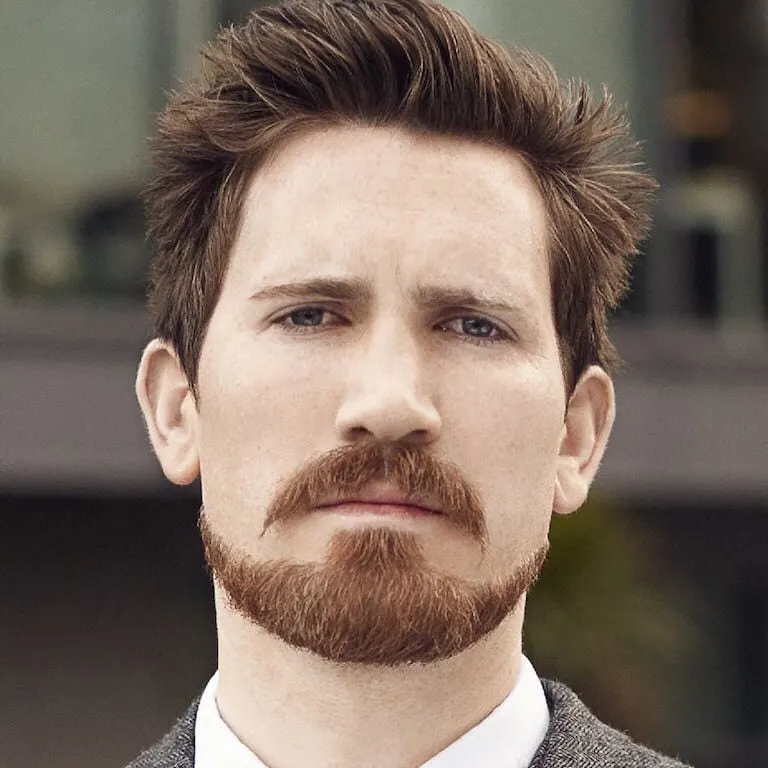
The Wide Anchor Van Dyke differs from the classic version because the chin beard spans the full width of the chin rather than tapering to a narrow point. It gives the whole look a retro, old-school edge that feels both distinctive and surprisingly wearable.
12 of 15Salt and Pepper Extended Van Dyke with Curled Handlebar Mustache
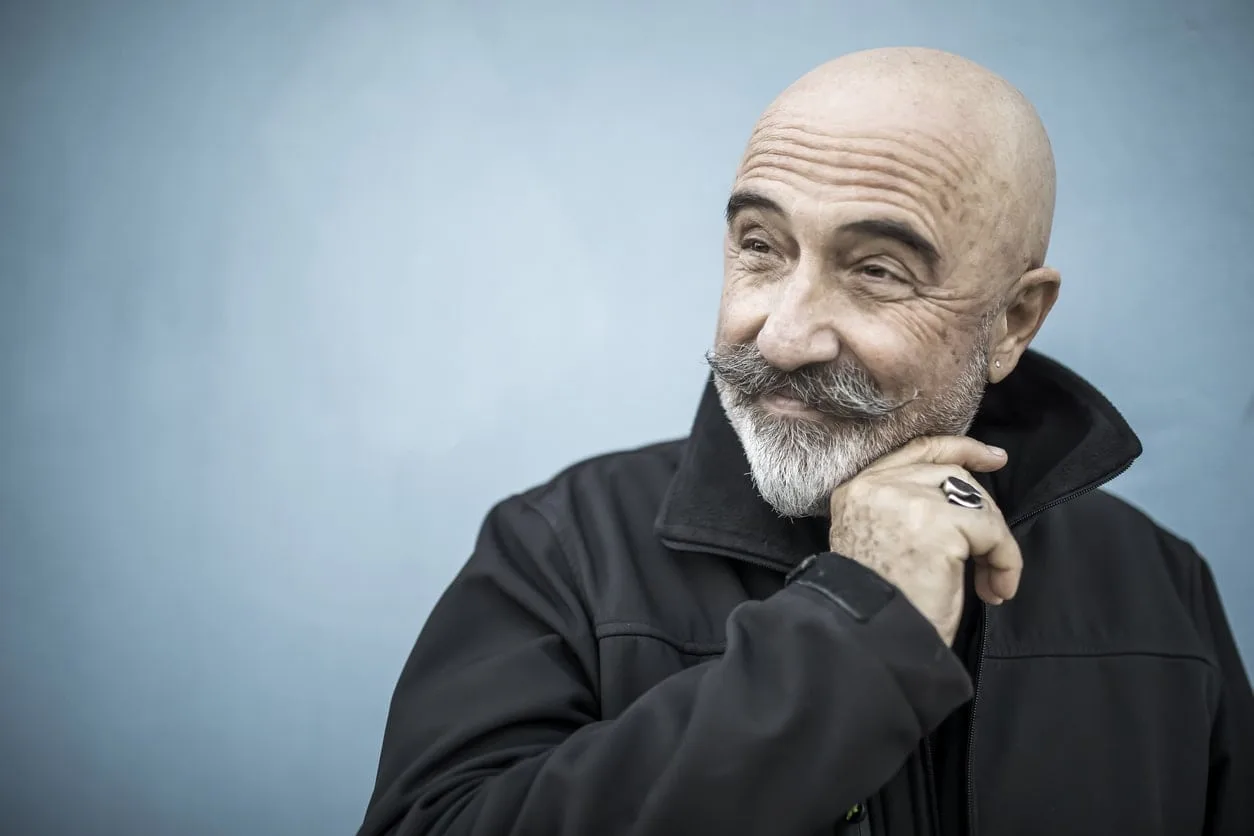
Here the extended goatee grows out along the jawline and connects to the sideburns, carving a clean V-shape around the chin. Paired with a handlebar mustache styled to curl upward at the tips, the combination carries serious old-world character.
13 of 15Dark Brown Petite Spade-Shaped Van Dyke
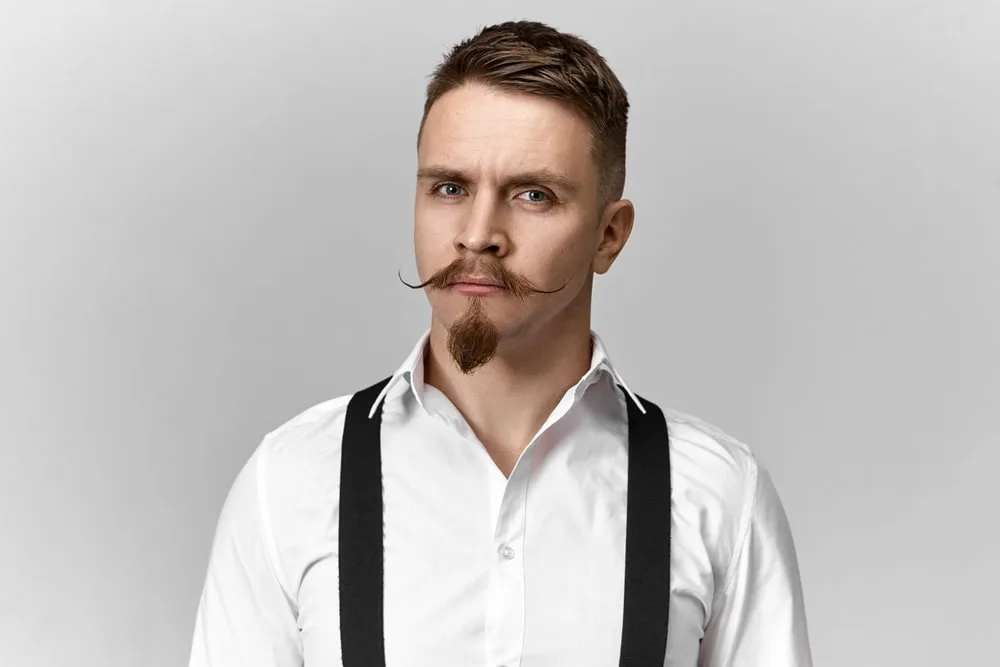
The chin hair is trimmed into a narrow tuft that tapers at both ends, forming a clean spade shape. The edges of the goatee stay thin, and the upper edge blends naturally into the soul patch zone.
The cheeks and jawline are shaved bare. Sharp, minimal, and polished.
14 of 15Brown Chin Strip Van Dyke with Bold Chevron Mustache
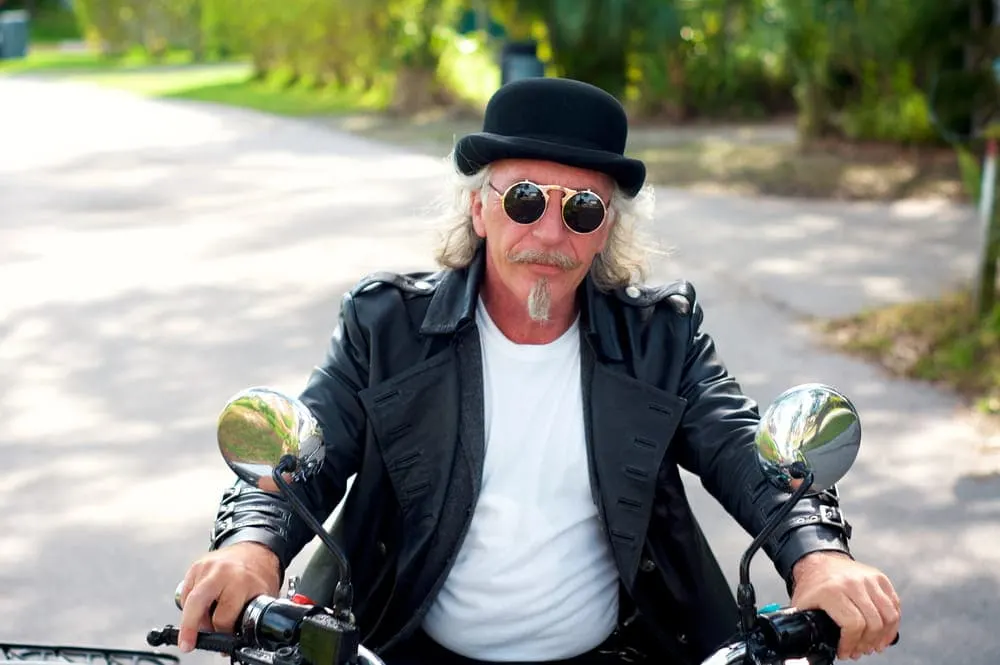
The beard is shaped into a thin, vertical chin strip running straight down the center of the chin. Combine that with a bold chevron mustache and you’ve got a look with serious hipster credibility.
15 of 15Dark Squared Van Dyke with Disconnected Soul Patch

In this Van Dyke variation, the chin hair is trimmed into a squared shape with the corners extending up toward the mustache. The area just below the soul patch is shaved clean, leaving a crisp gap that gives the whole outline a precise, structured finish.
More Popular Van Dyke Beard Styles That You’ll Love
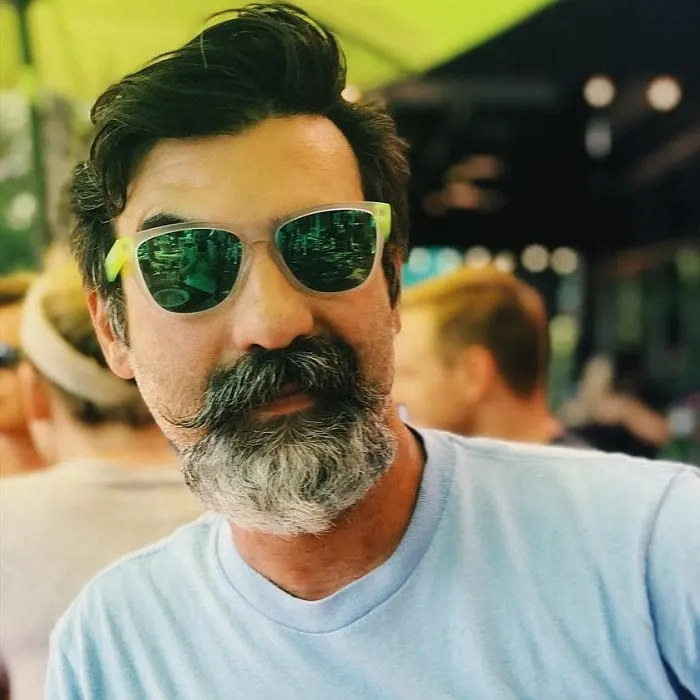
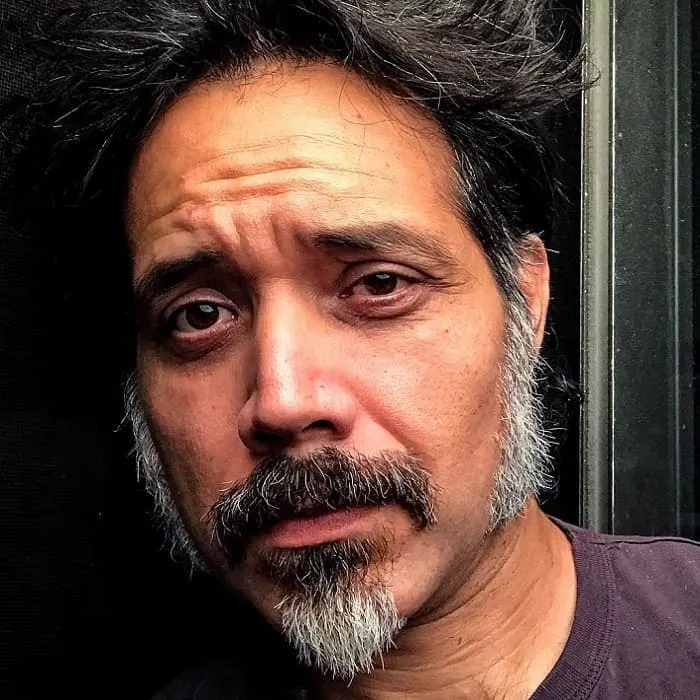
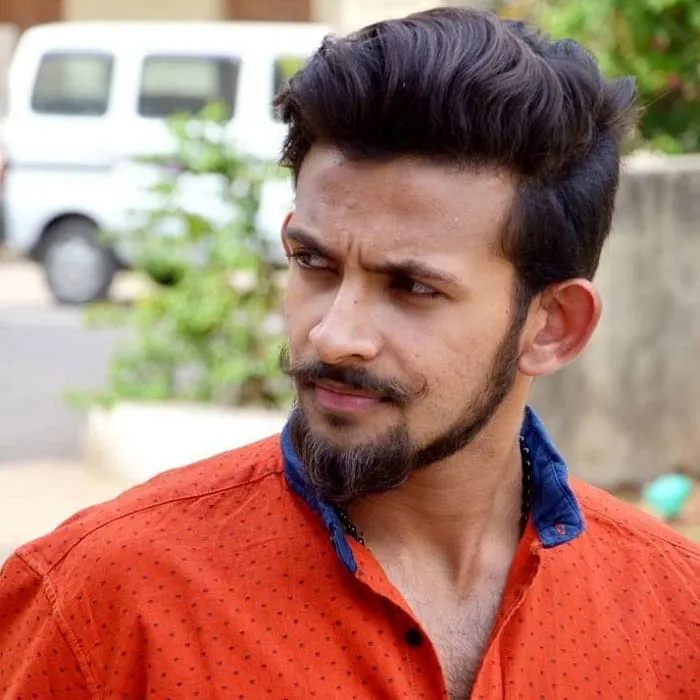
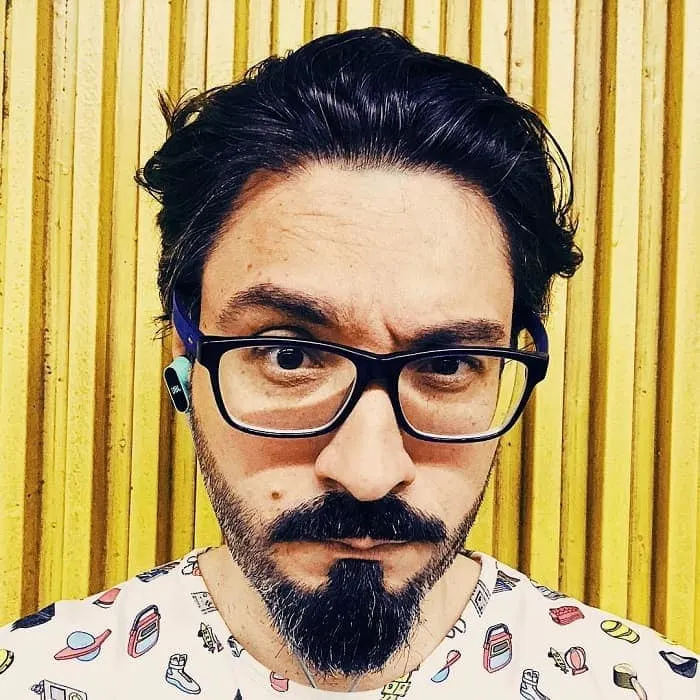
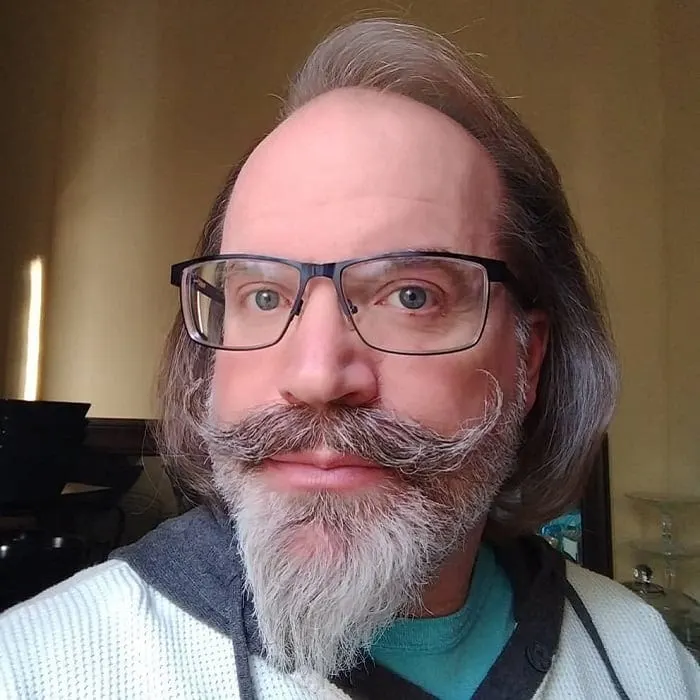
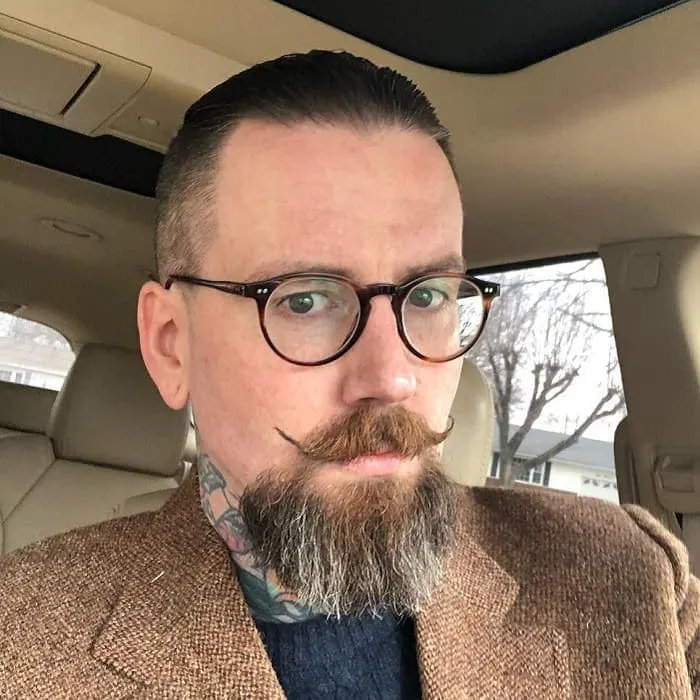
Goatee vs. Van Dyke
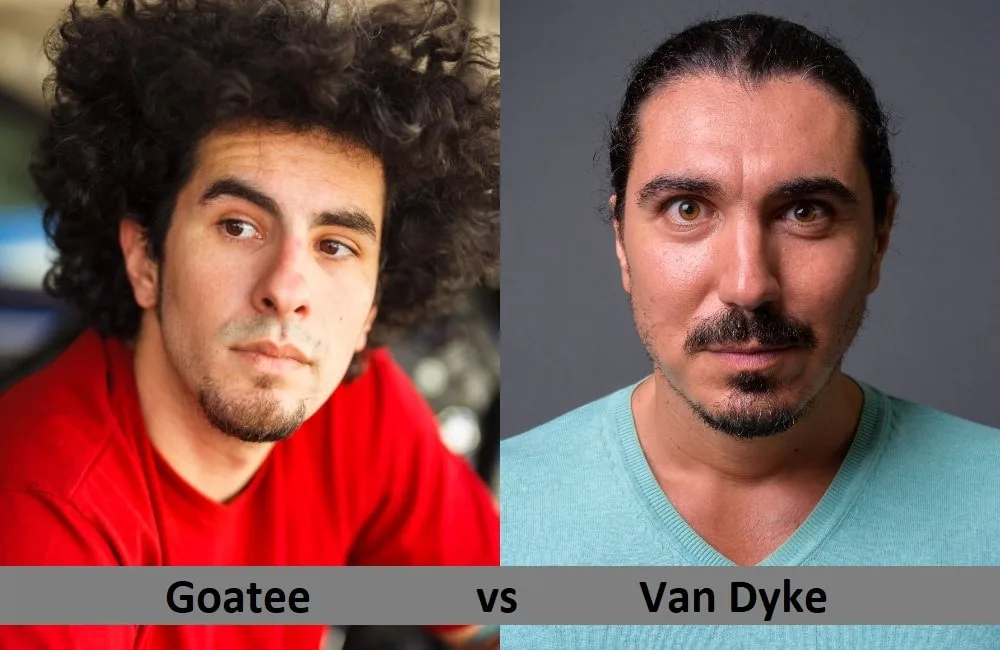
The Van Dyke beard has a lot in common with the equally varied goatee. So much so that the style is sometimes called the “Van Dyke goatee,” which makes perfect sense once you realize the goatee is literally half of a classic Van Dyke.
The cardinal difference between a Van Dyke and a goatee is the mustache. Contrary to popular belief, the term “goatee” refers only to the hair on and around the chin.
In other words, the mustache isn’t an integral component of the goatee, whereas it’s 50% of a Van Dyke. On top of that, the mustache and chin beard are generally disconnected from one another, creating two separate and distinct zones of growth.
A lush goatee isn’t even a strict necessity. Though some purists might quibble about the terminology, you could get away with growing what might be called a “Van Dyke mustache” with only a soul patch or abbreviated chin beard as a counterpoint, à la Doc Holliday or Eugen Sandow.
Van Dyke Questions, Answered
What is a Van Dyke beard?
A disconnected mustache floating above a pointed chin beard, with the cheeks left bare. It is the more dramatic cousin of the goatee, named for the 17th-century painter Anthony Van Dyck.
What face shape suits a Van Dyke?
Oval and square faces wear almost every variation well. Round faces benefit from taller, narrower versions, while oblong faces should avoid extra chin length and lean on a wider mustache instead.
How long should I grow before shaping one?
Give it at least two months of growth first. More hair means a wider margin of error once you start sculpting.
The Beard Style Verdict
Two rules are non-negotiable: keep the mustache disconnected from the chin, and taper the chin beard to a point. Honor those and every other choice, handlebar or not, soul patch or not, is yours.