
At a glance
- Judge after: 4 to 6 weeks of uninterrupted growth
- Feed it: protein, biotin, vitamin D, zinc, iron
- The ceiling: genetics; habits decide how close you get
A thick mustache can completely change your look. It adds character, sharpens the face, and gives even a simple style more presence. But getting there takes more than just putting down the razor. Genetics matter, yes, but your grooming habits, health, and patience matter too.
If you want a fuller, healthier mustache, focus on the basics first, then support growth with the right products and habits. Here is a clean step-by-step guide to growing, trimming, and styling a thick mustache the right way.
Find what suits you: browse all beard styles, mustache styles, or the trimming guide.
How to Grow a Thick Mustache

Growing a thick mustache is part biology and part discipline. You cannot change your DNA, but you can absolutely improve the way your mustache grows, looks, and fills in over time. Start with these eight fundamentals.
1. Let It Grow Without Over-Trimming
The first mistake most men make is judging their mustache too early. A mustache almost always looks uneven and underwhelming in the first couple of weeks. That does not mean it is thin. It usually means it has not had enough time to develop real shape and density yet.
Commit to at least four to six weeks of uninterrupted growth before deciding what you are working with. Avoid trimming beyond obvious lip overhang during this early stage. You need enough length to see the true pattern, thickness, and potential of your mustache.
. Work With Your GeneticsGenetics set your mustache’s ceiling: the pattern, the density, the pace. You cannot change that blueprint, but you can make sure nothing gets in its way: eat well, sleep well, manage stress, and give it time. The habits below cover exactly that.
3. Improve Your Diet

Your mustache grows from the inside out. What you eat directly affects how fast and how thick your facial hair develops. Prioritize these nutrients to give your follicles the best possible environment to thrive:
- Protein: Hair is made of keratin, a protein. Load up on eggs, chicken, fish, and legumes to fuel growth.
- Biotin (Vitamin B7): Found in eggs, nuts, and sweet potatoes, biotin supports keratin production and is one of the most well-known nutrients for hair health.
- Vitamin D: Low vitamin D levels have been linked to hair loss. Get sunlight and eat fatty fish.
- Zinc: This mineral supports hair tissue growth and repair. Oysters, beef, and pumpkin seeds are excellent sources.
- Iron: Iron deficiency is a common cause of thinning hair. Spinach, red meat, and lentils help keep your levels up.
Staying well-hydrated matters too. Dehydration affects every cell in your body, including the ones responsible for hair growth. Aim to drink water steadily throughout the day and cut back on alcohol, which can deplete key vitamins your follicles depend on.
4. Exercise Regularly

Regular exercise, especially strength training and high-intensity interval training, supports healthy hormone levels. Exercise and good sleep support overall health and normal hormone levels. They won’t add follicles or out-muscle genetics, but they give the mustache you can grow its best shot.
Exercise also improves circulation, which means more blood flow to your facial follicles. Better circulation delivers more oxygen and nutrients directly to the roots of your mustache hair. Even 30 minutes of moderate activity most days of the week supports that blood flow over time.
5. Get Enough Sleep

Your body does its most important repair and growth work while you sleep. Testosterone production peaks during deep sleep cycles, which makes consistent rest one habit genuinely worth keeping. Aim for seven to nine hours of quality sleep every night.
Chronic sleep deprivation raises cortisol levels, and elevated cortisol suppresses testosterone. It is a double hit against your facial hair. Keep a consistent sleep schedule, limit screen time before bed, and make your sleep environment as dark and cool as possible.
6. Reduce Stress

Stress is one of the most underrated enemies of facial hair growth. When your body is under chronic stress, it floods your system with cortisol — and severe, sustained stress can push hair follicles into a resting phase. The result is slower, thinner growth.
Managing stress is not just good for your mental health. It is genuinely good for your mustache. Meditation, regular exercise, time outdoors, and even just cutting back on caffeine can all help bring cortisol levels down. Find what works for you and make it a consistent habit.
7. Use Mustache Oil
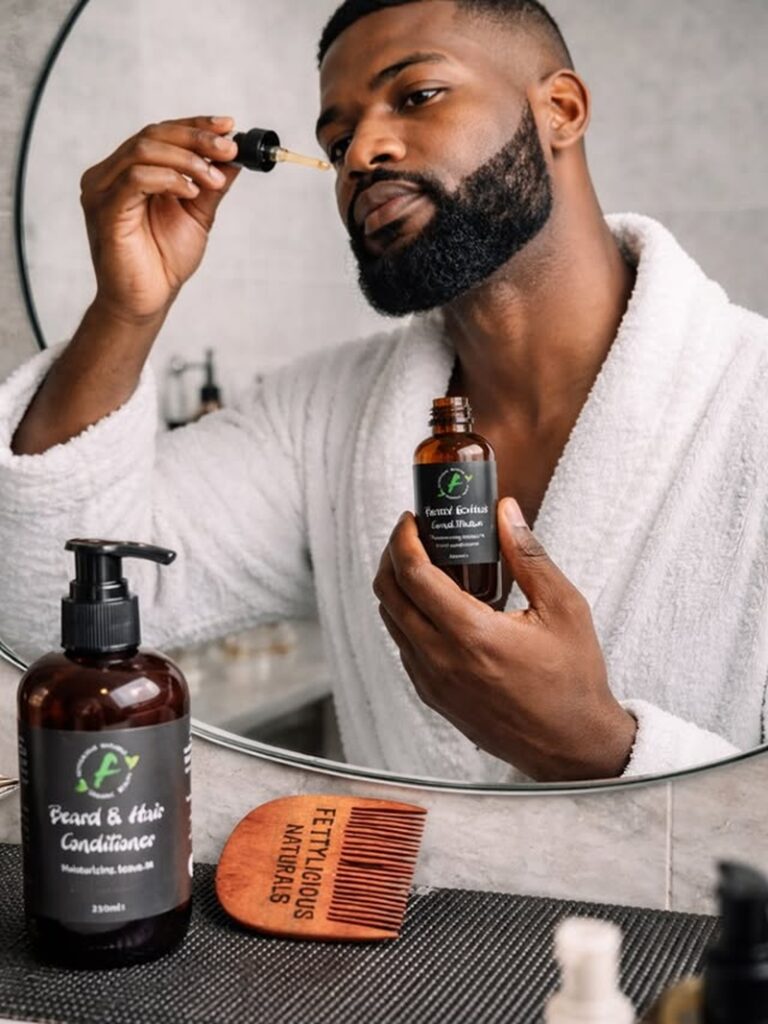
Mustache oil keeps the hair and the skin underneath it properly moisturized, which creates a healthier environment for growth. Dry, brittle mustache hair breaks more easily and looks thinner than it actually is. A few drops of a quality mustache oil applied daily can make a visible difference in texture and fullness.
Look for oils that contain carrier oils like jojoba, argan, or sweet almond oil. These closely mimic the skin’s natural sebum and absorb well without leaving a greasy residue. Some formulas also include essential oils like cedarwood or peppermint for scent and a cooling, refreshed feel on the skin.
8. Be Patient
Growing a thick mustache takes time, and there is no shortcut around that biological reality. Most men need at least four to six weeks before they can accurately assess what their mustache is actually capable of. Judging your growth at two weeks is like judging a painting before the artist has finished the first layer.
Commit to the process. Keep the area clean, moisturized, and well-groomed even during the awkward in-between stages. The men who end up with genuinely impressive mustaches are almost always the ones who simply refused to quit during the itchy, patchy early weeks.
Growing a thicker, healthier mustache is absolutely achievable with the right habits in place. Follow these tips, stay consistent, and give your facial hair time to reach its full potential.
How to Trim a Thick Mustache

Once your mustache has reached a respectable length, keeping it shaped and clean is what separates a polished look from an overgrown mess. Trimming a thick mustache is straightforward when you follow the right sequence. Here is how to do it properly:
- Wash and dry your mustache first. Always trim dry hair. Wet hair appears longer than it actually is, which means you will almost certainly cut off more than you intended.
- Comb it straight down. Use a fine-tooth mustache comb to brush all the hair downward so you can see the true length and spot any uneven sections.
- Define the top edge. Use a trimmer or small scissors to clean up the line where your mustache meets your nose. Keep this line sharp and even on both sides.
- Trim the bottom edge. Carefully trim any hair that hangs over your lip line. You want the mustache to sit just above the upper lip, not droop into your mouth.
- Shape the sides. Decide how wide you want the mustache to extend. Trim the outer edges to match your chosen width, keeping both sides symmetrical.
- Check for bulk. If the mustache feels too thick or dense, use thinning scissors or a clipper with a guard to reduce volume without losing length.
- Clean up the philtrum. The philtrum is the groove between your nose and upper lip. Some men prefer to keep this area clear for a cleaner look. Use a precision trimmer to define this space if needed.
- Apply mustache wax or balm. Once trimmed, finish with a small amount of wax or balm to hold the shape, tame flyaways, and add a healthy sheen.
Thick Mustache Styles
Once you have put in the work to grow a genuinely thick mustache, the fun part begins: choosing a style that fits your face, your personality, and your lifestyle. Here are the most iconic thick mustache styles worth considering:
1. Chevron Mustache

The chevron is the gold standard of thick mustache styles. It is wide, full, and sits just above the upper lip with a clean, downward-pointing shape that mirrors the chevron symbol. Tom Selleck made this style iconic in the 1980s, and it has never really gone out of fashion.
To grow a chevron, let your mustache fill in completely across the upper lip and trim the bottom edge so it just grazes the lip line. Keep the sides from extending too far past the corners of your mouth. The result is a bold, masculine look that works on almost every face shape.
2. Handlebar Mustache

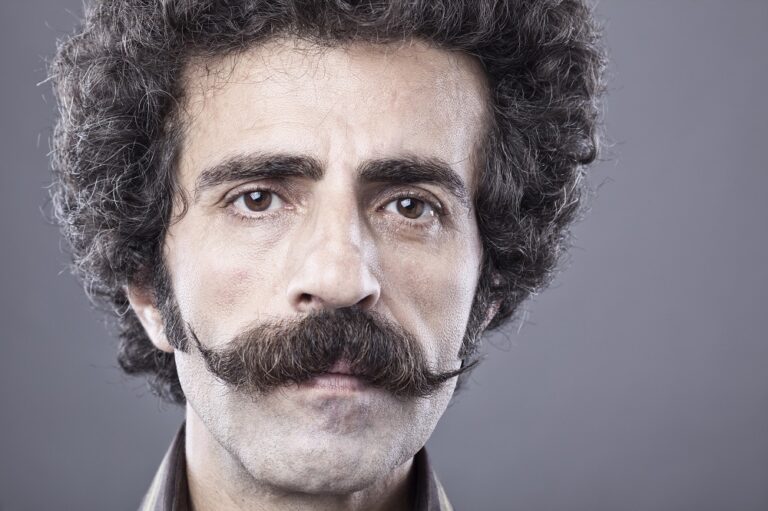
The handlebar mustache is one of the most recognizable styles in grooming history. It features a thick, full body across the upper lip with the ends trained and waxed to curl upward into distinctive points. The style takes its name from the curved handlebars of a bicycle.
Growing a proper handlebar requires patience and daily training. Use a strong-hold mustache wax to curl the ends consistently in the same direction every day until the hair holds the shape on its own. The longer the mustache, the more dramatic the curl can be.
3. Walrus Mustache
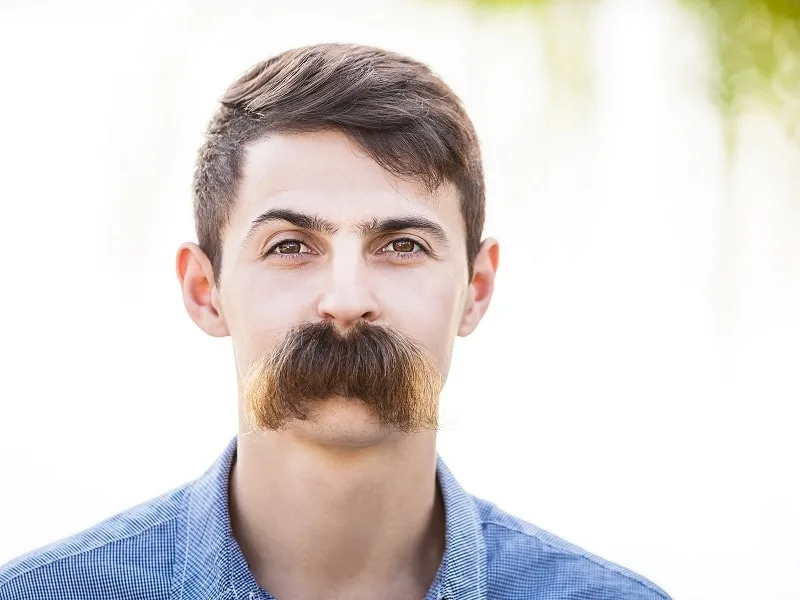
The walrus mustache is exactly what it sounds like: a thick, bushy mustache that droops heavily over the upper lip and sometimes covers the mouth entirely. It is one of the most demanding styles to grow because it requires serious density and length to pull off correctly.
Sam Elliott has worn this style for decades and made it look naturally rugged. The walrus works best on men with strong jaw lines and broader faces. Keep it clean by trimming the sides and occasionally thinning the bulk so it stays intentional rather than just overgrown.
4. Horseshoe Mustache

The horseshoe mustache starts as a full mustache across the upper lip and extends downward along the sides of the mouth toward the chin, forming the shape of an upside-down horseshoe. Hulk Hogan is probably the most famous wearer of this style, which gives it an undeniable association with old-school toughness.
The key to a clean horseshoe is keeping the vertical strips tight and well-defined. They should be roughly the same width as the mustache itself. Shave everything outside those lines close and clean to make the shape pop against the skin.
5. Fu Manchu Mustache

The Fu Manchu is a dramatic style that features a mustache growing from the upper lip with two long, thin extensions that drop straight down past the chin. Unlike the horseshoe, the Fu Manchu extensions grow directly from the mustache itself rather than from the sides of the mouth.
This style is a serious commitment. The extensions can take many months to reach a dramatic length, and maintaining the clean shave around them is essential to keeping the look intentional. It is a bold choice that works best for men who are fully committed to the aesthetic.
6. English Mustache
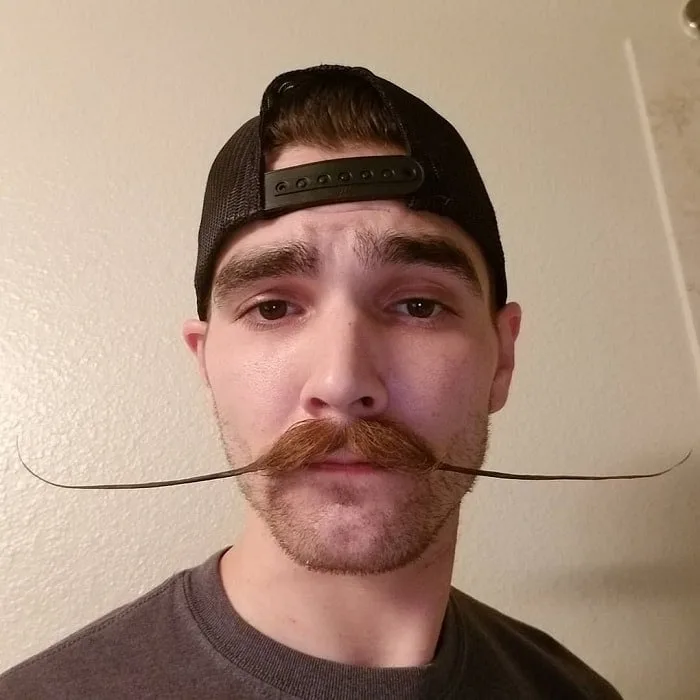
The English mustache is a refined, narrow style that parts in the center and extends outward horizontally, with the ends trained to point straight out to the sides rather than curling upward. It is more restrained than the handlebar but carries the same sense of deliberate, old-world grooming.
A strong-hold wax is essential for keeping the ends in place. The English mustache pairs well with formal attire and suits men who prefer a groomed, precise aesthetic over a rugged one. It takes consistent daily styling to maintain the horizontal line and keep both sides even.
7. Imperial Mustache

The imperial mustache is one of the most theatrical styles in the grooming world. It features a wide, thick mustache with the ends waxed and curled dramatically upward, almost like a handlebar in reverse. The style was popular among European royalty and military officers in the 19th century.
Kaiser Wilhelm II of Germany is perhaps the most historically associated figure with this style. Growing an imperial requires significant length and density, along with a very strong wax to hold the upward curl against gravity. It is a statement piece, not an everyday look for most men.
8. Painter’s Brush Mustache

The painter’s brush mustache is a wide, flat style that covers the entire upper lip from corner to corner with a clean, even bottom edge. It is essentially a wider, more squared-off version of the chevron, with less of a downward point and more of a straight horizontal line across the lip.
This style is low-maintenance compared to waxed options. Keep the bottom edge trimmed straight and the top edge clean near the nose, and the look largely takes care of itself. It suits men with wider faces and strong features who want a bold mustache without the upkeep of a styled curl.
Thick Mustache with Beard Styles
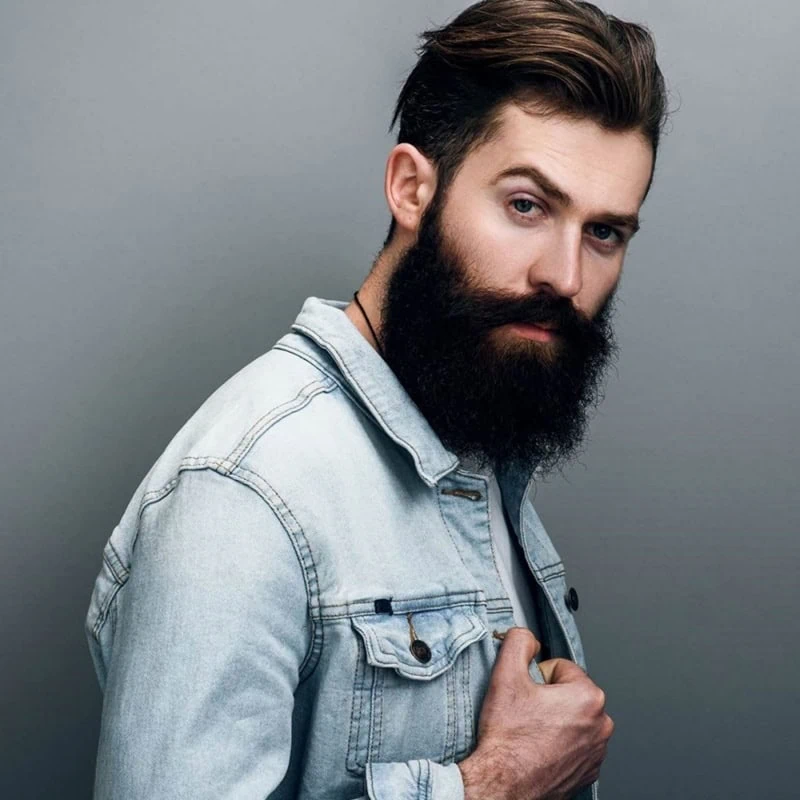
A thick mustache does not have to stand alone. Pairing it with the right beard style can create a cohesive, powerful look that frames the entire face. Here are some of the best combinations to consider:
1. Thick Mustache with Full Beard

The full beard and thick mustache combination is the most classic pairing in men’s grooming. When the mustache and beard are grown together and kept at a similar density, the result is a unified, commanding look that works across a wide range of face shapes.
The key is keeping both elements balanced. If the mustache is significantly thicker or longer than the beard, it can look disconnected. Regular trimming to maintain consistent density across the mustache and beard keeps the overall look intentional and well-groomed.
2. Thick Mustache with Stubble

Pairing a thick mustache with short stubble on the rest of the face creates a strong contrast that makes the mustache the clear focal point. The stubble adds texture and masculinity without competing with the mustache for attention. It is a versatile combination that works in both casual and professional settings.
Keep the stubble at a consistent length using a trimmer with a guard, typically between a two and four setting depending on your preference. The mustache should be noticeably fuller and longer than the stubble to maintain the contrast that makes this combination work.
3. Thick Mustache with Goatee
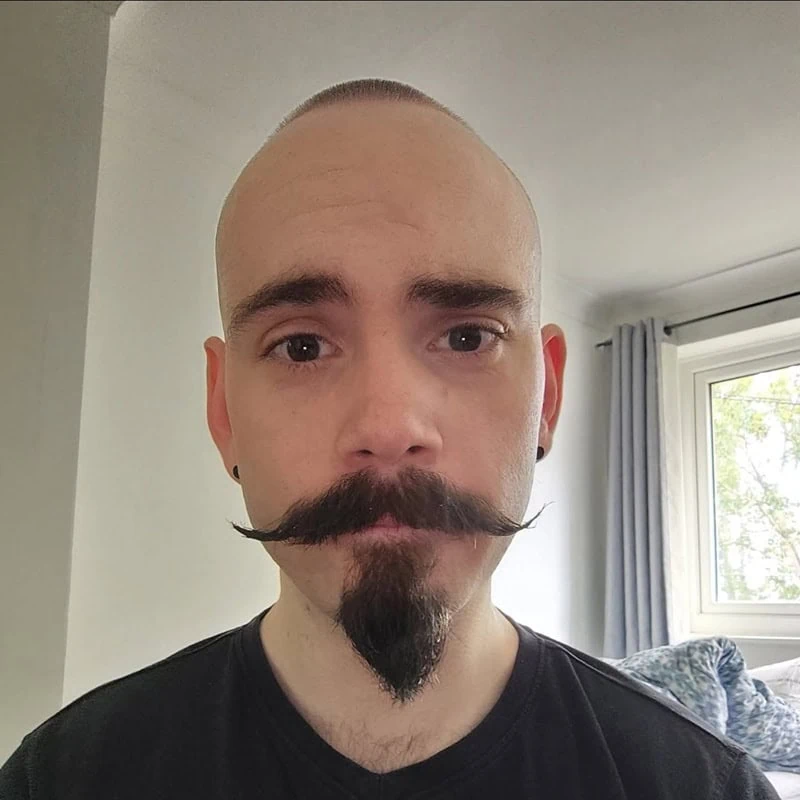
The mustache and goatee combination, sometimes called a Van Dyke when the two elements are kept separate, is a sharp and well-defined look. A thick mustache paired with a trimmed goatee draws attention to the center of the face and works particularly well for men with oval or oblong face shapes.
Decide early whether you want the mustache and goatee to connect or remain separate. A connected style creates a fuller, more rounded look around the mouth. Keeping them separate with a clean-shaved gap between them gives the face a more angular, defined appearance.
Tips for Rocking Your Mustache
You’ve put in the work to grow something worth showing off. Now keep it looking sharp with these practical maintenance habits.
- Try different mustache styles to find the one that suits your face shape and personality best.
- Maintain your mustache by trimming and shaping it weekly or bi-weekly, depending on your growth rate.
- Wash your mustache regularly with a beard cleanser to remove dirt, oil, and beardruff.
- Keep the skin beneath your mustache healthy and moisturized with a light beard oil.
- Look to famous mustaches and online resources for style inspiration and guidance.
- Own the individuality your mustache brings. No two grow the same, and that is the whole point.
To help your mustache stand out even more, a clean mustache trim with defined edges goes a long way toward making the whole look land with authority.
Watch the following video on how to trim a mustache
Mustache Grooming: Getting It Right
Every mustache style demands a certain level of upkeep to stay looking deliberate rather than overgrown. Unlike a scruffy stubble look where you can coast a few days between trims, a well-defined mustache typically needs daily attention to keep the lip line clean and the outline sharp.
Caring for a mustache is simpler than it sounds. Run a mustache comb through it whenever things start looking unruly, and keep a detail trimmer handy for quick touch-ups along the upper lip.
If the skin underneath starts itching, a few drops of beard oil can ease the irritation fast. Save the mustache wax for days when you want a more sculpted, polished finish.
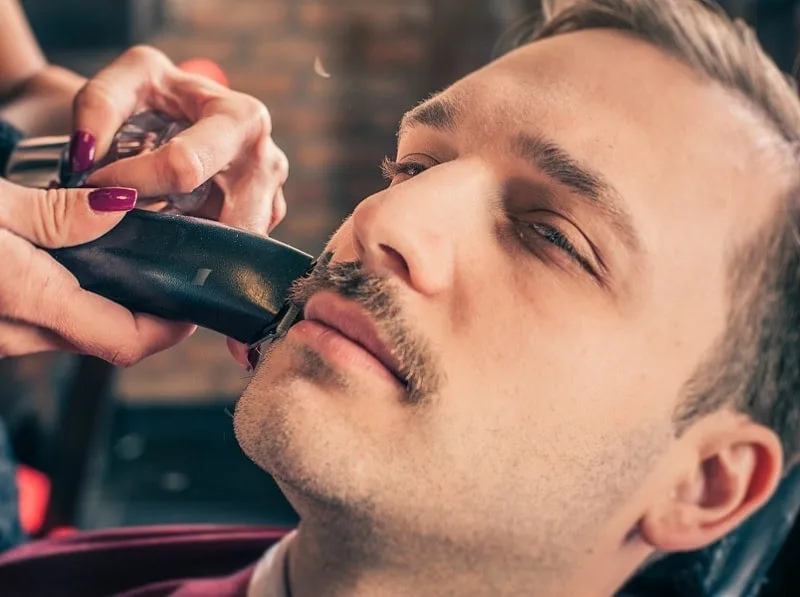
There are several common mistakes that amateur mustache growers make when defining and trimming their facial hair. One of the biggest is grooming the mustache edges horizontally, which creates dissonance with the natural shape of the mouth.
To achieve balance, trim the edges diagonally for a natural, organic look. Aim for a shape that follows the contours of the corners of your mouth. This approach helps the mustache build up strength and density for a full, healthy appearance.
Rather than carving a sharp horizontal line, go for a more natural, diagonal droop around the mouth that complements the natural curves of your lips.
Along with nailing your angles, you will also need to keep stray hairs from creeping into the mouth. Keep the mustache strong on the lip right to the edges of the lip line while maintaining a clean distinction between the mustache itself and your mouth. Few things are as aggravating as getting bits of hair in your mouth while eating or drinking.
You will also want to hold off on beard oil while your mustache is still in its infancy. Until it has grown to about an inch in length, a beard moisturizer is a much smarter investment. Beard moisturizers strengthen the hair, relieve dry skin beneath the mustache, and can help alleviate any irritation from growing it out.
Towards the end of the first month, once the mustache has reached a point of relative maturity, feel free to work in a drop of pomade or beard oil to define the shape and add a bit of shine. Unless your facial hair grows at a rapid rate, you likely will not be ready for styling products before the two-to-three-week mark.
While you can certainly shave the rest of your face however you like, a clean shave around the mustache will make it pop. The tighter the shave, the more definition you pull from the look. Wet shaving and keeping any surrounding stubble to a bare minimum will give your mustache a far greater visual impact.
Do’s and Don’ts When Growing Your Mustache
So, you’ve grown the mustache of your dreams. But how do you protect that investment? How do you make sure it gets remembered? Follow these tips to keep it looking clean and regal:
- DO grow it as long as you want. While there is a time and a place for slim and trim mustaches, if that is not your style, do not force it. Embrace the spirit of a classic English mustache by letting your hair grow to whatever length it needs to reach. It may take over a year to hit your desired length, but the payoff is worth every week of patience.
- DON’T go crazy touching your own mustache. Beyond coming across as slightly villainous, constantly handling it will leave your mustache looking haggard and oily. Style it, then leave it alone.
- DO take pride in your mustache. These are not for everyone, and honestly, they are not for anyone but you. If you are self-conscious about the bold statement sitting on your upper lip, your energy will make it look less like a badge of confidence and more like something that wandered onto your face by accident. If you have grown it, own it completely.
- DON’T over-style your mustache. It is easy to get carried away with what you can sculpt from a solid patch of lip hair, but less is almost always more. A chevron, a pencil mustache, a classic English mustache: the options are plentiful. Keep it classy and let the shape do the talking.
Mustache Myths vs. Facts You Should Know

Myth 1: Shaving Makes Your Mustache Grow Back Thicker
Fact: Shaving or trimming does not make your mustache grow back thicker. It is one of the most persistent mustache myths out there, but the mustache facts are clear: shaving simply removes the hair above the skin’s surface. New growth may appear darker or coarser due to the blunt ends left behind by the razor, but the actual density of your hair has not changed one bit.
Myth 2: Beard Oil Makes Your Mustache Grow Thicker
Fact: Beard oil is a conditioner, not a fertilizer. It softens coarse hairs, tames stray ends, calms the itch underneath, and adds a healthy sheen, so your mustache looks and behaves better day to day. What it can’t do is change how thick your mustache grows, which comes down to genetics. Use it because it makes grooming easier and the finish sharper, not because it will fill a gap.
Myth 3: Everyone Can Grow a Thick Mustache
Fact: Not every man can grow a thick, full mustache. Genetics, hormones, and overall health all play a significant role in facial hair density. Some men will always deal with patchy or sparse growth in the upper lip area.
That said, following the tips throughout this article can support healthier hair growth and give your mustache the best possible shot at reaching its full potential.
Famous Mustache Stories
- The world’s longest mustache on record belongs to Ram Singh Chauhan of India, who was officially measured for the Guinness Book of Records in 2010. At the time of measurement, his mustache stretched to an astonishing 14 feet in length.
- During the Great Depression, a widely circulated piece of writing strongly advised men to shave off their mustaches entirely. The reasoning was blunt: sporting a mustache signaled that you were a dandy more concerned with your appearance than with honest hard work.
- Mustache means different things in different societies. In the Middle East, the mustache is synonymous with high status. In Middle Eastern culture, the presence of a mustache can also represent the wisdom of an individual.
Thick Mustache FAQs
How Long Does It Take to Grow a Thick Mustache?
On average, facial hair grows about half an inch per month. A basic, recognizable mustache typically takes four to six weeks to establish. A genuinely thick, full mustache that can be styled into something like a chevron or handlebar usually takes three to six months of uninterrupted growth.
Individual results vary significantly based on genetics, age, and hormone levels. Some men will hit their full mustache potential in three months. Others may need closer to a year. The only way to know your ceiling is to commit to growing and stop trimming long enough to find out.
Does Shaving Make a Mustache Grow Thicker?
No. This is one of the most persistent myths in grooming, and it has been debunked repeatedly by dermatologists. Shaving cuts the hair at the surface of the skin but has absolutely no effect on the follicle underneath. The follicle is what determines thickness, and shaving cannot change it.
The reason shaved hair sometimes feels coarser when it grows back is that the razor creates a blunt, flat tip instead of the natural tapered point that uncut hair has. That blunt edge feels stubbly and rough, which people often mistake for thicker growth. The actual diameter of the hair strand is unchanged.
Why Is My Mustache Not Growing Thick?
The most common reasons a mustache stays thin or patchy are genetics, how your follicles respond to hormones, nutritional deficiencies, and age. If you are under 25, your facial hair is likely still developing and may fill in significantly over the next few years. Patience is genuinely the most underrated tool here.
If your growth seems weaker than expected, look closely at your sleep, stress, diet, and grooming habits before assuming the worst. Healthy follicles need good circulation, proper nutrients, and time. Support the process and then judge the result.
How Long Should a Mustache Be?
The ideal length depends on your face shape and the style you want. A neat chevron or painter’s brush usually sits right at or just above the upper lip, while a handlebar, English, or walrus style needs much more length to look intentional.
The goal is balance. Your mustache should complement your facial features rather than overwhelm them. Start with a natural full growth pattern, then trim into shape once you can clearly see what your hair wants to do.
Is It Necessary to Trim a Mustache Frequently?
That depends on the look you are after. A clean, sculpted mustache with a crisp lip line may need maintenance two to three times a week. A rougher, fuller style gives you a little more room, but even then, regular trimming keeps the shape from drifting.
If your facial hair grows fast, adjust accordingly. Trimming is less about cutting length and more about preserving structure.
Can I Use Beard Oil on My Mustache?
Absolutely. Beard oil moisturizes, nourishes, and softens the hair, making your mustache look healthier and feel less wiry. Warm a few drops between your fingertips and work it through the mustache from root to tip.
If you want extra hold and shape, follow up with a small amount of mustache wax.
How Often Should I Trim My Mustache for Optimal Growth?
Every two to four weeks is a solid maintenance schedule for most men once the initial growth phase is over. Regular trims remove split ends, clean up the lip line, and keep the overall shape looking deliberate rather than neglected.
Think of it less as cutting and more as sculpting. During the early growth phase, however, resist the urge to trim too much and let the mustache build some real body first.
There you have it. With the right habits, the right maintenance, and enough patience, a thicker and healthier mustache is entirely within reach.
Thick Mustache Questions, Answered
How long before I can judge my mustache’s thickness?
Four to six weeks of uninterrupted growth. Judging at two weeks is judging an unfinished painting; early growth almost always looks thinner than the final result.
What should I eat for a thicker mustache?
Protein first (hair is keratin), plus biotin, vitamin D, zinc, and iron: eggs, fish, nuts, seeds, leafy greens, and steady hydration.
Does exercise actually help facial hair?
It supports normal hormone levels and circulation, which gives the mustache you can grow its best shot. It will not add follicles or out-muscle genetics.
The Beard Style Verdict
Genetics set the ceiling; habits decide how close you get to it. Feed it, sleep, manage stress, oil the skin under it, and give it the six weeks it needs before you judge anything.