The Irish beard is one of the most distinctive and recognizable beard styles. It is often seen as an attractive look, especially when kept well groomed and clean. If you are inspired by Irish beard styles and are looking for beard styling ideas, you are in the right place.
The warm tones of an Irish beard flatter a wide range of complexions and face shapes. Below, you will find answers to common questions about ginger beards and a list of beard styles often associated with Irish men.
Here are some beard styles to give you inspiration and the confidence to try at least one of the styles below.
1. Ginger Short Full Beard with High Fade

If your beard density is on the fuller side but you want to keep things compact, grow it to just past heavy stubble and resist the urge to carve aggressive cheek lines. The natural cheek line here does all the heavy lifting, keeping the look approachable rather than overdone. Pair it with a high fade that goes almost skin-tight above the ears, and trim the mustache just enough so it sits clean above the lip without overshadowing the beard’s warmth.
2. Red Garibaldi Beard with Overgrown Mustache

Wiry, coily, and gloriously untamed, this ginger Garibaldi is built for men who have no interest in a razor finish. Let the perimeter grow free, allow the mustache to cascade past the upper lip, and embrace every flyaway as part of the texture. The one maintenance move you cannot skip: work a generous amount of beard balm through the length daily to control beard frizz and keep the coily strands from going completely rogue.
3. Ginger Short Boxed Beard with Ivy League Haircut

For rectangular face shapes, a short boxed beard is one of the most flattering structures you can choose because it adds width at the jaw without adding excessive chin length. Carve a slightly slanted cheek line to soften the corners, keep the neckline squared and clean, and blend the sideburns smoothly into the Ivy League haircut above. Run a detail trimmer along the outline every few days to hold that crisp, corporate-ready perimeter.
4. Rounded Red Full Beard with a Thick Mustache

This dense red beard pairs a rounded lower outline with a thick mustache. Brush the beard into place before trimming stray hairs, preserving the width beneath the jaw instead of cutting a narrow chin point. A little mustache wax can help sweep the ends away from the mouth, but the photo’s main feature is the beard’s full, compact shape.
5. Short Brown Beard with Golden Tones

This short beard keeps solid coverage along the jaw, with a little more length at the chin. Its warm brown and golden tones sit well beneath the short, side-swept hair. Keep the cheek edges and neckline tidy with a detail trimmer; for an even shorter haircut pairing, a crew cut is another option. Use a guarded beard trimmer to maintain the length, checking the setting in millimeters rather than relying on guard numbers.
6. Light Ginger Short Beard with a Natural Cheek Line

Light ginger growth gives this short beard a softer outline, with fuller hair at the chin and lighter coverage on the cheeks. The beard extends toward the sideburns, so it does not have a Hollywoodian’s clean separation at the sides. Keep the mustache close to the lip and trim the chin to suit your face shape, working with the natural coverage rather than carving a high cheek line.
7. Ginger Jawline Beard with Glasses

A narrow jawline beard leaves the cheeks open beneath the glasses, while fuller ginger growth at the chin gives the facial hair definition. Keep the upper edges tidy without widening the strip into sparse areas. For the neckline, follow the underside of the jaw and preserve the hair directly beneath the chin; shaving that entire area would cut into the beard’s shape.
8. Ginger Van Dyke Goatee with Chevron Mustache

When your scalp hair is thinning, concentrating facial hair at the chin and upper lip pulls the eye downward and forward, balancing the overall look beautifully. Keep the goatee compact and tightly outlined at the chin apex, and let the chevron mustache sit full and wide across the upper lip to create visual weight in the mid-face. Use a detail trimmer to maintain razor-clean edges around both pieces, and shave the cheeks completely bare to maximize the contrast.
9. Red Long Beard Fade with Undercut Man Bun

Growing a long, full beard while keeping the sides of your head tight creates a powerful contrast that makes both elements stronger. Let the ginger beard grow to a substantial length at the chin while fading the sideburn area so it dissolves cleanly into the skin near the ears. Match it with a mid-fade undercut swept into a man bun, and condition the beard daily with beard oil to keep that long length soft, manageable, and less prone to beardruff.
10. Rugged Brown Full Beard with Slicked-Back Hair
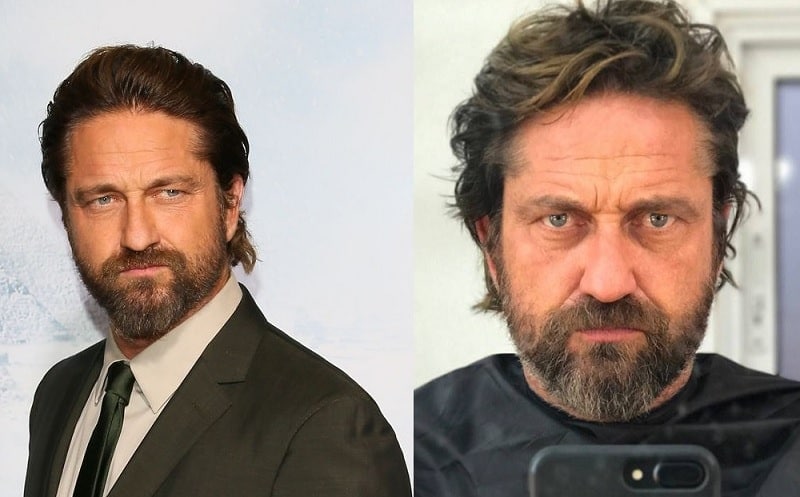
A medium full beard with strong density and a natural, lived-in perimeter projects raw authority without needing a single razor line to back it up. Grow it out until the chin projection is substantial, then use scissor-over-comb to remove bulk from the sides so the beard stays wide at the jaw but does not balloon outward. Style the hair slicked back or deliberately tousled above, since both directions complement the beard’s unapologetic weight.
11. Brown Short Full Beard with Even Coverage

Even coverage from cheek to chin gives this short brown beard a solid outline. Trim with a clipper guard rather than freehand if you want to keep the sides consistent, and leave the chin slightly fuller. Keep the cheek line natural, tidying only hairs above it, so the beard retains its dense appearance without needing a sharply carved border.
12. Red Irish Short Full Beard

Few beard colors carry the same raw, earthy magnetism as a natural auburn red, and this short full beard puts that on full display. Keep the cheek line natural and the neckline carved clean, then work a small amount of beard balm through the hair daily to lock in that dense, uniform fullness without any stiffness.
13. Salt and Pepper Designer Stubble
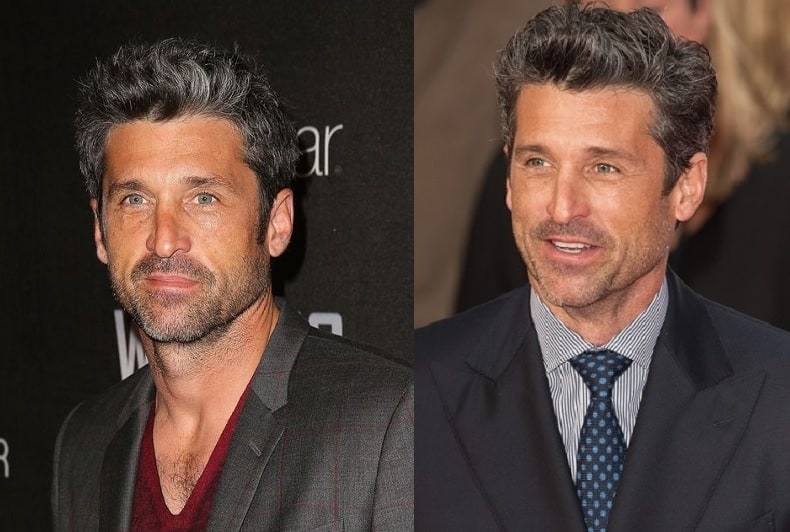
Designer stubble is the ultimate low-commitment, high-reward move for guys who want presence without the upkeep of a full beard. Maintain it at a consistent 3mm to 5mm with a detail trimmer every three to four days, and keep the cheek line soft rather than carved so it blends naturally into the skin.
Pair it with a textured, voluminous hairstyle to give the whole look a polished lift.
14. Short Boxed Beard with Connected Mustache

For anyone who wants a beard that commands a room without screaming for attention, a short boxed beard with a connected mustache hits that balance perfectly. Carve the cheek line and neckline with a razor for a crisp perimeter, then use a boar-bristle brush to train the hair downward and add surface shine.
If you want a sharper edge, point-cut the mustache into a slight taper where it meets the corners of the mouth.
15. Long Natural Full Beard
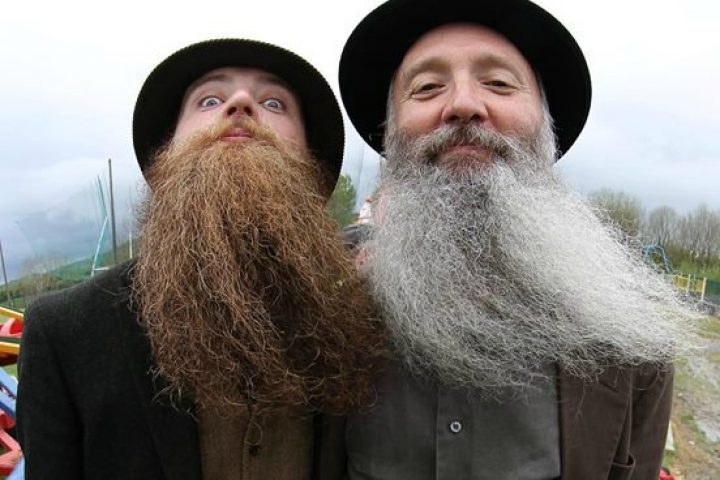
Growing a full beard to chest length is a serious commitment, and the maintenance matches the ambition. Comb it through with a wide-tooth beard comb twice daily to prevent tangling and distribute your natural oils evenly, then follow up with a generous application of beard oil to keep the coarse outer hair from going wiry and dry.
Trim the bottom edge periodically to remove strays while keeping the flowing length. Comb it into its usual position first, then check both sides before taking more off.
16. Long Goatee with Clean-Shaven Cheeks
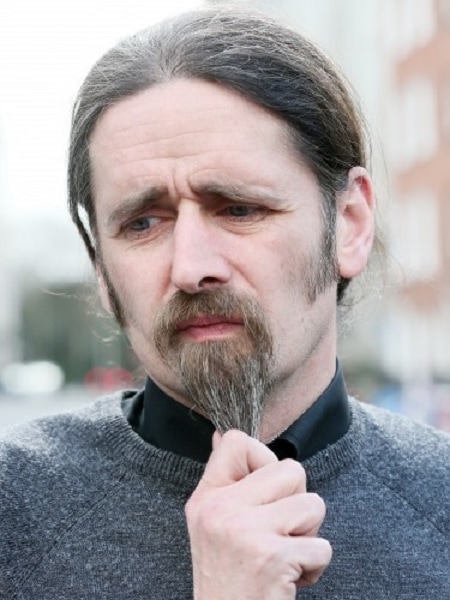
Keeping the cheeks clear while letting the chin grow long creates a strong vertical line. Use a foil shaver on the bare areas as needed, leaving the mustache and long goatee intact. The sideburns remain separate here; do not extend them across the jaw if you want to preserve the open cheeks and pointed chin.
Comb the chin hair downward to bring the hair together into a tapered point rather than fanning out.
17. Patchy Short Beard with a Fuller Chin

Patchy growth can still give a short beard a clear shape when the fuller areas sit around the mouth and chin. Here, lighter cheek growth blends into the jaw instead of forming a sharply carved chin strap. Keep those sides close and tidy the chin outline without removing the stronger central coverage.
Let the neck hair grow slightly unkempt to add some rugged weight below the chin, and resist the urge to over-trim, since a little scruff softens the patchiness considerably.
18. Salt-and-Pepper Natural Full Beard

Gray strands mixed through this short full beard create a softer, varied color. Keep the natural cheek line if you like its relaxed finish, and tidy the lower outline without making the beard too narrow. The shorter length lets the color variation show while keeping the shape close to the face.
A weekly deep condition with beard butter will keep both color zones hydrated and prevent the gray sections from looking brittle.
19. Red Full Beard with a Curled Handlebar Mustache

A curled handlebar mustache adds a separate detail above this full red beard. Leave enough mustache length to sweep outward, then use a little wax to shape the tips into matching curls. Keep the beard rounded and comb it downward so the mustache remains distinct without cutting the beard back to stubble.
Line up the cheek line and neckline with a razor to give the overall shape a sharp, well-groomed perimeter.
20. Ginger Medium Full Beard with Long Hair

When the beard and the hair share the same fiery ginger tone, the whole look becomes one cohesive, high-impact statement. Keep the medium full beard trimmed to a consistent length with scissors and a comb so the density stays even across the cheeks and chin, and let the neckline sit naturally low to maintain that rugged, unforced energy.
The long hair does the heavy lifting on top, so the beard just needs to stay clean and conditioned to hold its own.
What is an Irish Beard?

The term “Irish beard” is often used for a beard with reddish-orange or ginger tones, though Irish men can naturally have many different beard colors. It may be any size, shape, or length, but its warm color is what usually gives it that Irish-associated look. If it is not fully ginger, it may still have a slight red tint mixed into brown or blond beard hair.
Why Are Irish Beards Red?

If you want a simple and brief answer, genetic variation is the reason behind the red color of some Irish beards. Irish beards can appear red because of higher levels of a pigment called pheomelanin.
You may already know about recessive and dominant genes, but beard color is influenced by several genes. Variants in genes such as MC1R are strongly linked to red hair and red beards. Beard hair can also appear redder than scalp hair, which is why some men have a red beard even if the hair on their head is a different shade.
Hope you liked this mix of classic, rugged, and modern Irish-inspired beard styles. A well-maintained beard always looks sharper, regardless of the style you choose.
If a full beard is not in the cards for you right now, the lighter stubble and patchy styles above prove you can still own the look. Whatever direction you go, keep up with regular trims and conditioning.