
At a glance
- Best styles: goatee, anchor beard, designer stubble, short boxed
- Look fuller: one uniform length, surgical lines, conditioning
- The truth: thin growth is a canvas, not a flaw
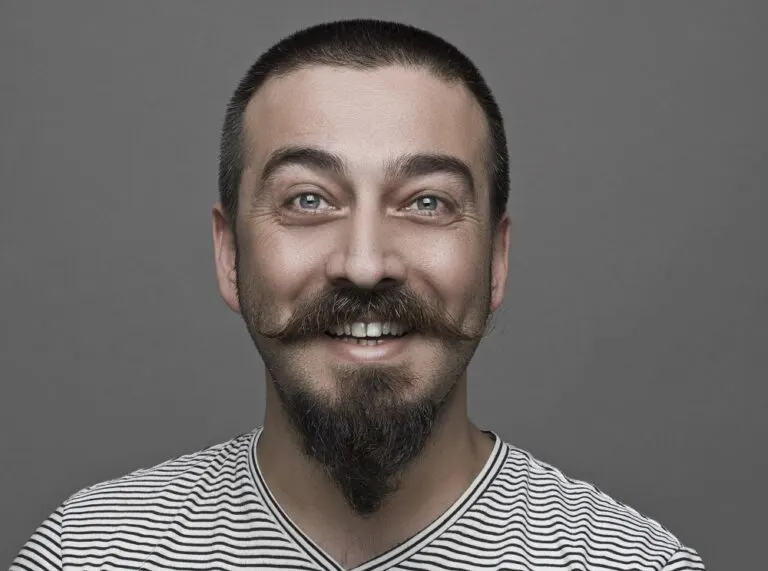
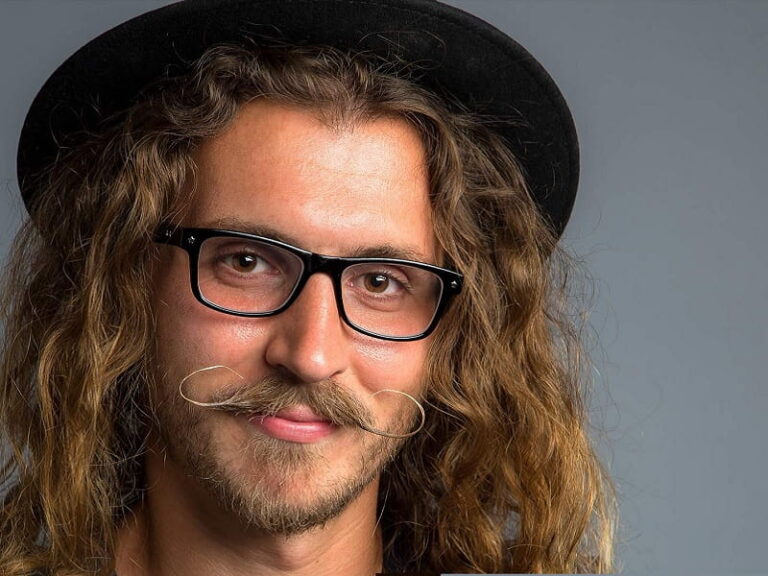
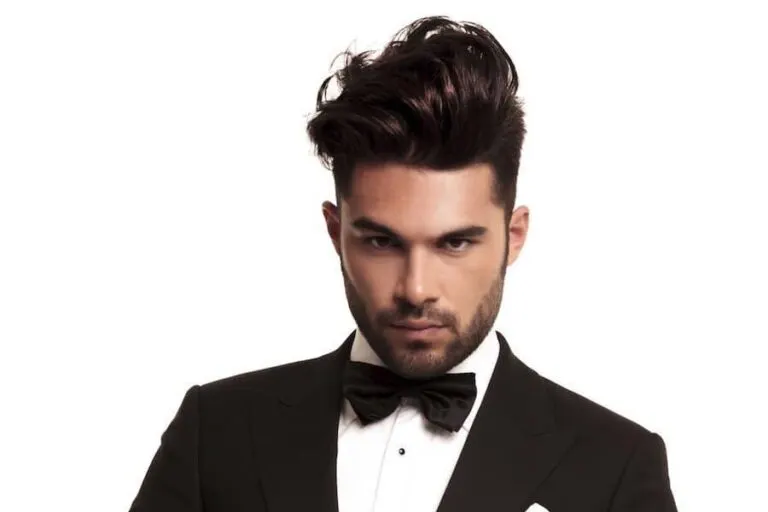
Every man has his own approach to style. But when your facial hair grows in sparse, patchy, or slow, your options can feel limited. Here’s the truth: a thin beard is not a problem to solve. It’s a canvas to work with. The styles below are built specifically around low density and uneven growth, so you can look sharp without fighting your own follicles.
Whatever thin beard style you land on, wear it with confidence. That’s the only grooming product that actually matters.
What Is a Thin Beard?
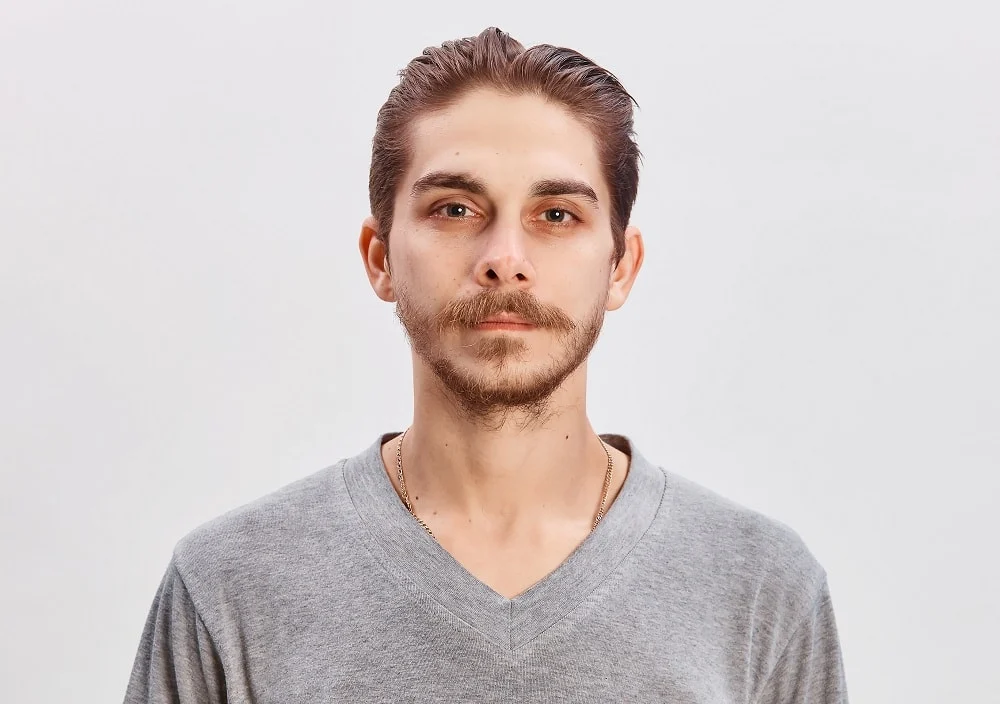
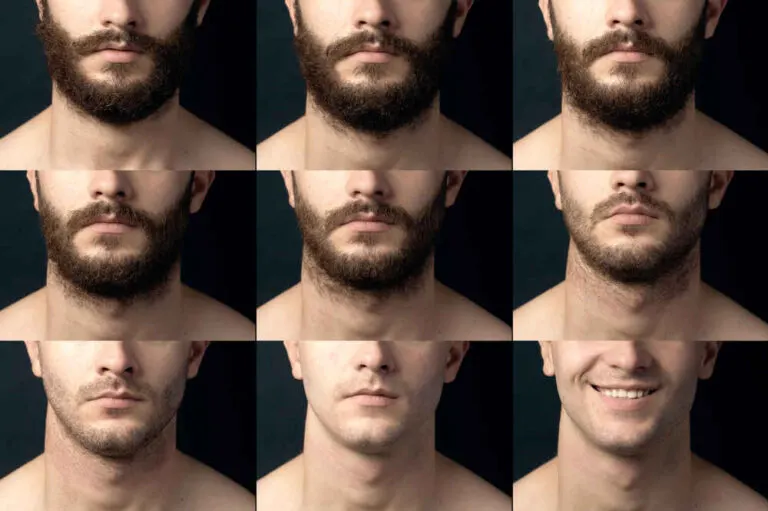
A thin beard is facial hair that does not grow in full or evenly. Thin beards can also be harder to wear long, since sparse hair tends to look wispy as the length builds. Many factors contribute to thin facial hair, and it is fairly common among men of all ages.
No two men are alike when it comes to beard density. Genetics, age, and hormonal factors all play a role. Beard growth is also influenced by your daily nutrition, so following a proper diet supports a healthier beard over time.
Men with a thin beard often struggle to grow a full beard due to low density, or a long beard due to slower growth cycles. A short beard style is almost always the smartest move.
Thin beards are often characterized by:
- Patchy growth
- Fine, sparse hair
- Short length
- Bald spots
Thin Beard Causes
Thin growth is mostly written in your genetics. Density, pattern, and pace vary man to man, and hormones and overall health play their part too. The good news: thin beards photograph beautifully when they are styled deliberately, which is exactly what this guide is for.
Best Beard Styles for Thin Beards
There are plenty of ways to style a thin beard for a thicker look without defaulting to a clean shave. The styles below work with your natural growth pattern rather than against it.
1. Thin Goatee
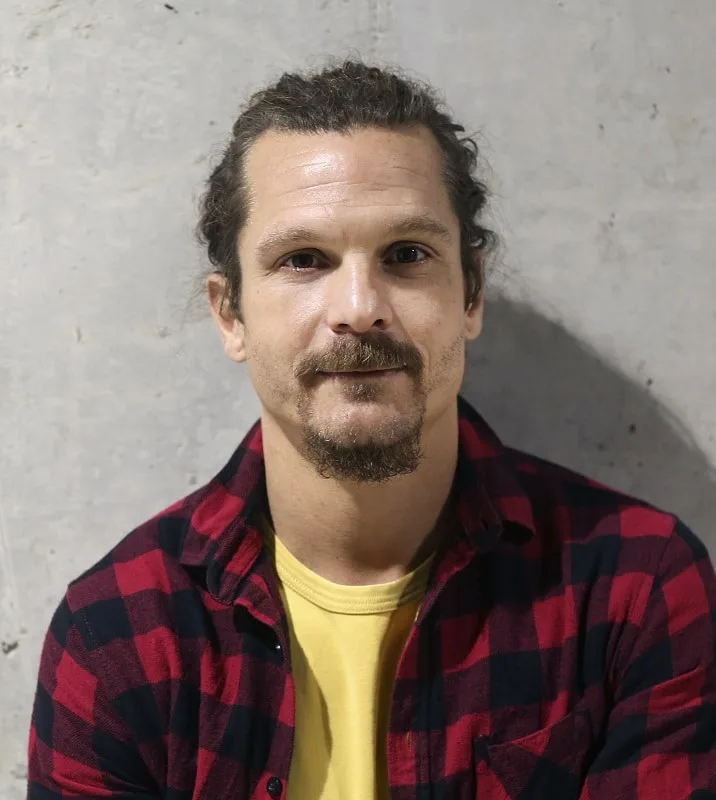
When your cheeks refuse to cooperate, stop asking them to. A goatee concentrates all your density exactly where it counts, on the chin and upper lip, and completely bypasses the sparse cheek zones that expose thin growth. Keep the cheeks clean-shaved with a straight razor or foil shaver for a crisp contrast that makes the goatee look fuller by comparison.
You can run it as a disconnected goatee with a standalone chin beard, or connect it to a mustache for a circle beard variation. Either way, a tight line-up around the perimeter is what separates a polished goatee from one that just looks unfinished.
2. Anchor Beard
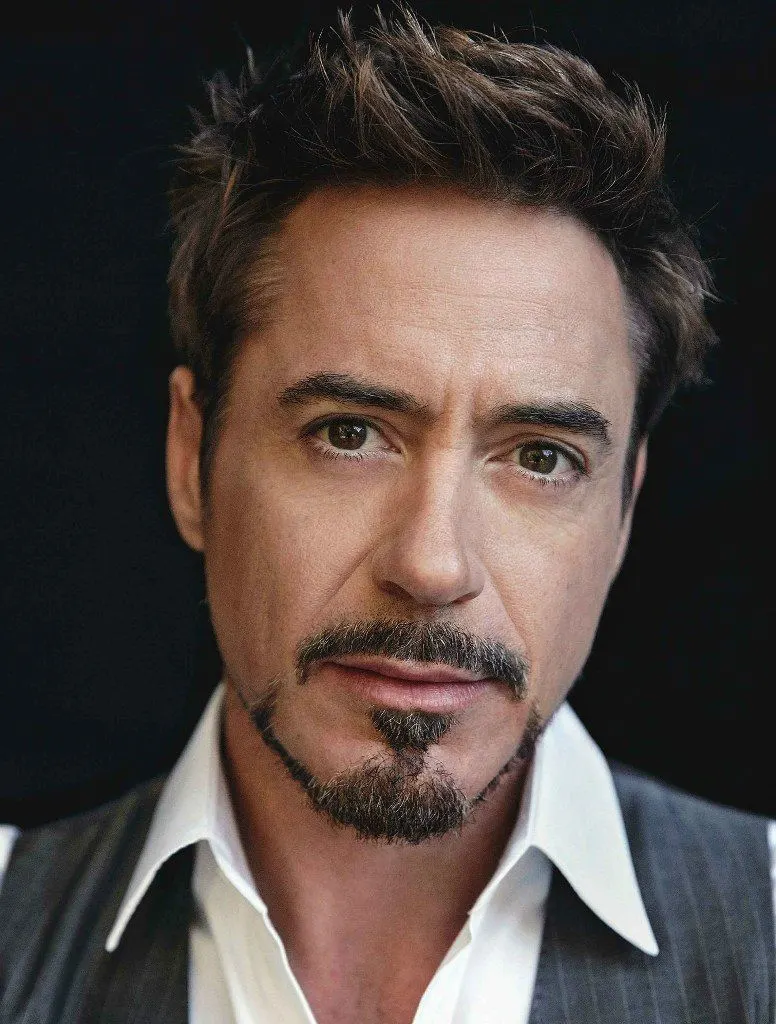
Few styles do more with less than the anchor beard, and Robert Downey Jr.’s iconic Tony Stark look is proof. It pairs a neatly trimmed mustache with a soul patch that flows down into a pointed chin beard, with a thin chin strap tracing the jawline on each side. The whole composition mimics the shape of a ship’s anchor.
For thin beards, this style is brilliant because it maps your growth along defined lines rather than spreading it across the full face. Use a detail trimmer to carve clean, razor-sharp edges along the chin strap and outline, and keep the cheeks completely bare. Precision is everything here.
3. Medium Stubble with Fade

Patchy growth loses most of its power when you keep everything uniformly short. A medium stubble beard trimmed to an even guard length across the cheeks, jaw, and upper lip creates a consistent density that makes sparse areas far less noticeable. Blend the sideburns into the haircut with a low or mid fade to tighten the overall look.
Run a detail trimmer along the cheek line and neckline to carve clean, soft corners that frame the face without looking overly rigid. This is a style that works harder the more precisely it is maintained, so a quick cleanup every few days keeps it looking deliberate rather than neglected.
4. Designer Stubble
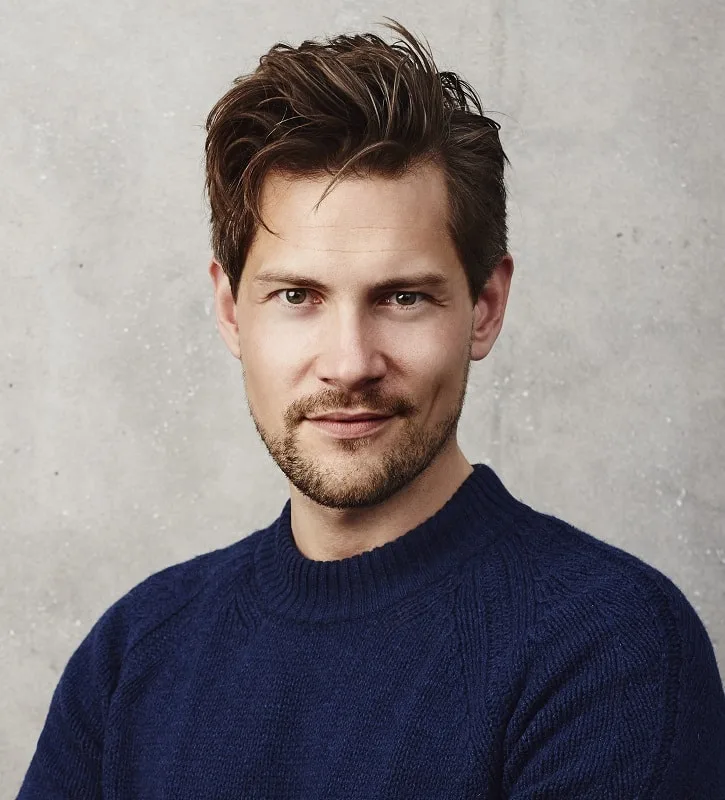
Sometimes the lowest-effort look is also the most flattering one. Designer stubble, that lived-in five-o’clock shadow covering the cheeks, chin, and upper lip, is genuinely one of the best options for men with fine facial hair. Because the length is so short, uneven density and patchy growth become nearly invisible to the eye.
Maintain it with a clipper set to a number one or two guard, keeping the length consistent across the entire face. Clean up the neckline with a trimmer or straight razor to keep it looking groomed rather than grown-out. No complicated shaping required.
5. Mutton Chops
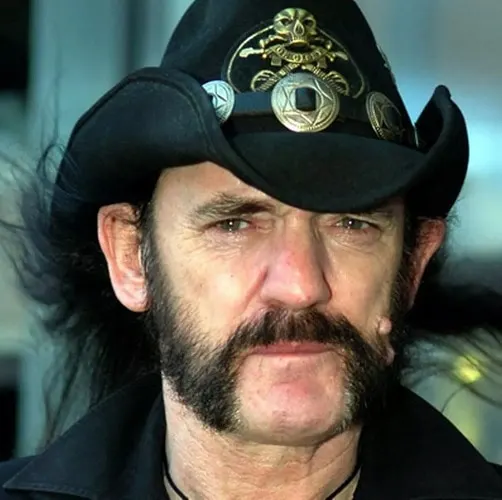
Mutton chops flip the usual script entirely. Instead of building density on the chin, this style concentrates all the growth along the cheeks and sideburns, connecting to the mustache while leaving the chin area cleanly shaved. If your cheeks grow in reasonably well but your chin is the problem zone, this is your move.
Keep the shaved chin area smooth and fresh with a straight razor or foil shaver, and let the sideburn-to-mustache connection do the heavy lifting. The contrast between the bare chin and the fuller cheek hair gives the whole face a bold, structured frame.
6. Short Boxed Beard
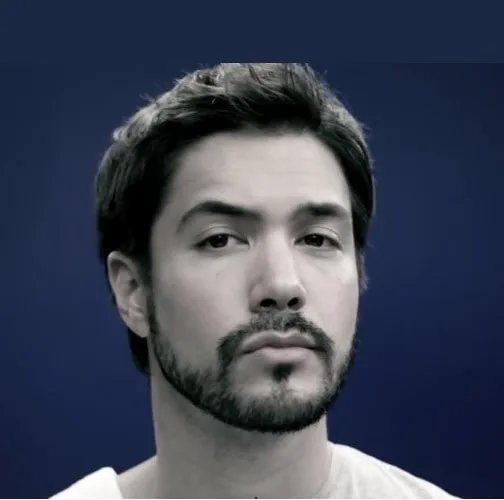
A short boxed beard is one of the most celebrity-tested styles out there, and it earns that reputation by being forgiving on thin facial hair. The growth runs along the full jawline from the sideburns, connects through a mustache, and wraps under the chin with the neckline cleanly shaved away. That squared-off perimeter creates the visual impression of more fullness than actually exists.
Use a clipper with a short guard to keep the length even throughout, then go over the cheek line and neckline with a trimmer for a crisp beard outline. Keeping the lines sharp and the bulk low is what makes this style look groomed on sparse growth rather than patchy.
7. Celebrity-Inspired Thin Beard Styles

David Beckham has been one of the most consistent examples of making thin facial hair look genuinely elite. His go-to approach leans on short, well-groomed stubble and short boxed beard variations, always kept tight and lined up with precision.
Notice how he never tries to stretch his growth beyond what his density can support. That restraint is exactly what makes it work.
How to Add Volume to Your Thin Beard
Having thin beard hair doesn’t mean you can’t grow your beard longer, but the longer thin hairs get, the more wispy and out of control they can appear. Try various solutions to give your beard a little more volume, such as beard fillers, beard oil, and sticking to shorter beard styles that keep everything looking tight and controlled.
How to Make Thin Beards Appear Fuller
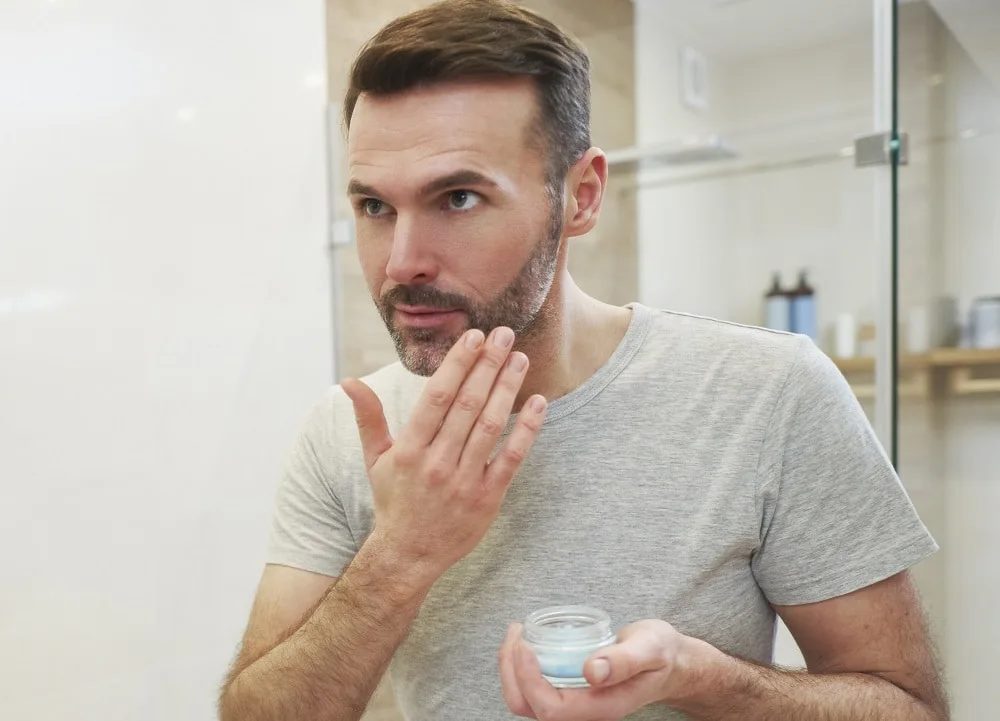
One of the most effective tricks is beard hair dye. Darker hair looks thicker and fuller, and having one consistent color across all the hairs makes your beard look far more solid and dense. Beyond color, a few other go-to moves can seriously upgrade the appearance of your beard:
- Castor oil
- Beard balms
- Shaved neckline and cheek line
- Trimming all hair to the same length
All of the above create the illusion of a thicker, fuller beard without a single new hair growing in.
Pros and Cons of a Thin Beard
Thin beards may have their downsides, but they’re far from a lost cause. Here’s a quick breakdown of what you’re working with.
Pros:
- Less maintenance
- Plenty of style options
- Less beardruff and ingrown hairs
Cons:
- Less fullness
- More chance of patchiness
- Could be a sign of hair loss
Thin Beard Questions, Answered
What are the best styles for a thin beard?
Styles that concentrate density where you have it: a goatee or anchor beard for chin-strong growth, medium or designer stubble for even-but-sparse coverage, and a short boxed beard for structure.
How can I make a thin beard look fuller?
A uniform trim length, sharp shaved cheek and neck lines, conditioning with oil or balm, and, if you want to go further, a darker uniform beard dye. All of it builds the illusion of density.
Why is my beard thin in the first place?
Mostly genetics, with hormones, age, and overall health playing supporting roles. It is common, and it is a canvas rather than a flaw: short, deliberate styles photograph beautifully.
The Beard Style Verdict
A thin beard is not a problem to solve; it is a canvas to work with. Keep it short, keep the lines surgical, and wear it with the one grooming product that actually matters.