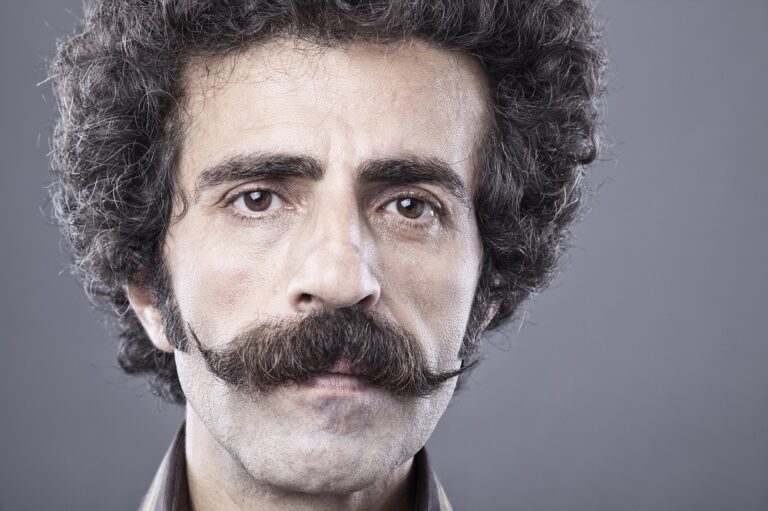
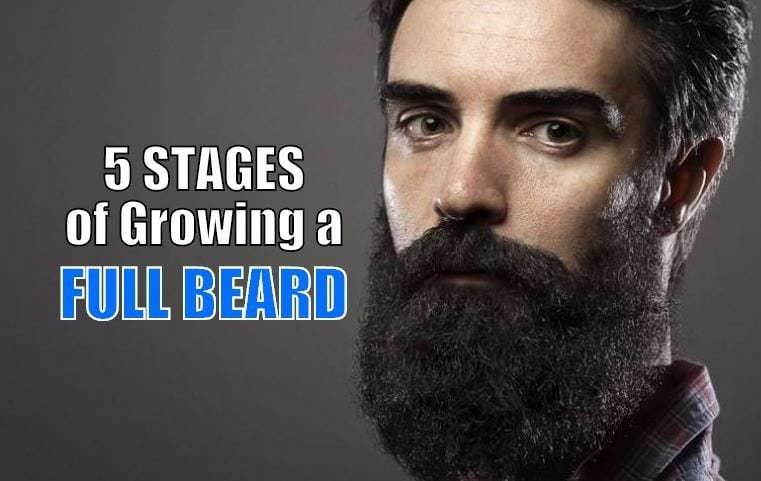
A beard grow-out can pass through several visible stages, from light stubble to longer facial hair. The timing and coverage vary, and not everyone develops the same beard density.
Some men struggle with patchy growth or a beard that looks unkempt and not well cared for.
Let your beard’s growth guide the next trim
Watch how your own beard changes. At first, notice where it grows and where the edges sit. As it gets longer, see whether the hair covers small gaps or begins to hang below your jaw.
While it’s short, tidy the edges without cutting away length you want to grow. Once it hangs below the chin, decide on the shape before trimming underneath.
The photos on this page are style examples from different people. They are not one person’s progress and cannot tell you how your beard will look after a particular number of weeks. A simple record of your own beard is more useful for that comparison.
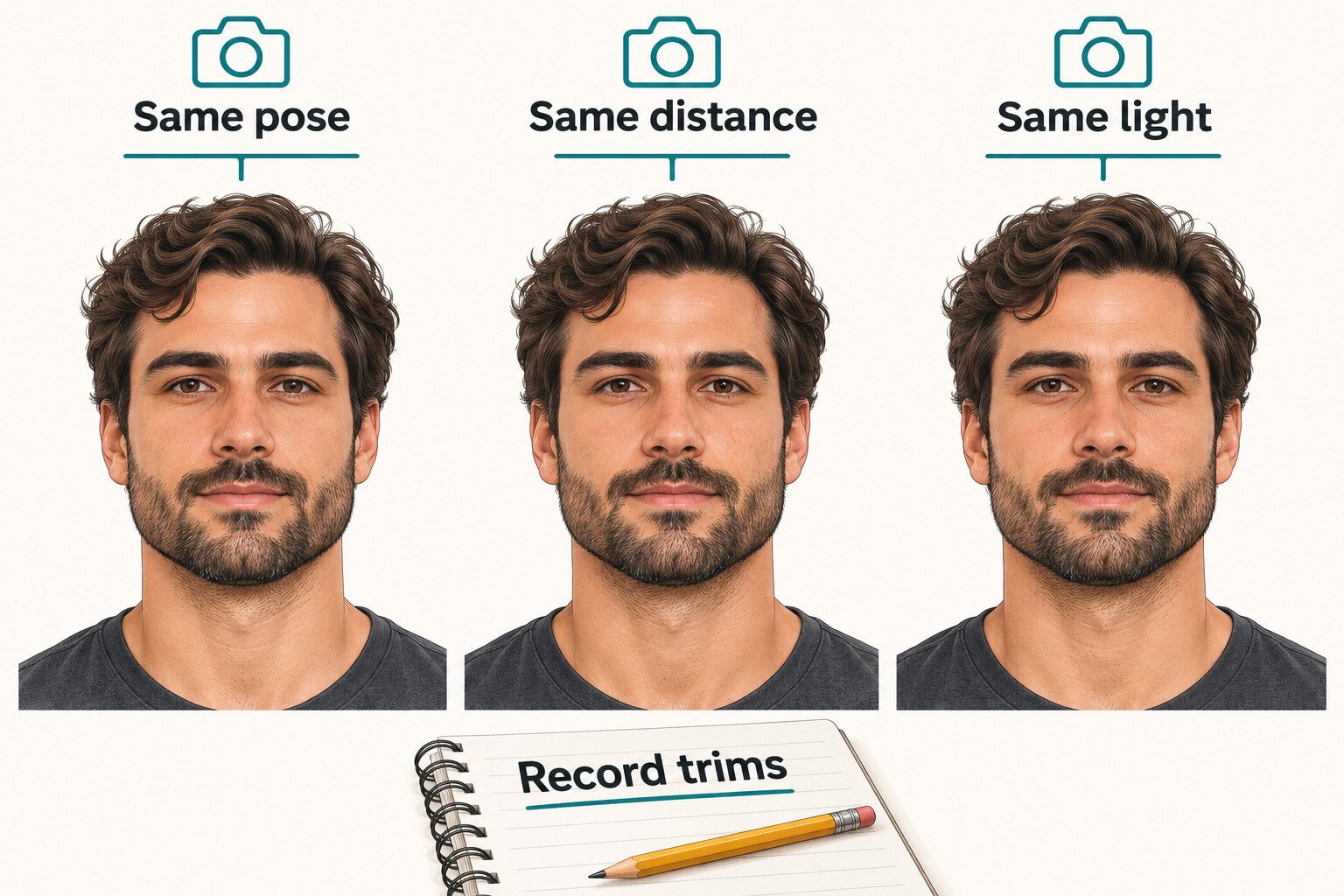
- Choose a starting date and take clear photos from the front and both sides. Use similar lighting, distance, and head position each time.
- Repeat the photos at an interval you can keep, such as once a week. Record the actual dates rather than relabeling a missed week.
- Note any trim, including the tool and millimeter setting. Record changes to the mustache, cheeks, neck edge, and chin separately.
- Compare the beard in its normal dry state. Keep stretched-hair measurements separate from how far the beard hangs below your chin.
These photos can show changes so far, but won’t predict how thick your beard will become.
A note can be as simple as: “November 1: starting photos; neck tidied only; chin left untrimmed.” Use your own dates and actions. This is a record format, not a claim about a growth trial carried out for this article.
5 Visible Stages of Growing Out a Beard
These five stages describe changes in appearance and grooming. They are not the biological hair-growth cycle, and the photos illustrate different lengths rather than guaranteed results.
Stage 1: Five O’Clock Shadow Stubble

This is the classic 5 o’clock shadow stage. That rugged light stubble is easy to maintain and even easier to pull off. It is also the stage where turning back to a clean shave costs you nothing, since you have not yet fully committed to the grow-out.
Stage 2: Short Stubble

Short stubble may feel itchy, but itching is not an inevitable stage or something to ignore. The facial hair is still close to the skin and has less length than a full beard.
It can look like you simply have not bothered to shave. Keeping the cheek line and neckline tidy helps the stubble look intentional while you build length.
Stage 3: The Short Beard

As length increases, daily beard grooming helps keep the hair tidy. Follow the natural cheek line and keep the neck edge below the jaw. Itching can occur at different lengths; it is not a reliable marker of progress.
Stay on top of it.
Stage 4: A Fuller Beard Shape

With more length, the beard’s outline becomes easier to shape. Coverage still depends on your growth pattern. Choose a specific beard style that works with the hair you have.
Stage 5: More Length or a Maintained Beard

At this point, you can continue growing or maintain the length you prefer. A longer beard needs enough growth at the chin and sides, but it is not a required destination.
Both are completely valid endpoints.
Beard Length Examples
These photos show different amounts of visible growth. They do not establish a reliable week-by-week schedule, so use them to compare appearance rather than predict your own timing.
Example 1: Very Light Stubble

Example 2: Short Stubble

Example 3: A Close-Cut Beard

Example 4: Short Beard Growth

Example 5: A Short Full Beard

Example 6: A Fuller Chin

Example 7: A Dense Short Beard

How to Take Care of Your Beard at Every Growth Stage
Beards have been a staple of men’s style for years, but growing one out takes patience and a bit of know-how. Beyond any early itch and the awkward in-between phase when coverage is still thin, a few solid habits will keep your beard tidy and comfortable as it grows. Here is what to keep in mind throughout the process.
- Brush or comb your beard regularly to train the hair to lie in the direction you want.
- Choose a beard conditioner, oil, or gentle moisturizer suited to your skin. Products can help with dryness, but persistent itching or scaling may need a different approach. The AAD’s beard-care guide explains the options.
- Trim your beard consistently to maintain your chosen shape and keep the outline clean.
- During the grow-out, remove only what is needed to tidy the outline. Scissors can trim isolated stray ends; a guarded trimmer can maintain a chosen length.
- Use a trimmer or clippers for your neckline cleanup and cheek line to keep those edges crisp and defined.
- Wash the face and beard gently every day and rinse thoroughly. Avoid assuming that flaking always means the beard needs more washing; persistent symptoms are worth discussing with a dermatologist.
What to change as the beard gets longer
Separate appearance from growth. Trimming an uneven edge changes the outline; it does not prove that the remaining hairs started growing faster. Likewise, a new product may change how the beard lies without explaining a change in length.
When the beard begins to look wider than you want, decide whether to shorten the sides or keep growing the chin before making a full trim. The beard length guide helps you compare those choices. There is no need to reach a calendar milestone before choosing a shape you enjoy.
Give your beard time to reach the length you want. Use your own earlier photos to decide what needs tidying, rather than trying to follow someone else’s growth schedule.