

At a glance
- Minimum length: enough free length to cross three strands comfortably
- The method: three strands, right over middle, left over middle, repeat
- Start with: a single chin braid, combed clean around it
A braid changes the outline of a beard by gathering loose length into a woven shape. You can keep it simple with one chin plait or leave most of the beard loose and add a few smaller braids.
Start with the basic three-strand method below, then explore 25 braided beard styles with photos. The examples show different braid placements, beard shapes, widths, and finishes, so you can choose a look that suits the length you have.
Find what suits you: browse all beard styles, mustache styles, or the trimming guide.
Braided Beards: The Essentials

The length of your beard is the most crucial factor when trying to braid it. You’ll need enough free length to cross three strands comfortably; the amount varies with your beard texture and where the braid starts. You should also keep your beard clean and healthy to make the whole process much easier.
It takes real effort to maintain a beard properly. If you’ve just started sporting one, these basic grooming habits will help keep it in shape for braiding.
- Wash: Wash your beard regularly to keep it free of dust and protect it from damage caused by external factors like pollution. Try a couple of different beard cleansers until you find one that suits your beard type.
- Oil: Look for a high-quality beard oil to condition and soften your beard. Beard balm is a solid alternative and generally produces similar conditioning effects.
- Comb: Comb your beard regularly. It helps remove tangles, prevents it from looking scruffy, and distributes your natural oils from roots to tips.
- Trim: Know when to trim. Beards often grow unevenly, and neglecting your beard trim can throw off the entire shape.
- Shave: Clean up facial hair above the cheek line and below the neckline. A crisp neckline and a sharp cheek line make the whole beard look more polished.
How to Braid Your Beard Yourself

You can always seek professional help to braid your beard. But if you’d rather handle it yourself, we’ve broken the process down into 8 straightforward steps to help you create a basic beard braid.
- Comb your beard thoroughly to make sure it’s free of tangles. A smoothing cream or a few drops of beard oil will make this much easier.
- Select the section of the beard you want to braid and separate it into three distinct strands.
- Use one hand to hold the left strand and your other hand to hold the middle and right strands. When holding two strands in one hand, keep them separated with a finger.
- Pull the right strand over the middle strand, stopping short of the left strand.
- Pull the left strand over the middle strand, stopping short of the right strand.
- Repeat steps four and five until you reach your desired braid length.
- Secure the end with a small hair tie that holds without pulling. A lightweight beard bead or cuff is optional; fit it according to its design rather than forcing it over the braid.
- Follow steps 1 through 7 on any other sections of your beard.
Long Single-Braid Full Beard

The long single braid is one of the cleanest ways to gather a full beard. Start just below the chin and work down the free length, keeping the cheek hair outside the plait. The swept mustache gives the upper half of the face a wider outline.
Comb the loose beard around the braid rather than pulling every hair into it. That keeps some fullness along the jaw while the narrow plait creates a clear line down the center.
Jawline Cornrows With a Short Goatee
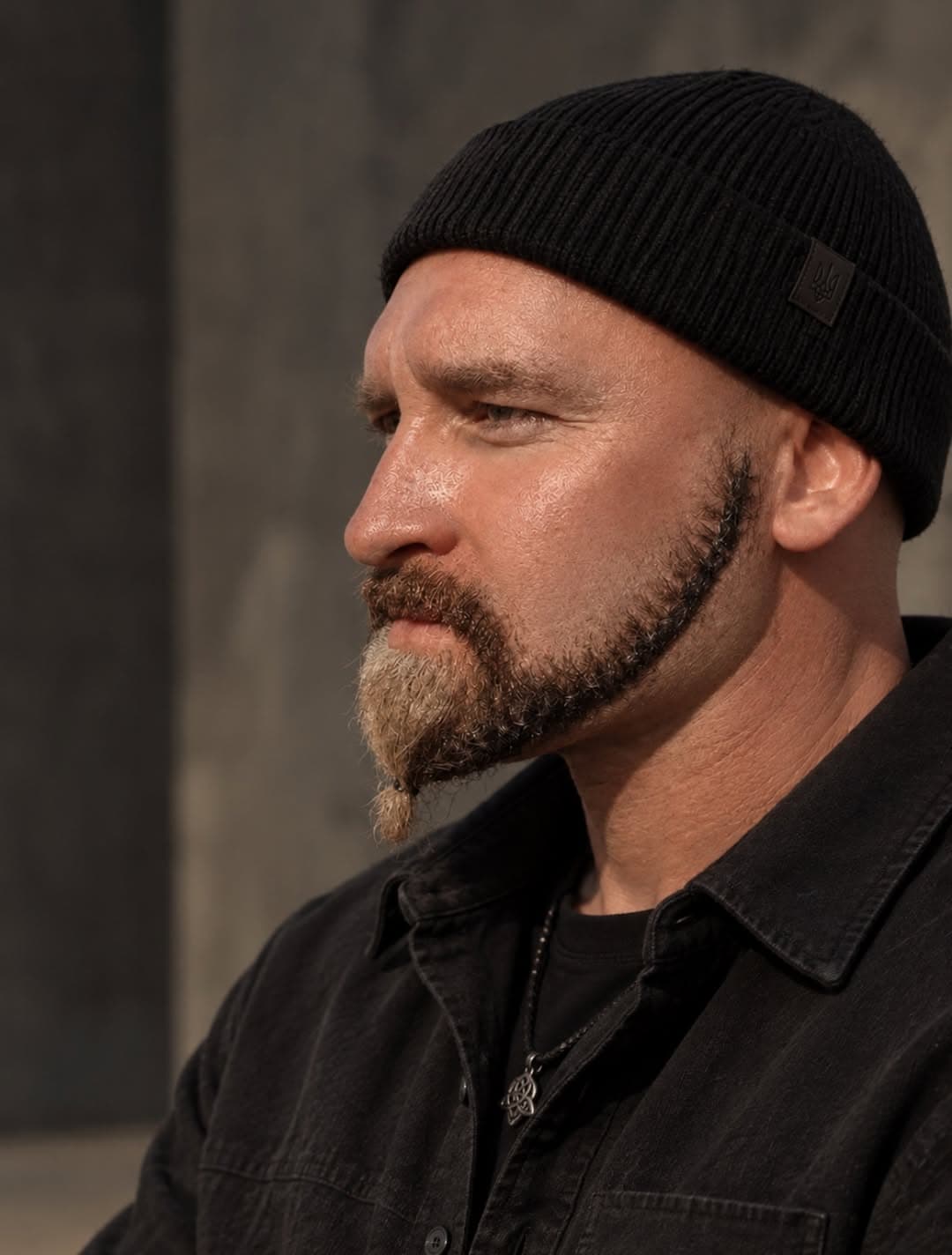
These fine braids follow the jaw from the sideburn area toward the chin. The cleared skin around them makes their curved path easy to see, while the short goatee remains loose at the front. It is a different effect from gathering the whole beard into hanging plaits.
Bring this photo to a braider if you want the same placement. The useful detail is the direction of the rows along the jaw; the small tied chin tuft is separate from the braided sections.
Slim Double Braids With Metal Beads

Two slender braids give this full beard a little structure without gathering all its volume. Each plait finishes in a small metal bead, and the loose hair around the jaw keeps the overall shape soft. The side view shows how the braids sit forward of the fuller cheek growth.
Match the size of the beads to the narrow plaits so they remain visible. A pair of simple metal pieces is enough here; adding more decorations would hide the woven texture that makes the style work.
Braided Goatee With a Long Chin Braid

A long goatee makes a clear starting point for a single chin braid. Here, the bare cheeks and separate mustache leave space around the plait, so its length stands out without the bulk of a full beard.
Keep the chin section broad enough at the top to feed into the braid, then let the woven length narrow toward the end. Tidying the cheeks maintains the strong contrast between the small beard base and the long line below it.
Long Double Braids With Beard Rings

This full beard divides into two thick plaits, with a metal ring finishing each end. The braids sit on opposite sides of the chin and leave the upper beard full, giving the look more width than a single central braid.
Separate the two sides before dividing each one into three strands. Aim for similar amounts of hair in both plaits, then leave the cheek hair combed down around them. The paired rings repeat the shape without covering much of the braid.
Goatee With a Single Loose Braid

You’ll need enough free length in the chin beard for this loose plait. The hair above it stays soft, and the open weave gives the goatee a relaxed outline instead of a tightly gathered rope. The short mustache remains separate.
Braid the chin section, then ease the crossings apart slightly rather than pulling them flat. This uses the same basic approach as a long braided beard, but keeps the focus on a narrow goatee and the space around it.
Long Broad Braid With Full Cheeks
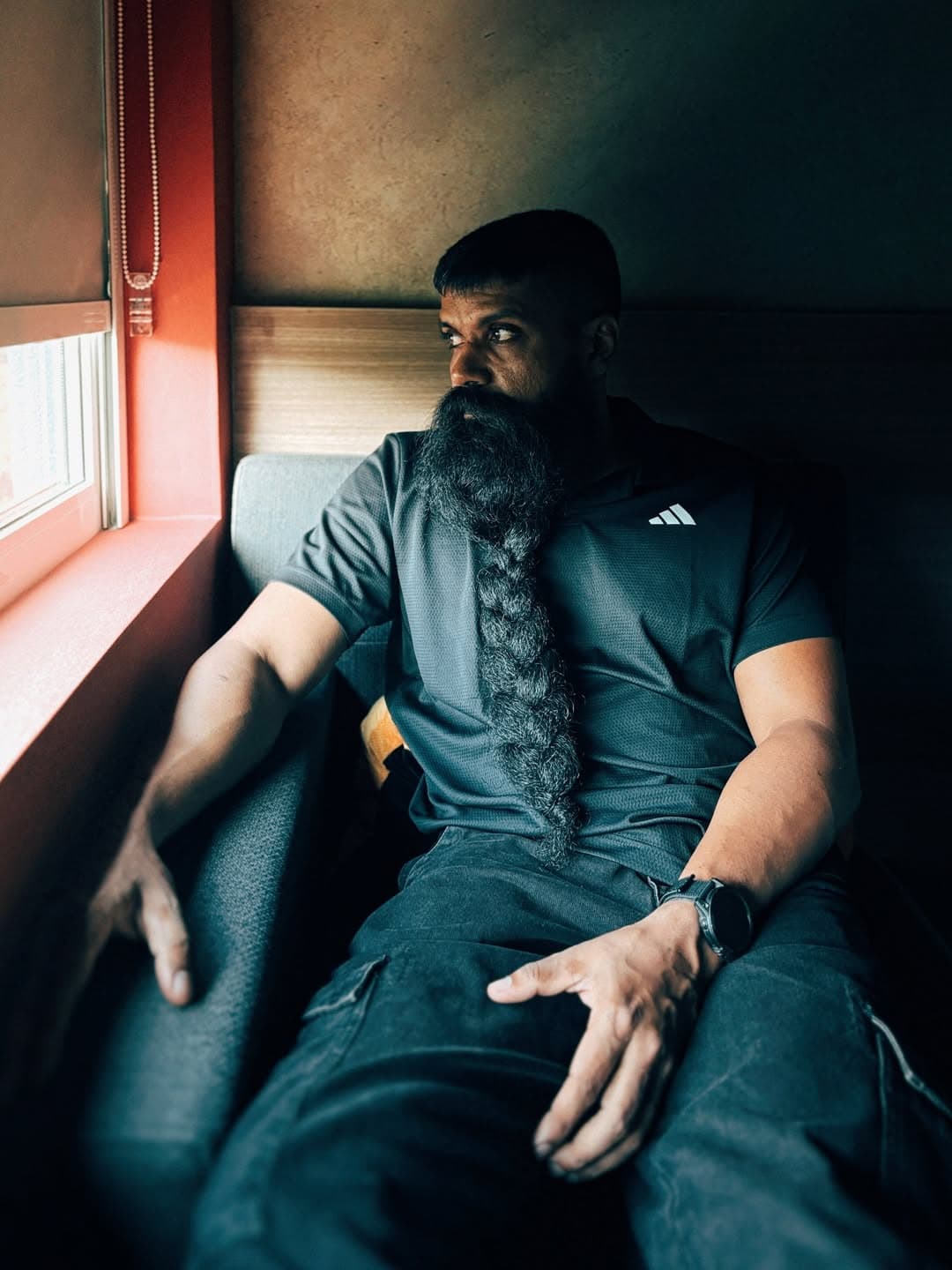
A broad, flat plait gathers the length of this dark beard while leaving the cheeks full. The woven section stays wide for much of its length, then tapers to a small end. That gives it a substantial shape without a large loose tassel.
The beard above the braid matters just as much as the plait itself. Keep that upper section combed into the braid’s starting point, allowing the natural mustache and cheek coverage to frame the face. Start below the fullest part of the chin so the transition from loose hair to woven length stays gradual.
Woven Chin Braid With Colored Thread
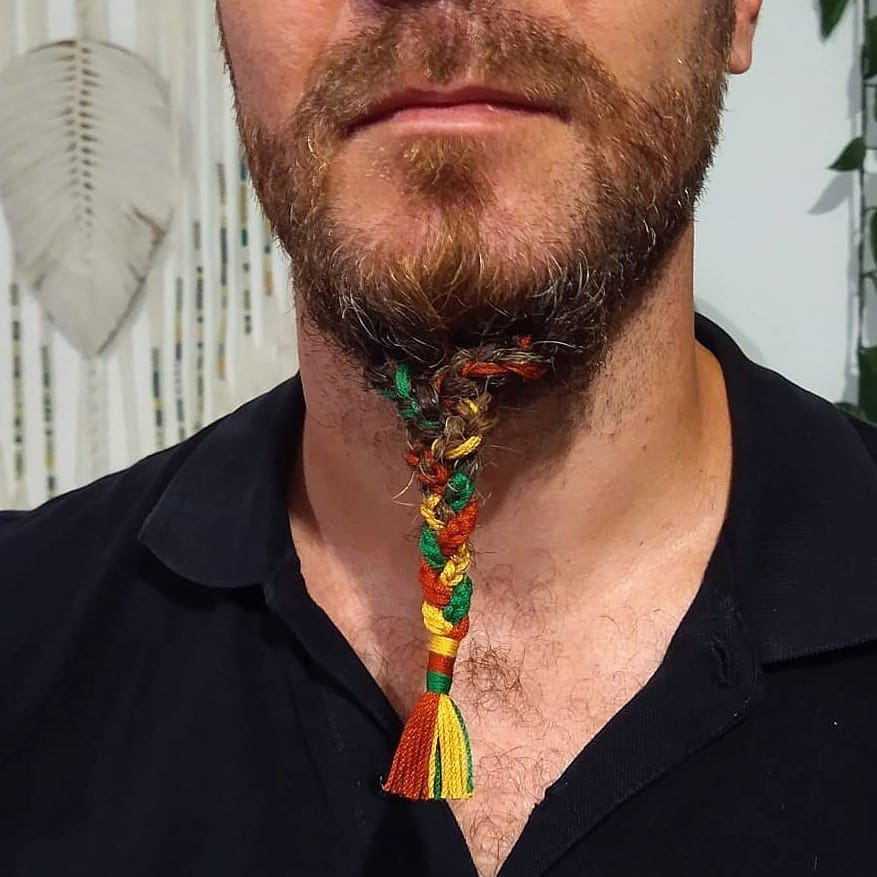
Red, yellow, and green thread runs through this compact chin braid and continues into the loose end. Several small braided sections come together in the center, giving the short beard a more intricate detail without adding broad plaits along the jaw.
The color comes from the visible thread, so there is no need to copy it with beard dye. Keep the surrounding beard simple and ask a braider to reproduce the small interwoven sections if you want this particular finish.
Small Chin Braid With Bare Cheeks

A small plait at the tip changes the outline of this isolated chin beard. The fine hair above it stays loose, while the cheeks and upper lip are nearly bare. From the side, the braid reads as a small detail rather than a long beard extension.
Gather only the free end into the plait and leave enough loose hair above it to keep the shape soft. This is a useful reference for a chin-focused look with less coverage around the mouth.
Twin Goatee Braids With a Pencil Mustache

Two very fine braids hang from opposite sides of a short goatee. The pencil mustache and clean cheeks give the face a sharply outlined frame, while the long plaits add movement below the chin. The narrowness of the braids is the key distinction here.
Keep the mustache and goatee edges separate and clearly shaped. When parting the chin beard, work with the natural amount of hair on each side rather than trying to make thick braids from these small sections.
Multiple Short Braids With Bright Ties
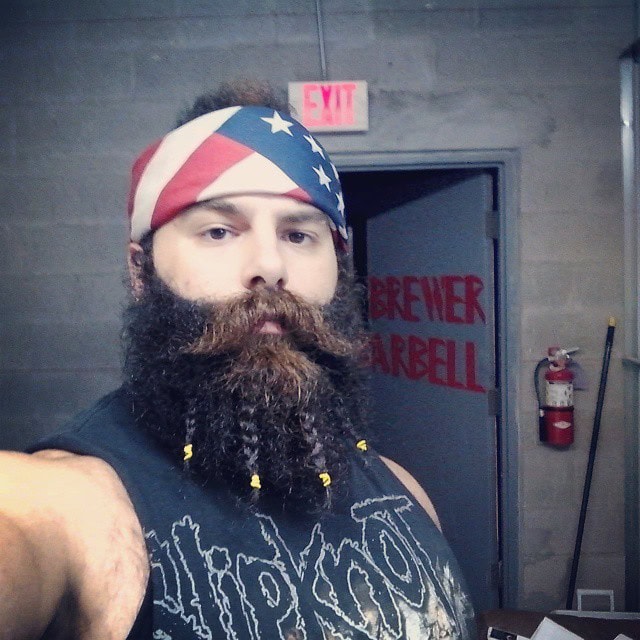
Several small plaits break up the lower half of this dense beard. Yellow ties mark their ends at slightly different heights, and the loose upper beard holds the overall shape together. The mustache sweeps outward above the clustered braids.
You do not need a grid of square sections to copy the visible effect. Choose separate portions of the free beard length, braid each one, and let them fall individually. Repeating one tie color makes the scattered plaits feel connected.
Three Beaded Goatee Braids
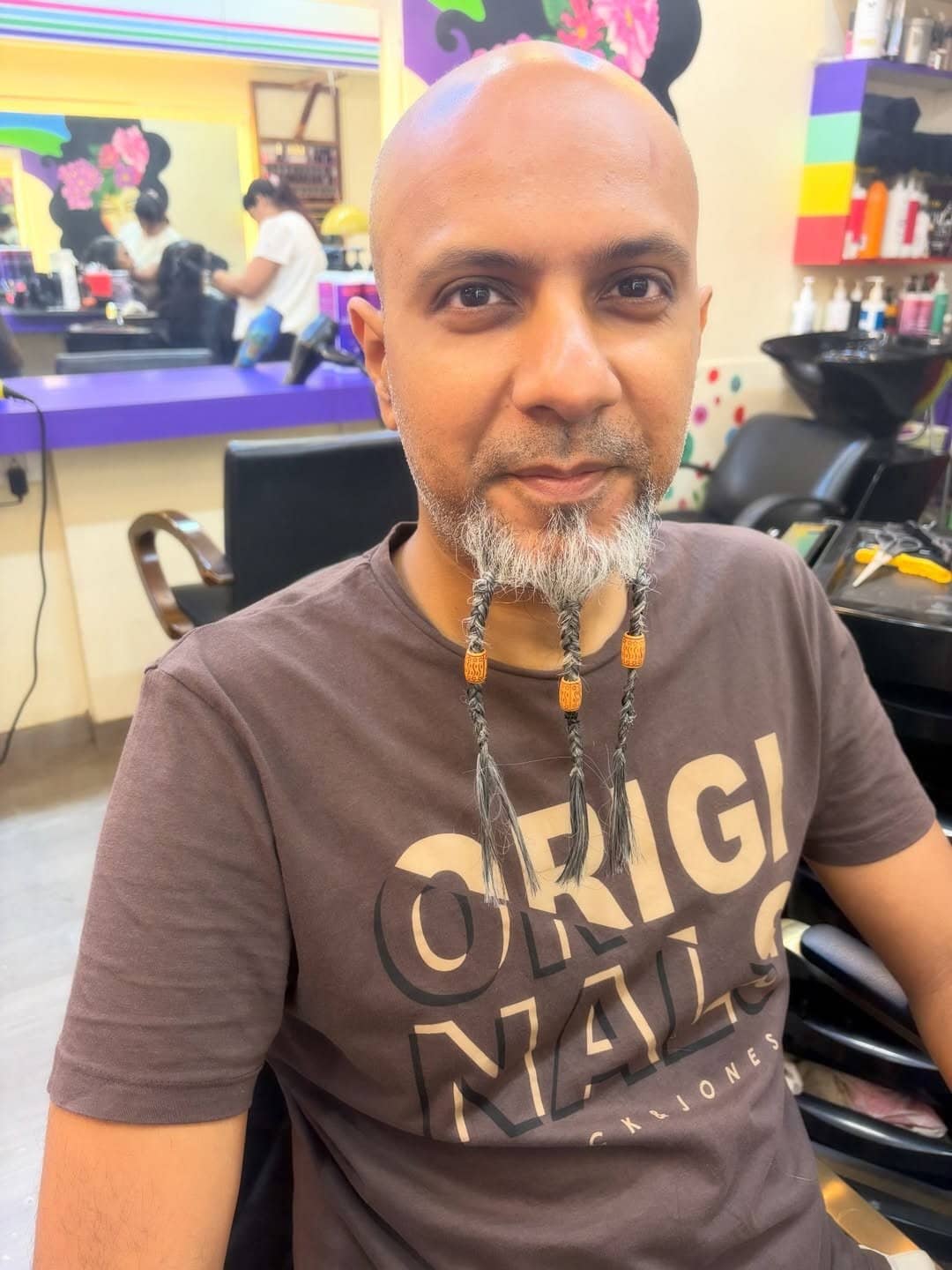
Three fine gray braids give this goatee a wider finish than a single chin plait. Amber-colored beads sit on the hanging sections, while the cheeks remain mostly bare and the mustache stays short. Each braid has enough space around it to be seen separately.
Divide the free chin length into three sections before making the individual plaits. Keeping the beads similar in size and color helps the three narrow braids read as one arrangement rather than a cluster of unrelated decorations.
Fine Accent Braids in a Curly Beard
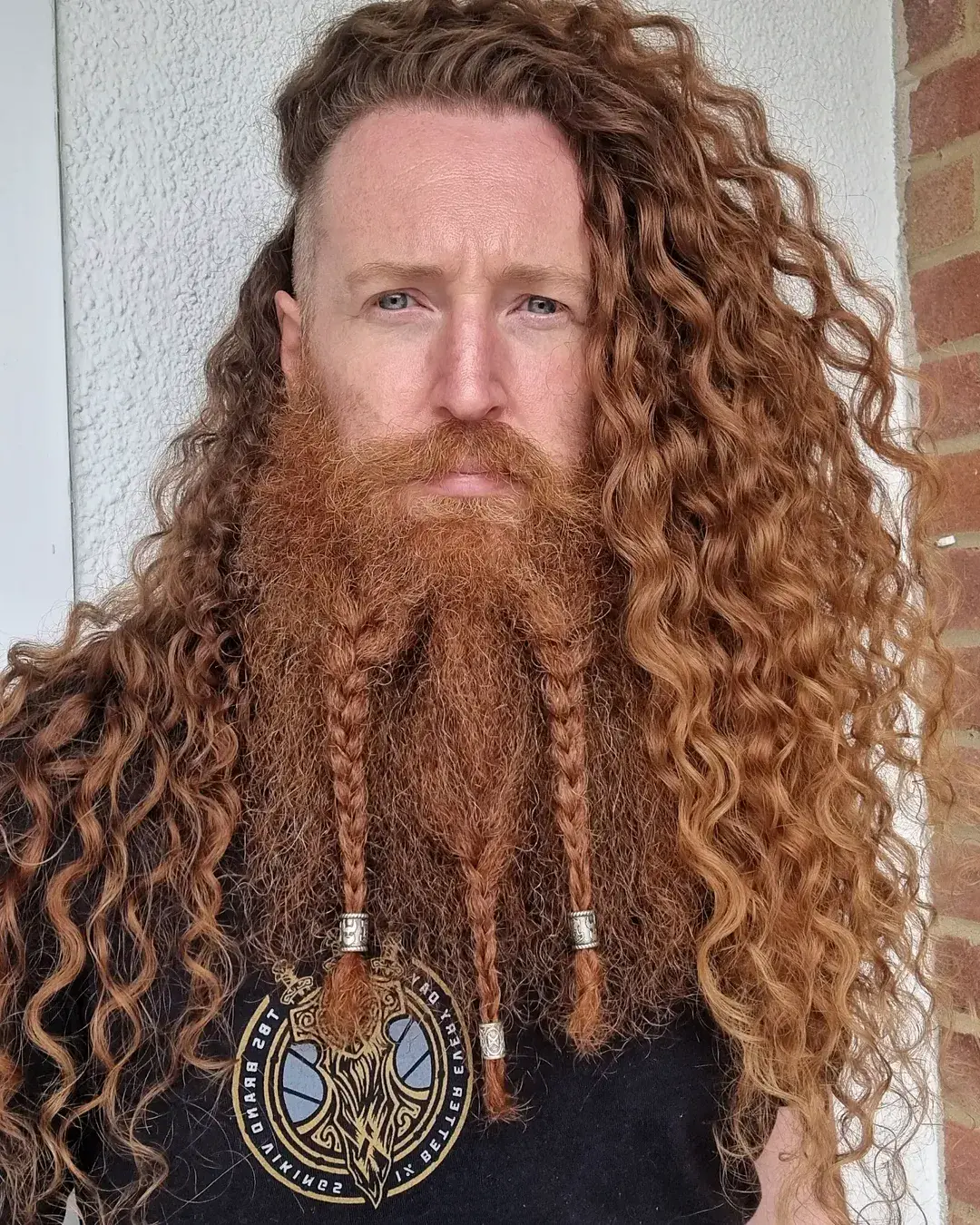
Most of this long ginger beard stays loose and curly. Fine braids sit over that texture, with small silver cuffs marking their ends. They add a few clear lines through the beard without flattening its natural volume.
Take narrow sections from the surface and leave the bulk underneath unbraided. The contrast between smooth plaits and loose curls is the point of this style, so there is no need to gather every stray hair or make all the braids equally long.
Fine Braid in a Wispy Chin Beard
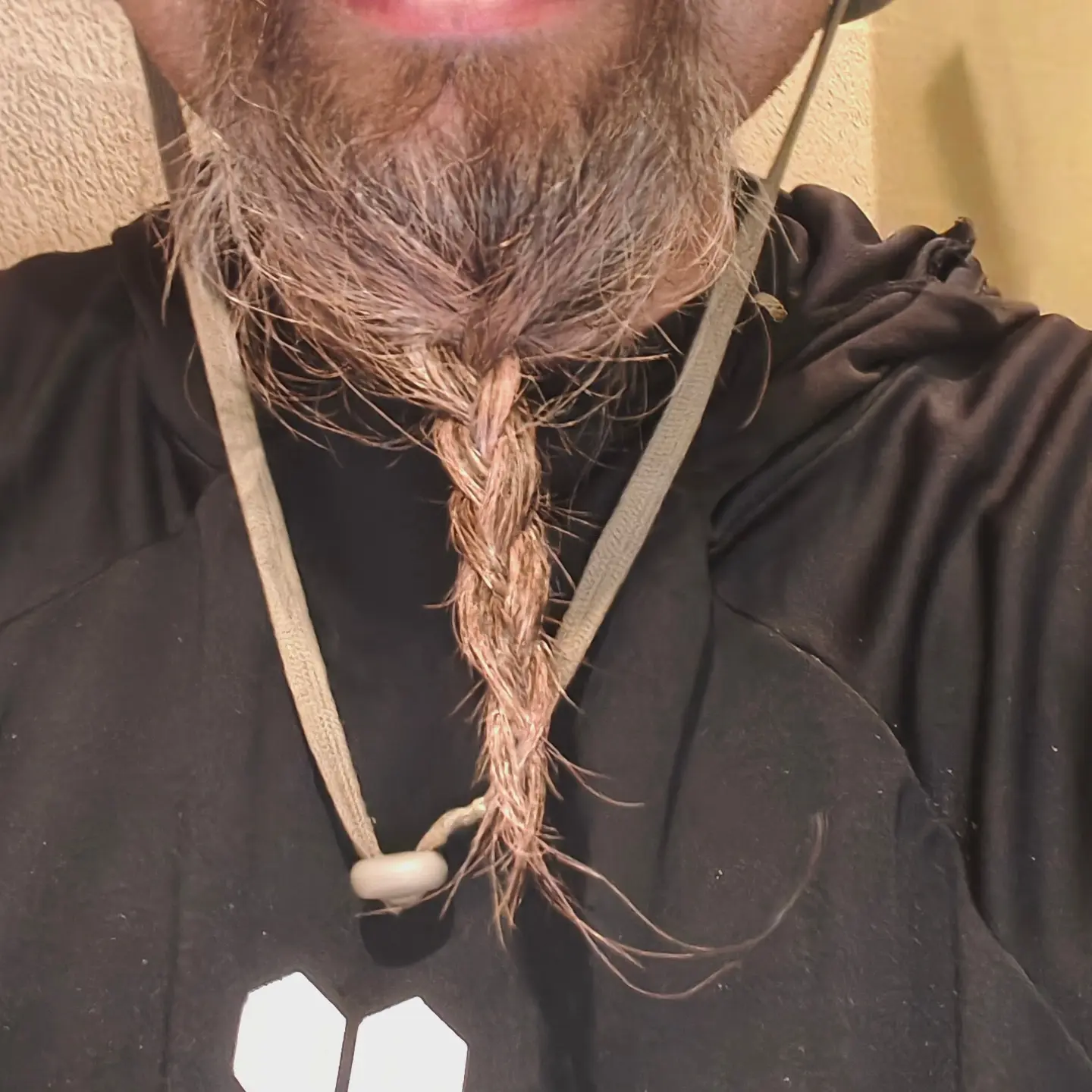
This close view shows a slender plait in a wispy chin beard. Loose strands soften the crossings, and the fine brown and gray hair gives the braid a lighter outline than a thick, tightly packed plait.
A small braid can look deliberate without being perfectly smooth. Work with the strands that have enough free length to cross, letting the shorter hairs soften the outline around them.
Short Double Braids Under a Full Beard
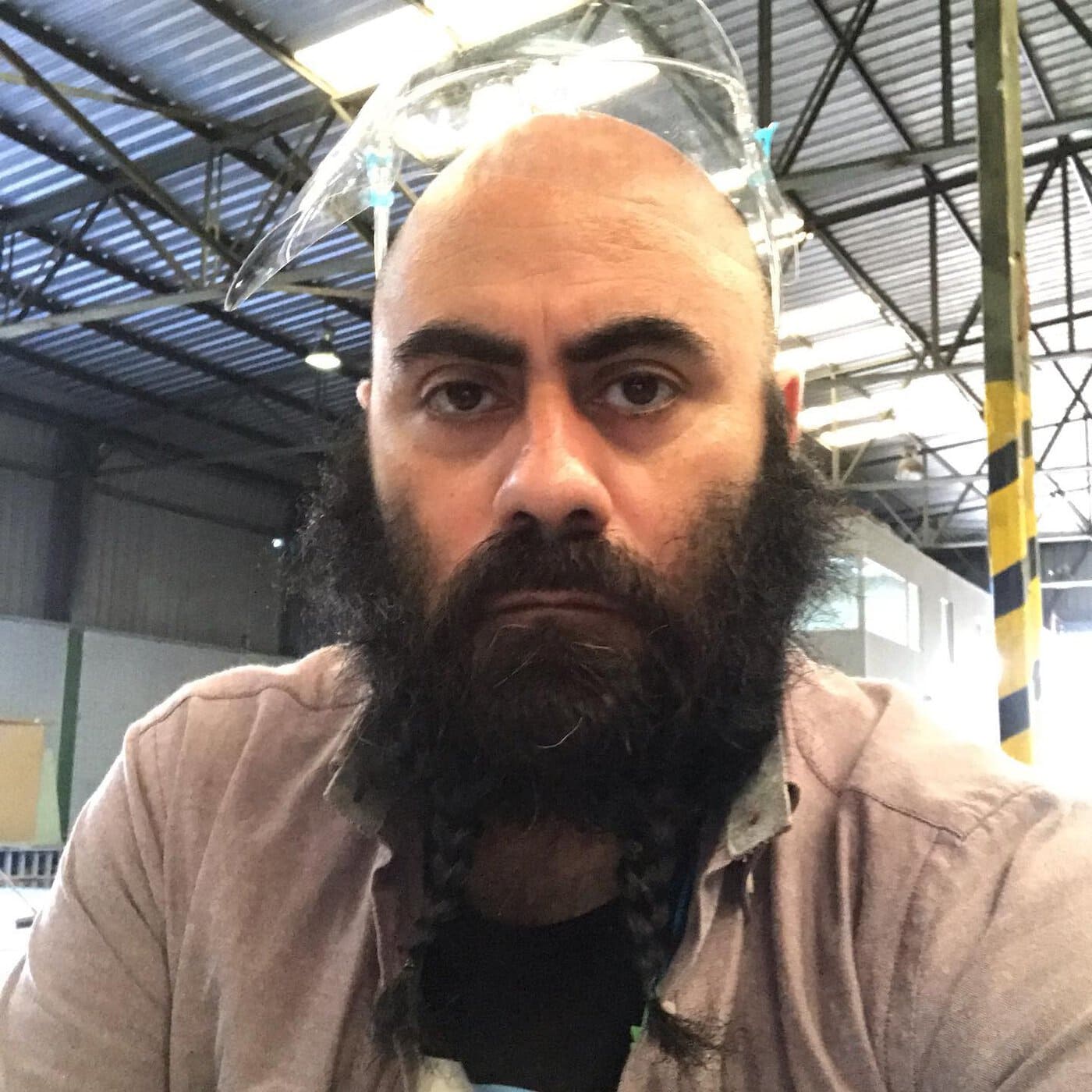
Two compact plaits hang beneath this full dark beard. The cheeks and upper chin remain loose, so the braid detail sits below the main beard shape instead of replacing it. There are no large rings or beads competing with the texture.
Split the lower length down the center and braid each side separately. Stop while there is still enough free hair to secure the ends. This gives you the paired shape of a double braid without the long hanging sections of the earlier example.
Side Braids Around a Loose Gray Center
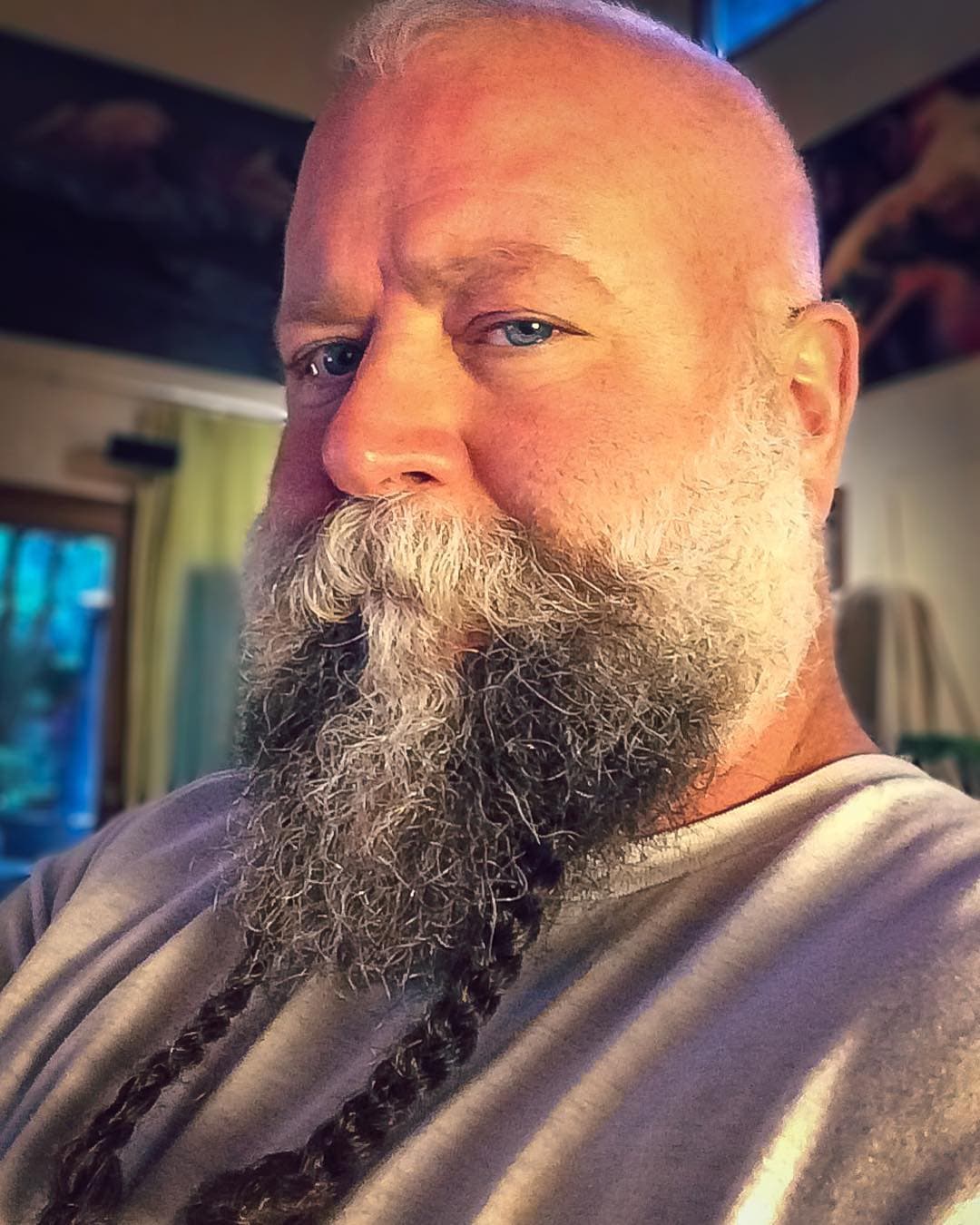
The center of this gray beard stays full and unbraided, with a narrow plait running down each outer side. A white mustache and mixed gray lengths keep the texture visible even where the hair is loose.
Take the braid sections from the sides instead of dividing the entire beard in half. Leaving that broad center panel untouched is what makes this look different from a conventional double braid. Comb it down between the plaits to keep the three-part shape clear.
Three Braids With a Longer Center
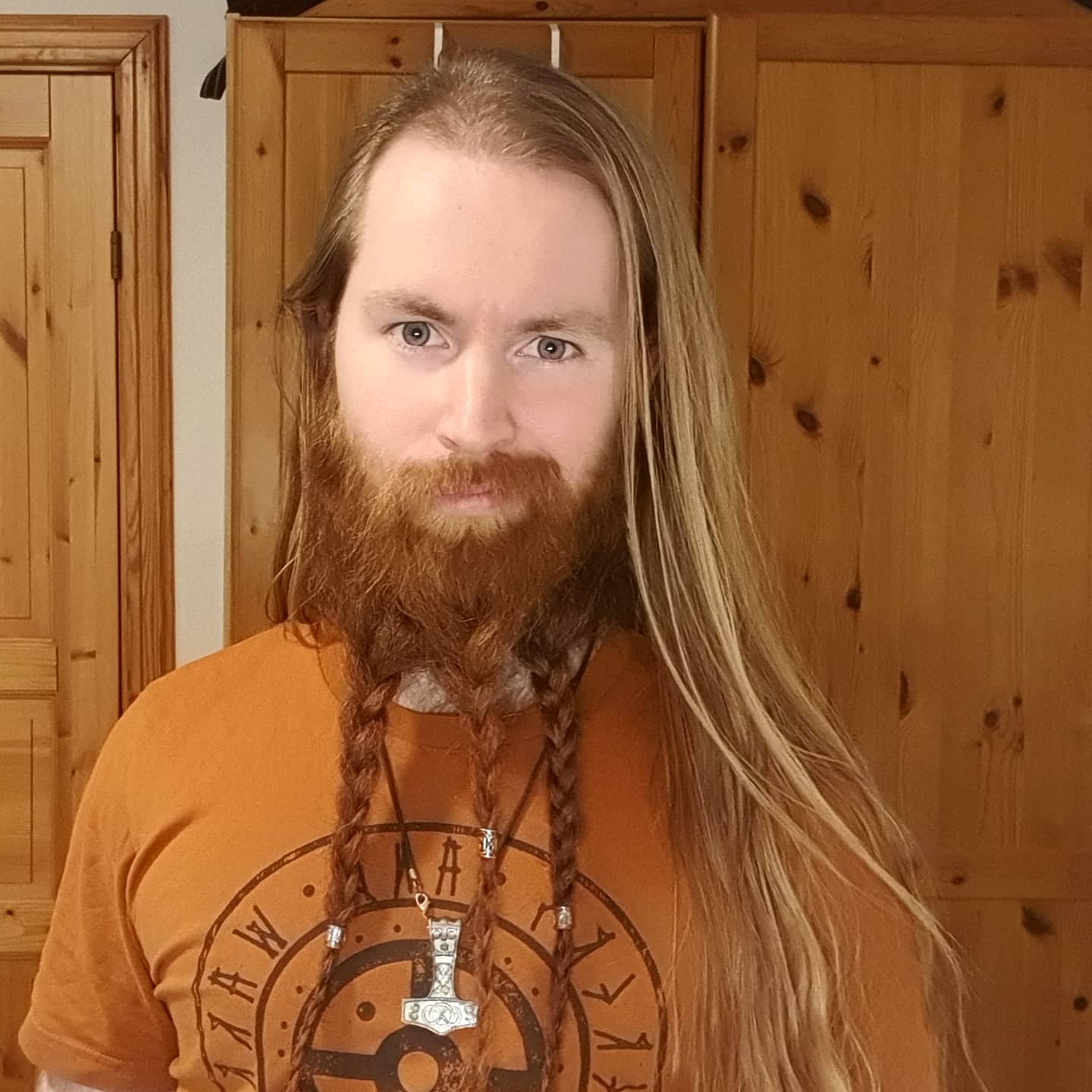
Two thicker side plaits frame a longer, slimmer braid in the middle of this reddish beard. Small metal cuffs repeat across all three sections, while the loose upper beard keeps them connected to one full shape.
Plan the center section before splitting the remaining length to either side. A thinner, longer center plait creates the staggered finish shown here. Matching the small cuffs ties the three sections together.
Jumbo Braid With a Loose Upper Beard
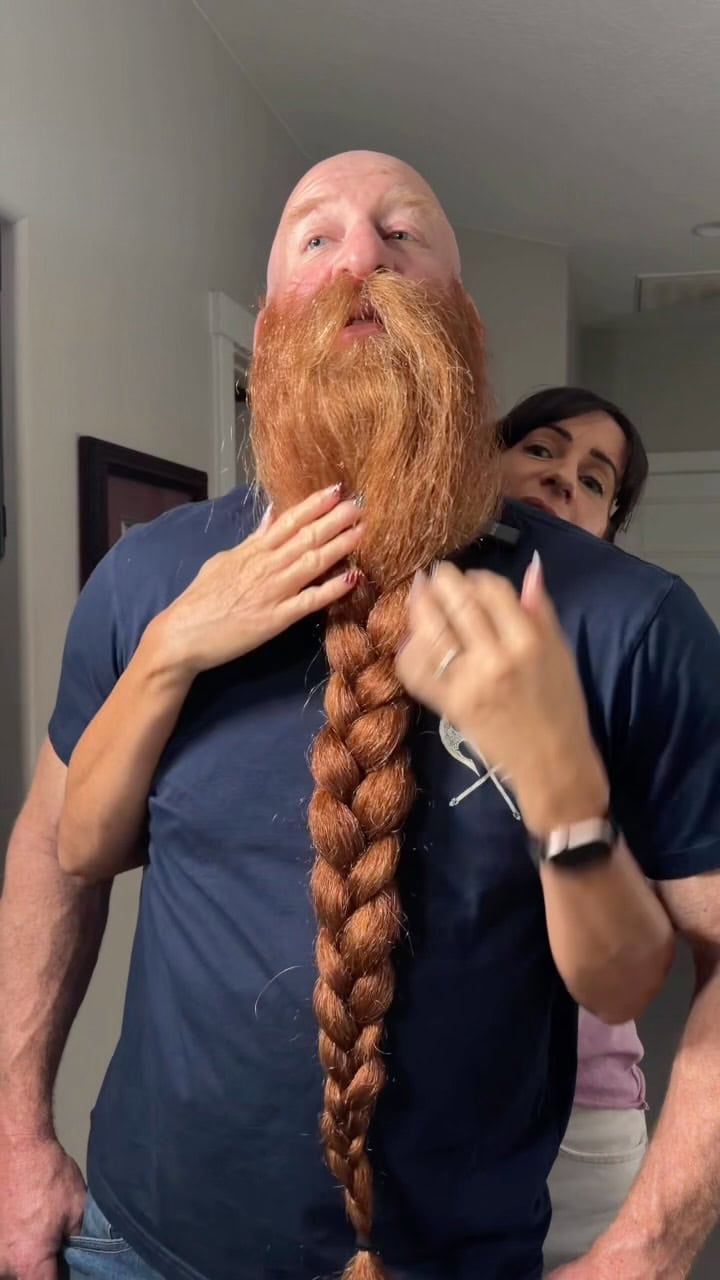
The braid starts well below the chin, leaving a broad sweep of loose ginger beard above it. Large crossings gather the remaining length into one thick plait that tapers down the torso. Its low starting point gives the upper beard room to keep its natural volume.
This is a reference for a very long beard with plenty of free length. Begin where the hair can gather comfortably, then divide that lower section into three substantial strands instead of pulling the braid tight against the chin.
Braided Circle Beard With Bright Beads
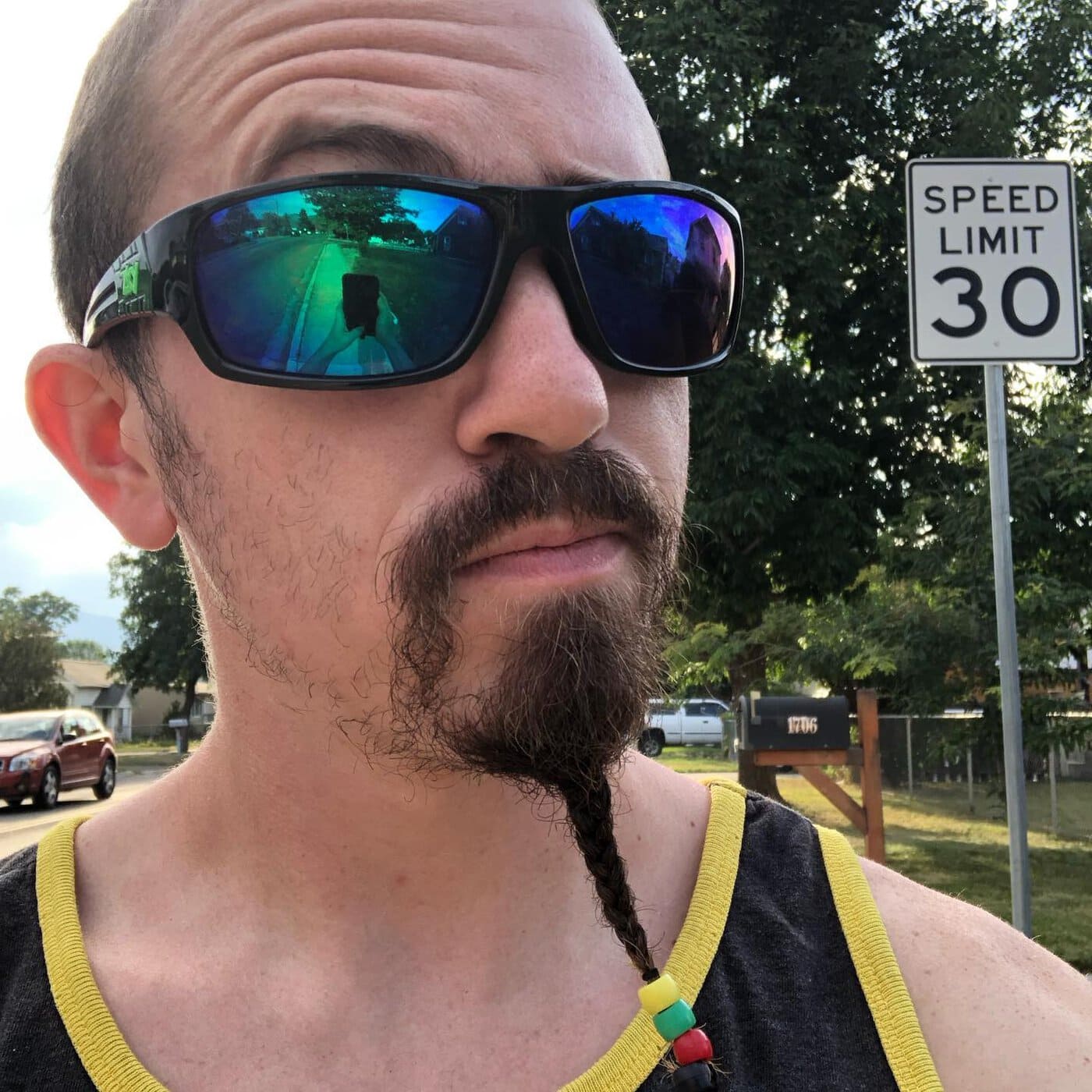
A connected mustache and goatee frame the mouth, while one fine braid extends below the chin. Yellow, green, and red beads finish the narrow plait. The mostly bare cheeks keep that small strip of color easy to see.
The bead stack supplies most of the decoration. Keep the circle beard neatly outlined and let that one slim plait hang clear of the chin, where each color can be seen.
Slim Goatee Braid With a Metal Cuff
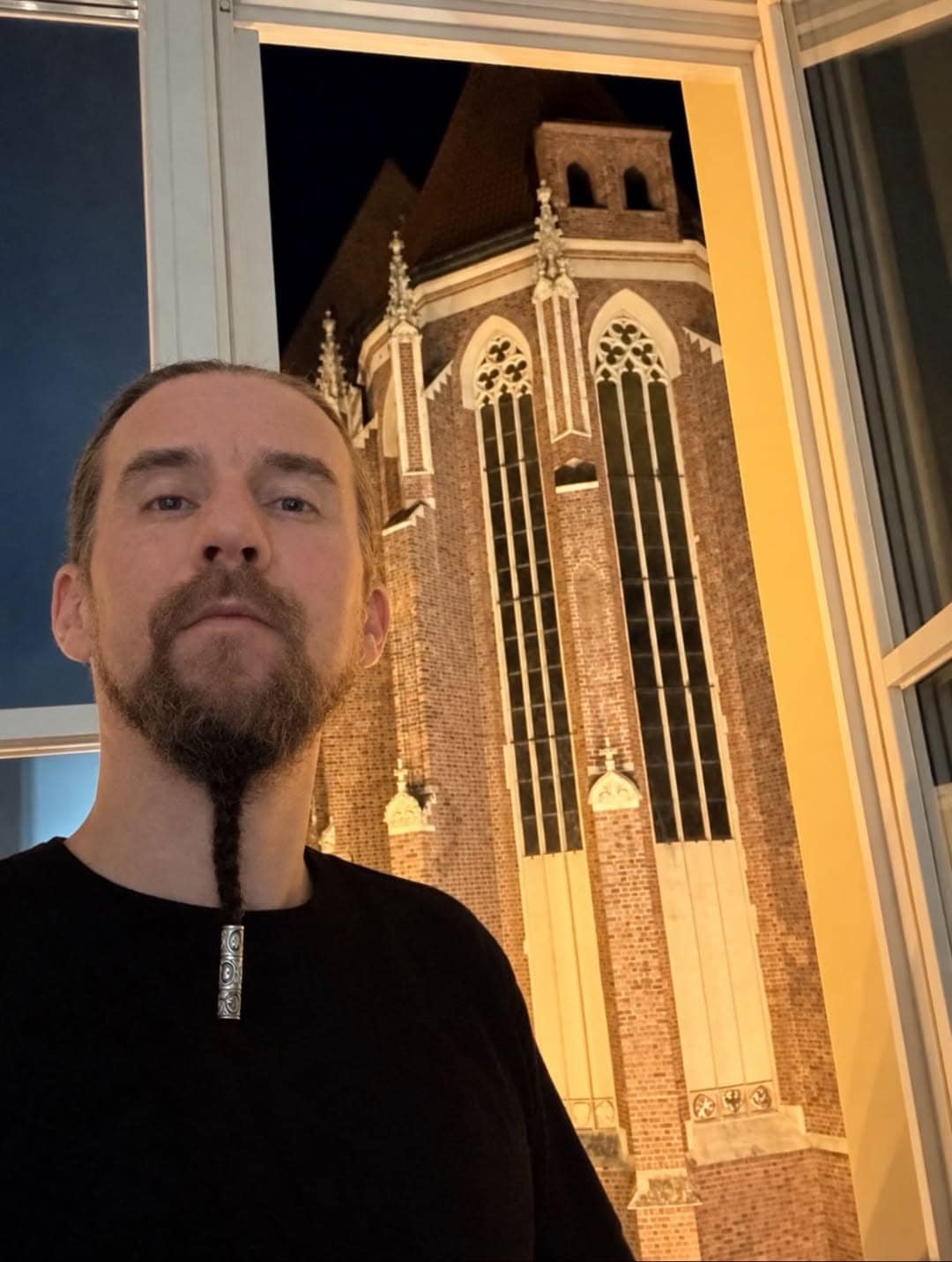
One slender dark braid drops from a chin-focused beard and finishes in an elongated silver cuff. Shorter growth along the jaw keeps the upper shape close to the face, making the narrow hanging section stand out.
Use a small portion of the chin length for the plait and leave the shorter surrounding hair alone. The cuff is the strongest detail here, so a plain metal finish works well with the simple braid and natural mustache.
Two-Tone Goatee With a Fine Braid
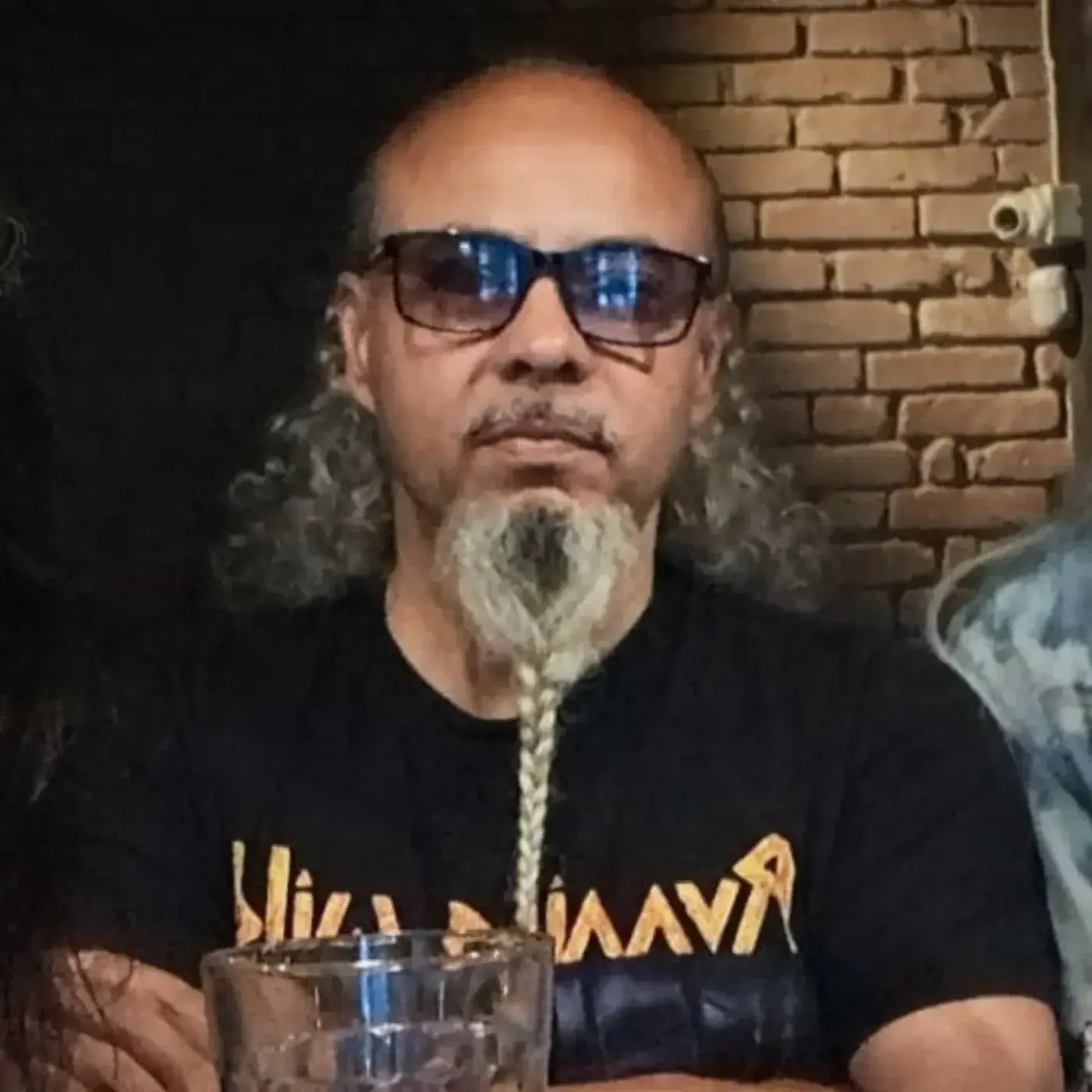
A darker patch near the chin sits above a fine pale braid in this mostly gray goatee. The separate short mustache and nearly bare cheeks leave the color contrast concentrated at the center of the face.
Keep the braid narrow and let the looser upper goatee retain its shape. There is no need to make all the facial hair one color to wear this look; the difference between the darker base and lighter length is part of its character.
Compact Braid With a Long Tassel
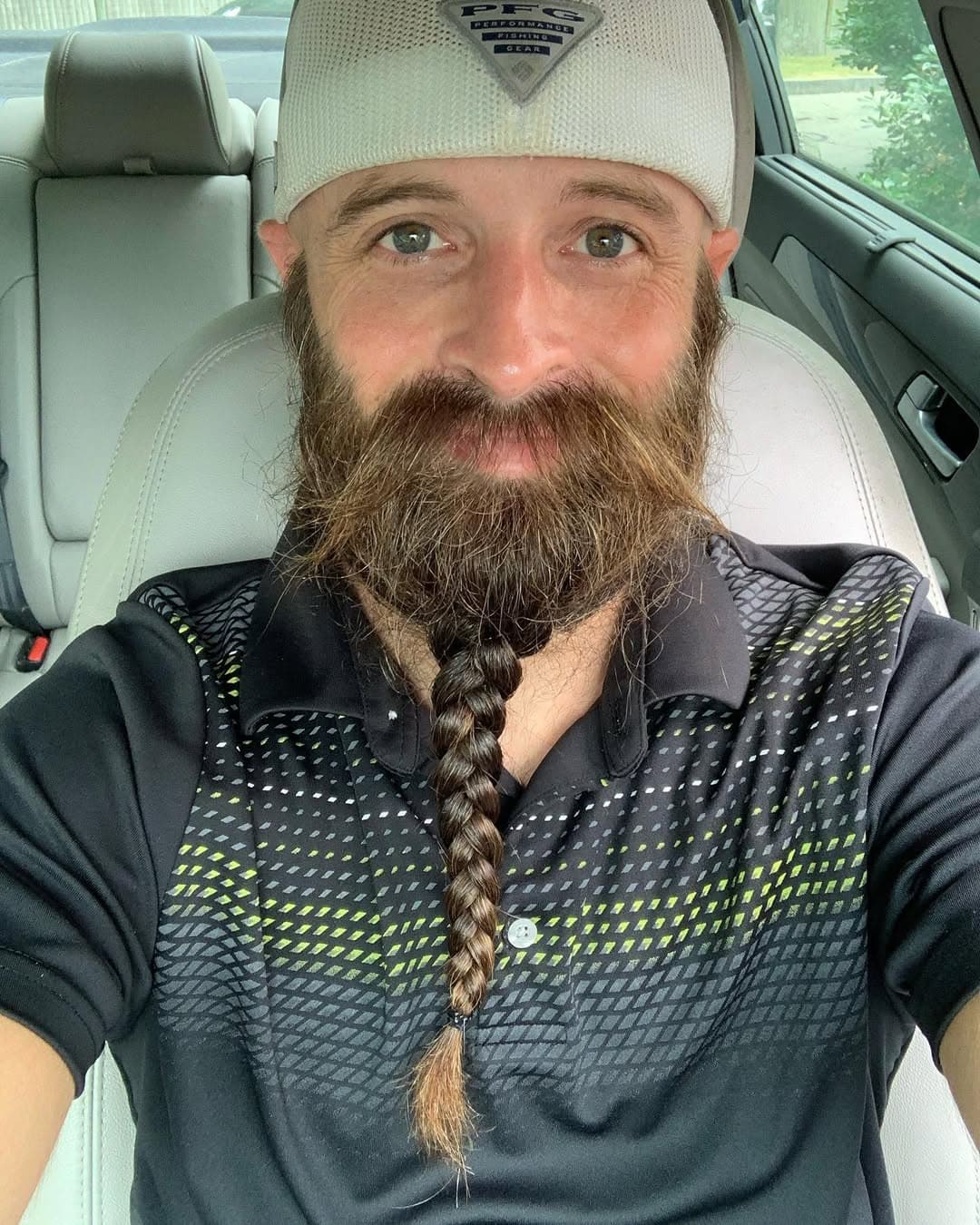
A neat central plait gathers the lower part of this full brown beard, then opens into a long loose tassel. The lighter ends make the change in texture easy to see, while the cheeks and mustache stay outside the braid.
Stop braiding before you reach the tips and secure the point where you want the loose tail to begin. The generous tassel keeps this finish softer than a braid worked almost to the end, while the short woven section still gives it structure.
Loose Wide Braid With a Beard Ring
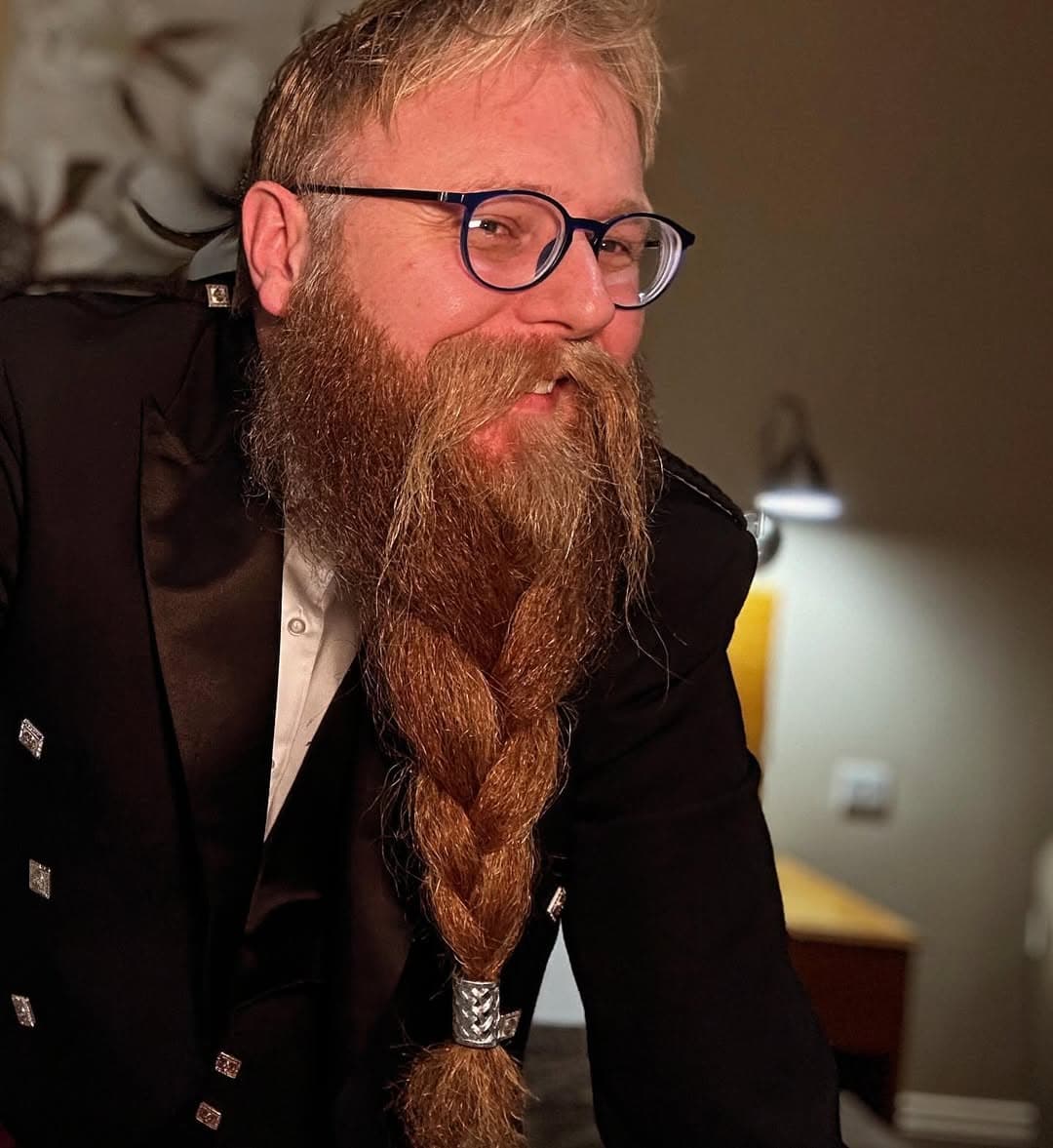
Wide, relaxed crossings give this ginger braid a broad shape below the chin. A large silver ring sits above the loose tassel, and the long natural mustache hangs over the upper lip. The beard has plenty of texture around the weave.
Make a loose plait rather than compressing the strands into a narrow rope. Keep the ring low enough that the crossings remain visible above it. The combination of open weave and loose tail is more important here than a perfectly smooth finish.
Blue Chin Braid With a Swept Mustache
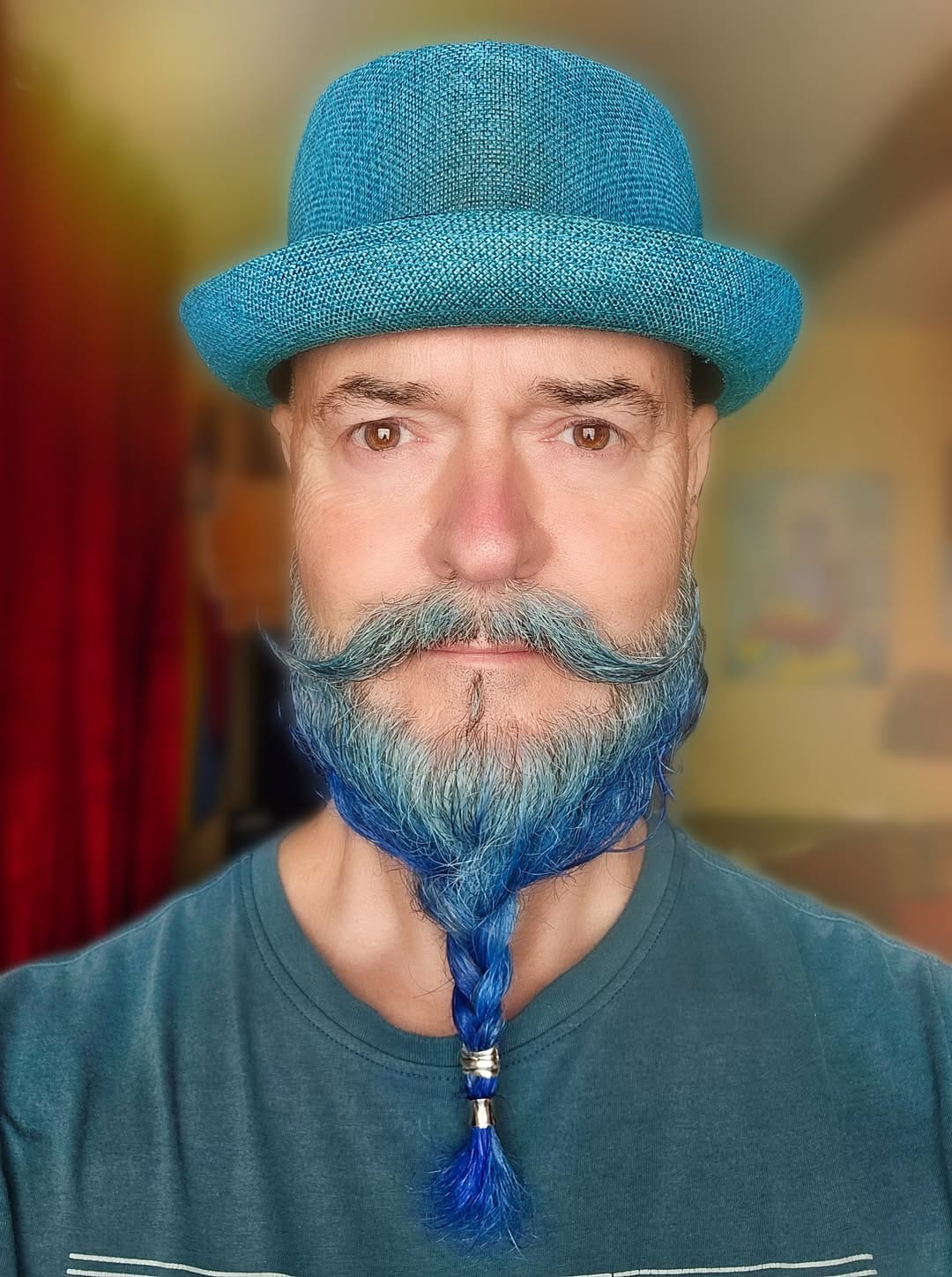
A vivid blue plait adds color to the lower part of this beard, with metal cuffs and a loose blue tassel finishing the center. Above it, the gray mustache sweeps widely outward, creating a strong change in both direction and color.
Keep the braid centered so it sits beneath the split in the mustache. This photo is useful for choosing where to place the color and accessories; the short woven section leaves enough room for the broad mustache to remain a separate feature.
Single Chin Braid in a Loose Full Beard

A narrow braid brings the center of this full brown beard to a point while most of the cheek and jaw hair stays loose. A small metal cuff and soft tail finish the plait, giving the lower edge a little structure without gathering all the beard.
Separate a central section from the free chin length and braid only that portion. Let the surrounding hair fall naturally around it. This is a subtle way to add a woven detail while keeping the shape and fullness of an unbraided beard.
A well-maintained beard gives you plenty of options when it comes to braiding. You can explore different styles based on whether you’re working with a short or long beard length. Experiment with a few before you commit to the one that suits you best.
Hopefully, this guide on how to braid your beard has given you a solid starting point for finding your next favorite braided style.
Keeping track of the three strands
Think of left, middle, and right as positions, not permanent names for each strand. When the right strand crosses over the middle, it becomes the new middle. The next crossing uses whichever strand is now on the left. Alternate sides in that order.
Keep the crossings loose enough that they do not pull at your chin. If shorter hairs keep escaping, start lower down where there is more free length, or braid a smaller section. Do not pull tighter simply to force every hair into the plait.
How to undo a beard braid
- Support the braid with one hand while loosening the tie or accessory with the other. Remove a sliding bead toward the free end; open a cuff if its design allows that.
- Start at the bottom crossing and gently separate the strands. Work upward one crossing at a time instead of pulling the braid apart from the chin.
- Use your fingers to ease out any remaining snags. Only then pass a comb through the loose ends and work upward in small sections.
If an accessory will not move, stop and inspect where hair has caught. Do not pull it through a knot or cut blindly beside the beard. A simple hair tie is enough for a first attempt; decoration can wait until you can braid and undo the section comfortably.
Braiding Questions, Answered
How long does a beard need to be for braiding?
You need enough free length to cross three strands comfortably. The amount varies with texture and where the braid starts.
How do I braid my beard?
Comb it tangle-free, separate the section into three strands, then cross the right strand over the middle and the left over the middle, repeating to your desired length. Secure the end with a suitable hair tie. Add a bead or cuff only if it fits without pulling.
Which braided style should I start with?
The long single braid, started just below the chin with the rest of the beard combed out around it. It is the cleanest look and the easiest technique.
The Beard Style Verdict
Start with one three-strand chin braid and choose a style that works with your free beard length. Double and accent braids change the placement of that basic plait; closely braided jawline designs are a better reference to take to an experienced braider.


