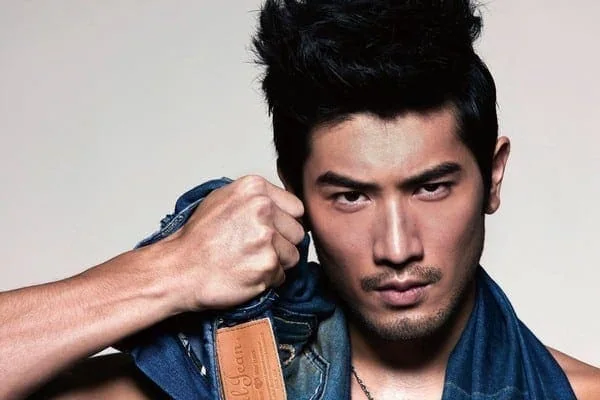

Before the 17th century, beards in Japan were often considered a sign of masculinity and martial strength, and many warriors wore facial hair. However, by the early Edo period, attitudes had shifted, and beard-wearing had largely fallen out of favor.
That shift was so influential that, even in the 21st century, you will rarely see a native Japanese office worker wearing a full beard. Why did that change happen? What is the history behind the Japanese beard? To find the answers, keep scrolling. And if world beard traditions interest you, our guide to Arabic beard styles makes a striking contrast.
The History of Japanese Beard
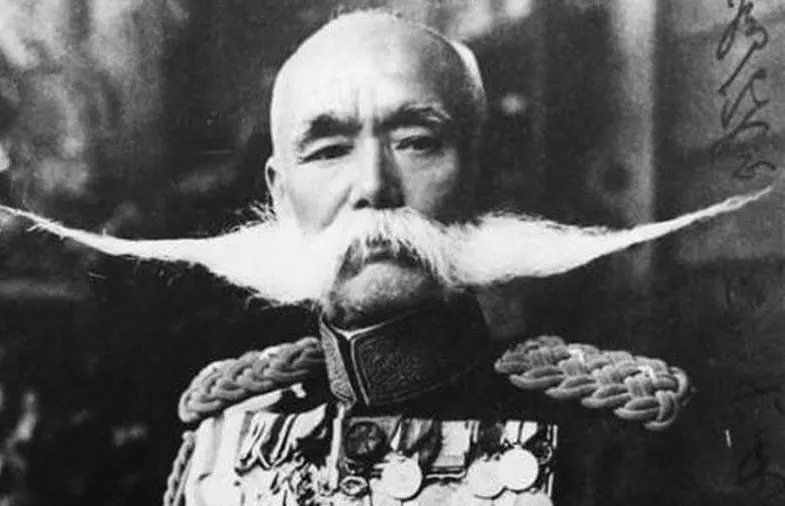
When you look at Japan’s ancient history, you will find that “hige” (facial hair) was considered a strong masculine feature. It was associated with samurai from the medieval period into the early Edo period.
As Japan entered the long peace of the Edo period, facial-hair norms began to change. The heavily bearded warrior image gradually gave way to a more controlled appearance, including the topknot hairstyle and a shaved pate.
Many men stopped growing full beards but continued to wear the traditional topknot while shaving the top of their heads. By the mid-17th century, beard-wearing had become heavily restricted.
Even so, the Ainu, an Indigenous people of northern Japan, maintained distinct cultural and grooming traditions that included heavy beards. Later, in the 1930s, facial hair briefly returned to fashion in Japan, and some military personnel wore beards and mustaches.
After World War II, clean-shaven styles became fashionable again among both teenagers and adults. A clean shave came to be associated with neatness and respectability, and that idea still influences public and workplace norms in Japan today. However, there has never been an age-based rule requiring men to wait until 30 to grow a beard.
Can The Japanese Grow A Beard?
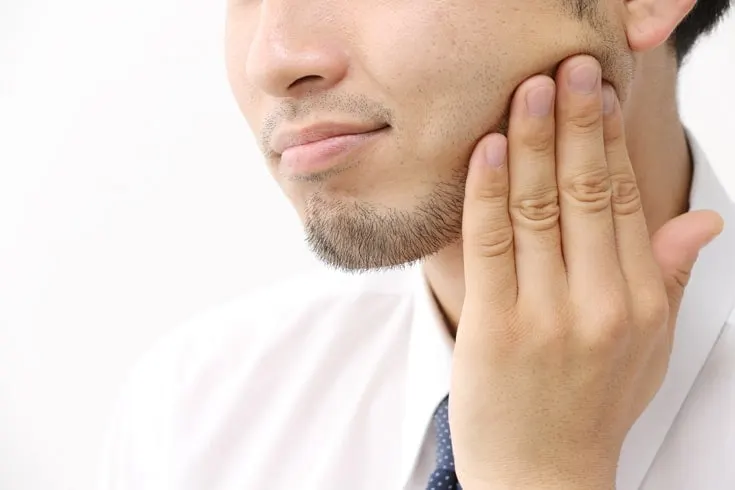
Yes, some Japanese men can grow a beard, while others have sparser facial hair because of genetics. Those who can grow one often choose not to, for several reasons.
One major reason is workplace culture, as some companies still discourage employees from growing beards. Like in Korea, facial hair in Japan can sometimes be associated with being untidy or unprofessional, especially in more conservative settings.
Popular Japanese Beard Styles
1. Full Japanese Beard
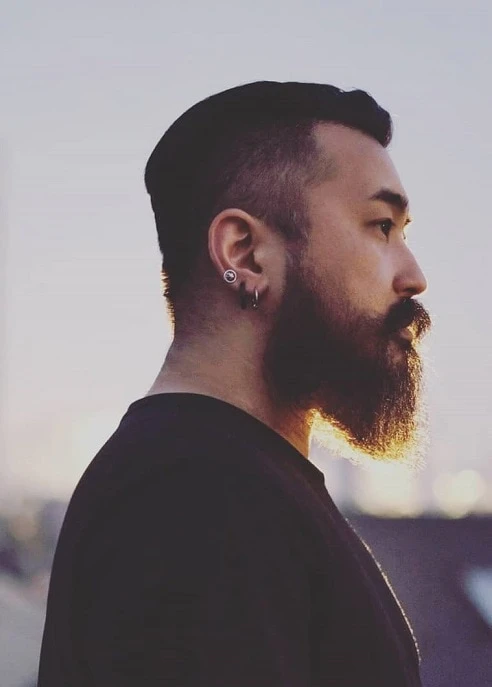
It is a masculine, well-trimmed beard paired with a short taper-fade hairstyle. Maintain it regularly. Trim the cheek line, shape the beard properly, and comb it often to remove tangles. Keep it polished and glossy by applying beard oil.
2. Pai Mei Warrior Look
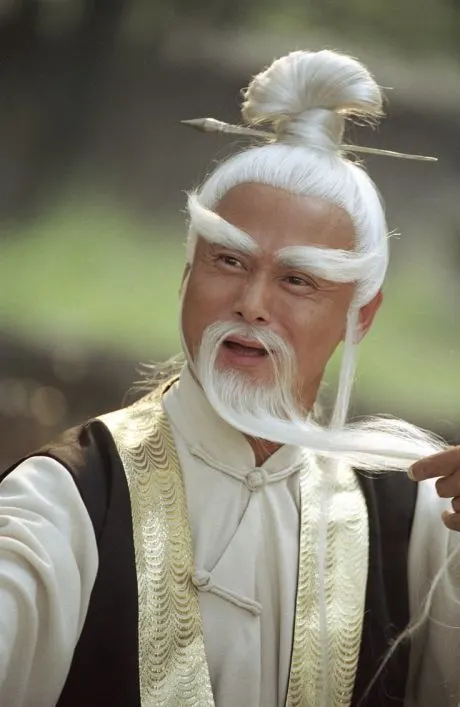
This look is inspired by the famous Pai Mei character from Kill Bill. An extra-long goatee, clean-shaven cheeks, and a chonmage-style topknot secured in place with an arrow create a dramatic, warrior-like appearance. Do not forget the fine details, such as the pointed eyebrows.
3. Japanese Van Dyke
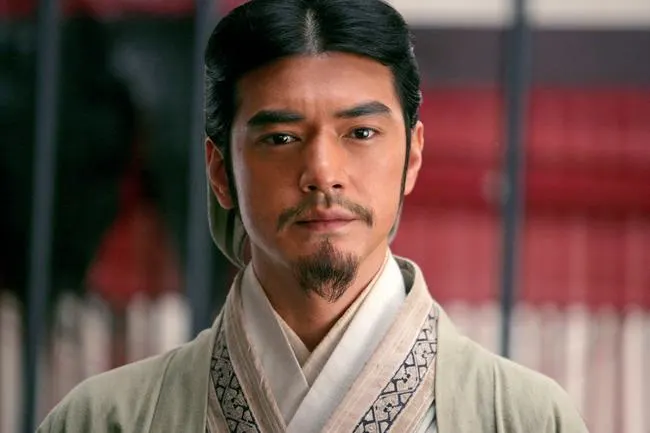
It is one of the most sophisticated Japanese beard styles with a modern touch. The mustache is neatly trimmed, and the chin hair is shaped into a clean triangle. Nowadays, it is a fairly acceptable beard style in Japan.
We Love These Asian Beard Styles
4. Long Ducktail Beard
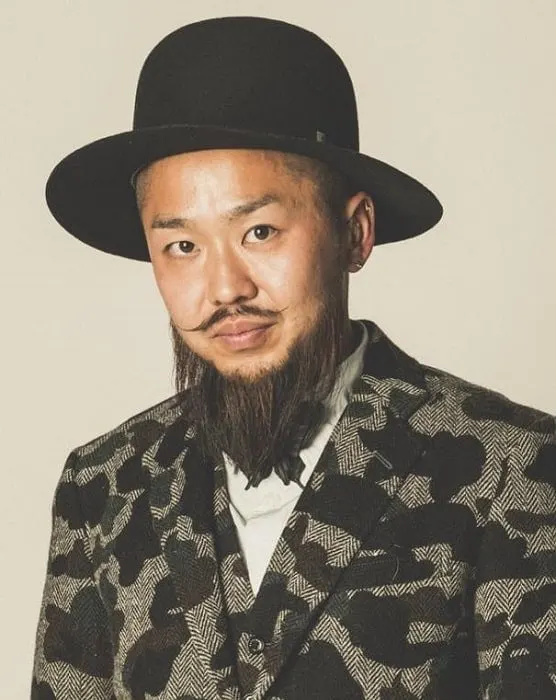
It resembles a ducktail beard. Its professional pairing includes a thin handlebar mustache and a silky-smooth beard with a buzz-cut hairstyle, giving the man an edgy look.
5. Patchy Goatee
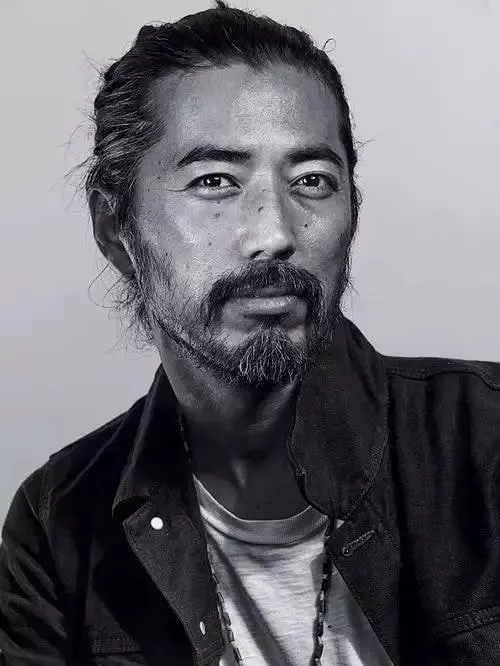
It is a rugged and adventurous beard style. A thick Fu Manchu mustache combined with a chin beard creates a striking goatee.
Define the beard style properly. The sideburns look unkempt, and the cheek area is patchy. Choose a man bun hairstyle if you want a classier appearance.
6. Japanese Stubble
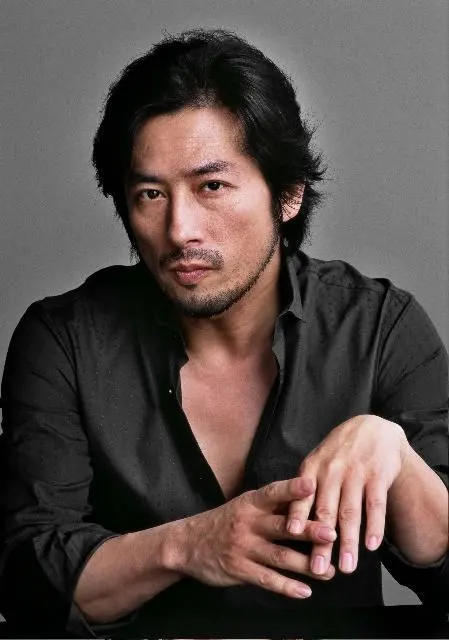
Hiroyuki Sanada is a Japanese actor with excellent style. This is a well-groomed 5 o’clock stubble look that appears especially charming. His neatly trimmed mustache, beard, and slight soul patch give him a strong and refined appearance.
7. Chinstrap Beard
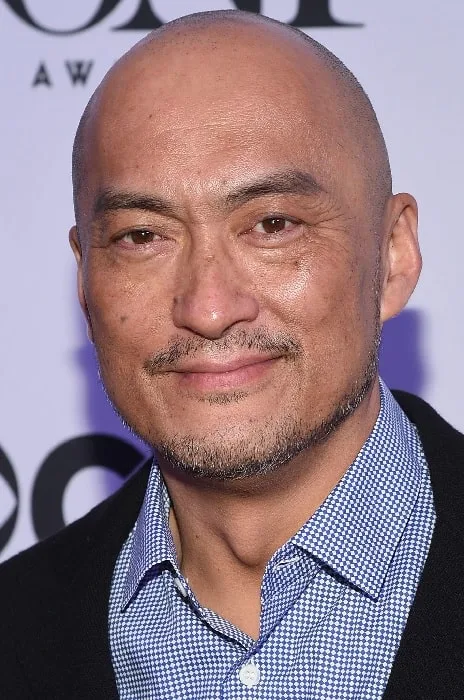
Ken Watanabe is also a well-known Japanese actor. He wears the chinstrap beard very elegantly. His cheeks are clean-shaven, and the sideburns connect to the chin beard through a thin strip of hair. There is also a noticeable soul patch below the lower lip.
8. Shaggy Gray Beard
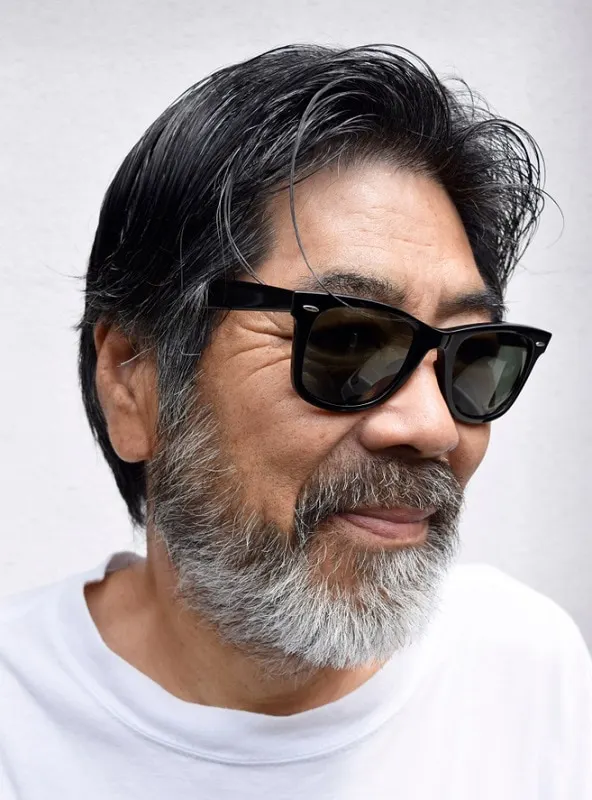
Those who think Japanese men cannot grow a beard should look at this older Japanese man rocking a shaggy gray beard. It creates a rugged appearance and proves that Japanese men can wear beards well at any age.
9. Bald with Unkempt Heavy Stubble
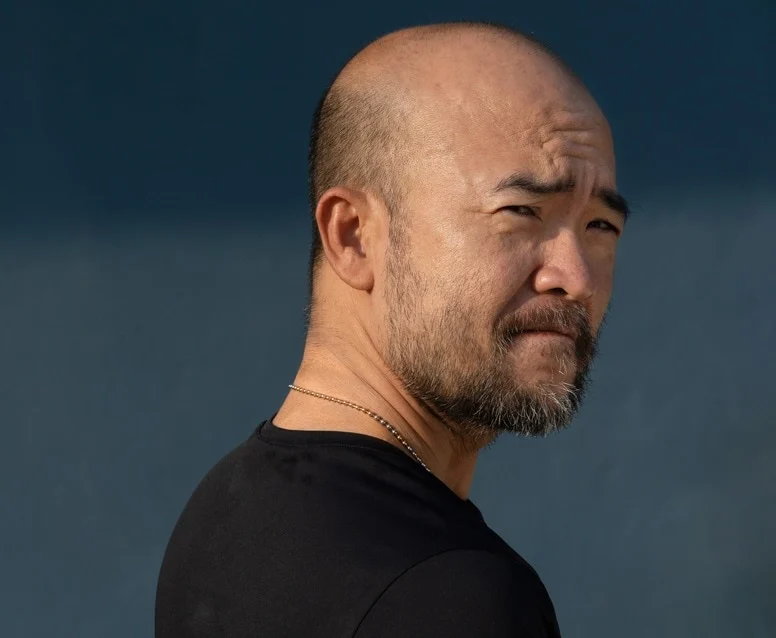
Baldness should never stop someone from expressing their style. Unkempt heavy stubble is one of the finest beard styles out there, and it has a special vibe when paired with a bald head.
10. Chin Beard
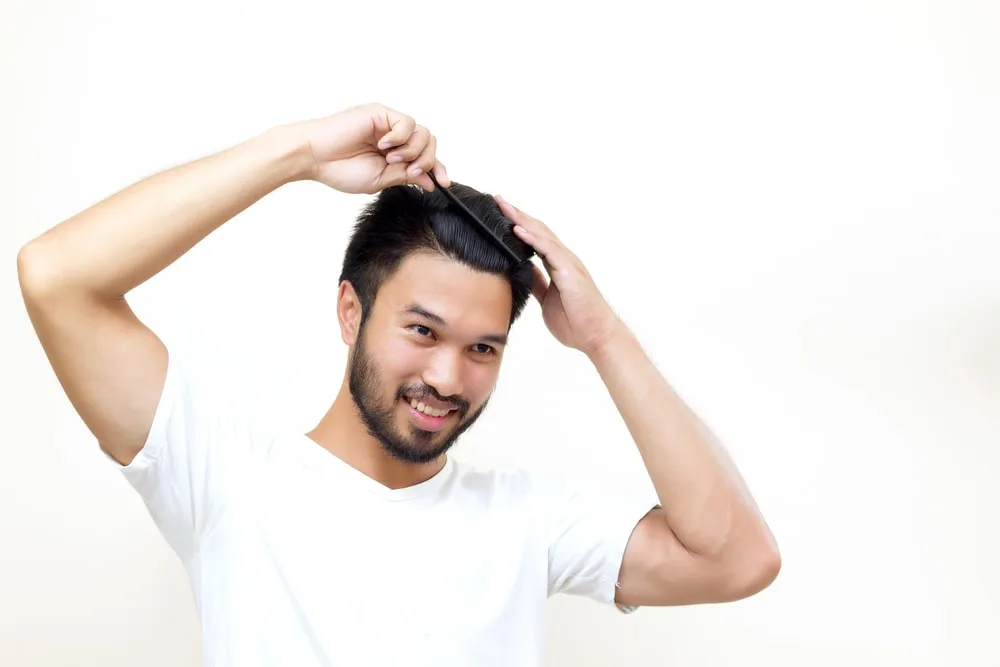
A chin beard is one of the most enduring beard styles ever. Without overgeneralizing, since faces come in all shapes and sizes, this style often works well on Japanese men.
11. Japanese Long Goatee

If a normal goatee is not enough, it can be extended all the way down toward the chest if your beard growth allows it. Other than that, you do not need to worry much about this style, as even thin beard growth can carry a long goatee surprisingly well. It pairs nicely with long hair, dreadlocks, and unkempt mustaches.
12. Circle Beard
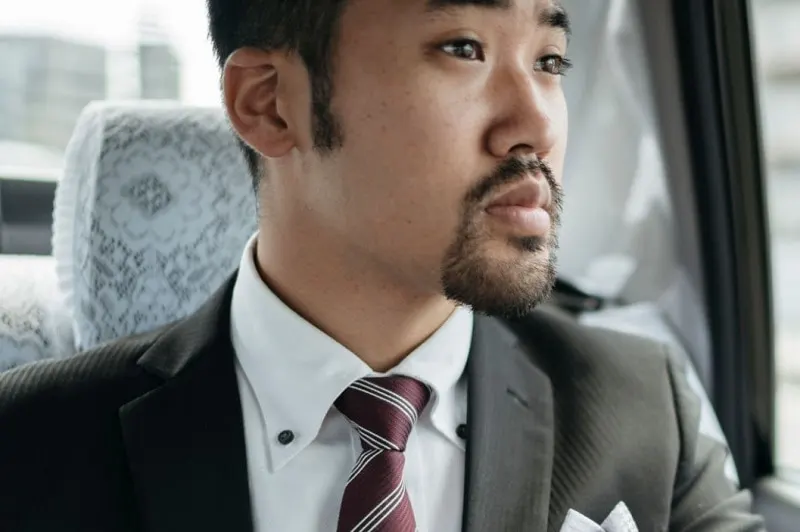
A circle beard is a goatee in which the mustache connects to the beard around the mouth. It is a great look for anyone of Asian descent, especially if the growth pattern supports a clean outline.
13. Gray Beard and Salt N Pepper Mustache

Growing older should never stop you from growing a beard. Try this gray extended Van Dyke beard style with a salt-and-pepper mustache. The Van Dyke curves upward and connects to the mustache with a thin line of beard.
14. Anchor Beard with Patchy Sideburns
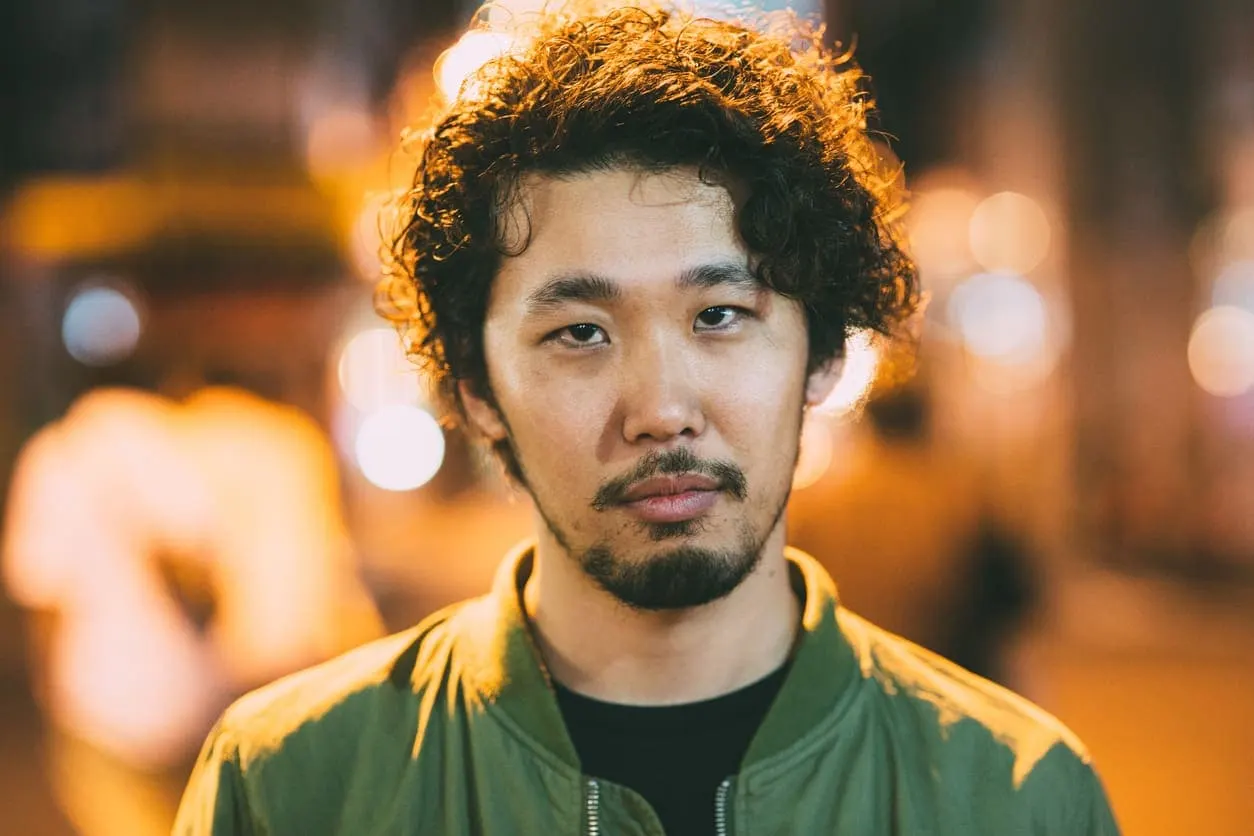
This Japanese anchor beard typically covers the chin and curves upward slightly, while the patchy sideburns grow along the sides of the face and connect to it. The mustache is kept short, just crossing the upper lip.
15. Short Boxed Beard with Glasses

This Japanese man looks stunning with a short boxed beard, while the glasses add a touch of sophistication. Together, the two styles convey confidence and attention to detail.