History doesn’t remember these men for their beards — it remembers them for what they did. But the beards came along for the ride, and some were spectacular.
Long before grooming brands and trimmer guards, statesmen and generals and writers grew their facial hair with total conviction, and ordinary men copied it the way we copy celebrities now. A few of those looks are clawing their way back into style today. Here are 40 of history’s most famous beards — and the men attached to them.
01 of 40Alfred von Tirpitz’s Salt-and-Pepper Garibaldi Beard
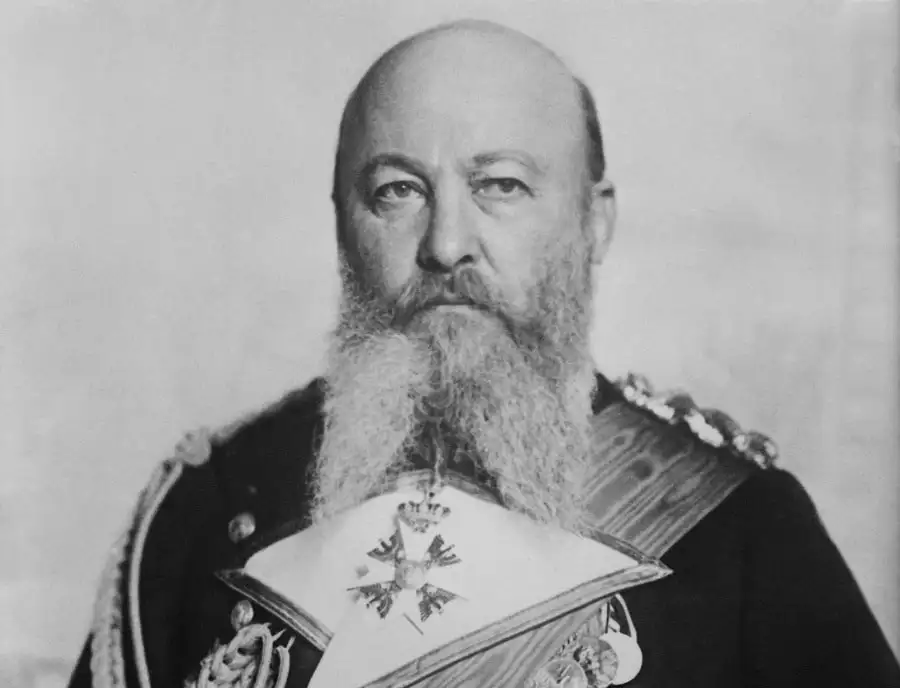
Alfred von Tirpitz wears a long salt-and-pepper Garibaldi that falls heavy from the jaw and carries real presence down the chest. It is full and mature, but the mustache stays tidy enough to keep the whole style looking controlled.
This is the sort of beard that proves length does not have to mean chaos. The shape is broad, weighty, and formal, giving the portrait the kind of command only a serious full beard can pull off.
02 of 40Horace Greeley’s Scruffy Gray Chin Curtain
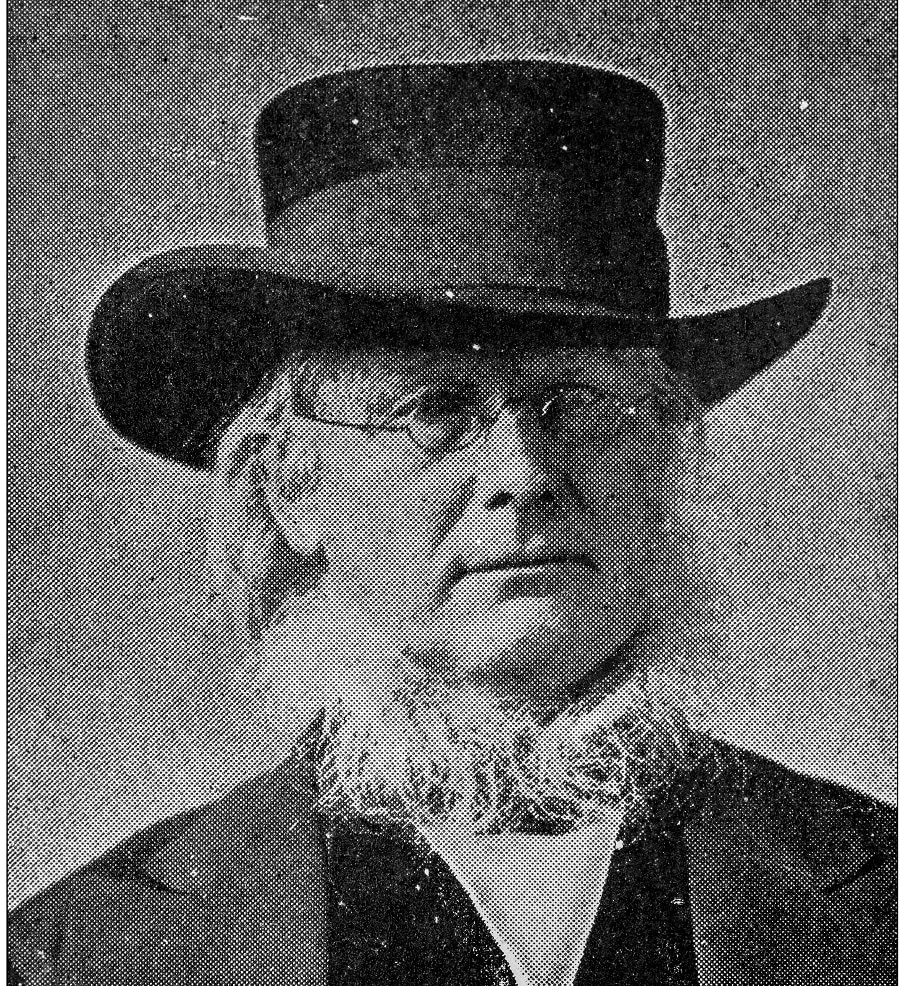
Horace Greeley’s beard sits low on the face, with the jaw and chin doing all the work while the upper lip stays clean. It is scruffy, wiry, and a little uneven, which gives this chin curtain a lot of old-school character.
There is nothing polished about it, and that is exactly the charm. This look feels practical and stubborn, the kind of no-mustache beard that makes a face instantly more memorable.
03 of 40Peter Cooper’s White Wispy Chin Curtain Beard
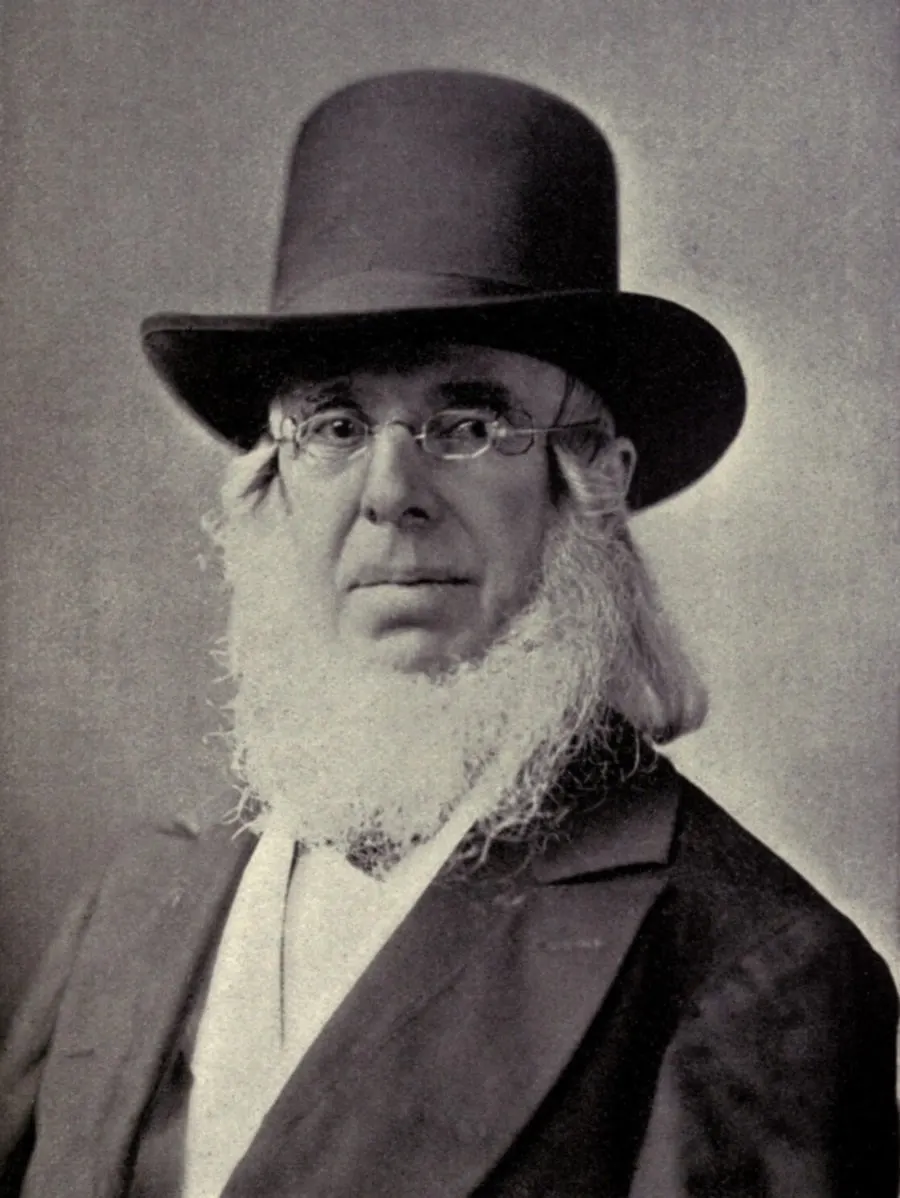
Peter Cooper takes the chin curtain in a fuller and cleaner direction. The beard wraps the jaw in a soft white frame, with airy texture at the ends that keeps it looking light instead of bulky.
Because the mustache is missing, all the attention goes to the long sweep under the cheeks and chin. It is a great example of how a simple beard shape can still look distinguished when the growth is dense and well settled.
04 of 40John Knox’s Long Wavy Natural Full Beard
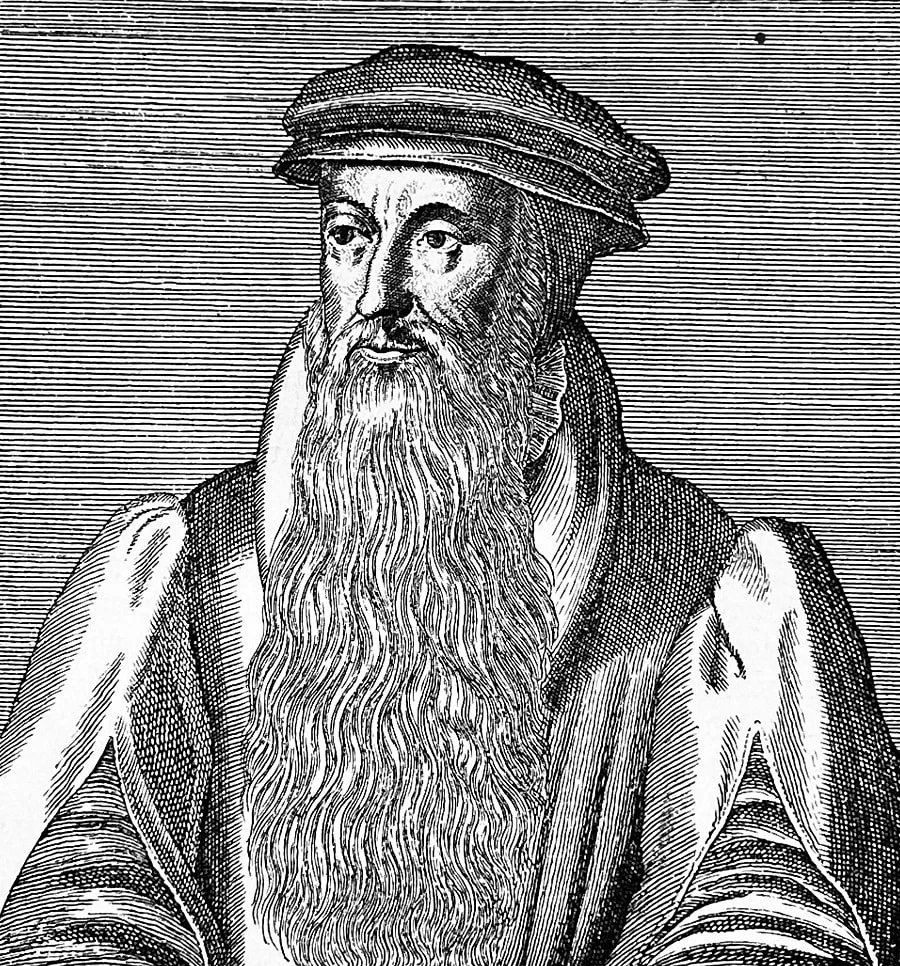
John Knox wears the kind of beard that looks almost biblical in its length and flow. It drops far below the chest in long natural waves, with enough width at the cheeks to keep it grounded before narrowing into a softer point.
Nothing here looks overly shaped or forced. The texture does most of the styling on its own, and that relaxed movement is what gives this full beard its timeless pull.
05 of 40Frederick Douglass’s Coily Gray Medium Full Beard
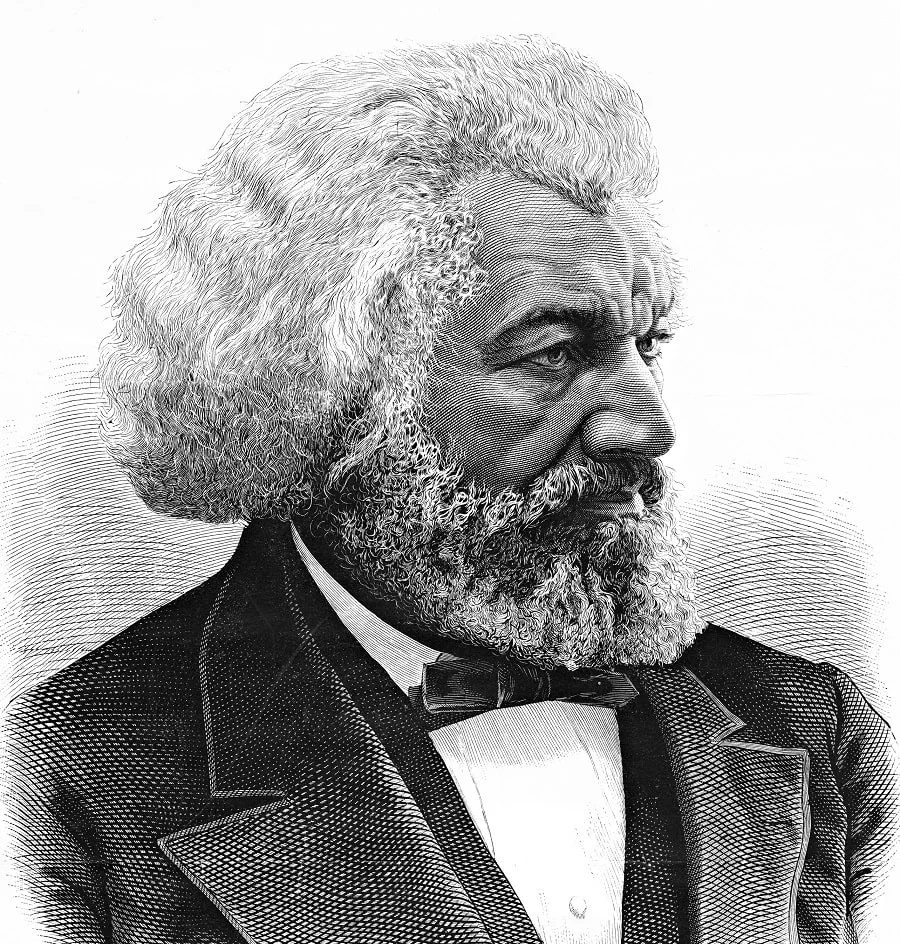
Frederick Douglass wears a medium full beard with rich coily texture from cheek to chin. The beard is compact compared to the bigger styles on this list, but the density gives it serious power and a strong, sculpted outline.
The mustache blends right into the beard, making the whole shape feel unified and solid. It is a sharp reminder that texture alone can turn a classic full beard into something unforgettable.
06 of 40Otto the Great’s Auburn Medium Spade Beard
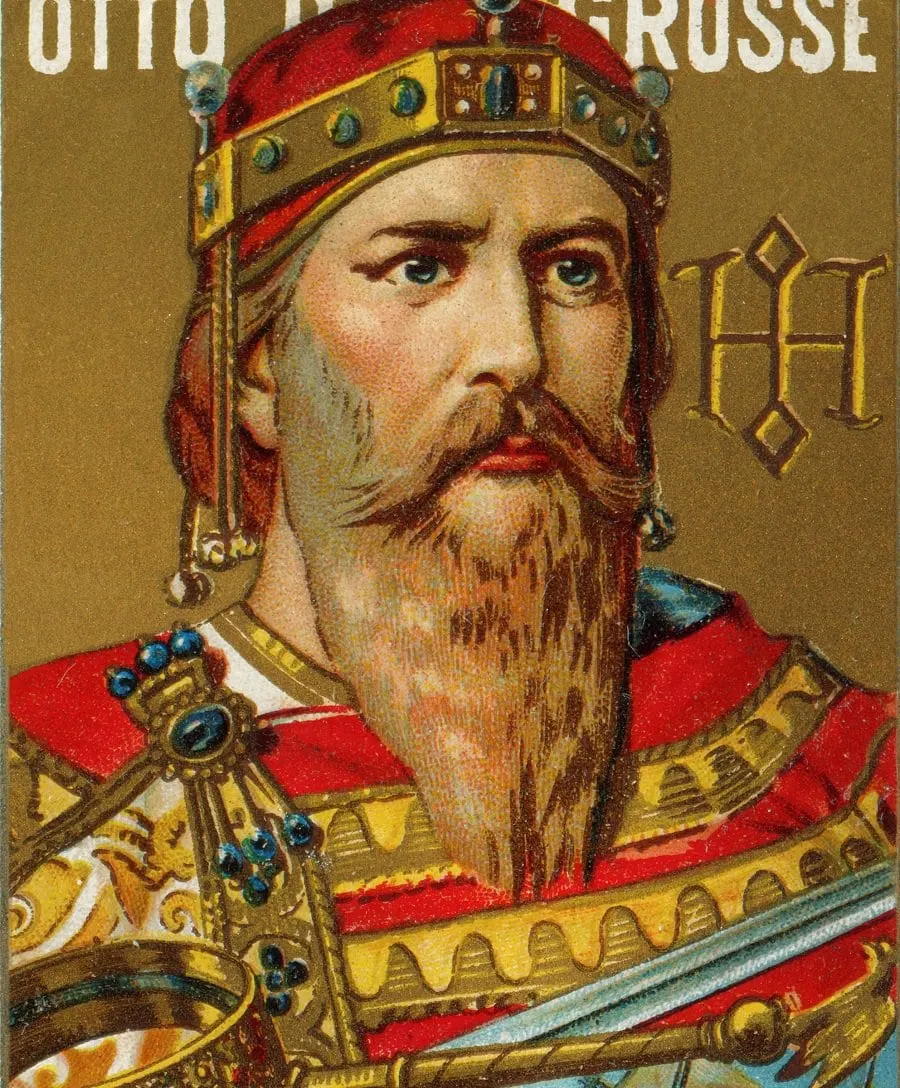
Otto the Great’s beard narrows into a clean spade shape, with the length focused at the center and the mustache sweeping outward above it. The auburn tone and pointed finish give the whole style a regal, almost storybook feel.
It is not the fullest beard here, but it does not need to be. The long taper and broad mustache create all the drama, making this a strong example of how a shaped medium beard can still look grand.
07 of 40King George V’s Dark Short Boxed Beard
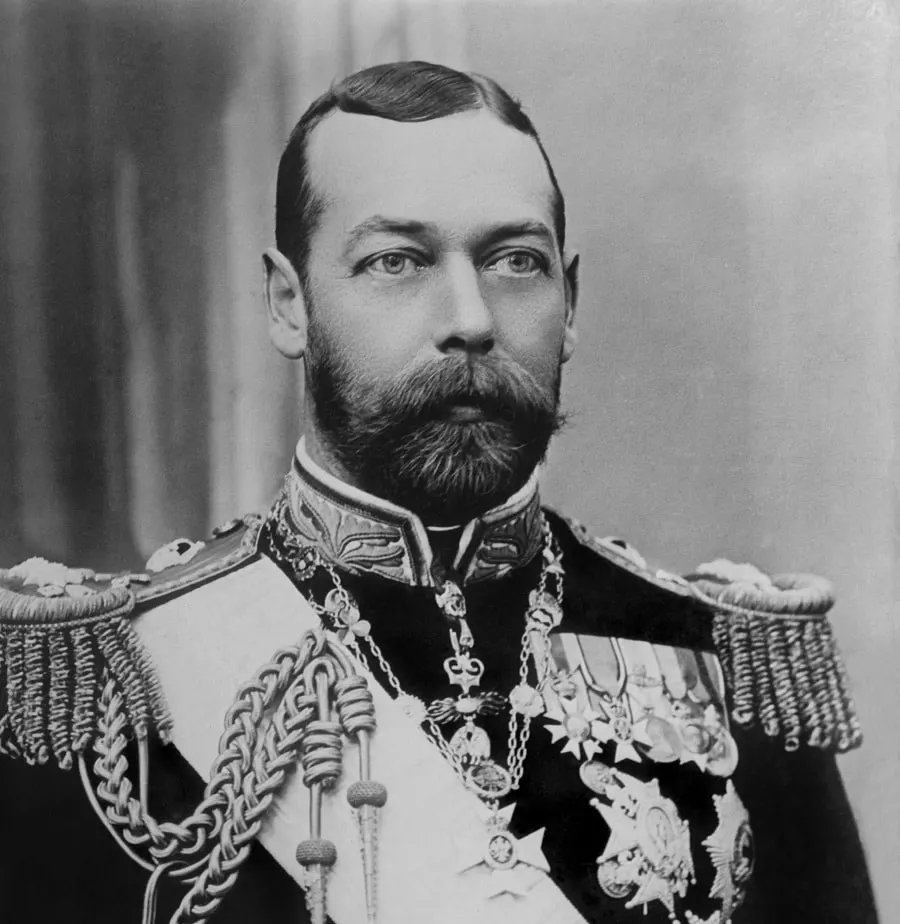
King George V keeps things precise with a dark short boxed beard that hugs the jaw without spilling too far downward. The cheek lines are crisp, the mustache is balanced, and the whole beard feels measured from every angle.
This is formal grooming at its best. It has the fullness of a real beard, but the tighter shape keeps it clean, polished, and perfectly suited to a uniformed portrait.
08 of 40Franz Joseph I’s White Friendly Mutton Chops
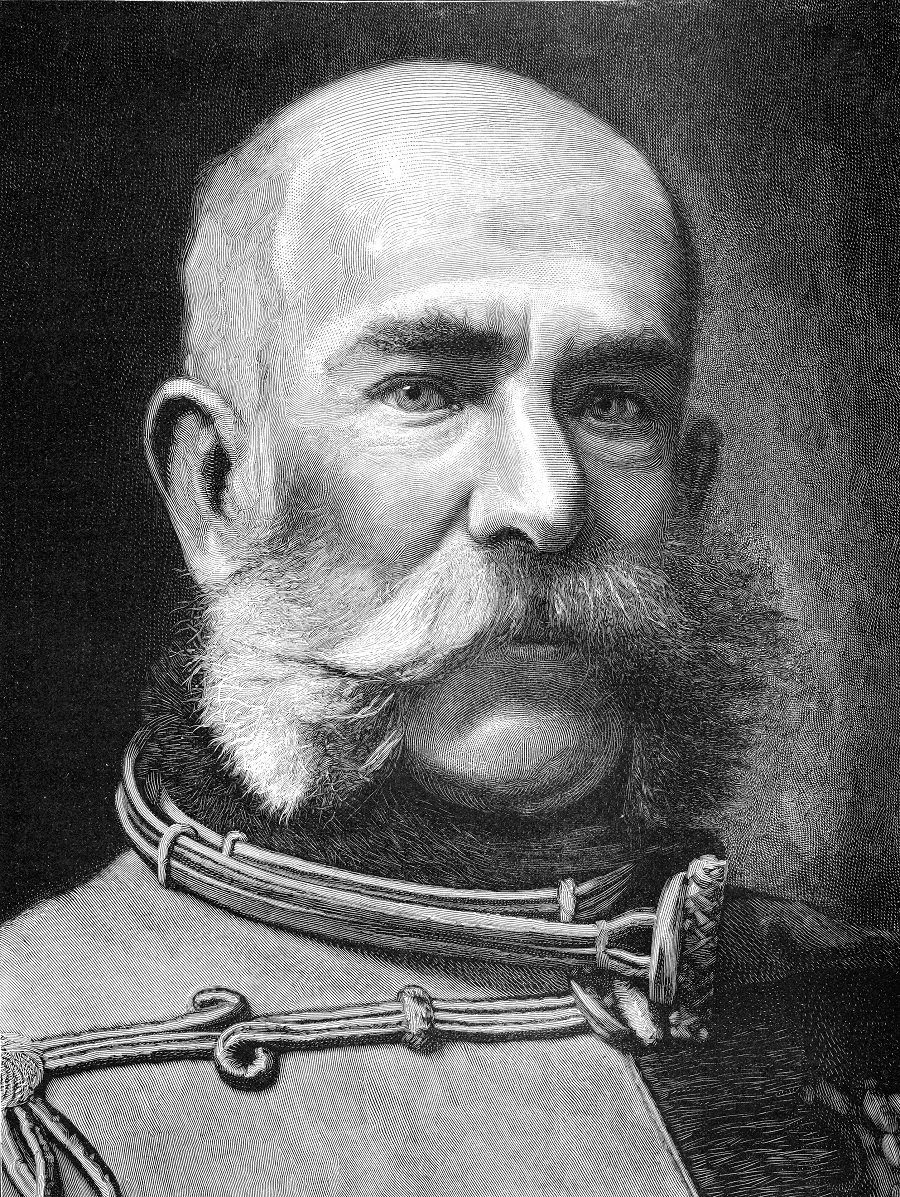
Franz Joseph I wears friendly mutton chops with serious width. The facial hair pushes outward from the cheeks and flows right into a thick mustache, while the chin stays mostly clear and lets the sides do all the talking.
It is a bold look and a surprisingly elegant one too. The shape makes the face appear broader and more commanding, which is exactly why this style still stands out so strongly in old portraits.
09 of 40Ambrose Burnside’s Classic Hulihee Sideburns
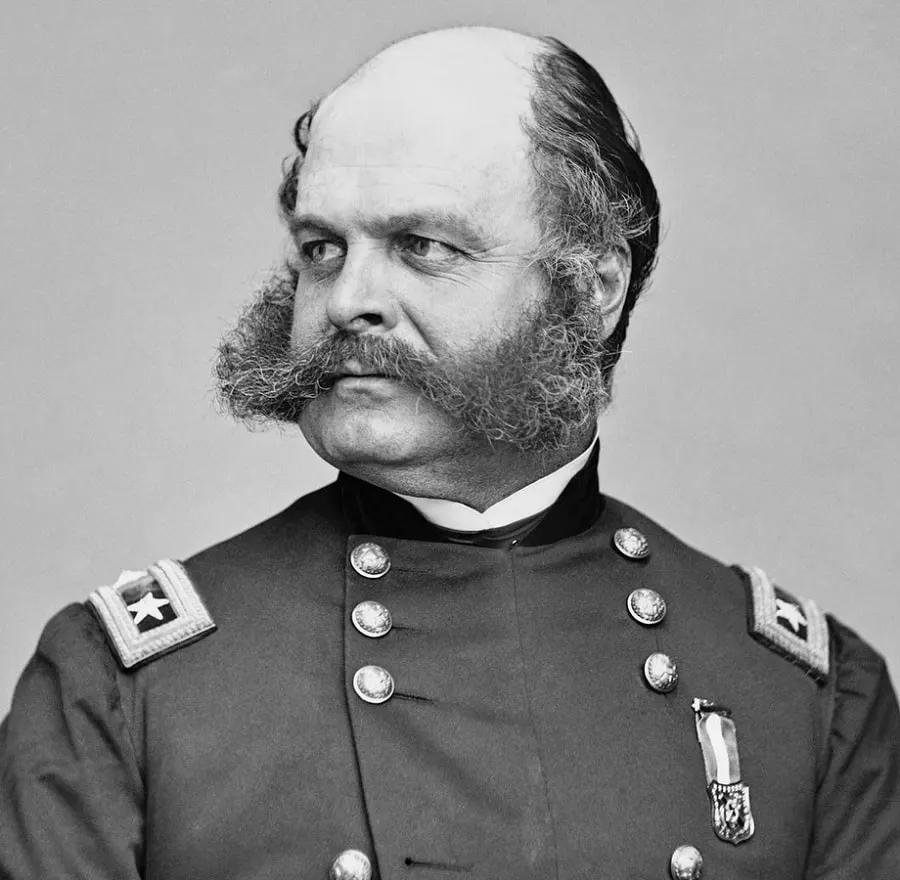
Ambrose Burnside’s sideburns are so famous they almost feel bigger than the man himself. They run thick from the temples down the cheeks and connect straight into a broad mustache, leaving the chin completely bare.
The effect is dramatic, unmistakable, and just a little wild in the best way. This is facial hair with a point of view, and it still looks like one of the boldest statements ever worn on a human face.
10 of 40Ernest Hemingway’s White Short Boxed Beard
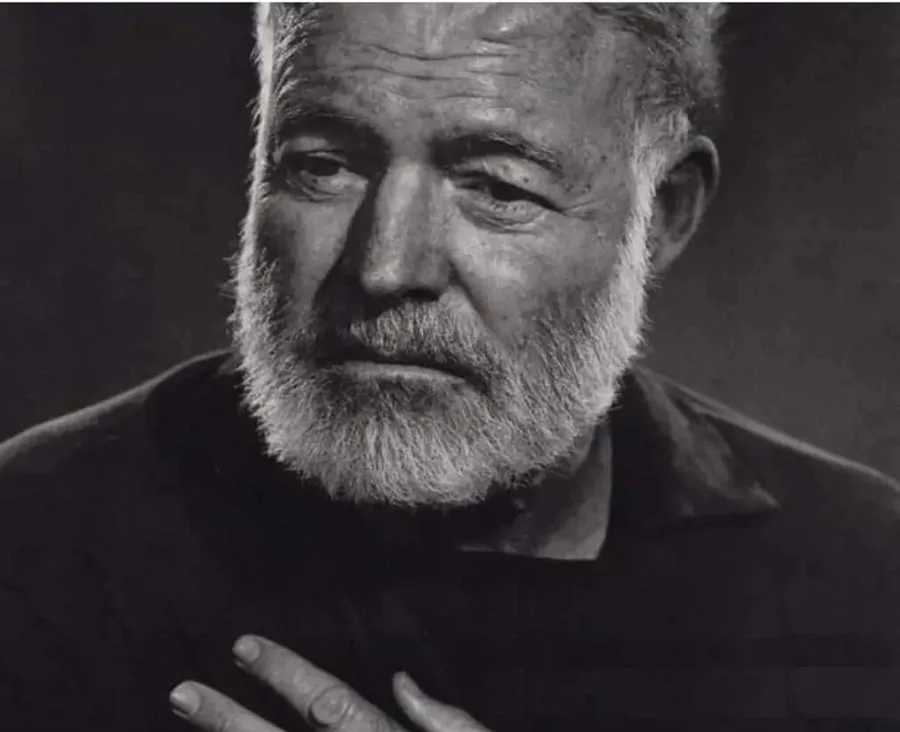
Ernest Hemingway’s short boxed beard is rugged without ever looking careless. The white growth stays close to the face, with enough fullness on the cheeks and chin to feel masculine, solid, and lived in.
What makes it work is the finish. It is not razor sharp and it is not overly styled, but that relaxed edge gives the beard its toughness and makes the whole look feel effortlessly real.
11 of 40Claude Debussy’s Dark Brown Short Boxed Beard
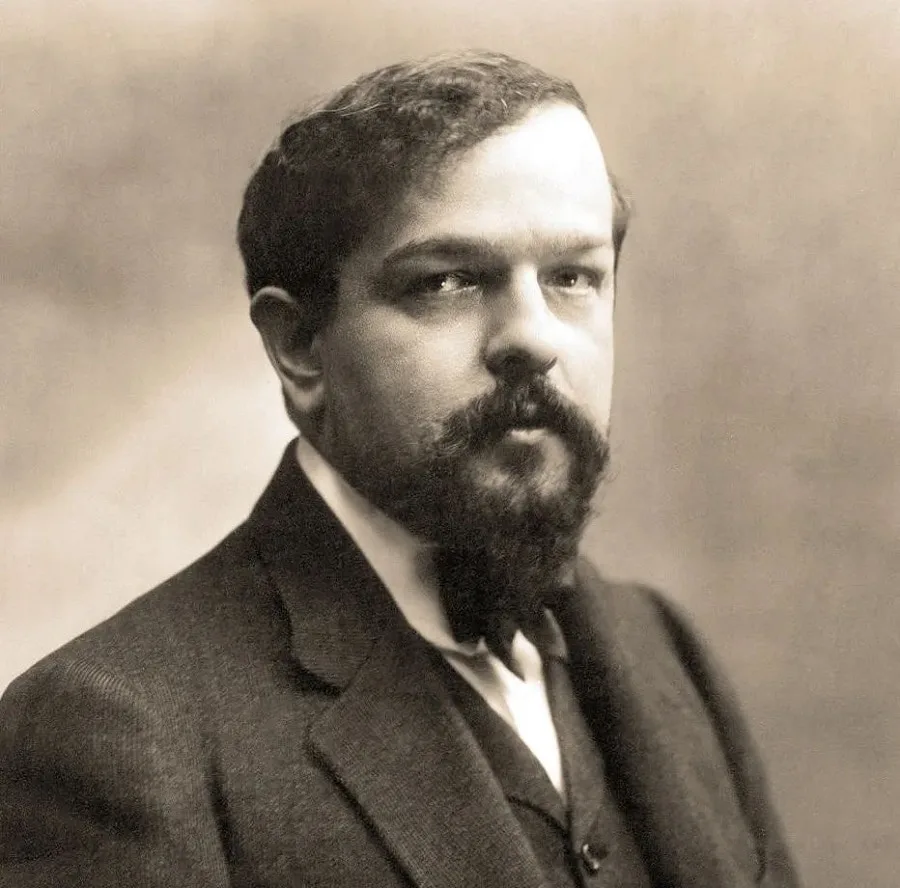
Claude Debussy wears a dark beard that stays compact through the cheeks and grows a little longer through the chin. With the full mustache blended in and the bottom slightly rounded, the shape lands somewhere between refined and artistic.
It is a smaller beard than many others on this list, but it has excellent balance. The tighter length keeps the face sharp, while the deeper color gives the whole style extra weight and mood.
12 of 40Mark Twain’s Dark Chevron Mustache
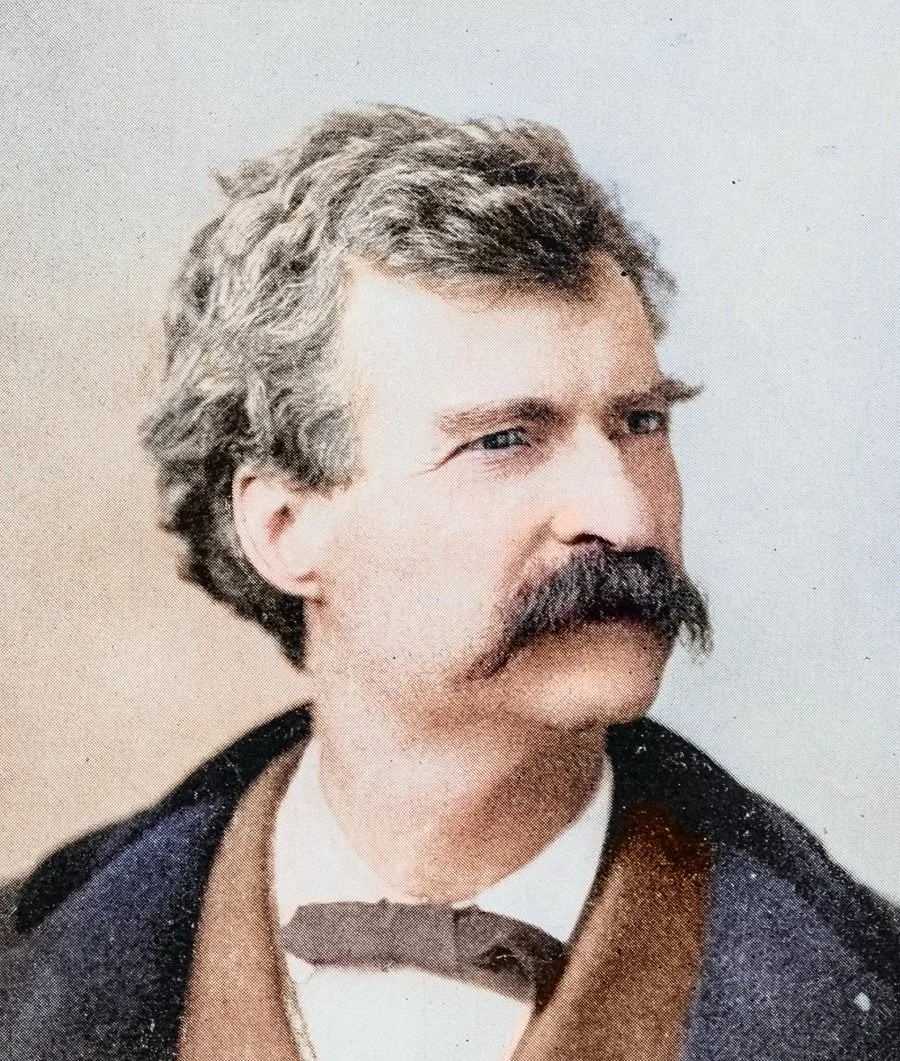
Mark Twain proves that a beard is not always needed when the mustache has this much personality. His dark chevron sits thick across the upper lip and pushes outward at the ends, giving the face instant definition.
It is simple, direct, and full of character. A mustache like this does not try too hard, which is exactly why it works so well and still reads as timeless today.
13 of 40Nikola Pašić’s Long White Tapered Full Beard
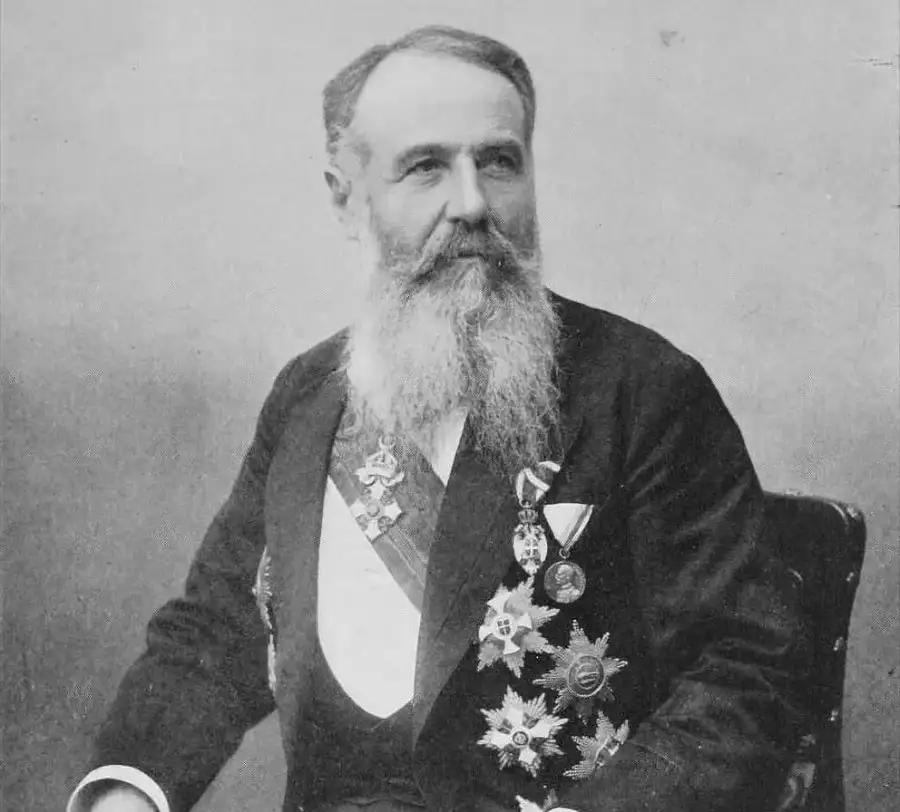
Nikola Pašić wears a long white beard that starts full through the jaw and then narrows into a clean tapered finish. The connected mustache keeps the whole thing flowing as one shape, which makes the beard look calm, stately, and very deliberate.
There is a lot of length here, but the taper stops it from feeling too heavy. It is a classic example of how an older full beard can look dignified when the bulk is guided into a clear point.
14 of 40Friedrich Nietzsche’s Thick Dark Walrus Mustache
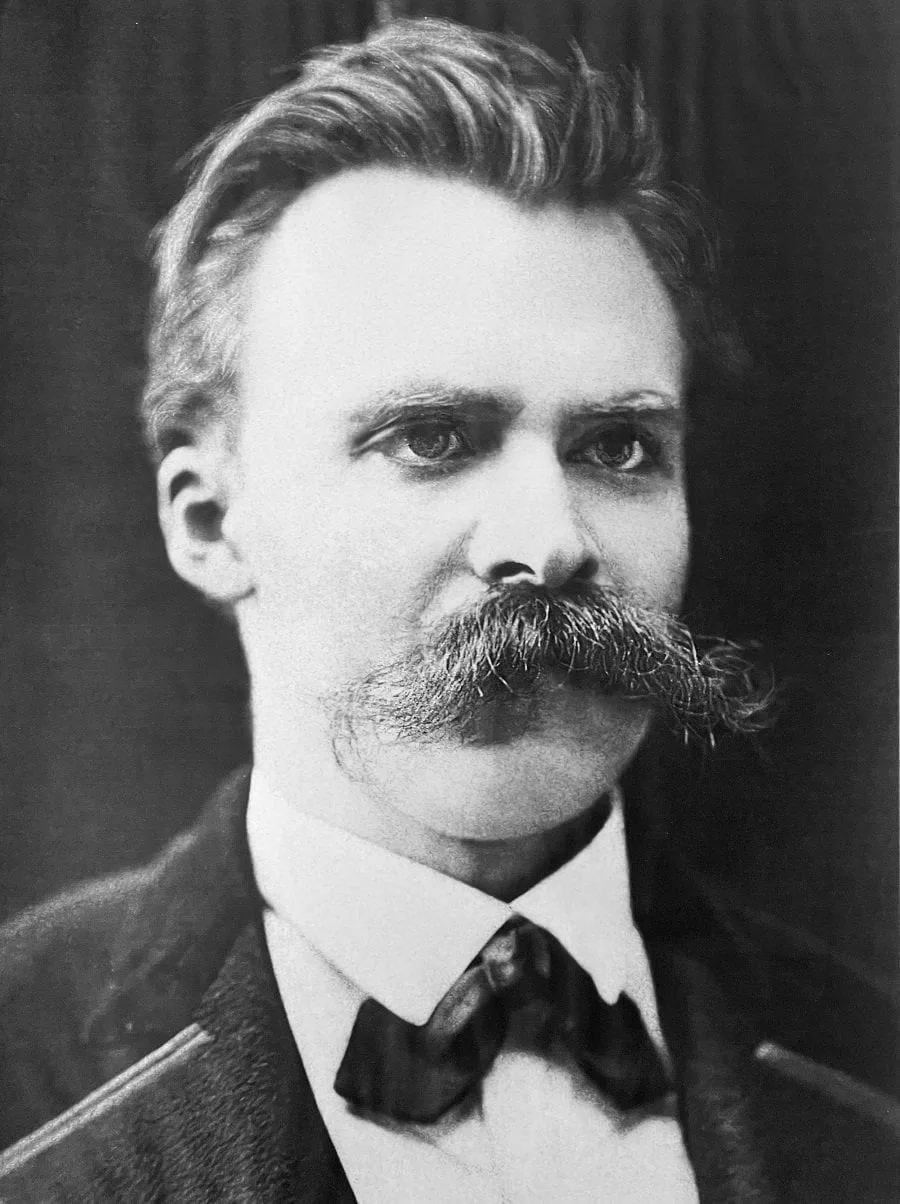
Friedrich Nietzsche’s walrus mustache is all volume, all confidence, and absolutely impossible to ignore. It spreads thick across the lip and drops outward with a heavy, dramatic sweep that gives the whole face a severe kind of flair.
This is one of those mustaches that becomes the entire look on its own. Big, dense, and slightly unruly at the ends, it carries the sort of intensity that smaller facial hair simply cannot match.
15 of 40Edward III’s Long White Natural Full Beard
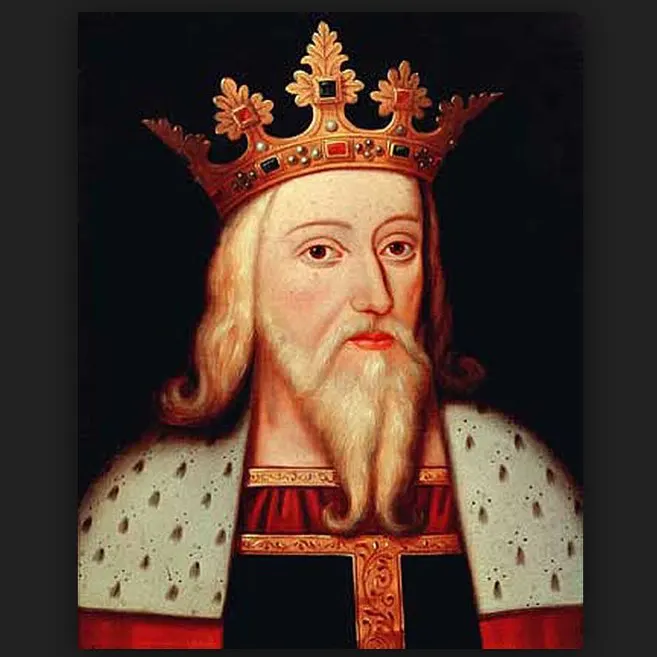
Edward III’s portrait shows a long white beard drawn into a narrow central point, with the cheeks kept lighter and the length focused under the chin. The result feels regal but restrained, more elegant than wild.
It is a simple natural style, yet the length gives it real authority. Paired with the crown and robes, that pale tapered beard helps turn the whole image into exactly what a royal portrait should be: calm, formal, and unmistakable.
16 of 40Sophocles’ Curly Dense Full Beard
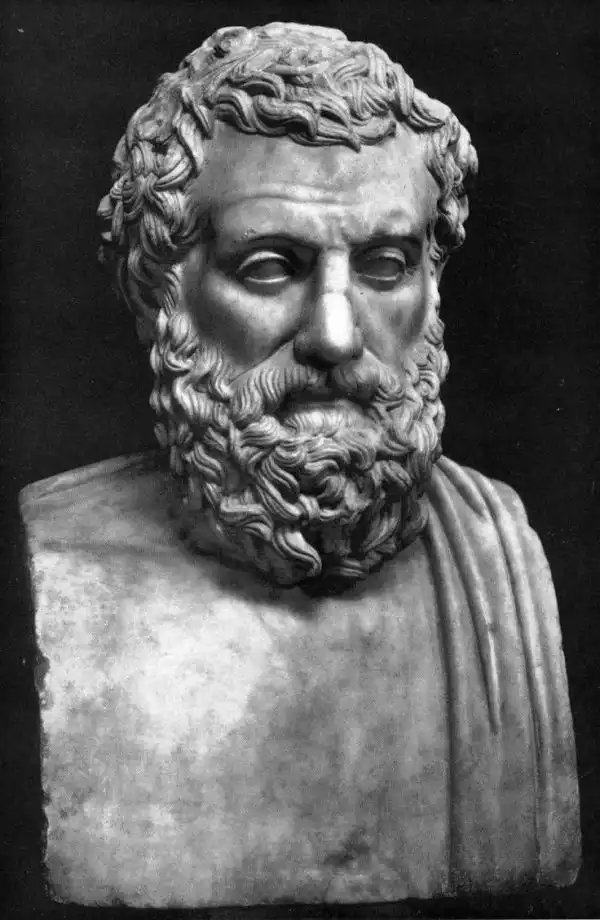
Sophocles is one of the most celebrated ancient Greek playwrights, well known for his enormous contribution to literature. He wrote more than 120 plays, though only a handful survive today.
This legendary figure also rocked a full beard. No photographs exist, of course, but the statues make his beardedness pretty undeniable.
17 of 40Karl Marx’s Voluminous Gray Garibaldi Beard
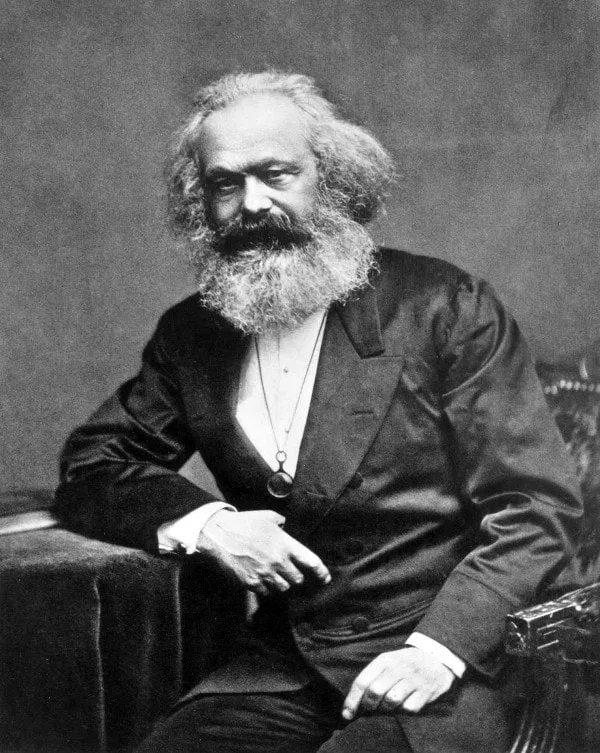
Karl Marx was a true all-rounder: economist, political theorist, philosopher, historian, socialist, and then some. And like so many towering historical figures, he was absolutely, unapologetically bearded.
If you need inspiration to conquer the world with a full beard on your face, Marx is your guy.
18 of 40Charles Darwin’s Long White Natural Full Beard
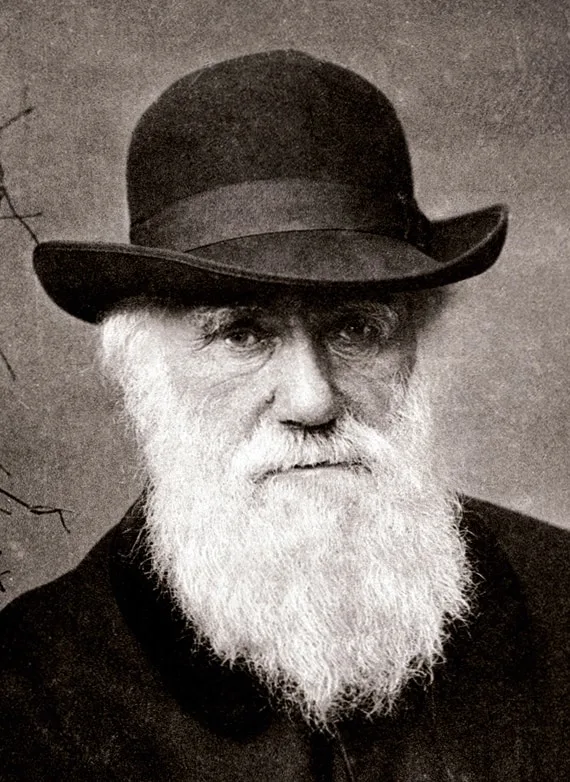
Charles Robert Darwin was one of the most revolutionary scientists of his era, successfully establishing that all species descend from common ancestors over time.
His theory of evolution still sparks debate, but his global fan base is massive. And that long, sweeping natural full beard? Just as iconic as the science.
19 of 40Leonardo da Vinci’s Long Flowing Straight Beard
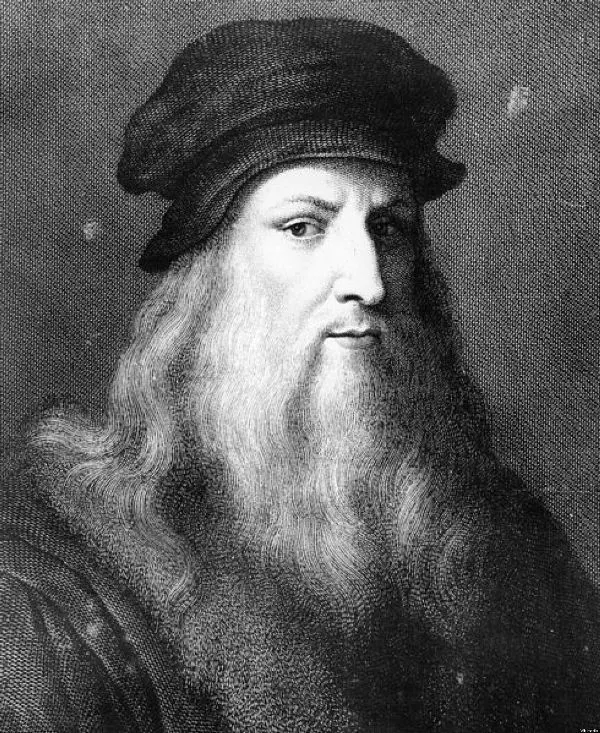
Say the name and most people immediately think of the Mona Lisa. But Leonardo da Vinci was a true Renaissance polymath: painter, scientist, architect, writer, historian, and so much more.
He also wore a long, flowing straight beard that fell well down his chest, perfectly matching the effortless genius of the man himself.
20 of 40Charlie Chaplin’s Signature Toothbrush Mustache
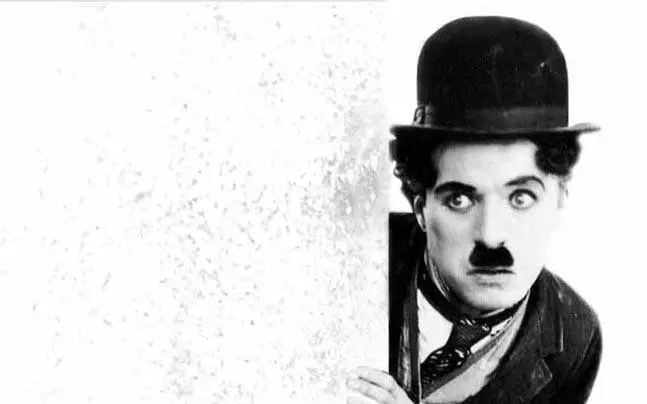
Charles Spencer Chaplin was one of the most extraordinary actors and directors who ever lived. This man had the rare ability to make you cry with laughter.
The English comic actor became a global icon through his character “the Tramp,” who wore a distinctive toothbrush mustache trimmed tight just under the nose. That compact little mustache became one of the most recognizable facial hair statements in cinema history.
21 of 40Salvador Dalí’s Dramatic Waxed Handlebar Mustache
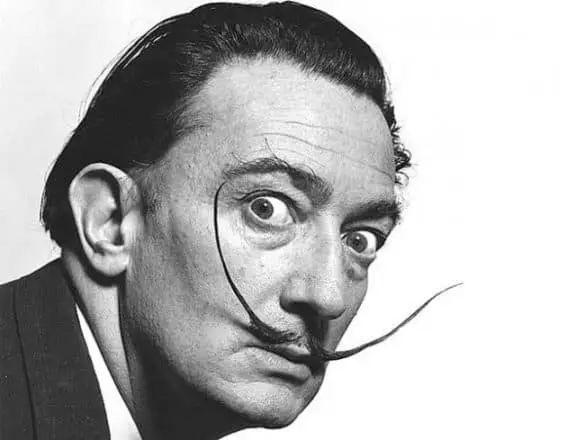
Salvador Dalí was a surrealist hailing from Spain, a true artist who pushed well beyond the boundaries of conventional imagination. His striking, peculiar paintings earned him worldwide fame and a reputation that was as outsized as his personality.
Dalí is equally celebrated for his mustache. That precisely groomed, heavily waxed handlebar mustache, with its dramatically upswept tips, was as much a part of his artistic identity as any canvas he ever touched.
22 of 40Abraham Lincoln’s Iconic Chin Curtain Beard
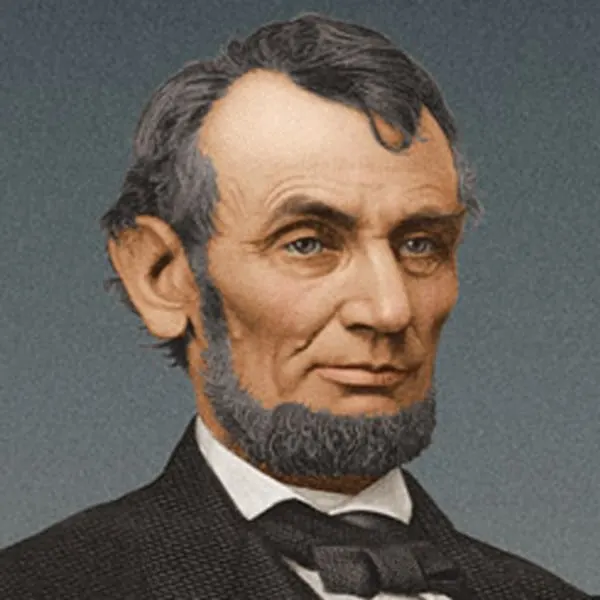
No list like this is complete without Abraham Lincoln. He was the first U.S. president to wear a beard in the White House, and his style has a proper name: the chin curtain, a no-mustache beard that frames the jawline and chin.
Lincoln wore it, the world noticed, and the style has carried serious weight ever since.
23 of 40Santa Claus’s Full White Extra-Long Beard

Whether Santa Claus is real or not is a debate for another day. What’s undeniable is that he’s been a legendary figure in Western Christian culture for centuries, and his beard is non-negotiable.
That voluminous, snow-white natural full beard is the defining feature of the whole character. No beard, no Santa. Simple as that.
24 of 40Harnaam Kaur’s Natural Full Beard
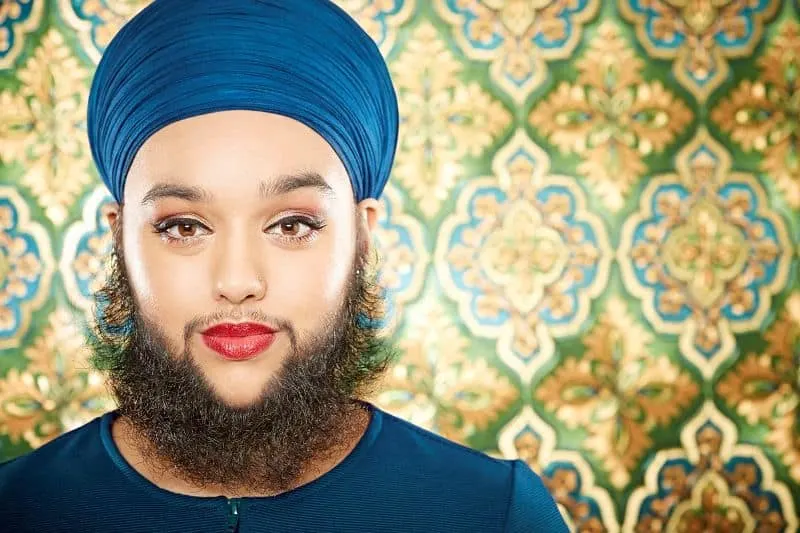
Enough with the history books, let’s come to the present. This was supposed to be a list of men, but there was no leaving this woman out. Harnaam Kaur is a body-positive activist, motivational speaker, and anti-bullying campaigner based in the UK.
Due to a hormonal condition, she grows a full, natural beard. She once wanted to shave it off; now she lets it grow with pride. She’s already a part of history.
25 of 40Joseph Stalin’s Thick Walrus Mustache
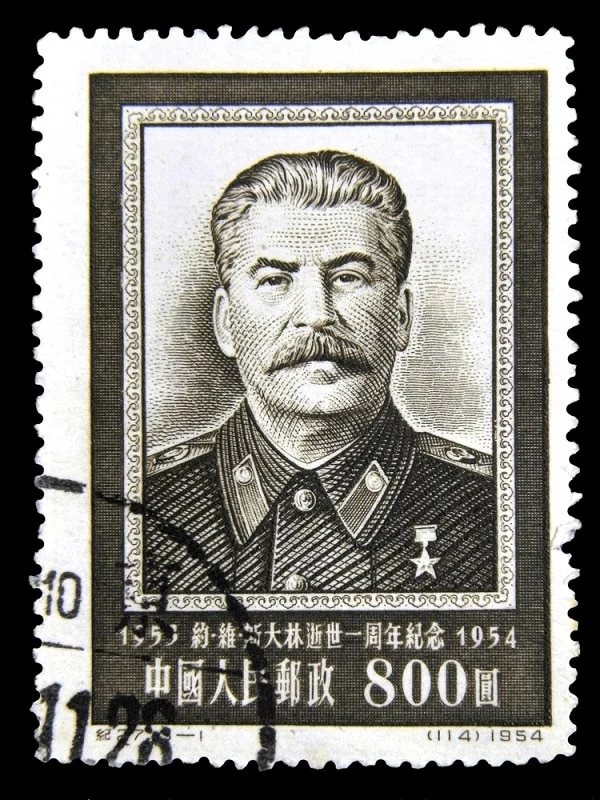
Regardless of the history Joseph Stalin left behind, he was an undeniably influential figure, both in Russia, where some still revere his policies, and across the world at large.
His thick, dark walrus mustache was every bit as much a part of his image as his military uniform.
26 of 40Albert Einstein’s Unkempt Salt-and-Pepper Heavy Stubble
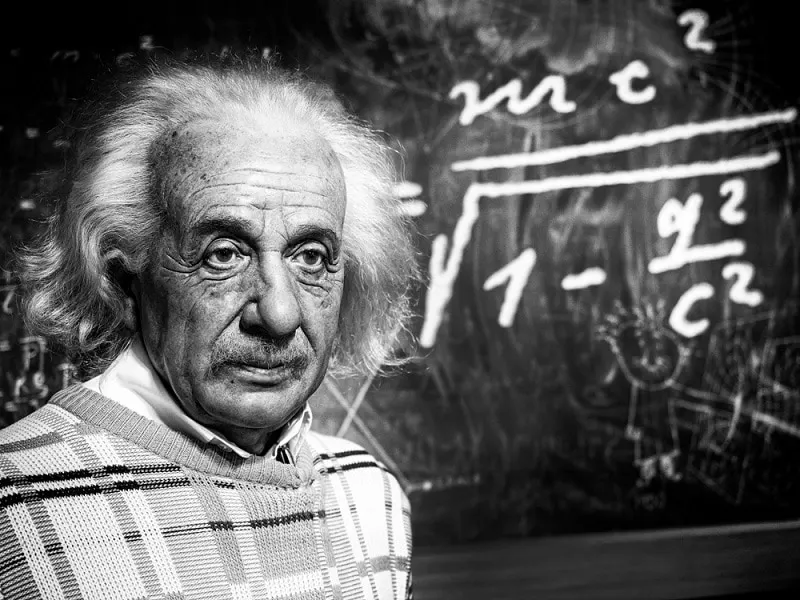
Albert Einstein is arguably the most famous figure the scientific community has ever produced, with ideas and influence that stretch from theoretical physics all the way to pop culture.
His contributions to science continue to help answer the most profound questions and crack the hardest problems. And that characteristically unkempt salt-and-pepper heavy stubble? Pure Einstein.
27 of 40Michelangelo’s Short Curly Full Beard
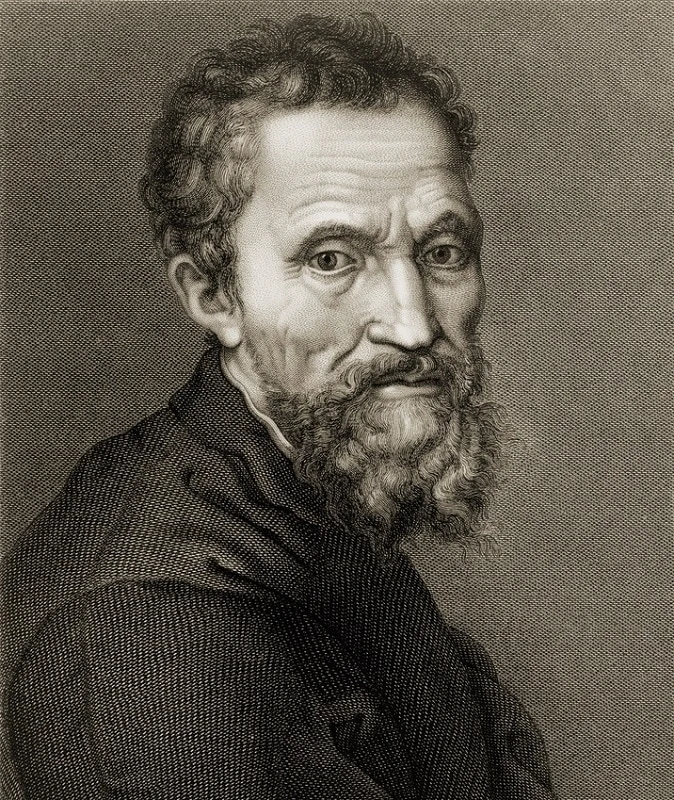
Michelangelo was an Italian sculptor, painter, architect, and poet of the High Renaissance, born in Florence and exerting a towering influence on the development of Western art.
His artistic range was so extraordinary that he was considered the direct rival of Leonardo da Vinci. His most iconic works include the Statue of David, the Sistine Chapel ceiling, and St. Peter’s Basilica, among countless others.
And through it all, he wore a compact, curly natural full beard that suited the intensity of the man perfectly.
28 of 40Plato’s Full Beard Marble Bust
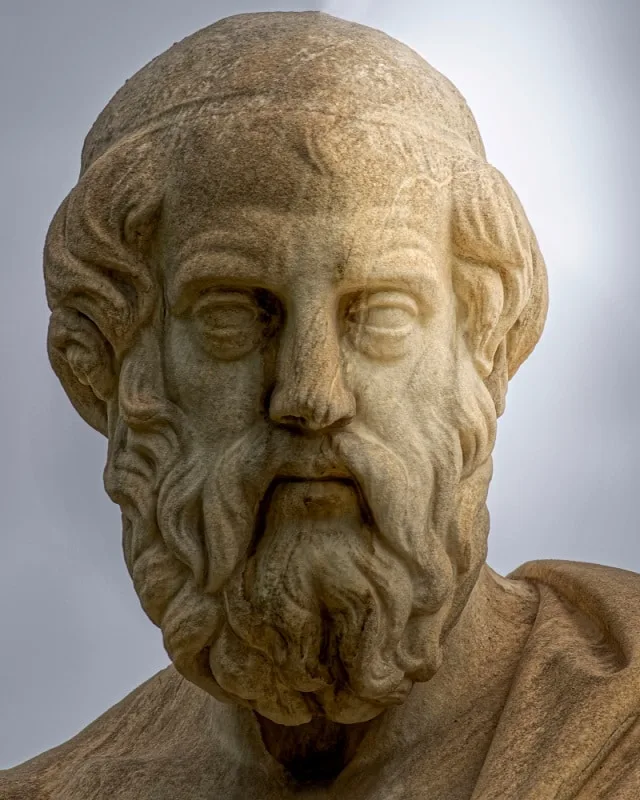
Plato was an Athenian philosopher from the Classical period in Ancient Greece. He was the founder of the Platonist school of thought and the Academy, widely considered the first institution for higher learning in the Western world.
He ranks among the most important figures in the history of philosophy, standing alongside his teacher Socrates and his most celebrated student, Aristotle.
29 of 40Genghis Khan’s Short Full Beard with Sparse Connectors
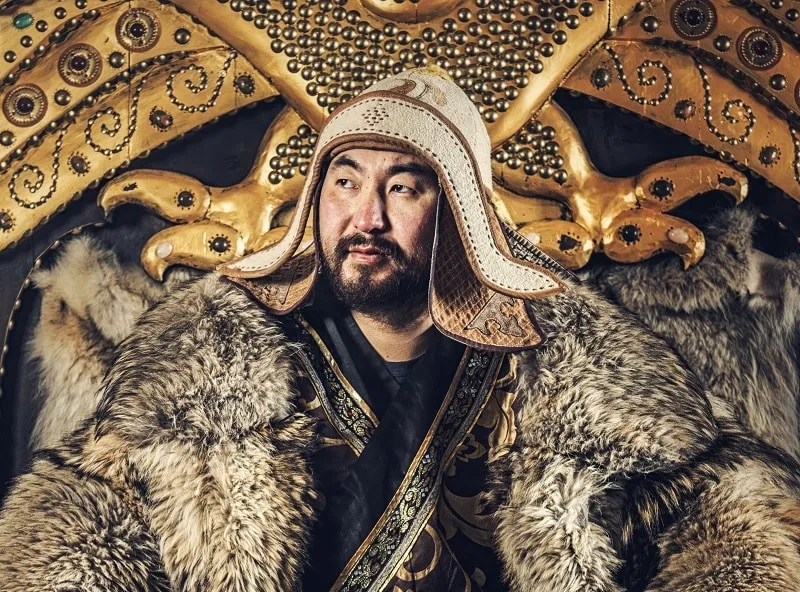
Genghis Khan was the founder of the Mongol Empire, which became the largest contiguous land empire in history after his death.
He launched sweeping invasions that conquered most of Eurasia and raided parts of medieval Europe.
Millions perished under his rule through mass exterminations and famine. Modern sources describe his conquests as wholesale destructions on an unprecedented scale, triggering dramatic demographic shifts across entire continents. The Mongols were, without question, one of the most ruthless armies in recorded history.
30 of 40Sigmund Freud’s White Short Boxed Beard
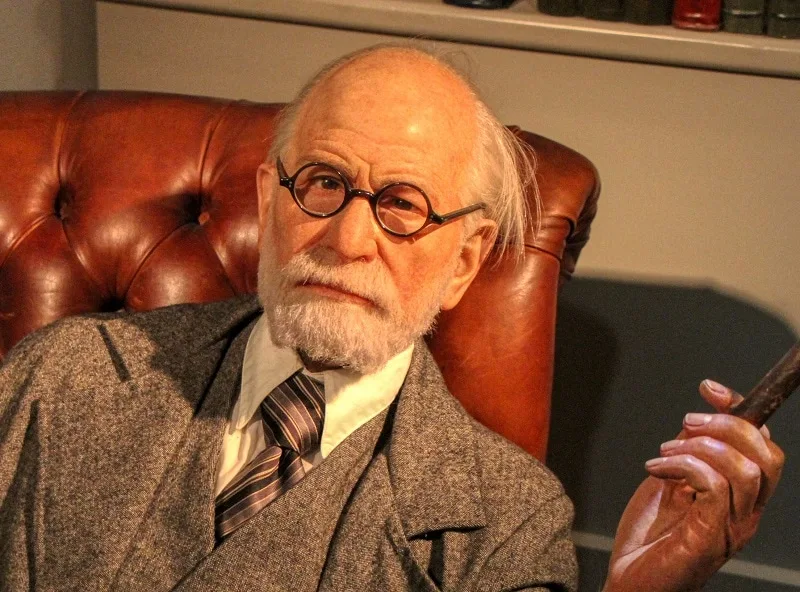
Sigmund Freud was an Austrian neurologist and the founder of psychoanalysis, a clinical method for treating psychopathology.
While psychoanalysis has declined as a mainstream diagnostic practice, Freud’s work remains heavily cited and continues to fuel fiercely contested debates across psychology, psychiatry, and psychotherapy.
31 of 40Confucius’s Long Tapered Pointed Beard
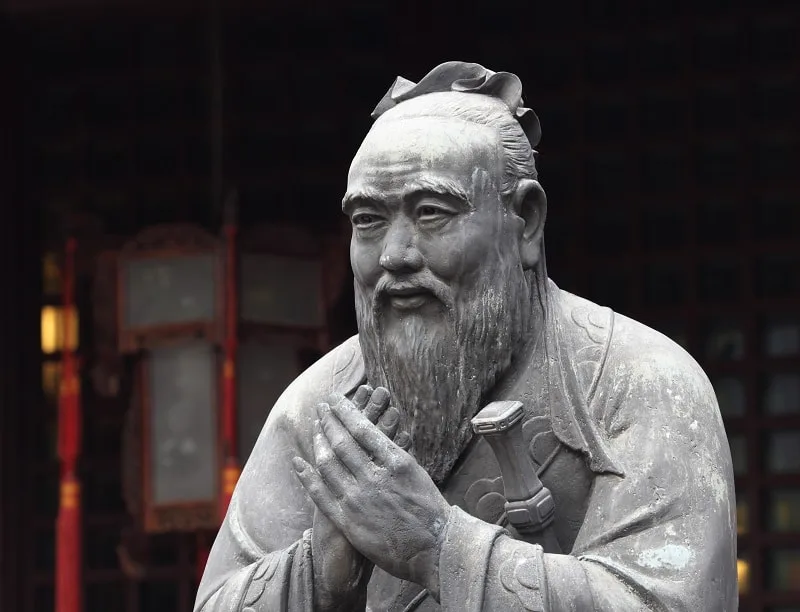
Confucius was a Chinese philosopher and politician from the Spring and Autumn period.
Traditionally considered the epitome of Chinese sages, he is widely regarded as one of the most important and influential individuals in human history. His teachings formed the foundations of East Asian culture and society, a legacy that still resonates powerfully across the region today.
32 of 40Aristotle’s Medium Full Beard Marble Bust
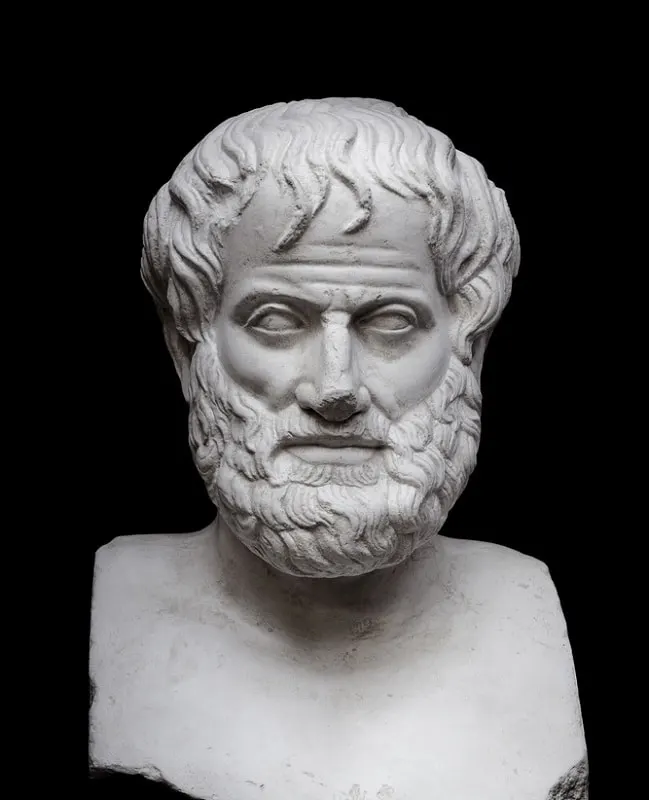
Aristotle was a Greek philosopher and polymath from Ancient Greece during the Classical period. He founded the Lyceum, a school devoted to philosophy and the Aristotelian tradition.
His work spans physics, biology, logic, ethics, theatre, and far beyond. It is largely through his writings that the West inherited its intellectual methods of inquiry.
33 of 40Nikola Tesla’s Dark Pencil Mustache
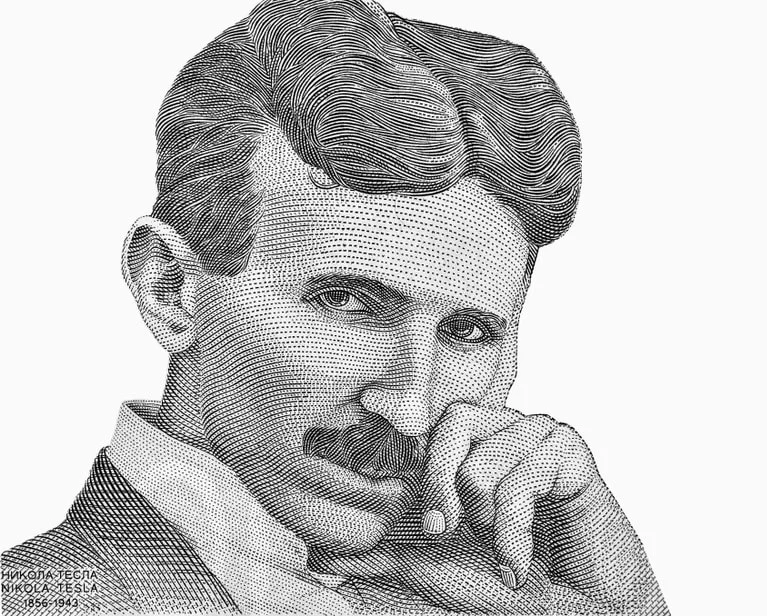
Nikola Tesla was a Serbian-American inventor and engineer best known for his contributions to the design of the modern alternating current (AC) electricity supply system.
He also laid critical groundwork for wireless communication and power transmission, and became a celebrated figure for his eccentric personality and reclusive lifestyle.
He spent his later years demonstrating jaw-dropping technological achievements to celebrities and wealthy patrons at his labs across New York. Public fascination with Tesla surged again in the 1990s and has only grown since Elon Musk launched his electric vehicle company, also named Tesla.
34 of 40Pythagoras’s Short Natural Full Beard
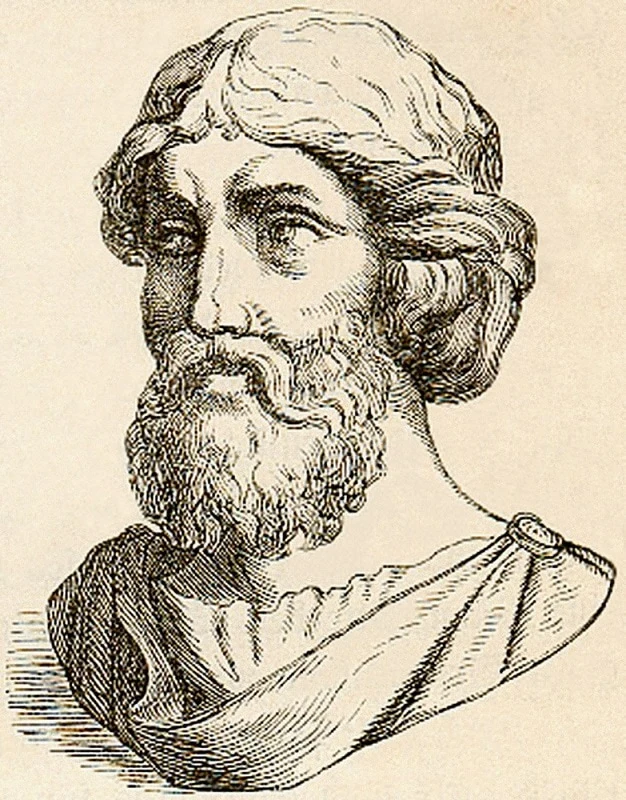
Pythagoras, another towering Greek philosopher, made contributions spanning politics and religious teachings, and his influence shaped both Plato and Aristotle and, through them, the entire arc of Western philosophy.
Even so, he is best remembered for his mathematical discoveries, above all the Pythagorean theorem, along with his work in music theory and astronomy.
35 of 40Galileo Galilei’s Salt-and-Pepper Wavy Medium Full Beard
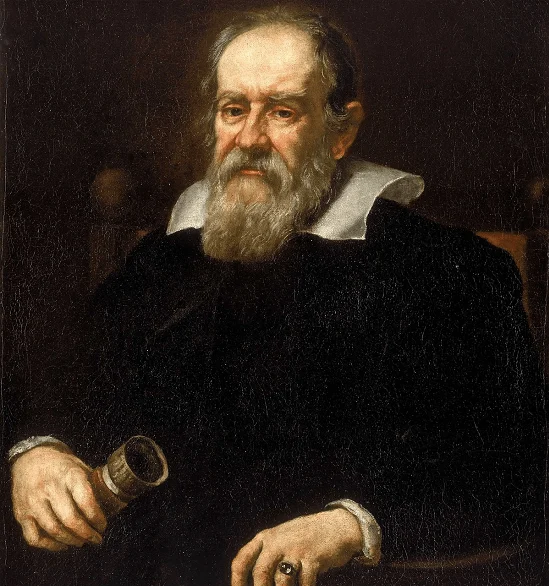
Galileo’s beard cascaded downward with a wavy texture, its salt-and-pepper color projecting the unmistakable gravitas of a pioneering scientific mind. It was a medium full beard worn with the quiet confidence of a man who had already rewritten humanity’s understanding of the cosmos.
36 of 40Henry David Thoreau’s Chin Curtain Beard
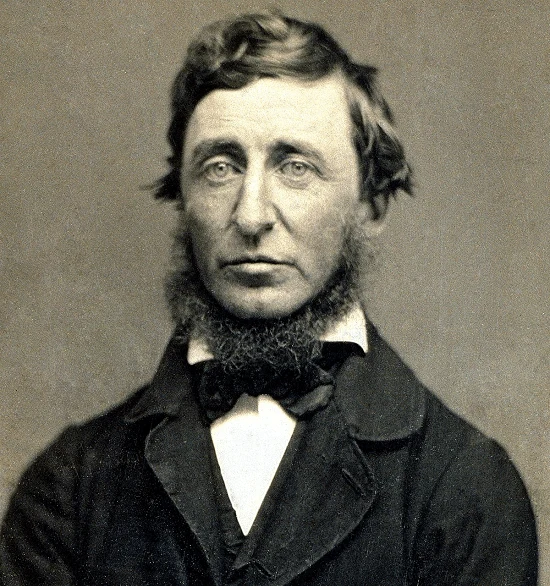
Thoreau wore a classic chin curtain, with fullness framing the jawline and cheeks but a clean-shaven upper lip. The beard followed the natural contours of his face, perfectly suited to a man who spent his life in quiet, deliberate contemplation.
37 of 40Lord Kelvin’s Long Full Beard
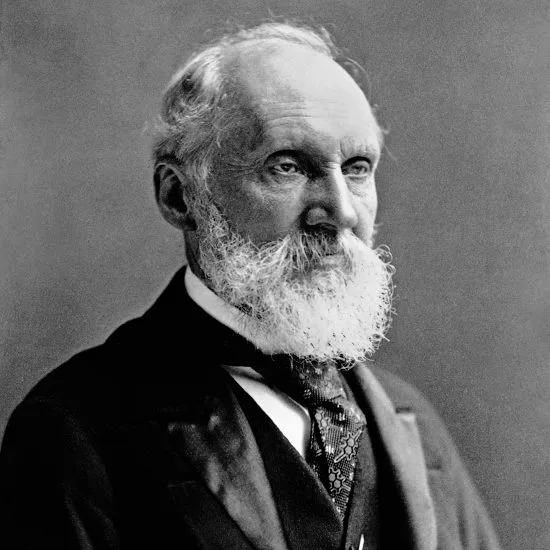
Lord Kelvin’s beard was impossible to ignore. Bushy, full, and connected seamlessly to a commanding mustache, it extended like a waterfall down to his chest. Every inch of it projected authority and earned respect.
38 of 40Rabindranath Tagore’s Long Natural Yeard
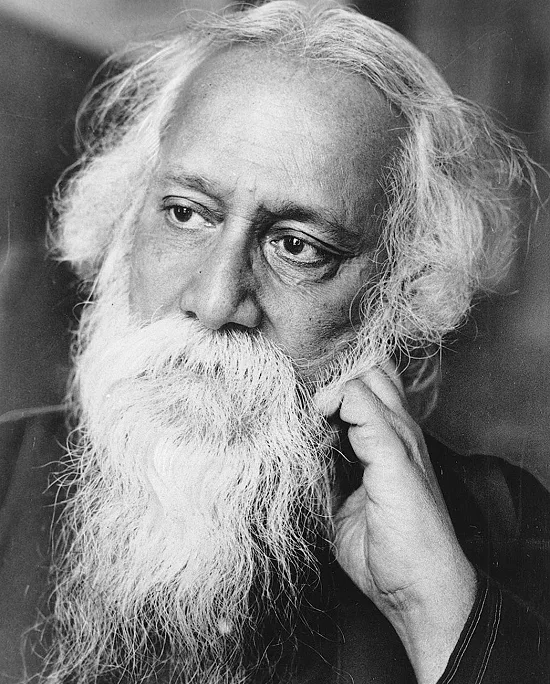
Tagore’s beard flowed elegantly down to his chest, accompanied by a full, connected mustache. It carried the same poetic grace as his writing: a sweeping natural yeard that felt less like a style choice and more like an extension of the man himself.
Duck Dynasty Hunter’s Photos Without Beard
39 of 40William Shakespeare’s Van Dyke Beard
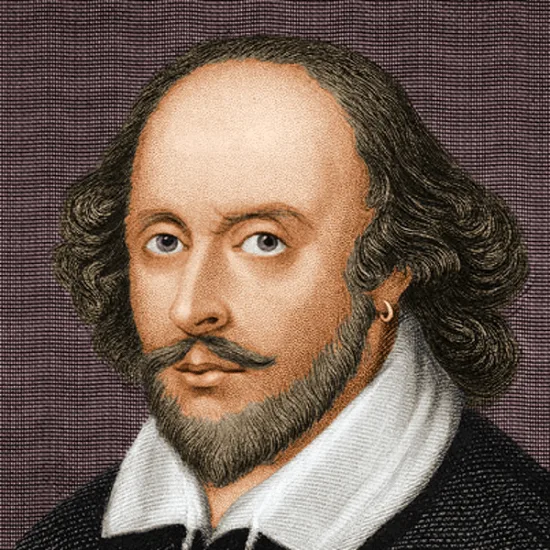
Shakespeare’s beard was a carefully crafted Van Dyke, featuring a curving mustache and a full, pointed chin beard. Sharp, polished, and unmistakably distinguished, it suited a man whose words cut just as precisely as any razor line.
40 of 40Vladimir Lenin’s Classic Van Dyke Beard
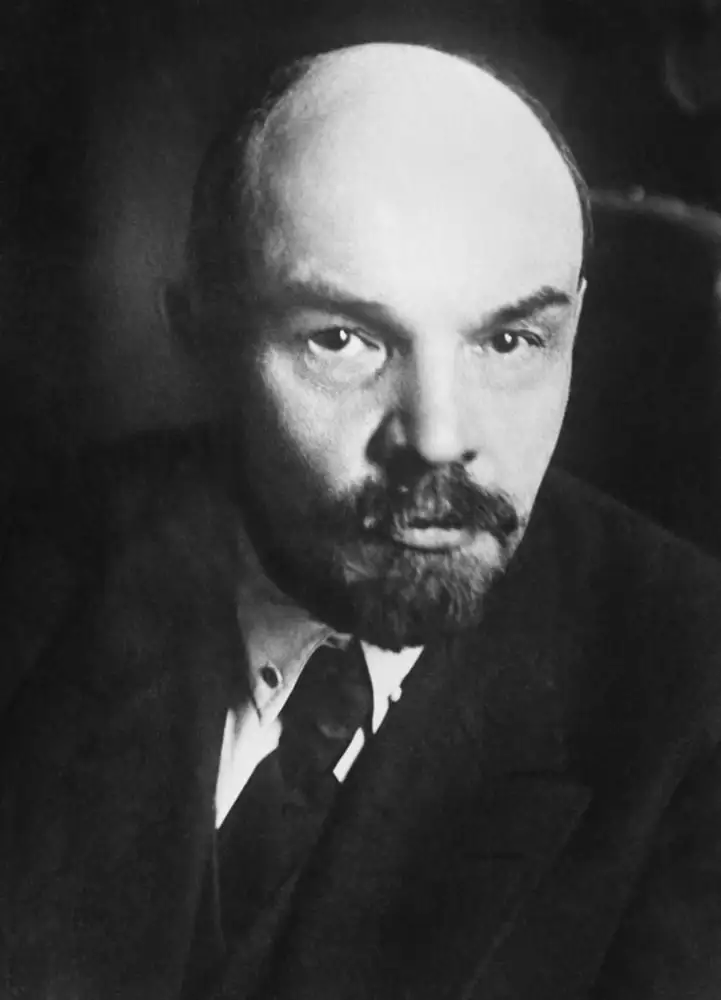
The famous Soviet leader Vladimir Ilyich Ulyanov, who revolutionized the history of Russia, wore a sharp Van Dyke beard. His look is a textbook example of the classic Van Dyke, which is worth studying if you have ever been confused about the Van Dyke vs. goatee debate.
History never leaves you empty-handed when you’re hunting for inspiration, and that goes double for beard styles. You may not be able to match these legends in their life’s work, but pulling off their signature beard? That part is absolutely within reach.