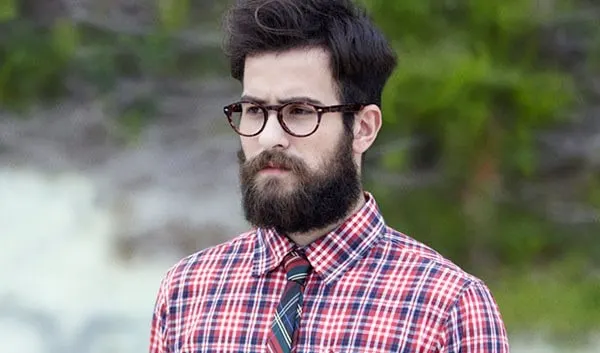
If there’s one beard built for the office, it’s the boxed beard: clean straight lines, uniform short length, and zero doubt about whether you meant to grow it. It’s the move for the guy who wants facial hair without looking like he just got back from a mountain expedition.
The catch is precision — boxed beards live and die by their edges, so a detail trimmer and a steady neckline are non-negotiable. Here are 28 short boxed beards, from hard cheek lines to salt-and-pepper.
Here is the list of the best short boxed beard styles to try for a clean and modern look.
01 of 28Short Boxed Beard with Hard Cheek Lines
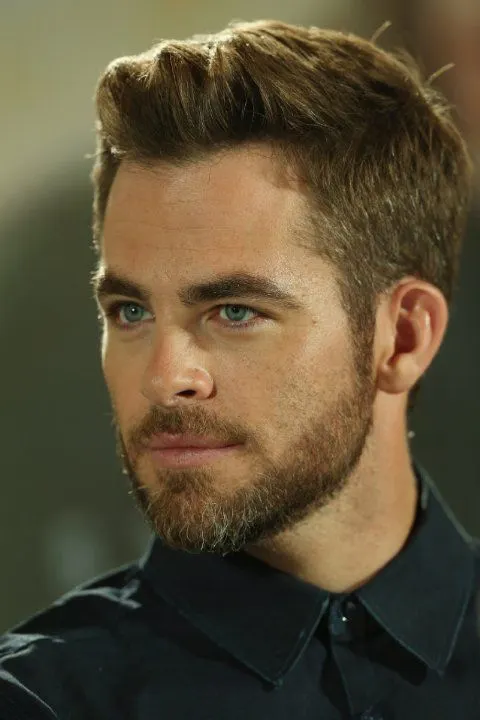
Carving hard corners into your cheek line gives your style a seriously masculine edge. The hair should predominantly follow your jawline, with a sharp corner point close to the ears. This style works beautifully on an oval face shape, but it’s a solid option for a round face shape too.
02 of 28Salt and Pepper Short Boxed Beard
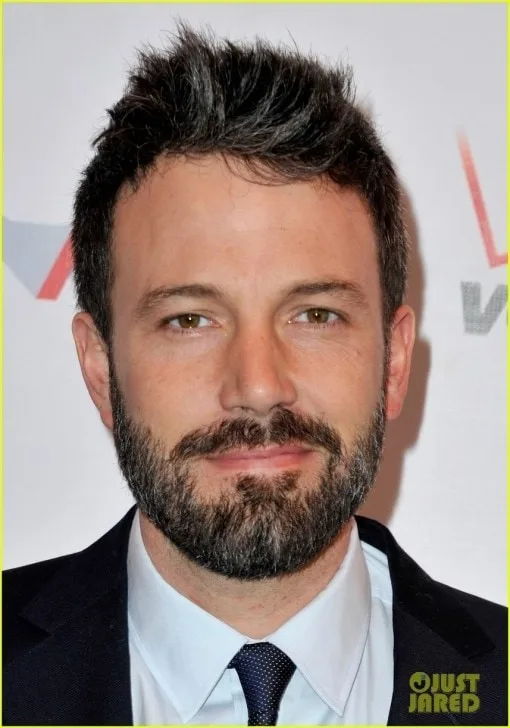
Age gracefully by letting those gray hairs come through. On a short boxed beard, a mix of dark and silver gives the beard a softer, dusky tone that looks polished rather than tired.
03 of 28Heavy Stubble Short Boxed Beard
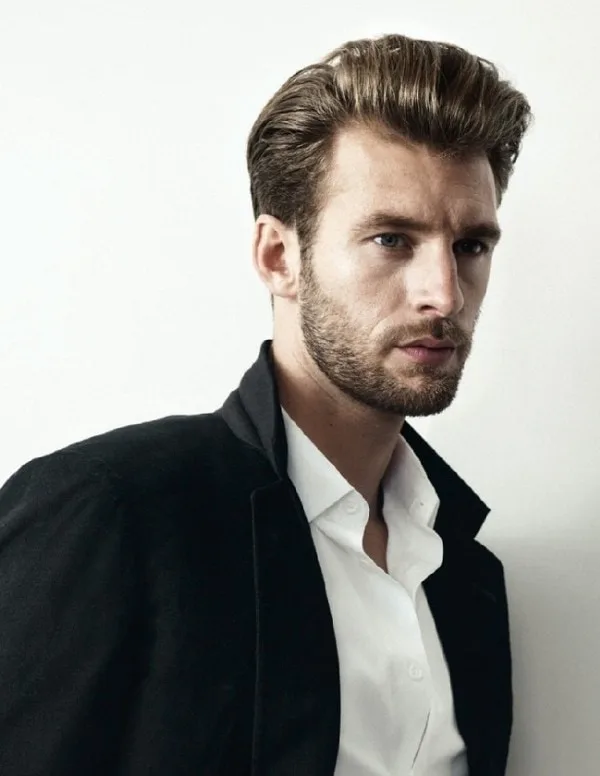
Heavy stubble length looks rugged and effortlessly masculine. For a lived-in vibe, let the hair grow up over the lower cheeks. To keep the boxed beard shape intact, you still need clean, well-defined lines at the perimeter.
04 of 28Short Boxed Beard with Beard Fade
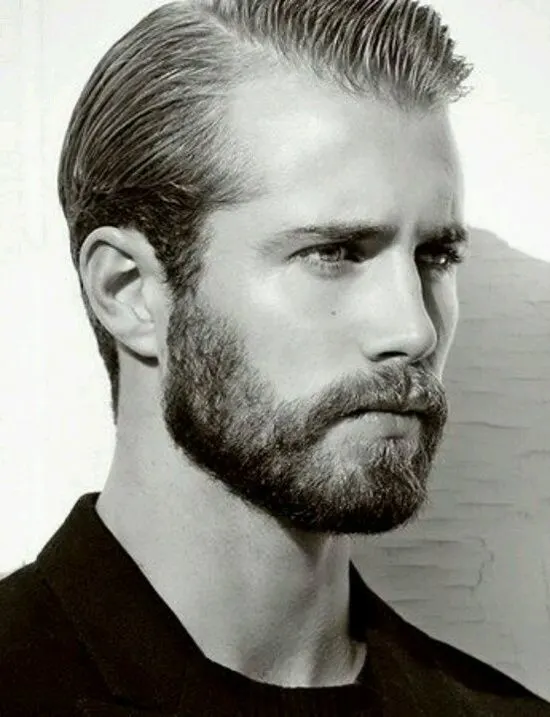
Fading sections of your short boxed beard draws the eye exactly where you want it. A fuller mustache pulls attention to the lips, while denser hair along the chin strap area gives the jawline a stronger, more defined look.
05 of 28Dense Dark Short Boxed Beard
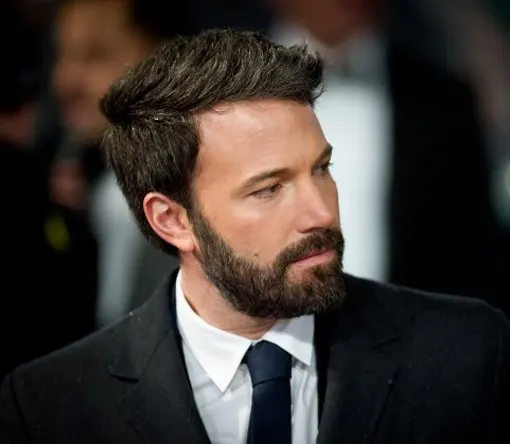
A thick short boxed beard is perfect if you want to project serious presence. A deep, dark color amplifies the fullness and gives the whole look an undeniable weight and intensity.
06 of 28Neat Short Boxed Beard with Carved Neckline
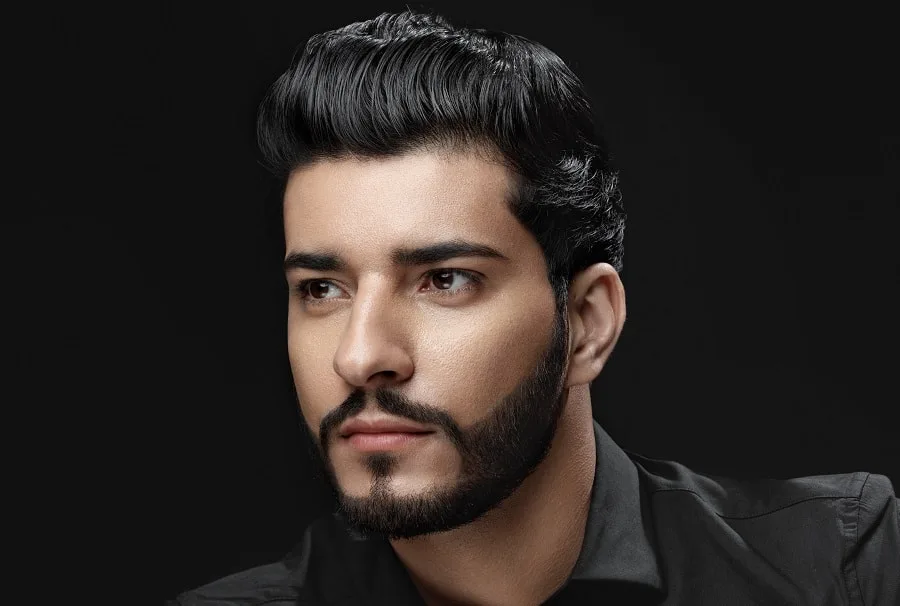
A neatly trimmed short boxed beard is the go-to for guys who want to look sharp and well-groomed without a lot of fuss. The rectangular shape comes from trimming the cheeks and cleaning up the neckline to create a crisp, defined perimeter.
07 of 28Blonde Short Boxed Beard with Long Hair

This one is refreshingly straightforward. The cheek line and sideburns are kept short while the mustache stays connected to the beard. Keep the chin hair at a medium length for a look that goes from sophisticated to rugged depending on the occasion.
Pairing it with longer hair gives the whole combination a relaxed, free-spirited feel.
08 of 28Short Boxed Beardstache with Heavy Stubble

This style suits guys with dense facial hair and a bit of natural scruff. Trim your beard down to the desired length, then shape it up by cleaning the cheek line and doing a proper neckline cleanup. The result is controlled texture with just enough edge.
09 of 28Colored Short Boxed Beard
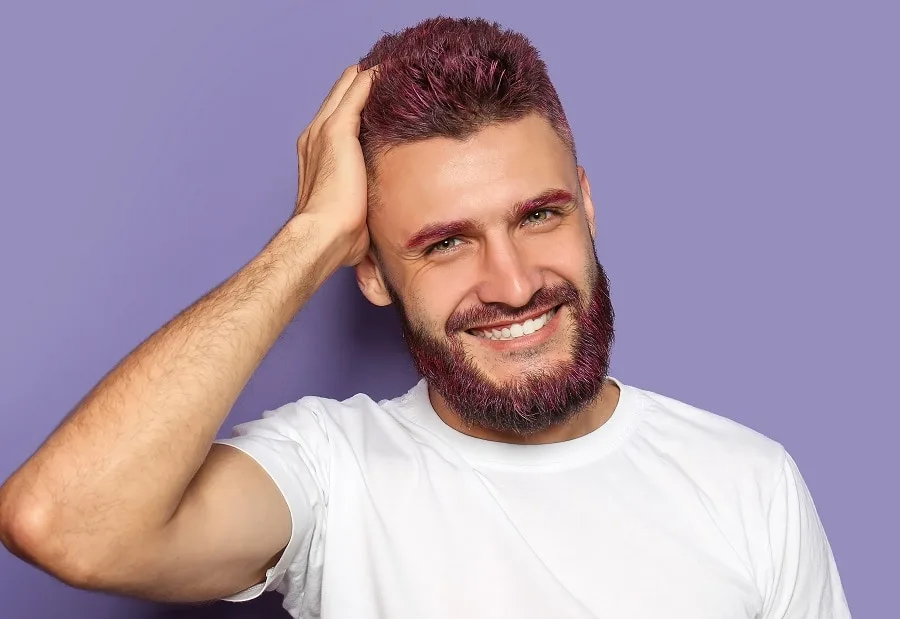
To pull off a colored short boxed beard, start by trimming to an even length. Use a comb to define the shape and comb the mustache down. Then go in with a trimmer to clean up the perimeter for a uniform finish.
Bold beard coloring like this works especially well on rectangular face shapes.
10 of 28Short Boxed Circle Beard with Soul Patch
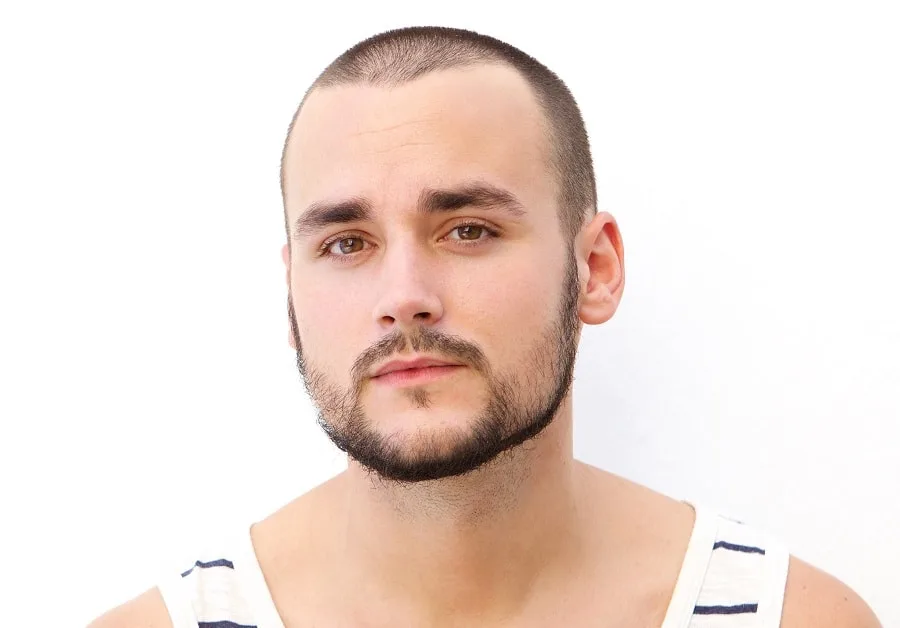
If you want a classic combo, pairing a circle beard with a boxed outline is hard to beat. Grow your facial hair to the desired length, then use a trimmer to shape the beard into a circle around the mouth. Clean up the sides with a sharp cheek line to define the boxed perimeter and finish the look.
11 of 28Short Boxed Beard with Glasses

To style a short boxed beard paired with glasses, trim your facial hair to an even length, then use a trimmer to carve a sharp line along the jawline. Finish with a beard oil or balm to keep the hair healthy and hydrated. This combination works particularly well for guys with a longer face shape.
12 of 28Blonde Short Boxed Beard with Designer Stubble Cheek Fade

This style is trimmed short through the center and carries slightly more length on the sides, creating a clean rectangular shape. Comb it down, trim any strays, and you’re done.
It pairs well with just about any hairstyle.
13 of 28Rainbow-Dyed Full Stubble Boxed Beard
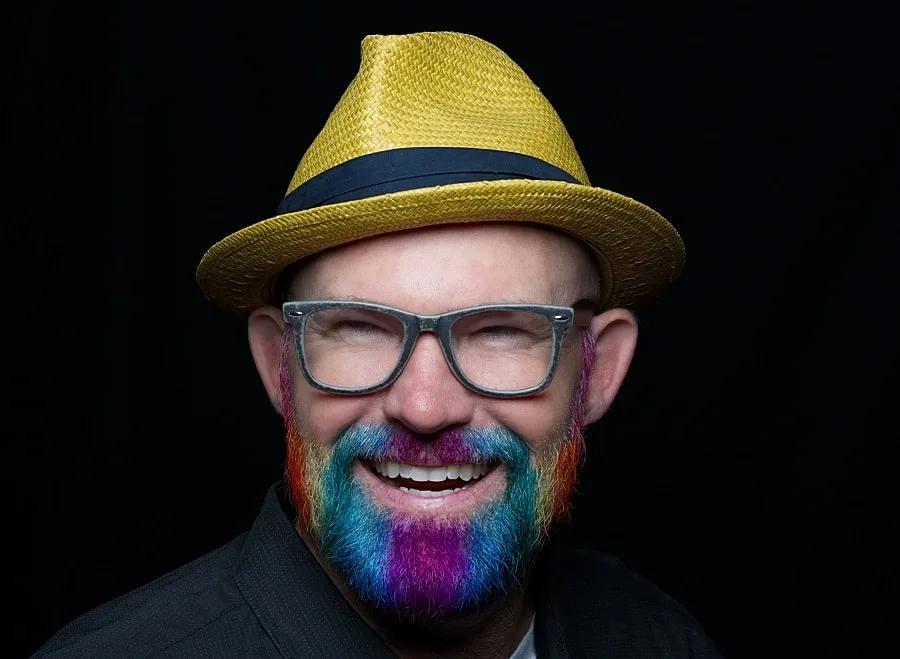
This style sits shorter than a full beard but longer than a goatee, and throwing a rainbow beard coloring treatment into the mix gives it a personality that’s impossible to ignore. It comes across as far more modern than a traditional boxed shape, making it a genuine conversation starter and a bold way to express who you are.
14 of 28Auburn Full Stubble Short Boxed Beard

A full stubble boxed beard is a perfect way to add a little edge to your look without going overboard. Easy to maintain and compatible with just about any haircut, it’s a seriously versatile option.
To shape it up, clean the cheek line and neckline with a trimmer or detailer and you’re good to go.
15 of 28Salt and Pepper Short Boxed Beard with Long Hair
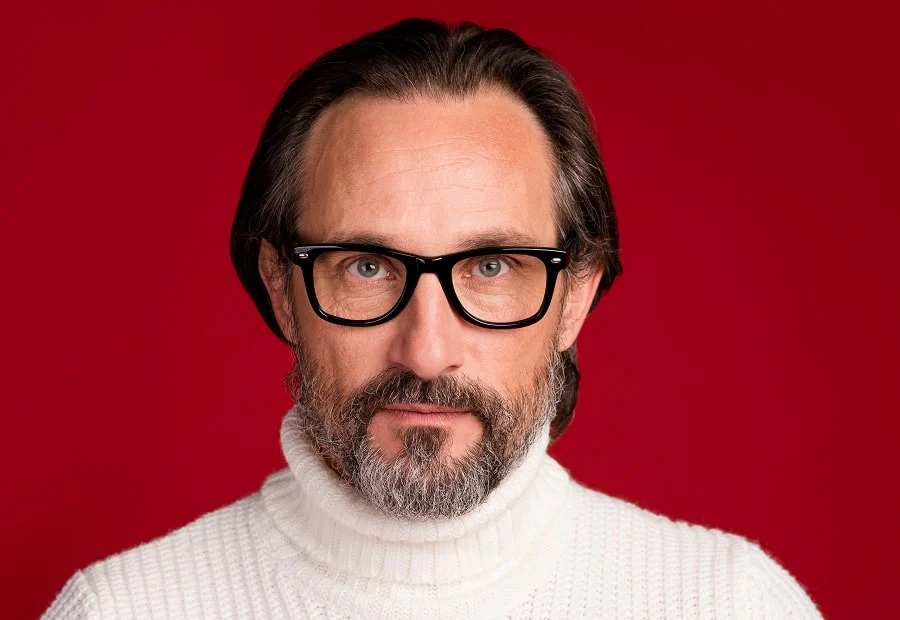
Salt and pepper facial hair takes on a whole new level of sophistication when it’s shaped into a clean short boxed beard. Keep it well-trimmed and controlled, and let the longer hair on top do the heavy lifting for contrast and dimension.
16 of 28Short Boxed Beard with Mid Fade and Tapered Sides
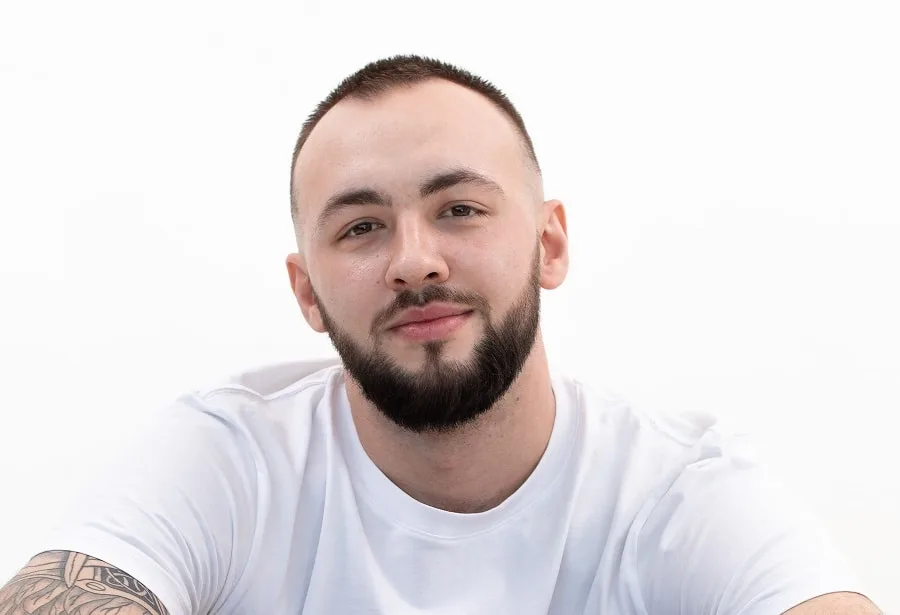
To nail this look, trim the facial hair to an even length all around, then carve a sharp beard line along the edges following the natural jaw. From there, fade the sides and back so the haircut and beard create one seamless, polished finish.
17 of 28White Short Boxed Beard with Defined Cheek Cleanup

Cleaning up the cheeks draws the eye straight to the jawline and gives the whole face a more structured frame. It’s a clever way to add definition without adding length.
This look is especially striking on men with a white or silver beard, where the contrast against the skin does a lot of the work on its own.
18 of 28Ginger Short Stubble Boxed Beard with Clean Cheek Line
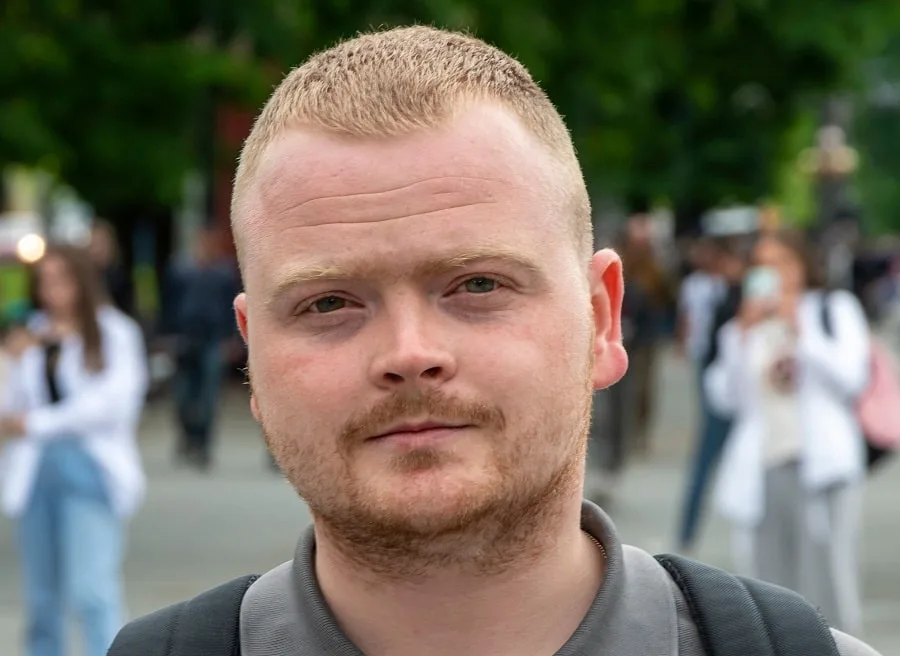
Giving a short stubble beard a boxed shape is one of the easiest upgrades you can make. Run a clipper over the whole beard at a consistent guard length to keep everything even, then clean up the cheek line by shaving away any stray growth above it.
No complex carving needed, just a tidy perimeter and you’re sorted.
19 of 28Auburn Short Boxed Beard with High Fade and Slick Back
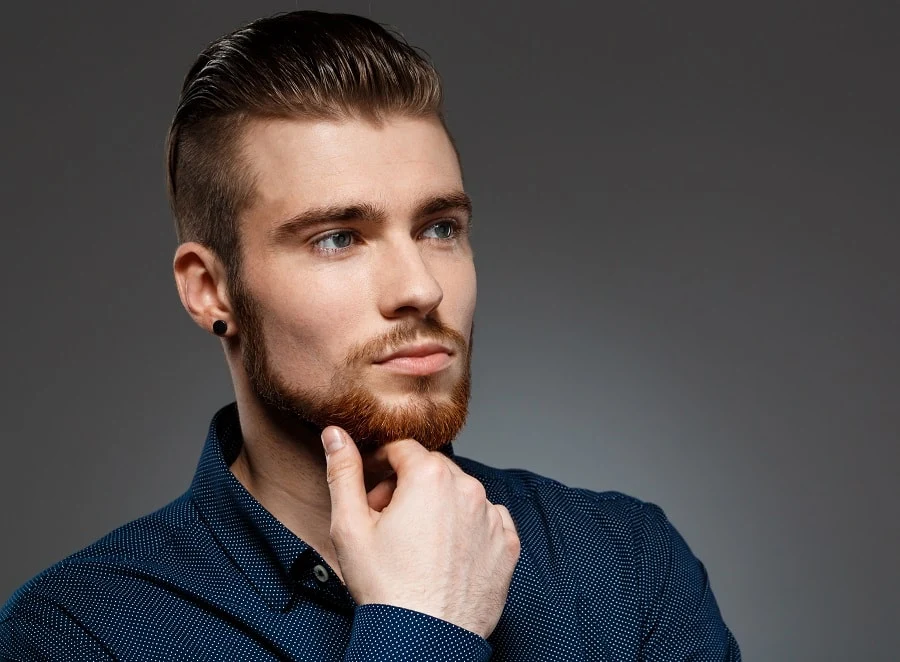
This combination works beautifully for guys who want to project an air of sophistication and refinement. Use a razor to carve a clean, sharp cheek line and neckline for the boxed perimeter, then let the high fade and slicked-back top do the rest of the heavy lifting.
20 of 28Dark Dense Short Boxed Beard with Square Jaw Emphasis

This style is a natural fit for rectangular face shapes, as the angular outline emphasizes jaw width and chin projection. Keep the beard well-groomed and work a quality beard balm through it to tame flyaways and maintain that strong, polished finish.
21 of 28Medium Stubble Short Boxed Beard with Buzz Cut
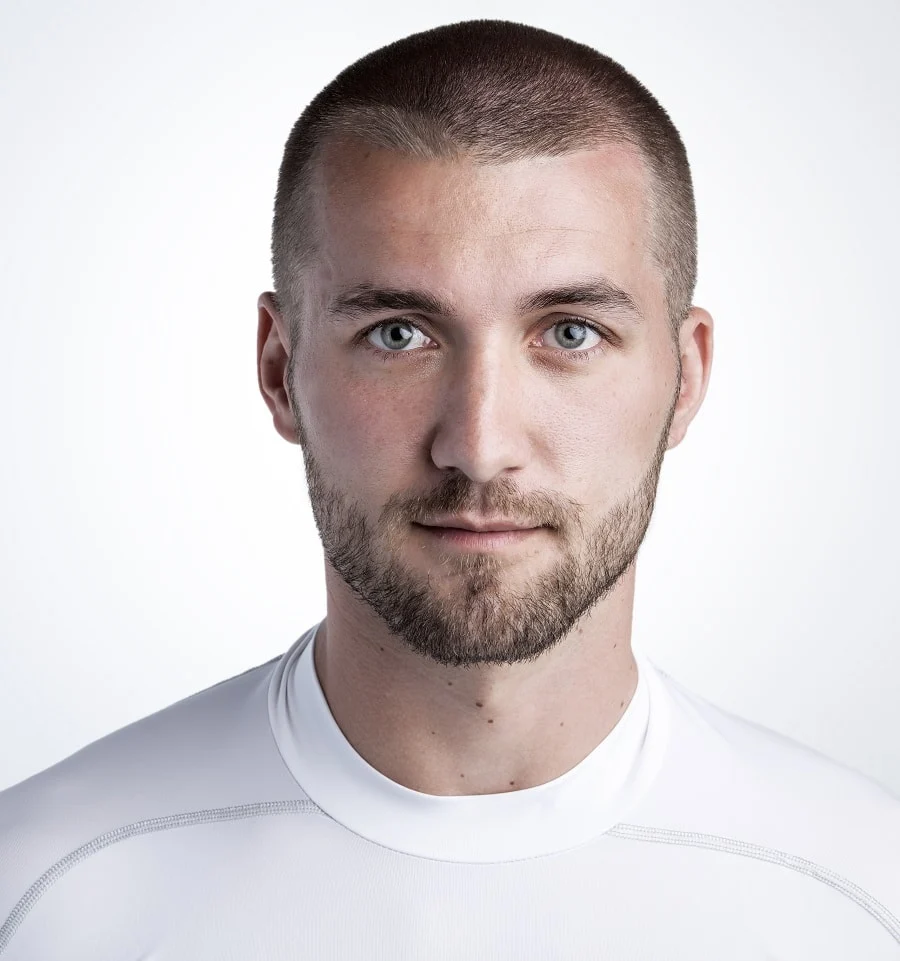
Medium stubble hits that sweet spot between rugged and well-groomed without demanding much of your time. Run a clipper over the whole beard at your preferred guard length to keep everything even, and that’s honestly most of the work done.
22 of 28Heavy Stubble Short Boxed Beard with Glasses
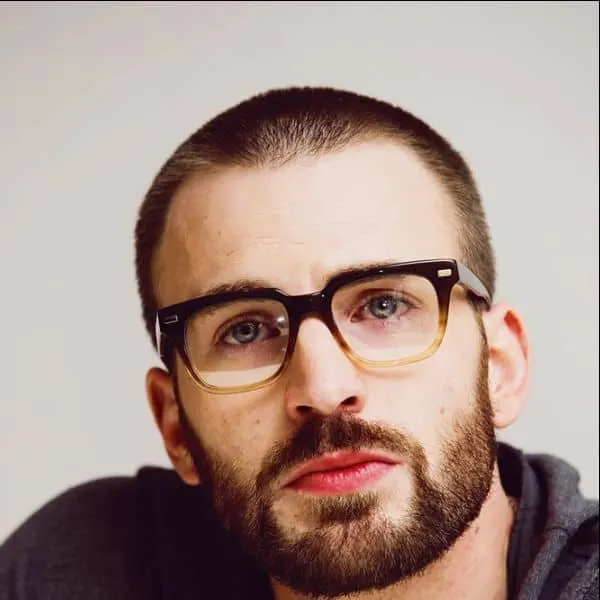
This heavy stubble boxed beard gives solid coverage across the face while staying compact and controlled. Grow the beard out to a medium stubble length, then shave the cheeks back to create that clean, box-like perimeter.
Low-maintenance and sharp every single day, it’s a genuinely hard combination to beat.
23 of 28Short Boxed Beard with Undercut Fade and Defined Sideburn Connection
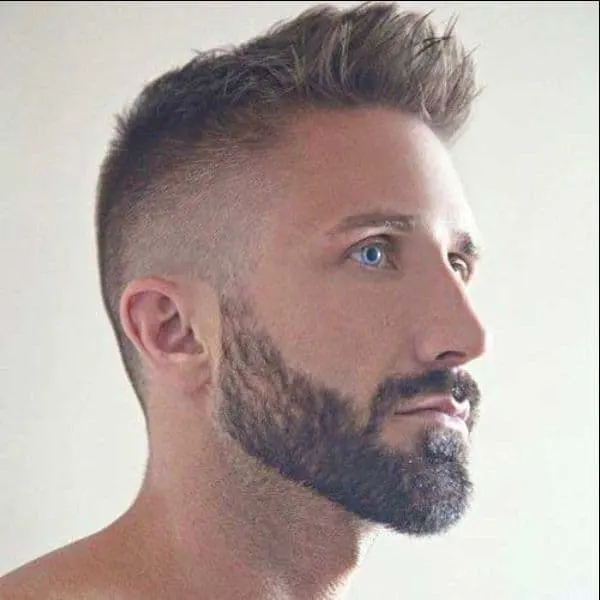
This style works especially well on square and rectangular face shapes, as the bold outline accentuates the jawline and adds real presence. It’s defined by a thick, dense line of hair running from the sideburn point down to the chin, giving the whole look a strong, structured frame.
24 of 28Short Boxed Beard with Chin Strap on Black Men
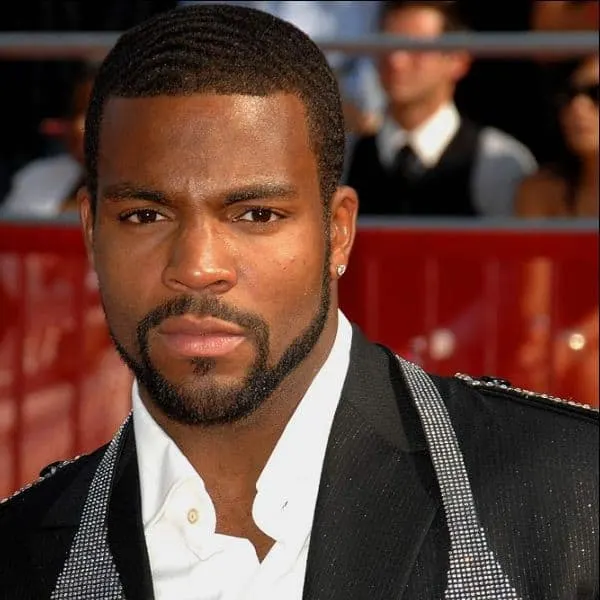
The short boxed beard adds angular definition and a more masculine profile, while the chin strap sharpens the jawline with a precise razor line. This combination is a particularly strong choice for Black men with coarse or coily hair, where the clean outlines really pop.
25 of 28Corporate Short Boxed Beard with Sharp Perimeter Lines
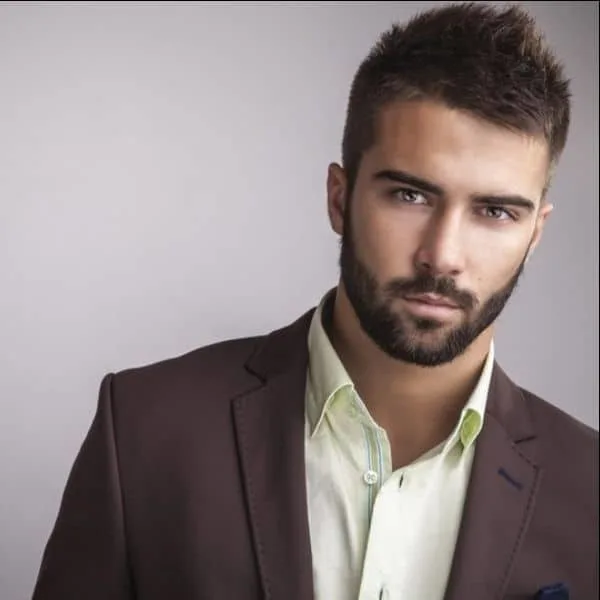
This corporate beard is closely trimmed and sculpted for a clean, defined finish that works just as well in the boardroom as it does on the weekend. It’s a go-to for men who want a polished, professional appearance without sacrificing masculinity.
Sharp beard lines around the perimeter are what make or break this one.
26 of 28Short Boxed Beard with Wavy Dark Hair
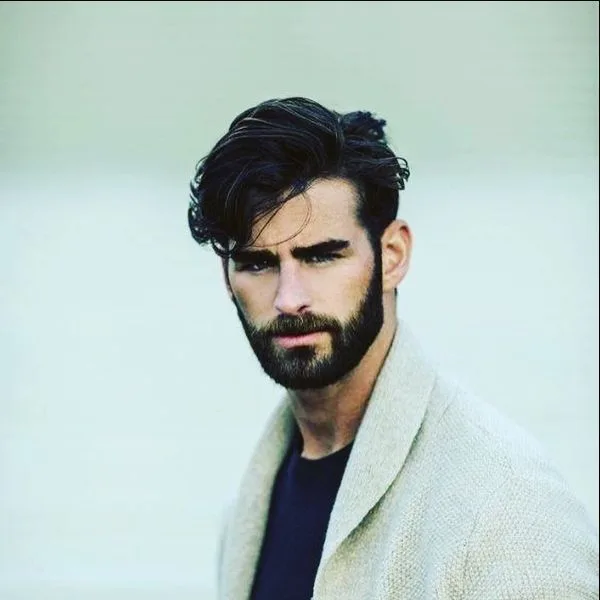
This style suits square and rectangular face shapes particularly well. Start by trimming the cheek and neck hair to establish a clean baseline, then use a clipper to bring the chin and jawline hair to an even, uniform length throughout.
27 of 28Short Boxed Beard With High Fade and Razor-Sharp Lines
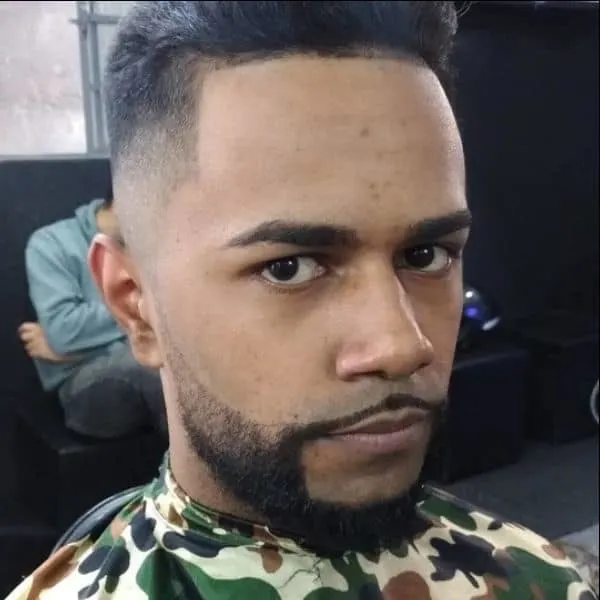
A crisp, carved cheek line gives any man a clean-cut, well-groomed appearance. It’s a great option for men who want to add some facial hair without looking too scruffy.
Pair a high fade with clean beard lines on the sides and a thin mustache to frame the whole look, and you’ve got a finish that holds up anywhere.
28 of 28Medium Stubble Short Boxed Beard With Soft Cheek Line
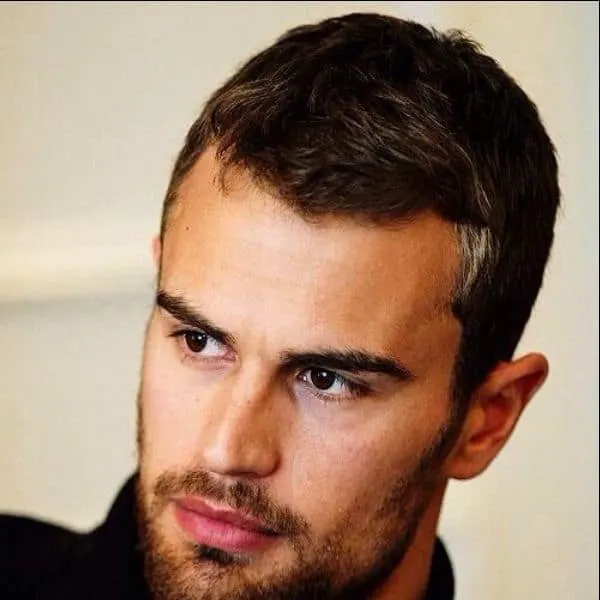
It’s the perfect look for a guy who wants to appear both masculine and stylish. Let your facial hair grow out for a few days until you have nice, even medium stubble.
Then, use a detail trimmer to carve a soft cheek line along the jawline. You get the look of a fuller beard with a fraction of the maintenance.
Your beard style can transform your whole look. Choose a modern short boxed beard to sharpen your appearance, and check out a few of our other guides below.