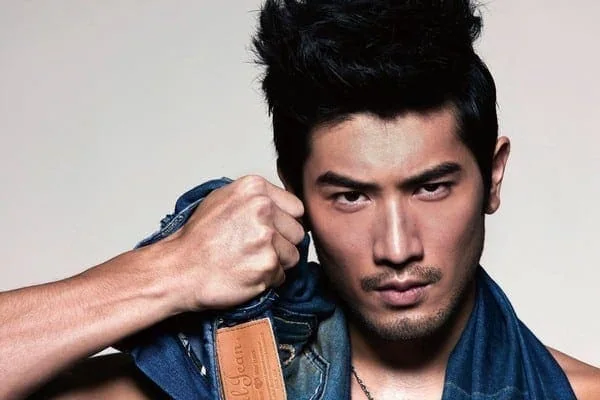
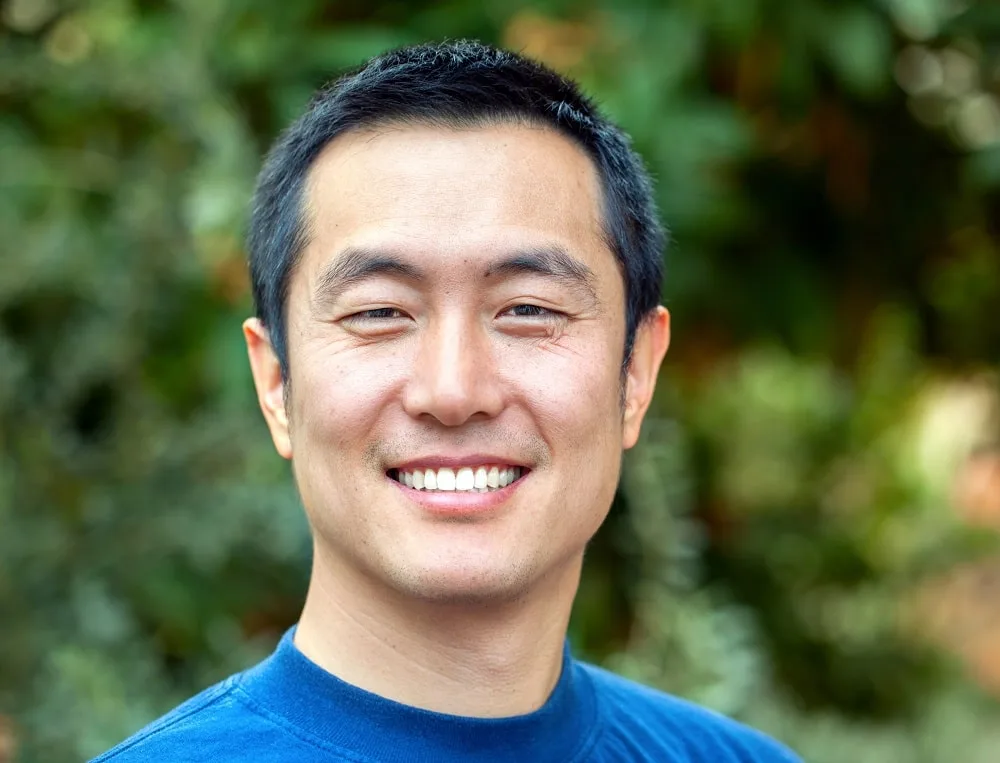
Most Korean men stay clean-shaven, and the pattern is no accident. Here is a deeper look at the reasons why Koreans do not grow beards. We will explore the scientific, cultural, and historical factors that have shaped this unique characteristic among Korean men.
Can Koreans Grow Beards?
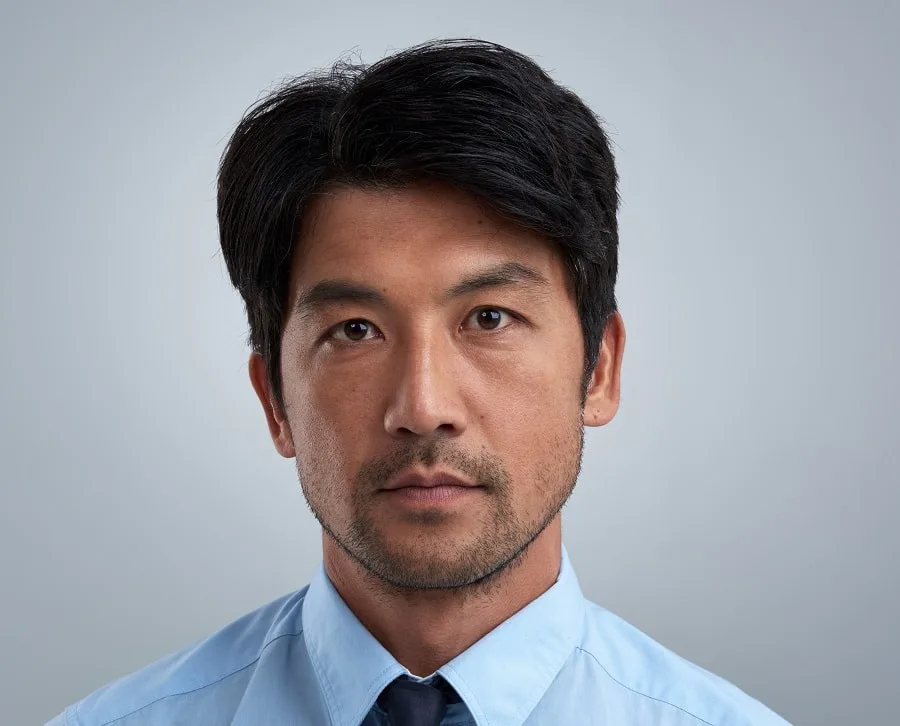
The simple answer is, Koreans can grow beards. However, certain ethnic groups such as Native Americans and East Asians tend to have less facial hair density than people of European and Middle Eastern descent.
The reason mostly comes down to genetics. Research points to genetic differences in how facial-hair follicles respond to hormones, which vary between populations. Koreans tend to have lower facial hair density on average, which results in slower and sparser beard growth.
That said, genetics is only part of the story.
A Trip Through Korean History With Beards
From ancient times to the present day, Korean people have developed their own unique customs and traditions. In ancient times, Korean kings were often depicted with beards in historical paintings and illustrations.
Confucianism was adopted as the official state ideology during the Joseon Dynasty, which lasted from 1392 to 1910, and it left a deep mark on Korean culture. It shaped everything from social values to family structure. Beards were often seen as a symbol of wisdom and knowledge.
Scholars of that era were frequently portrayed with long beards, which were regarded as a sign of intellectual and moral stature. As Western influence spread through Korea after World War II, clean-shaven looks became more common, and the old association between beards and wisdom gradually faded over time.
Why Koreans Don’t Grow Beards
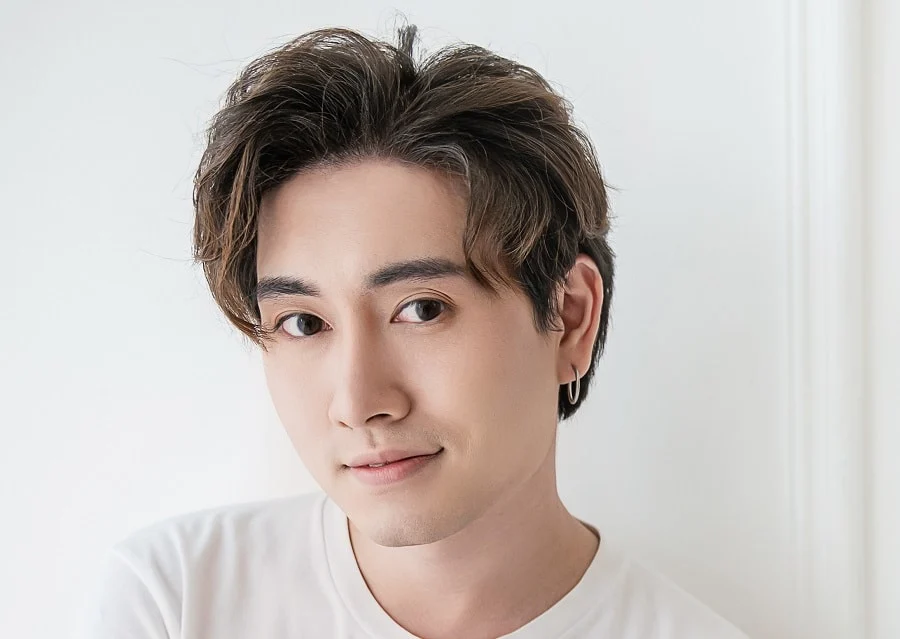
You will notice that a significant number of Korean men prefer a cleaner look. It is not about masculinity or femininity. There are deeper cultural and social reasons behind it.
Beyond genetics and ethnicity, Korean men tend to avoid beards because of factors like mandatory military service, the influence of K-pop culture, beauty standards, and the social norms of Korea.
Compulsory Military Service
Some Korean noblemen and warriors did wear beards historically. But as the world changed, so did Korea. With the presence of the US Army from the mid-20th century onward, the Korean military began adopting the clean-shaven American military standard.
Military service is mandatory for Korean men, and during that service period, a daily shave is required. That enforced clean-shaven habit tends to stay with many men long after they complete their service.
The Influence of K-Pop Bands
The rise of K-pop has also shaped how younger Koreans think about facial hair. The Bangtan Boys, better known as BTS, are one of the most recognized music acts in the world. Their polished image has had a strong effect on grooming trends.
BTS members are known for maintaining smooth, clean-shaven faces. That kind of visibility has a real trickle-down effect on style choices. K-pop culture now influences:
- Clothing
- Grooming habits
- The preference for smooth, clean-shaven skin among men
Beauty Standards in Korea
Korean beauty standards place a strong emphasis on clear, smooth skin, and facial hair is widely seen as working against that ideal. A clean-shaven face is often considered polished and attractive.
Many Korean women share this preference, citing hygiene and overall appearance as reasons for favoring clean-shaven men. Even light stubble can be seen as unkempt, which carries real social weight in Korean dating culture.
Social Norms and Attitudes Towards Beards
Beards can carry negative connotations in Korea. Facial hair sometimes comes across as messy or eccentric, which can lead to unfavorable judgments in professional and social settings.
In many Korean workplaces, a daily shave is practically expected. Even a day’s worth of scruff can be viewed as sloppy and unprofessional, so the pressure to stay clean-shaven is often consistent.
The Popularity of Laser Treatment
Laser hair removal has also grown in popularity across Korea, adding another reason behind the clean-shaven trend. Since laser treatment can permanently reduce facial hair growth, it has become an appealing option for men who want to avoid the daily shaving routine altogether.
Genetics and Ethnicity
The combination of genes and hormone levels is one reason East Asians, including Koreans and Japanese men, often have more difficulty growing a full beard. Compared to many Western and Middle Eastern men, Asian men generally have less dense facial hair growth.
That said, there are always exceptions. Hormone levels vary from person to person, and environmental factors may also play a role. Some Korean men do grow noticeably fuller beards than others.
Do Koreans Shave Every Day?
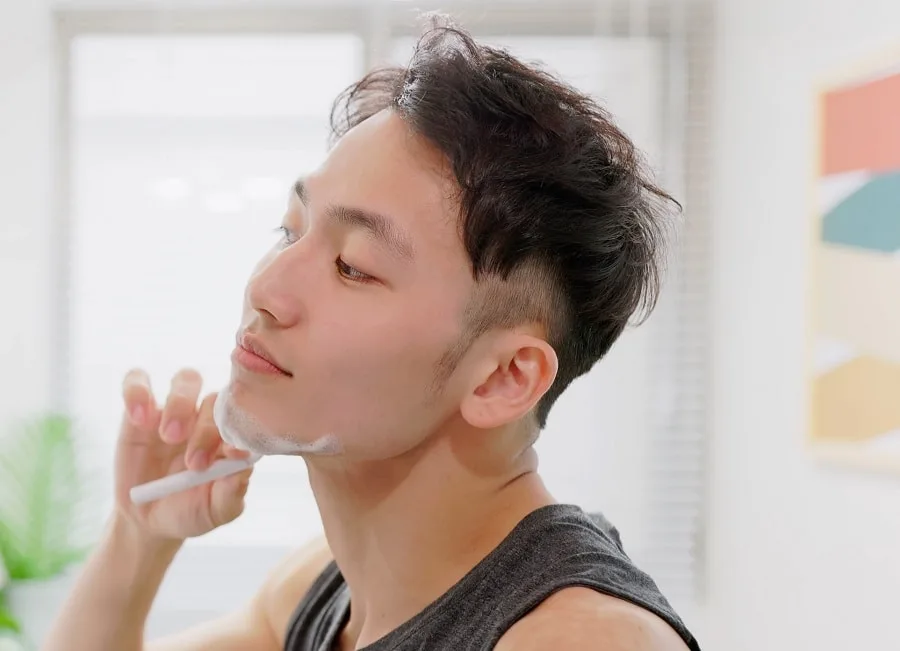
In South Korea, a well-groomed appearance is highly valued, so men pay close attention to beard grooming and mustache maintenance. Around 52% of South Korean men shave every day, which is a noticeably high percentage compared to many other nationalities.
Laser treatment to permanently reduce facial hair is also popular in Korea, so it is becoming increasingly rare to see a Korean man with a full beard.
Korean Celebrities With Beards
Even Korean celebrities tend to prefer a clean-shaven look. That said, the following stars prove they can pull off a beard just as easily when they choose to wear one.
Cha Seung-Won
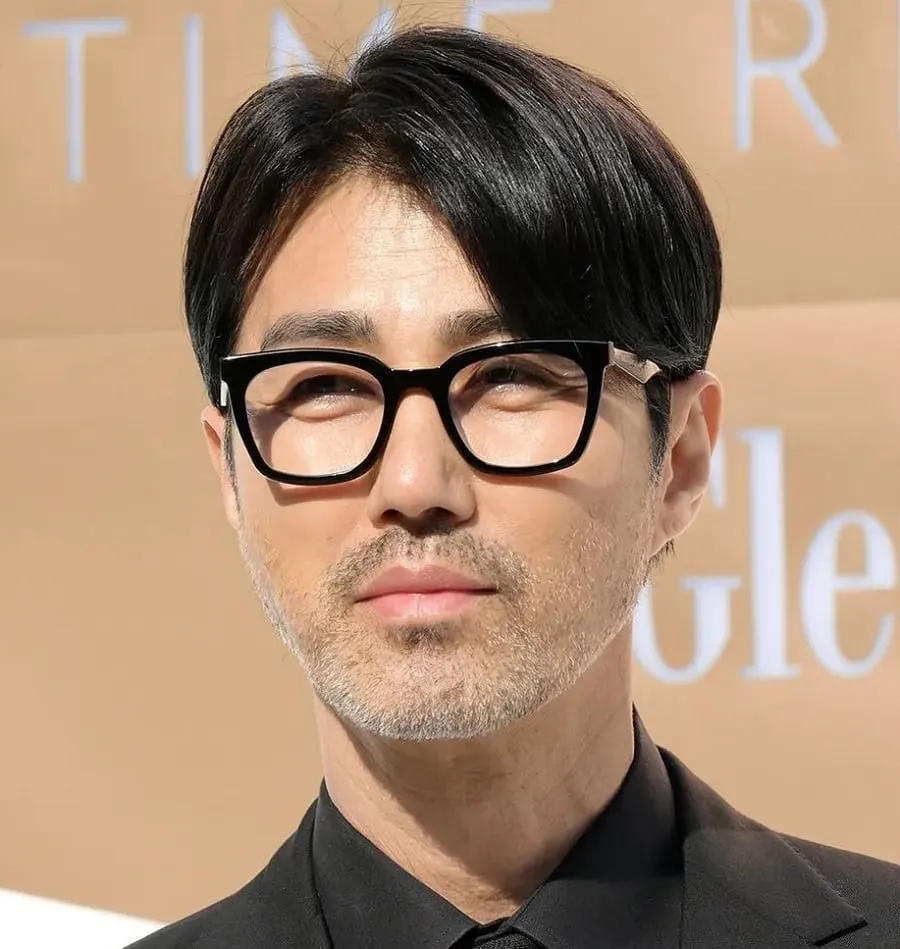
While he is most often spotted with a clean-shaven face, Cha Seung-Won has been known to sport a solid medium stubble from time to time. His stubble beard is another example of how he makes even the simplest look work in his favor.
Hyun Bin
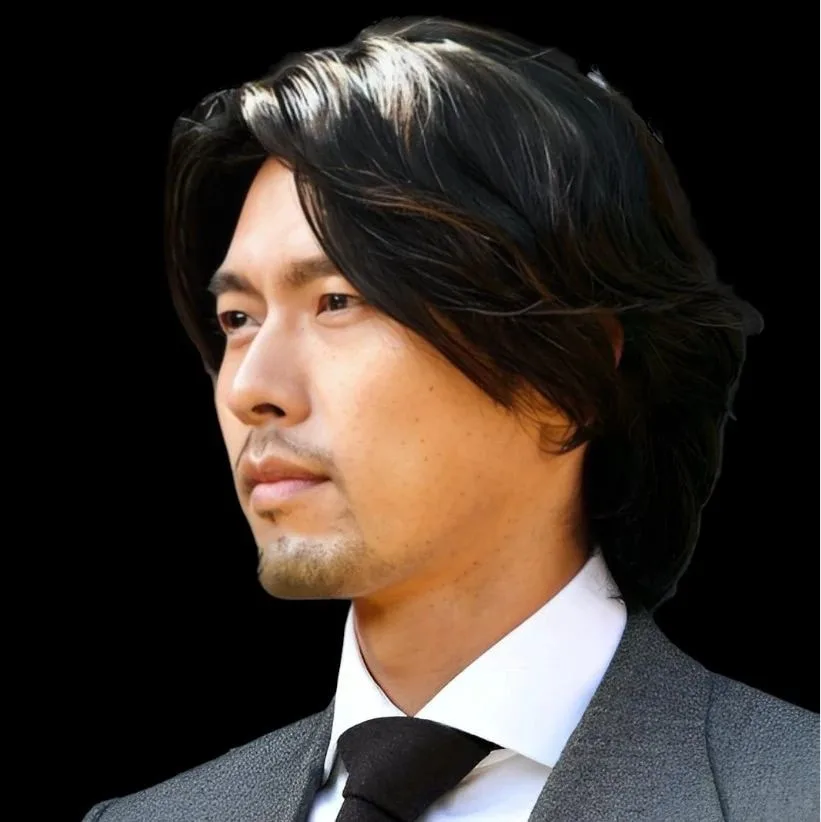
Hyun Bin is a South Korean actor who has played a wide variety of roles throughout his career. He is one of those rare Korean actors who genuinely likes to experiment with facial hair.
His light stubble in Confidential Assignment earned plenty of appreciation from fans, and he has also been seen wearing a goatee more recently.
Lee Jin Wook
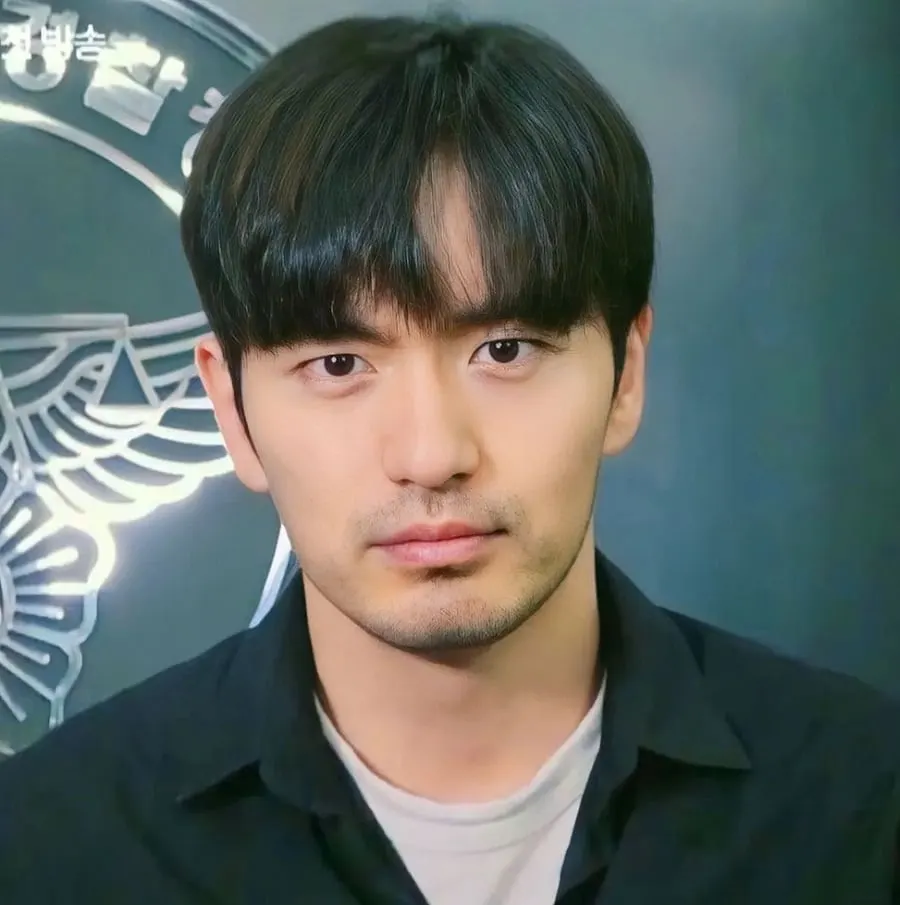
Lee Jin Wook does not often appear with facial hair, but when he does, it works. His light stubble complements his sharp features beautifully and gives him a noticeably more mature and seasoned edge.
Byun Yo-han
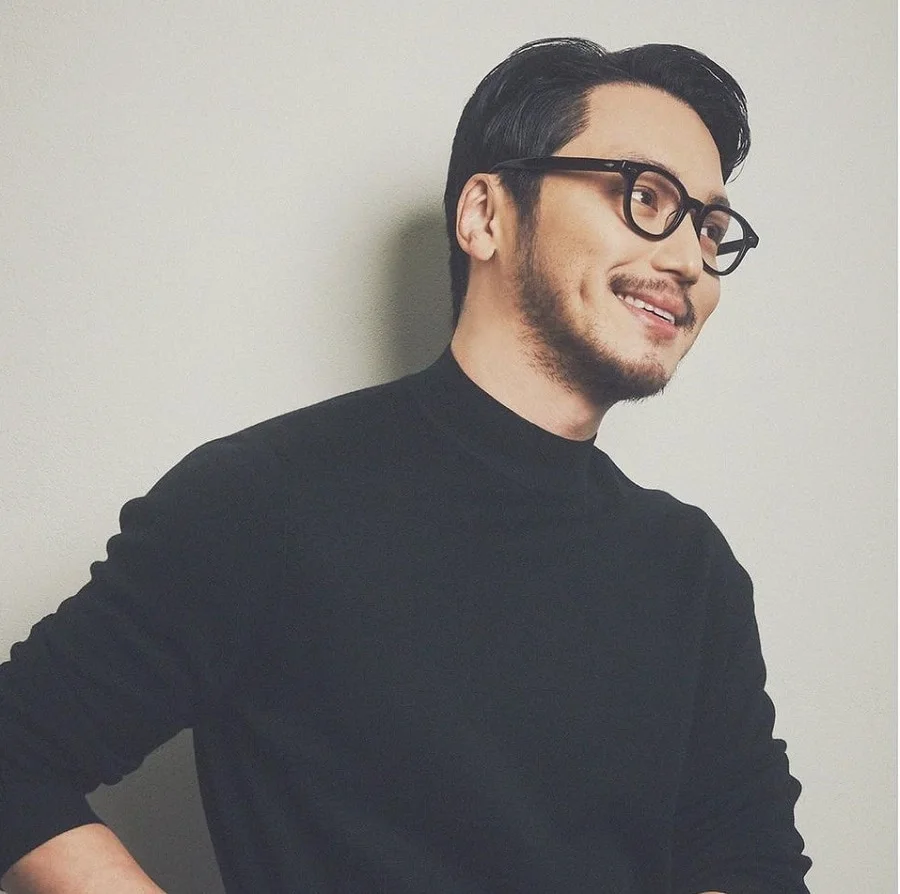
Byun Yo-han’s circle beard adds a touch of rugged polish to every on-screen appearance, whether he is playing a romantic lead or an action hero.
Jang Hyuk
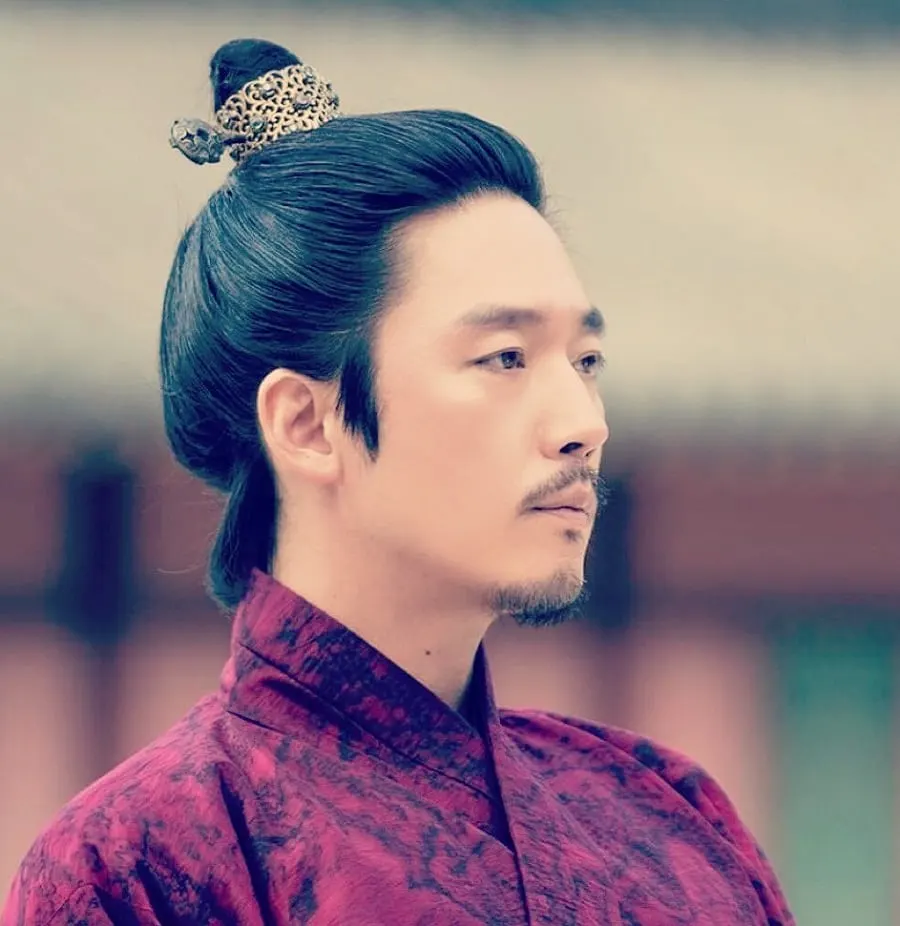
Jang Hyuk with a goatee is an absolute classic. While we have also seen him rock a clean-shaven look, there is no denying he looks equally striking with his goatee beard.