
Is your stubble beard hard and brittle? Does your partner feel like they rubbed their face against sandpaper? Well, we’ve got good news; you can soften your stubble. People no longer need to suffer every time you show affection.
If your stubble feels unusually harsh, it’s typically due to improper trimming techniques or a lack of moisture, both of which are easy to fix.
Read on to learn how to make your scratchy, rough, and sharp stubble as soft as cotton.
Key Takeaways
- Wash beard 2-3 times a week with a mild moisturizing beard wash or top-quality nourishing beard conditioner
- Use beard oil to improve your beard’s texture and appearance
- Grow your beard longer for more even edges and uniform distribution
- Moisturize facial skin for better stubble texture
- Shave close outside beard borders for smoother skin
- Brush beard regularly to spread oil evenly and separate clumped hairs
- Use a high-quality beard softening pad to reduce harshness
What Makes a Stubble Beard Feel Hard and Sharp?
What makes stubble feel sharp is short facial hair. Short hairs have sharper and more uneven edges, causing them to feel abrasive to the touch.
Another common cause of sharp stubble is dryness from over-cleansing and not moisturizing enough.
It may also be that you’re not drinking enough water. Dehydration causes the skin to dry out and the hair shafts to become brittle and stiff. Coupled with harsh weather conditions like wind and sun, this can make facial hair feel sharp, coarse, and prickly.
When the skin beneath a beard lacks moisture, stubble feels dry and brittle. The secret to making stubble softer is maintaining proper moisture levels in both the hair and the skin underneath.
7 Simple Ways to Soften Your Stubble Beard
Below are some tips and tricks to help soften your stubble. Applying these tips, most of which are solid beard grooming habits, will go a long way in making your beard look and feel better.
1. Wash Your Stubble Beard Properly

How often do you wash your beard? While it’s not advisable to give your beard a thorough scrubbing too often, keeping it clean with a proper beard washing routine is non-negotiable.
One mistake most men make is washing their stubble with a standard hair shampoo. The aftermath of this can be detrimental to your beard in the long run.
Regular scalp shampoos can contain harsher surfactants, such as sulfates, that aggressively strip away your skin’s natural sebum, the essential oil your body produces to keep facial hair soft and moisturized.
These harsh shampoos can also compromise the skin’s moisture barrier, leading to dry, flaky skin and brittle facial hair. Your facial hair dries out, becoming itchy and scratchy.
So what’s the best approach? Wash your beard only two to three times a week using a mild moisturizing beard wash or a top-quality nourishing beard conditioner that’s free of harsh artificial chemicals and anything that could hurt your stubble beard.
These products remove dead skin cells, dirt, and excess oil from your facial skin’s surface, making it softer. They also clear out buildup around the base of the hairs.
A proper wash will help separate any stubble hairs that may have clumped together, improving overall beard texture and making it smoother and softer.
2. Try Beard Oil
While washing removes dirt, it also strips your natural oils. Commercial beard oils help replenish that lost moisture, mimicking your natural sebum to keep the hair conditioned and soft.
These oils are specifically formulated to maintain your beard, as they contain vital ingredients like jojoba oil and argan oil. Beyond softening your stubble beard, they keep the hair shafts healthier and give your beard a shinier appearance.
Applying the right beard oil can smooth the sharp edges in your stubble, reducing the abrasiveness you feel when you touch it.
For the best results, apply beard oil to a clean, slightly damp, towel-dried beard. This helps the oil spread more evenly and lock in moisture rather than sitting on a dry surface.
Also, don’t apply beard oil to a soaking-wet beard. Excess water prevents the oil from coating the hair shaft and skin evenly.
Apply the oil by massaging it gently over your entire beard, then use a boar-bristle brush to spread it evenly. With the right beard oil, you can transform the feel, scent, and look of your stubble.
3. Grow Your Stubble Longer
Growing your stubble longer is one of the most straightforward fixes, because shorter hair is often sharper and pricklier.
If your stubble is feeling coarse right now, it’s likely because it’s too short. Try stepping up to a medium or heavy stubble. The feel will usually be noticeably different. Longer hair has more even edges and achieves a more uniform distribution.
That said, you should still trim your beard regularly to maintain a uniform length and eliminate sharp, jagged tips.
4. Moisturize Your Stubble
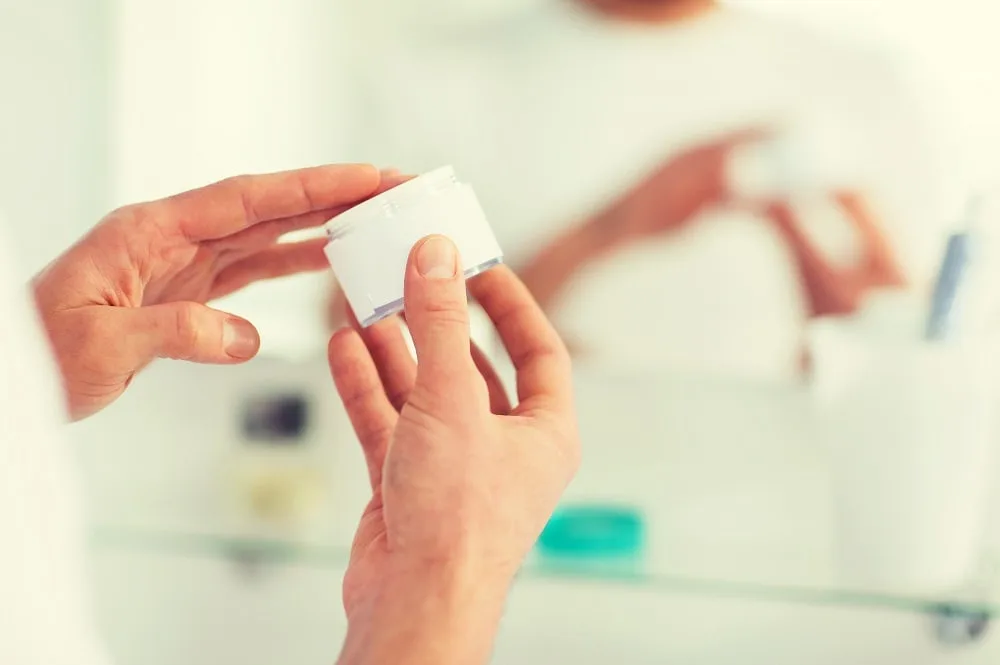
Most of us only focus on the hair itself, forgetting that a great-looking stubble beard starts with healthy skin underneath.
A well-hydrated face and neck will improve your stubble’s texture noticeably. Right after a trim, the skin can feel coarse, irritated, and dry. Applying a moisturizer at that point hydrates the irritated skin while also helping soften the hair.
Skin care and beard grooming go hand in hand. If you want genuinely softer stubble, looking after the underlying skin is non-negotiable.
5. Shave Close Outside the Borders
Work towards making the areas above the cheek line and below the neckline as hairless as possible. These are the zones your stubble beard doesn’t reach, and keeping them clean makes the whole look sharper.
A close shave in these border areas isn’t as simple as it sounds. You want to cut the hair as flush to the skin as possible, leaving behind smooth, barely-there skin. Very short hair that’s nearly invisible is far less likely to feel rough or scratchy.
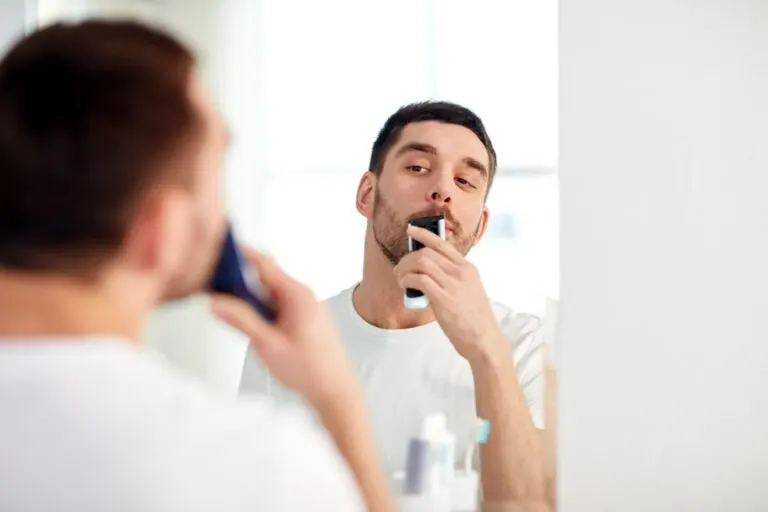
Whether you prefer an electric foil shaver or a straight razor, push for the closest shave you can get outside your stubble’s perimeter.
6. Brush Your Beard
Brushing your stubble, especially after applying beard oil, is essential. It spreads the oil evenly through the hair and separates any strands that have clumped together.
Medium and heavy stubble, in particular, benefit from regular sessions with a soft-to-medium boar-bristle brush. Beard hair grows in multiple directions, which can make it look untidy and feel rough against the skin.
While you can’t change the natural grain of your follicles, consistent brushing exfoliates the skin underneath and distributes beard oil far more evenly throughout the hair.
Keep it to twice a day at most. Excessive brushing can stress and damage the hair shaft over time.
One more thing: invest in a quality brush. Avoid hard combs on very short stubble, as they irritate the skin without doing much to shape or condition the hair.
7. Use a High-Quality Beard Softening Pad
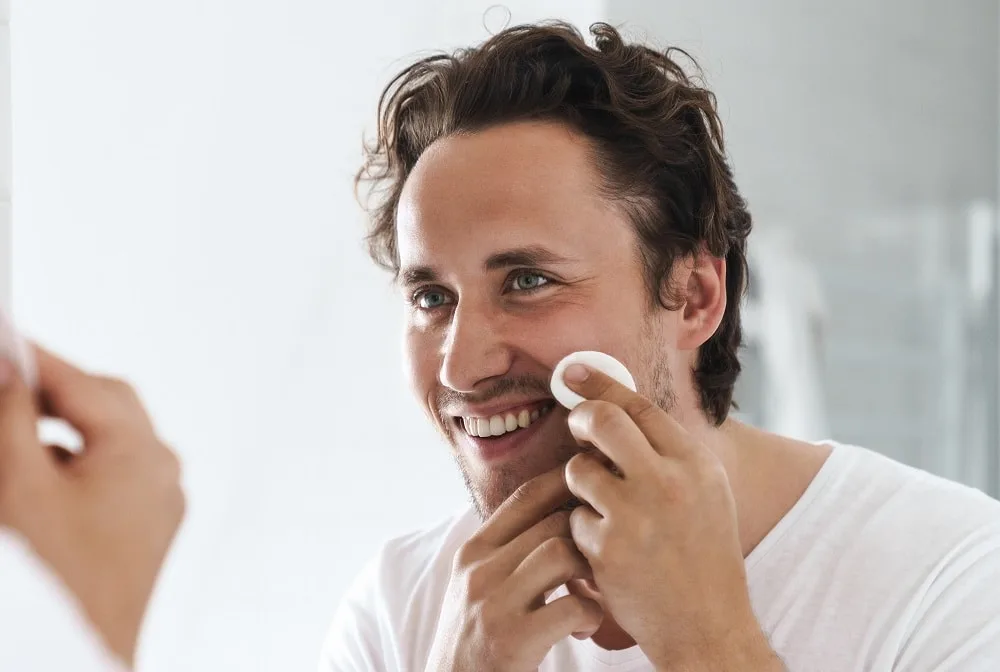
Softening pads work by rounding down the uneven, sharp edges of your hair shafts, which are the main culprits behind coarse stubble. The result is a stubble beard that feels noticeably gentler to the touch. Better yet, you can keep using these pads as your beard grows longer.
Heads-Up: If you use a stubble softening pad, apply very light pressure and gently buff only the tips of the hair. Never press the pad directly into your skin, as the abrasive texture can cause redness, irritation, and damage to the skin barrier.
A good softening pad should be gentle on your skin while still getting the job done. Try it carefully and let the results speak for themselves.
The Beard Style Verdict
There you have it: seven proven techniques to soften your stubble. Not every method will suit every guy, but a few of these will absolutely make a difference for you.
Remember, healthy, great-looking stubble doesn’t happen overnight. Give it consistent care and your facial hair will reward you for it.