Why Amish Men Don’t Grow Mustaches
The Amish are a religious group known for their simple way of life and their beard culture, which serves as a symbol of their faith and identity.
They are traditional Christians who originated in Switzerland in the 16th century as a result of a schism within the Anabaptist movement. They adhere to a strict set of rules and practices outlined in the Ordnung, a written code of conduct.
One of the most prominent aspects of the Ordnung is the requirement for men to grow and maintain beards, while mustaches are strictly forbidden.
For the Amish community, beards are more than just a personal style choice. They have specific rules for beards, and men cannot shave or grow their beard according to their own wishes.
As a beard is an integral part of an Amish man’s identity, what is the significance of the Amish beard, and what happens if Amish men can’t grow one? This guide answers all of those questions.
Why Do Amish Men Grow Beards?

The Amish beard rule requires men to grow and maintain a full beard, while mustaches are strictly forbidden. The origins of this tradition are unclear, but one of the reasons nearly every Amish man wears a beard comes down to scripture.
“Ye shall not round the corners of your heads, neither shalt thou mar the corners of thy beard” (Leviticus 19:27). This verse is often cited as a justification for the Amish beard mandate, as it is interpreted to mean that men should not trim or shave their beards.
Like most Abrahamic religions, growing a beard is also a sign of piety, which is why nearly every Amish man will grow one if he can. Almost 19 verses refer to beards in the holy book.
In addition to their religious significance, beards also play an important social role in Amish culture. A man’s beard is seen as a sign of maturity, wisdom, and masculinity, and is often regarded as a mark of respect and authority within the community.
It is also a key factor in courtship and marriage, as Amish men cannot shave their beards after marriage. A beard functions like a wedding ring for Amish men. If you see an Amish man with a beard, it signals that he is married.
Some Amish communities may allow for slight variations in beard styles, such as differences in length or shape, but overall, the beard is a central and important part of Amish culture.
Here are 6 reasons why Amish men must grow beards:
- The primary reason behind Amish men growing a beard is their religious beliefs and adherence to a simple, devout lifestyle.
- It reflects the community’s emphasis on modesty, simplicity, and eschewing worldly distractions.
- The unique Amish beard styles set Amish men apart from the rest of the world. It differentiates them from the military, which reflects their belief in distancing themselves from any association with war or violence.
- The beard works as a wedding ring in the Amish community. Amish men stop shaving their beards upon marriage to show commitment to their spouse and the sanctity of marriage, making it a form of non-conformity from mainstream society’s materialism and vanity.
- The length and fullness of an Amish beard can indicate the age and experience of an Amish man, garnering respect and admiration from younger community members.
- Beards serve as a connection to their ancestors and past generations, honoring their heritage and maintaining a sense of continuity within the community.
When Do Amish Men Grow Beards?
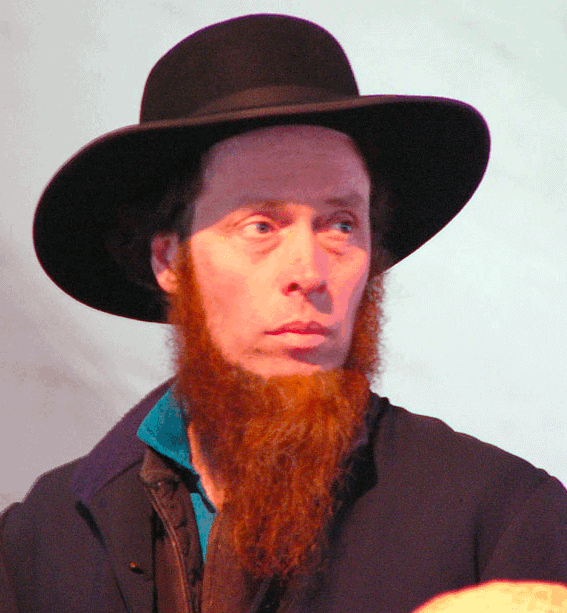
Notice how we keep saying “almost every man,” since men need to pass a specific threshold before growing a beard. More specifically, an Amish man starts to grow his beard after his marriage. Until then, he must shave his beard and keep a clean face.
Along with being an important way to recognize a married man, the beard is also a symbol of maturity. It signifies a man who has transitioned from boyhood to manhood.
Since the Amish do not wear wedding bands, this is the only way to recognize if a man is married. And once he grows his beard, he cannot shave it.
A little fun fact: Amish women also follow a similar rule. In some Amish communities, women wear white-colored kapps if they have a husband and black-colored kapps if they have yet to marry.
What If an Amish Man Can’t Grow a Beard?
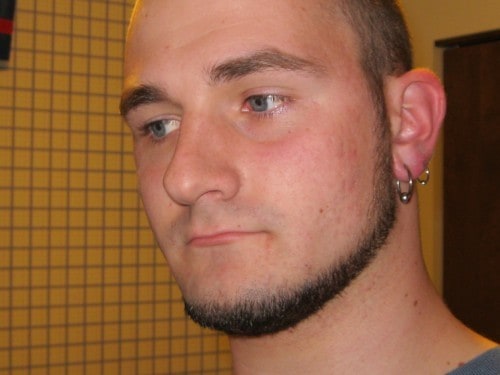
Though growing a beard is an important part of Amish culture, men are not penalized for being unable to grow one. If an Amish man cannot grow a beard due to a medical condition or other reasons, he can still participate fully in the community.
It also does not stop him from getting married or fulfilling his other responsibilities. Marriage for men is not about growing a beard but rather about not shaving after getting married. So even if an Amish man cannot grow out a proper beard, that is not necessarily an issue.
It is also worth noting that not all aspects of Amish culture are uniform across all communities, and there may be some variation in beliefs and practices.
In Amish culture, there is only one recognized beard style, simply referred to as the “Amish beard.” It is a full, no-mustache beard that covers the chin and cheeks without any bare patches. Here is a closer look at what defines it:
No Mustache
The most immediately recognizable feature of an Amish beard is the completely clean-shaven upper lip. Skipping the mustache is not just a style preference; it runs deep into the sect’s pacifist roots.
In the early 1700s, military men wore long, thick mustaches as a mark of rank and aggression. The Amish, facing persecution from those very soldiers, wanted nothing to do with that imagery. Shaving the upper lip was a quiet but firm statement: we are not fighters.
Today, Amish men stay mustache-free out of tradition, honoring the choices of their forefathers. A straight razor along the upper lip keeps the line clean and the message intact.
Full Beard
Patchy coverage or a trimmed-down goatee simply will not cut it here. Amish men are expected to grow a full beard with complete coverage across the chin and cheeks, no gaps, no shortcuts. Think of it less as a style choice and more as a commitment worn on your face every single day.
Length
Length expectations vary slightly by community, but the beard should always come across as genuinely long, not just grown-out stubble. Some Amish men will trim their beard into a soft, rounded shape to keep it tidy, but the overall mass and presence of the beard is never compromised.
How to Grow and Maintain an Amish Beard
Beyond its religious significance, the Amish beard style has a raw, commanding presence that translates surprisingly well into modern grooming. Clean cheeks, a shaved upper lip, and a long, full chin beard make for a bold look. Follow these steps to grow and maintain it properly.
1. Stay Mustache-Free
Start by shaving your mustache completely. A bare upper lip is the single most defining feature of this beard, and without it, you are just growing a full beard.
Use a straight razor for a razor-sharp, authentic finish, or reach for an electric foil shaver if you prefer a quicker routine. Either way, keep that upper lip clean on a consistent schedule.
2. Let Your Beard Grow
Heavy stubble or a short beard will not give you the authentic Amish chin curtain shape. You need to push past that and grow to at least a medium beard before the shape really starts to take form.
While you are growing it out, clean up your sideburns and cheek line regularly to keep the overall shape looking deliberate rather than neglected.
3. Use Beard Oil to Boost Beard Growth
Among the Amish, beard length carries real meaning. A longer beard signals a longer marriage, making growth a point of genuine pride.
If your beard is coming in slowly or feeling brittle, a quality beard oil is your best tool. It conditions coarse beard hair, reduces beard itch, moisturizes the skin underneath to prevent beardruff, and keeps the overall texture soft and manageable as you push toward extra-long beard territory.
4. Trim the Cheek Line and Cut Stray Beard Hairs
Amish beards grow from the chin curtain downward, not from high on the cheeks. Carve a clean, low cheek line and maintain it consistently with a trimmer or straight razor.
Snip any flyaways or strays that break the outline, and shape the bottom of the beard to your preference, whether that is a rounded shape or a more pointed finish.
5. Wash and Brush Your Beard
A long beard demands a real hygiene routine. Wash regularly with a dedicated beard cleanser to prevent flaking and keep the hair follicles clear.
Follow up by working through the beard with a boar-bristle brush, which exfoliates the skin beneath, distributes natural oils evenly, and trains the hair to lay in a consistent direction. For a beard this long, that daily brushing session is what separates a well-groomed beard from a wild, unruly one.
While it may seem unconventional to outsiders, the Amish beard is a powerful symbol of religious devotion, marital longevity, and community standing. With the right technique and a little patience, it is a style well worth committing to.