It’s one of those ‘facts’ that gets repeated until nobody questions it: Native Americans can’t grow beards. Except it isn’t true. Many Indigenous men do grow facial hair; it’s often just finer and sparser, and some groups, like the Chumash, were historically known for fuller beards.
The real story is a tangle of genetics, grooming traditions, and centuries of cultural choice, not a missing ability. Here’s what’s actually going on, separating the biology from the myth.
Find what suits you: browse all beard styles, mustache styles, or the trimming guide.
Ancestral History of Native American Beard Culture
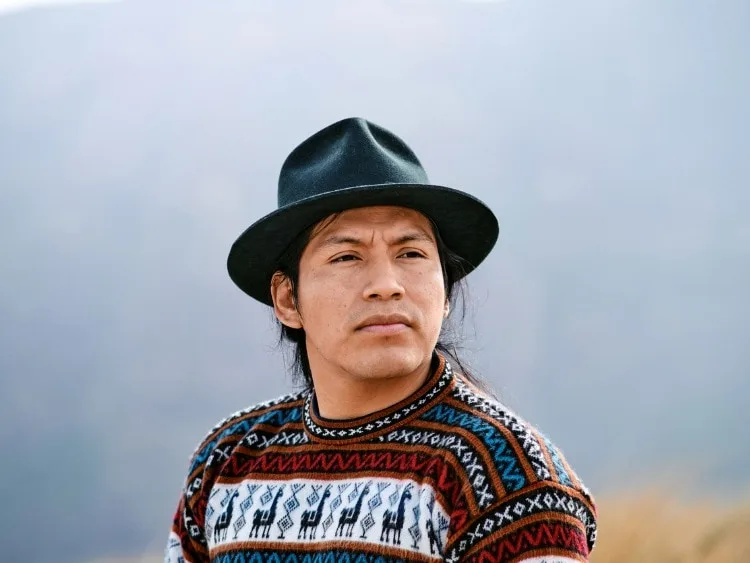
The ancestry of many Native American populations is linked to ancient populations in Asia. On average, some East Asian and Native American populations tend to have less facial and body hair than some other groups.
There are a couple of reasons why many Native Americans had little facial hair, and it was not just because they could not grow it. Cultural norms also played a significant role. In the old days, especially among some Plains tribes, facial hair was seen as less desirable.
It was often considered unattractive, similar to how some people view pubic, armpit, and leg hair on women today. They used to pluck out even the sparse hair they had on their faces. Such was the tradition.
In fact, men in some of these cultures would even pluck their eyebrows as part of their grooming traditions. When Europeans with their full beards arrived, they looked unkempt and unusual by Native American standards.
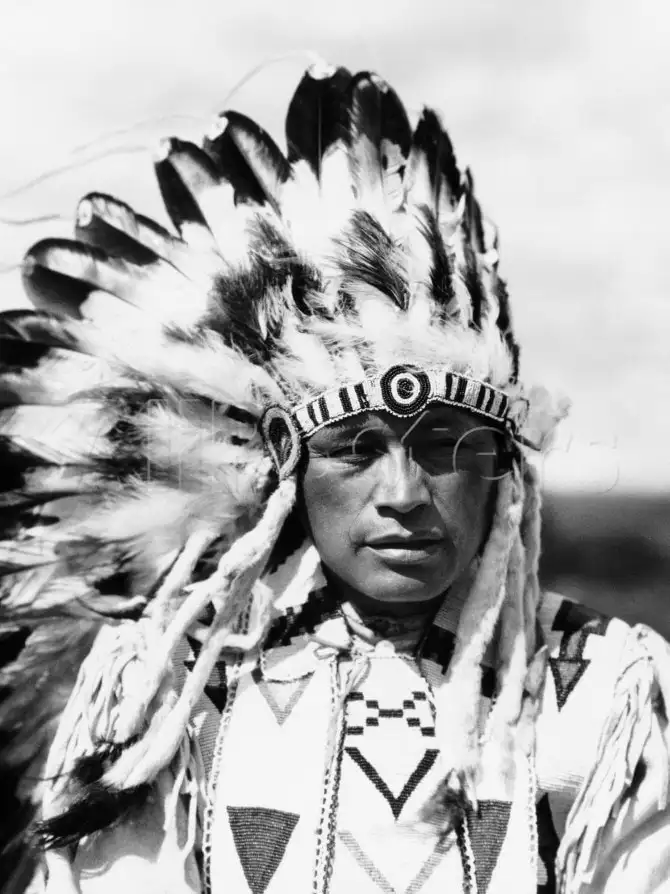
Not all Native Americans had trouble growing beards and mustaches. Several Navajo leaders during the Long Walk era wore light stubble beards and mustaches.
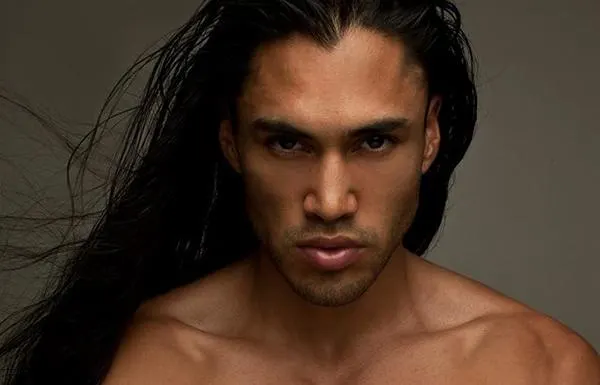
Nowadays, many Native Americans wear beards and mustaches. This reflects individual genetic variation and, in some cases, mixed ancestry. Facial hair patterns still vary widely from person to person.
Here are some facts about Native Americans you may find interesting:
Worth noting too: some men cannot grow beards at all, regardless of ethnic background.
Do Native Americans Have Facial Hair or Only Patchy Facial Hair?
Native Americans can have thick facial hair, patchy facial hair, or little to no facial hair at all. The tendency toward a patchy beard is driven by genetics, inherited from your ancestors and tied directly to ethnic heritage.
Most men develop thicker facial hair after puberty, but the beard density, coverage, and texture of that hair are determined by many genes inherited from both sides of the family.
If a man comes from a family line with naturally lighter or sparser facial hair, he is more likely to inherit that same pattern.
Why Do Native Americans Have Facial Hair That Is Sparser Than Usual?
Most early Native Americans could likely grow at least some facial hair, but many chose not to keep it. Historical accounts describe plucking as a common grooming practice across several tribes.
Native American populations carry sparser facial hair patterns because of genetic variants that arose in their ancestral East Asian populations long before migration into the Americas. Their ancestors may have plucked what little facial hair they had, but that grooming habit did not create or pass down the genetic trait itself.
Because of this, many people misread facial hair patterns among Native Americans. In reality, lighter, finer facial hair is a genetic trait, not the result of ancestors deciding they preferred clean-shaven faces and somehow passing that preference down through evolution.
Can Native Americans Do Something to Help Beard Growth?
Anyone who wants to grow a beard, Native American or not, can support the health of existing facial hair by eating well, getting enough sleep, and keeping the skin beneath the beard properly conditioned.
Your ability to grow a beard is ultimately determined by genetics, though, and no product on a shelf will create new hair follicles where none exist.
A balanced diet supports overall hair and skin health, especially if you have a nutrient deficiency. But no diet or product can override your genetics or turn a naturally sparse beard into a full one.
As for sleep, this is when the body repairs itself. Poor sleep works against everything, beard included. Still, your overall beard pattern and density are largely genetic.
Supporting clean, moisturized skin is also helpful if you want to grow facial hair. Use a gentle facial cleanser and a lightweight, non-comedogenic beard oil or facial moisturizer if your skin tolerates it.
Did Native Americans Ever Shave?
Most historical documents describing early Native Americans show that men more often plucked their facial hair rather than shaved it, using pinchers made from shells, bone, or wood before the late 1800s. Early pinchers were even crafted from mussel shells.
They preferred to pluck each hair as it came in to avoid the look of a beard altogether, which could invite comparisons to Europeans.
The preference for plucking over shaving was likely due to their sparse, fine facial hair combined with cultural grooming norms. Historical accounts far more commonly describe plucking than shaving, so it is best not to treat stone tools like obsidian as the facial equivalent of a modern razor.
Bearded Native Americans
We researched facial hair growth patterns among different Native American groups. Here are some Native American men sporting real facial hair.
Chumash: Full Beard and Mustache
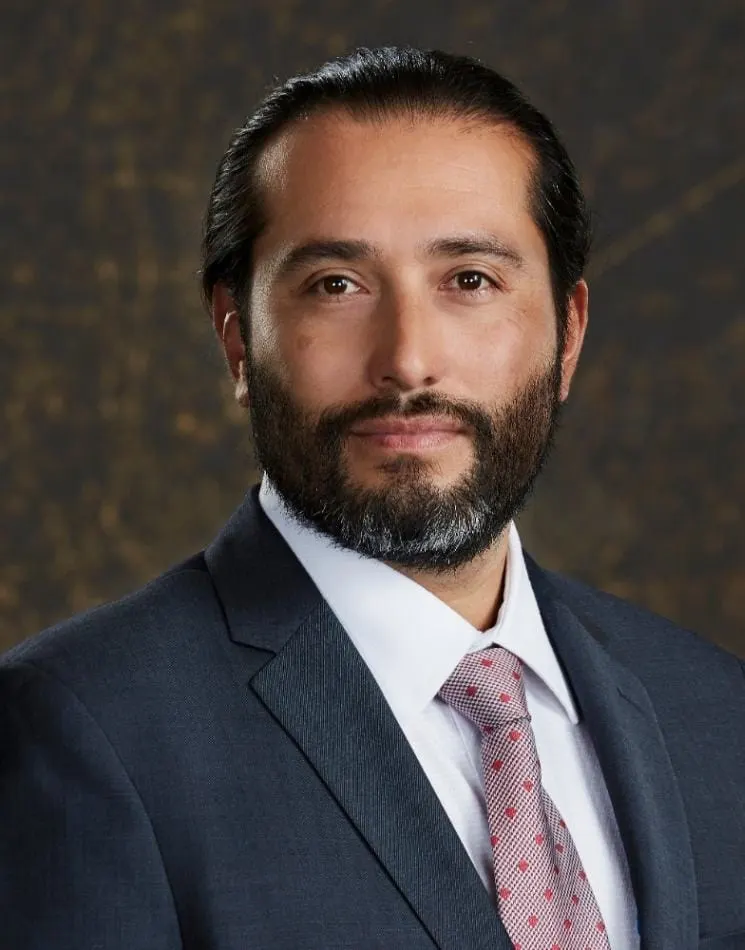
Meet Kenneth Kahn, chairman of the Santa Ynez Band of Chumash Indians. He sports a well-groomed short full beard with solid cheek fullness and a clean neckline, paired with a full mustache. The Chumash are also tied to the early Spanish name for Santa Cruz Island, Isla de Gente Barbuda, or “island of the bearded people.”
Tlingit: Salt and Pepper Van Dyke
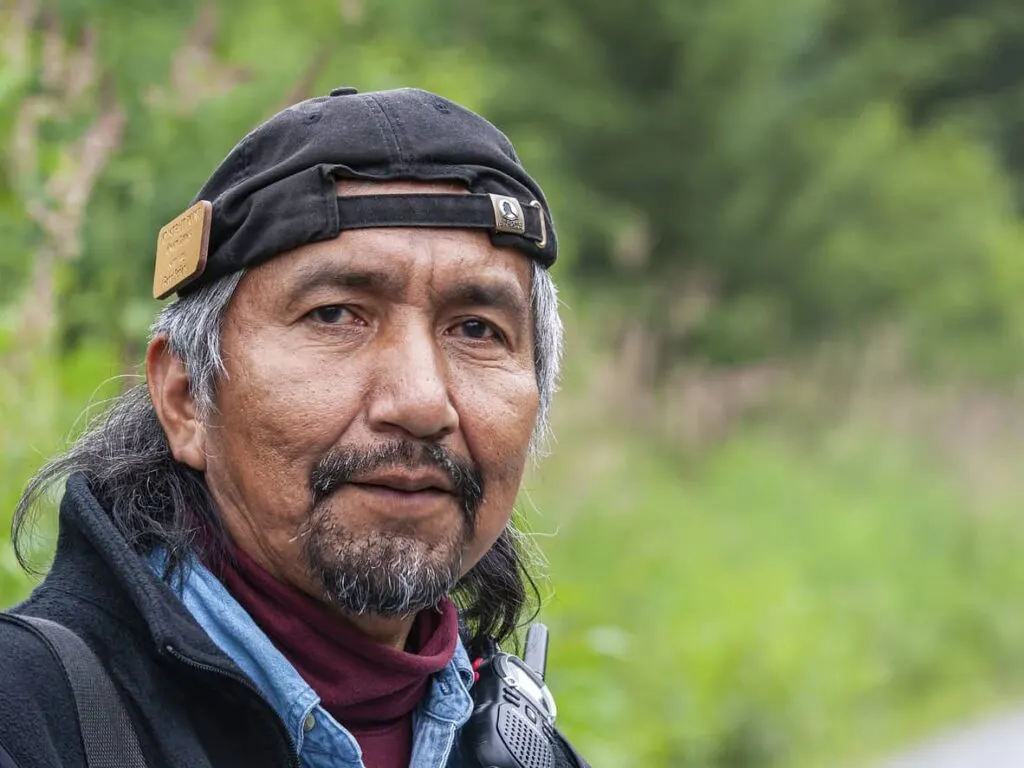
Facial hair growth among Tlingit men has historically tended to be light and sparse. Even so, the Tlingit man pictured here was able to grow a Van Dyke style, working with patchy facial hair growth rather than against it.
Navajo: Short Goatee With Chevron Mustache
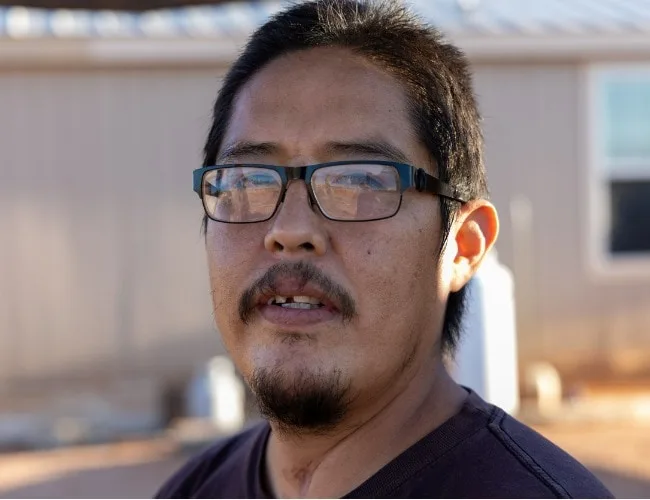
The Navajo man pictured here shows that some Native American men can absolutely grow visible facial hair. A short goatee paired with a chevron mustache is a smart choice for men with lighter beard growth, as it concentrates density where it counts.
Consider a painter’s brush mustache if you want to keep things polished and well-groomed. Since it should not cross your upper lip, trim the edges regularly to keep that clean lip line sharp.