

At a glance
- The base: beeswax and a suitable carrier oil; allow extra time for cooling
- Hold: more wax generally makes a firmer blend; results vary
- Storage: sealed, cool and dry; shelf life has not been tested
Homemade mustache wax often combines beeswax with an oil or petrolatum. The ingredients may be simple, but the proportions, melting process and cooling time affect the result.
Below are three video-based methods, followed by application and storage tips. These homemade blends have not been independently tested for hold, skin compatibility or shelf life.
Find what suits you: browse all beard styles, mustache styles, or the trimming guide.
Disclaimer: These DIY recipes are for informational purposes only, not medical advice. Always use safe heating methods (like a double-boiler, never direct heat) and patch-test new ingredients for skin allergies.
What is Mustache Wax?
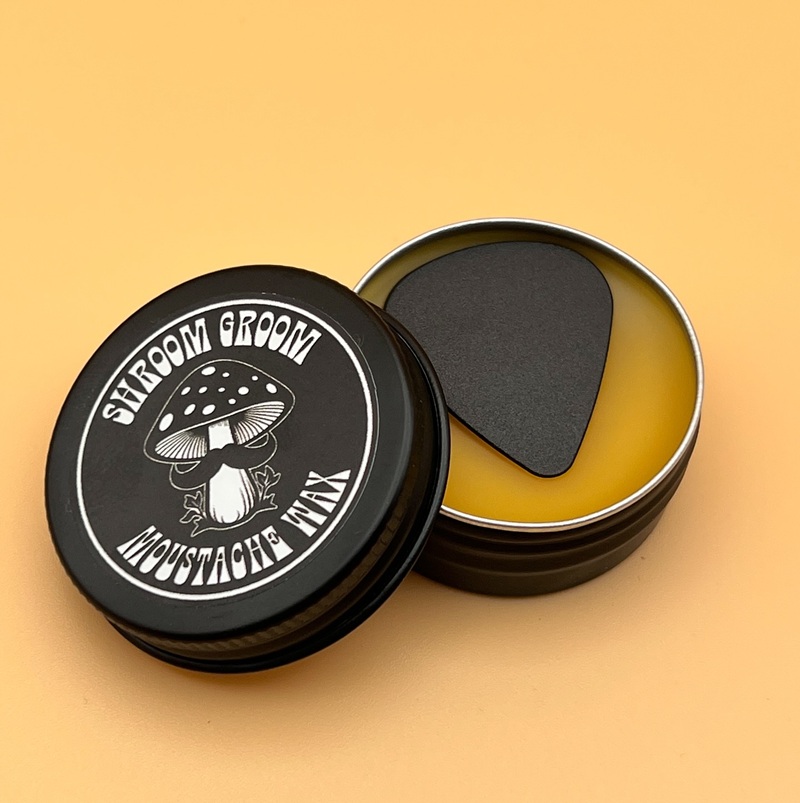
Mustache wax is a blend of waxes, carrier oils, and fragrances used for shaping and styling the mustache. It provides a firm hold to keep mustache hairs exactly where you put them. The amount of wax in the formula varies depending on the desired hold strength.
Mustache wax is often confused with mustache balm, but they serve different purposes. Mustache balm is closer in formula to beard balm, and its job is to condition and soften the mustache hairs rather than lock them in place. The proportions of ingredients shift quite a bit depending on whether you’re going for hold or hydration.
Homemade Mustache Wax: Do It Yourself
Beeswax and a carrier oil form a simple wax base. Different oils can produce different textures at the same ratio, so make only a small trial batch and record the ingredient weights. Keep the versions described here unscented.
Want a stronger hold? Increase the beeswax ratio. Prefer a shinier, more flexible finish? Bump up the carrier oil slightly. Read on to learn how to make your own mustache wax from scratch.
⚠️ Crucial DIY Safety & Handling Checklist:
- Keep it unscented: There is no single safe number of essential-oil drops for every oil or formula. Stirring for a set time does not prevent irritation. These methods omit added fragrance; Johns Hopkins notes that essential oils can cause skin reactions.
- Use Heat-Safe Containers: Melted wax is incredibly hot. Only pour your finished liquid into metal cosmetic tins or heat-safe glass jars. Never pour hot wax into thin plastic containers, as they will melt.
- Keep water out: Use clean, dry tools and keep water from the double boiler out of the mixture. Added water changes the formula and can increase contamination risk.
- Keep wax out of drains: Let tools cool until safe to handle, then wipe away leftover wax before washing. Do not pour liquid wax down the sink, where it can harden and contribute to blockages.
- Choose ingredients you tolerate: No oil suits every skin type. Avoid ingredients you are allergic to and stop using a blend if it irritates your skin.
Choose the Right Hold for Your Mustache Style
More beeswax generally gives a firmer blend, while more oil softens it. Member recipes collected by The Handlebar Club run from roughly equal parts beeswax and petroleum jelly to about two parts beeswax to one, so treat the ratios below as starting points to test, not guarantees of a particular hold. Measure every ingredient the same way, by weight or by volume, so you can repeat a batch.
- Softer starting point: 1 part beeswax to 2 parts carrier oil. The final texture depends on the oil and temperature.
- Balanced starting point: Equal parts beeswax and carrier oil. Test a small cooled batch before deciding whether it suits your hair.
- Firmer starting point: 2 parts beeswax to 1 part carrier oil. More wax can also make the blend harder to spread; a handlebar hold is not guaranteed.
#1. Homemade Mustache Wax
This method uses beeswax and coconut oil. The video’s description lists 2 tablespoons of beeswax and 2 tablespoons of coconut oil, plus 2 or 3 drops of peppermint essential oil, which this version leaves out. Those are spoon measures rather than weights, so measure both ingredients the same way and make a small trial batch.
Melt the measured beeswax and coconut oil together over a double boiler on low heat, stirring until combined. Remove from the heat and pour carefully into a clean, dry, heat-safe cosmetic container. Omit essential oil.
Let the mixture cool completely before closing the container or trying a small amount on the mustache. Setting time depends on the batch size and room temperature.
#2. DIY Mustache Wax: the Cheap Way
Want to spend as little as possible? This one is for you. No extras required. Just the two core components most homemade mustache waxes are built on: beeswax and coconut oil, combined at a 2:1 ratio.
Measure two scoops of beeswax and one scoop of coconut oil, using the same scoop for both. Melt them gently over a double boiler, stir until combined, and carefully pour into a clean, dry, heat-safe container. Let the blend cool completely before use.
#3. Mustache Wax: Oil and Beeswax
This variation pairs beeswax with a carrier oil. The video’s description gives two-thirds beeswax to one-third canola (field mustard) oil, without saying whether that is by weight or by volume. Use an oil you already tolerate; calling an oil natural does not establish that it is suitable for every skin type.
Measure both ingredients the same way so you can repeat the batch. Melt them gently together over a double boiler and stir until combined. Record the amounts and assess the texture only after the blend has cooled completely.
Pour carefully into a clean, dry, heat-safe container and leave it to cool fully. Do not rely on a fixed seven- or eight-minute setting time.
When following a measured formula, melt the ingredients gently over a double boiler and stir until combined. Do not use direct heat or leave melting wax unattended.
Let the finished mixture cool completely before application.
How to Apply Mustache Wax
A great recipe only gets you halfway there. Technique matters just as much. Mustache wax is far firmer than hair gel, and if you try to scoop it out cold, it will pull hairs and leave clumps behind.
Use this simple thumbnail technique for a cleaner, more controlled application:
- Use the back of your thumbnail to scrape out a small amount of wax, roughly the size of a grain of rice.
- Place the wax between your thumb and index finger and rub them together until it turns clear, soft, and warm.
- Apply it to a clean, dry mustache. Start at the center and work outward toward the ends for better control and more even coverage.
- Run a fine-tooth mustache comb through the hairs before the wax hardens, then shape the ends with your fingers if you want extra lift or curl.
How to Wash It Out Properly
Beeswax and Vaseline are stubborn by nature. A quick splash of water and a little face wash will not cut it. That leftover residue builds up over time, traps dirt, and leaves the mustache feeling heavy and dull.
At the end of the day, massage a few drops of beard oil into your mustache. No beard oil on hand? A small amount of jojoba or olive oil works just as well. Work it through the hairs with your fingers or a comb to loosen the wax, then rinse it out in the shower with a gentle beard wash.
An oil-based cleanser or a little suitable oil may help loosen wax before washing. Avoid pulling at the hairs or scrubbing irritated skin.
Shelf Life and Proper Storage
These blends contain no added water, but that does not establish a tested shelf life or guarantee that a homemade batch will remain uncontaminated.
Store the wax in a clean, tightly closed container in a cool, dry place away from sunlight. Keep water and wet fingers out. We cannot confirm a six- to twelve-month shelf life for these untested blends; the FDA explains that ingredients, handling and storage affect cosmetic shelf life.
Discard wax that develops an unusual smell, color or texture. The absence of visible changes is not proof that a homemade product remains suitable to use.
DIY Wax Questions, Answered
What do I need to make mustache wax at home?
A measured formula, cosmetic-grade beeswax, a suitable oil, a scale, a double boiler and clean, dry, heat-safe containers. Allow enough time for the wax to cool completely. Keep these blends unscented.
How do I make the hold stronger or lighter?
More beeswax generally firms a blend and more oil softens it. Measure by weight and assess a small cooled batch; an exact hold cannot be promised from the ratio alone.
How do I wash homemade wax out?
Oil first: massage a few drops of beard oil (or jojoba or olive oil) through the mustache to break the wax down, then rinse with a gentle beard wash in the shower.
How long does homemade mustache wax keep?
These homemade recipes do not have a tested shelf life. Store small batches in clean, dry, tightly closed containers away from heat and sunlight, and discard them if they change in smell, color or texture.
The Beard Style Verdict
Use measured quantities, gentle indirect heat and clean, dry containers. Test a small batch for the texture you want, and do not treat an untested homemade blend as having a guaranteed hold or shelf life.