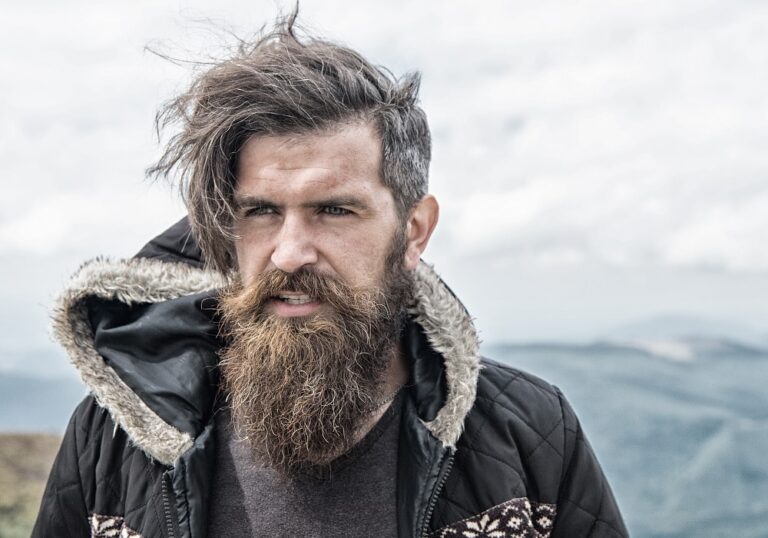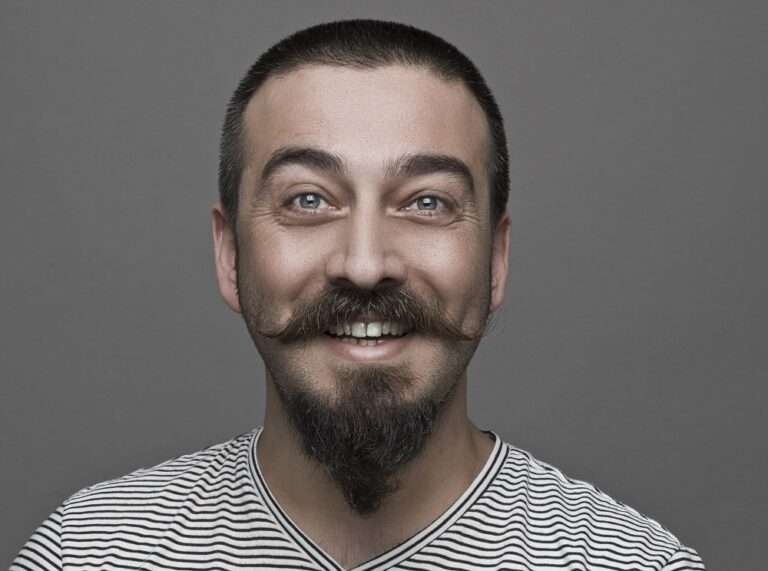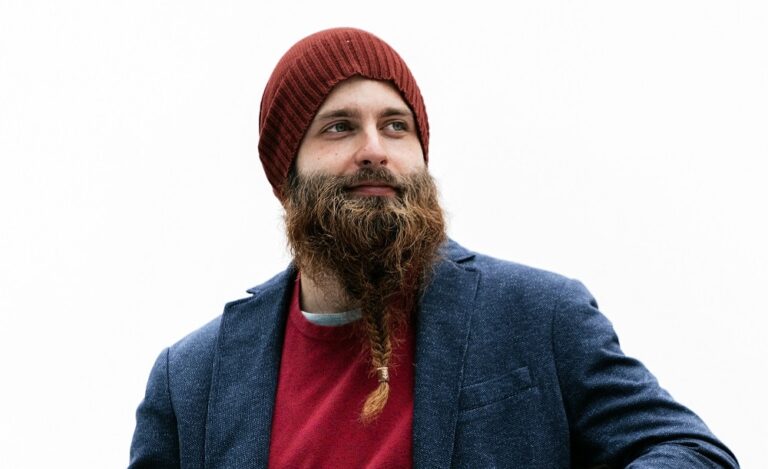

Choose a style that suits the facial hair you have now, whether it is a small chin patch, light stubble or a fuller beard. These photos illustrate shapes and lengths; they do not show what everyone should be able to grow at a particular age.
1. Even Five O’Clock Shadow

If you are one of those fortunate teenagers whose stubble comes in evenly, this is the look to try first. A light, consistent shadow across the cheeks, jaw and chin pairs perfectly with a faded crew cut and adds a mature edge without trying too hard. Upkeep is simple — run a trimmer on a low guard every two or three days and keep the neckline clean.
2. Light Short Beard with Natural Cheek Growth

This light short beard follows the jaw, with sparse growth on the cheeks and a faint mustache. Keep the natural edges or tidy the neckline for a more defined finish.
3. Slick-Back with Light Patchy Stubble

Patches should not hold you back — commit to your natural growth and light stubble on the chin and jaw starts to look intentional. The dark slicked-back hair brings the polish here, so the beard can stay easy and unforced. It is a great match for teens whose head hair grows faster than their beard; a dab of pomade and a quick weekly tidy cover the maintenance.
4. Short Chin Beard with Sparse Cheek Coverage

The beard is concentrated at the chin and lower jaw, with light coverage on the cheeks and upper lip. Choose an even length and work with the gaps that remain.
5. Bold Patchy Medium Stubble

Worn with confidence, wispy reddish-blonde stubble on the chin and jaw looks bold and completely natural on a teenage face. The curly ginger hair up top does the heavy lifting and ties the whole color story together. This one suits teens still waiting for their cheeks to join in — let it grow untouched and simply clear stray neck hairs once a week.
6. Short Jawline Beard with Light Mustache

This short beard is fuller along the sideburns and jaw than on the upper cheeks. A light mustache keeps the upper-lip outline soft.
7. Light Stubble with a Small Chin Patch

Light stubble follows the jaw and chin, with a small soul patch below the lower lip. Keep the length short and tidy the neckline as needed.
8. Short Boxed Beard with Natural Edges

If you already have enough coverage, a short boxed beard is an option. This photo shows a short beard with a full mustache and natural cheek edges; it is longer than light stubble.
9. Trimmed Ginger Short Boxed Beard with Fade

A ginger beard already has presence, so trimming it into a short boxed shape is the smart move. The contrast with sandy blonde faded hair makes the red-toned beard and mustache pop even more — facial hair growing a shade warmer than head hair is very common. A weekly tidy of the cheek and neck lines keeps the whole thing looking intentional.
10. Natural Short Beard with Mustache Disconnect

A strong choice when the chin fills in first and everything else is still catching up. This reddish-brown beard grows patchier through the cheeks but fuller at the chin, and the sparse disconnected mustache actually helps — it keeps the style light and modern rather than heavy. Embrace the unevenness; all it needs is a clean neckline and an occasional even-out trim.
11. Disconnected Goatee with Clean-Shaven Cheeks

This one puts all the focus on the mouth and chin while the cheeks stay completely clean-shaven. The chin carries the fullest growth, the mustache stays thin and disconnected, and the result is a defined shape that needs zero cheek coverage — perfect if your cheeks barely grow yet. Shave the cheeks every couple of days and the goatee instantly looks sharper.
12. Coily Fade with Petite Goatee and Thin Mustache

A great setup for teens with coily hair who grow better around the chin than across the cheeks. The petite goatee and thin mustache keep everything crisp while the short faded coils deliver the real style statement up top. Upkeep is easy — have the goatee edged whenever you get your fade touched up, and it stays sharp between barber visits.
13. Light Stubble with a Short Mustache

This photo shows light stubble around the jaw and chin, with a short mustache. There is no sharply defined circle beard around the mouth.
14. Full Ginger Beard

This short ginger beard has a connected mustache and lighter cheek coverage. Tidy the neckline and leave the upper edges natural if you prefer a softer outline.
15. Thick Full Beard Connected Mustache
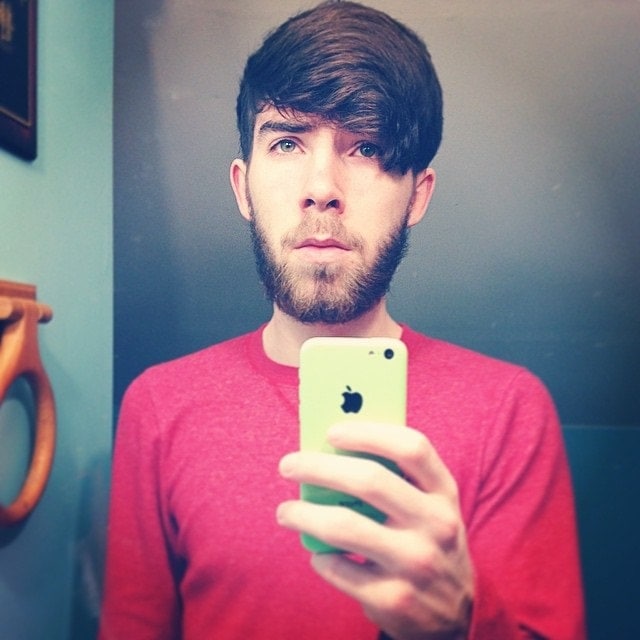
This scruffy brown full beard connects to the mustache beneath a side-swept fringe. It is an option if you already have that coverage; age alone does not determine whether you can grow it.
16. Short Natural Beard with Curly Hair

The beard is short and lightly filled in, with a sparse mustache. Curly hair adds volume above the face while the beard keeps a softer outline.
17. Clean Shave with Soul Patch

This is as low-maintenance as facial hair gets, and it still adds character to a young face. Everything is shaved clean except a small, neat soul patch below the lower lip — ideal for teenagers whose growth is starting there and nowhere else. Shave around it every couple of days and square the edges with a detail trimmer; the whole routine takes a minute.
18. Light Stubble with Soul Patch and Chin Strip

If your facial hair is still very fine, this is a clever way to make it look deliberately styled. A soul patch flowing into a thin chin strip creates a clean vertical line of structure, while the rest of the face stays mostly clear with only light stubble. It suits teens with concentrated chin growth — trace the strip with a precision trimmer twice a week to keep it crisp.
19. Chin Puff Goatee without Mustache

A chin puff is one of the simplest styles a teenager can wear, especially when the upper lip has not filled in yet — here it is nearly bare, and that is fine. The sparse light-brown puff and wispy jaw fuzz add just enough detail to sharpen the chin without asking for much density. Keep the cheeks clean, tidy the edges weekly, and let the mustache join later.
20. Extended Goatee with Mustache and Jawline Reach

Want something more distinctive without needing cheek coverage? An extended goatee delivers — the wispy chin beard stretches along the jawline on both sides, disconnected from the sideburns, while the upper lip carries just faint stubble for now. It suits teens whose chin and jaw lead the way. Define the jawline edge weekly and let the mustache thicken in its own time.
21. Short Patchy Beard with Swept-Up Hair

This short beard follows the jaw and chin with lighter cheeks and a sparse mustache. Its natural outline is less sharply carved than an anchor beard.
22. Defined Jawline Beard with Quiff

This chinstrap follows the jaw with a defined upper edge. A high quiff and closely cut sides give the hairstyle a separate, structured shape.
23. Thin Mustache with Sparse Chin Hair

A fine mustache sits above sparse chin hair, with mostly clear cheeks. It is softer and less sharply outlined than a carved pencil mustache. Tidy only the stray hairs you want to remove.
How to Grow Your First Beard: 5 Tips
Tip 1: Wash Your Face Daily
Wash your face every single day with a gentle cleanser, especially if your skin runs oily — which is standard issue in your teens. Genetics decide most of your beard, but clean, healthy skin gives every follicle its best chance and helps manage the breakouts that make growing hair out uncomfortable.
Tip 2: Exfoliate Weekly

Exfoliating once or twice a week clears away dead skin cells and keeps pores from clogging. It will not magically speed up growth, but it helps manage ingrown hairs and flaky skin under new stubble, so whatever you grow comes in looking healthier. A soft scrub or exfoliating wash is plenty — do not overdo it on young skin.
Tip 3: Eat Enough Protein
Hair is built largely from protein, so make sure meals regularly include eggs, chicken, fish, beans or dairy. A balanced diet with plenty of water covers most of what growing follicles need. Skip the supplement aisle — real food covers it.
Tip 4: Exercise and Sleep
Regular exercise supports healthy hormone levels and circulation, and deep sleep is when your body does its actual growing — aim for eight to nine hours a night as a teenager. Neither will turn stubble into a full beard overnight, but together they create the best possible conditions for your follicles to do their work.
Tip 5: Patience Beats Everything

If a full beard is not coming in yet, do not get desperate — most guys do not see their real beard potential until their twenties. Give it time, sometimes months or even a couple of years, and work with the growth you have instead of fighting it. Every style above proves that light and patchy can still look great; density can come later.
Whichever style you pick, the formula stays the same: work with what grows, keep the lines clean, and give the rest time. A cheap trimmer, a tidy neckline and a little patience will do more for your beard than any product on the shelf — and your best growth years are still ahead of you.