
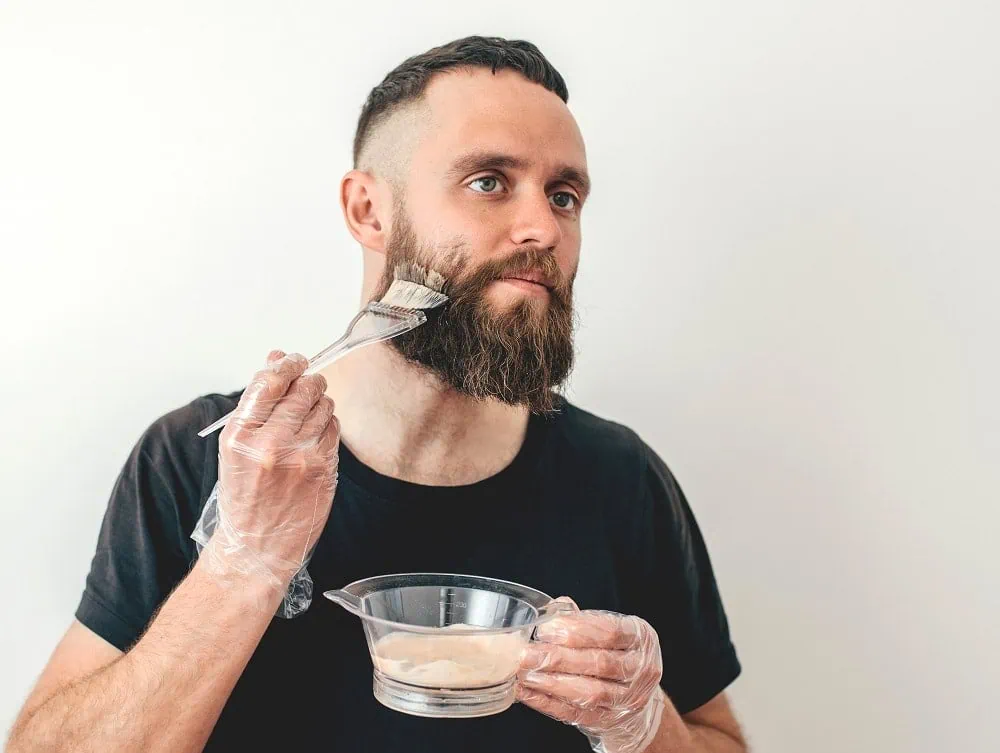
Rocking a beard is undeniably cool. Imagine taking it to the next level with a darker, bolder look! If you are searching for a natural way to darken your beard, this blog post is for you.
If your facial hair decided to rebel against you and start growing in a lighter shade that just doesn’t do you justice, you’ve probably also tried proper beard grooming routines, but nothing seems to make a difference.
Now you want a solution that’s natural, effective, and doesn’t break the bank. So, you’re setting out on an epic quest to darken your beard naturally.
Buckle up, because I’m about to spill the tea on the secrets of darkening your beard naturally, a journey filled with trial and error and a whole lot of caffeine (more on that later).
Factors That Affect Beard Color

Melanin, a pigment produced by cells called melanocytes, is responsible for the color of your facial and scalp hair. There are two types: eumelanin and pheomelanin.
The specific combination and amount of these two pigments determines your beard color. Eumelanin drives black and brown hues, while pheomelanin is behind red and yellow tones.
So, higher levels of eumelanin contribute to darker beard colors. As we age, eumelanin production drops, which is exactly why gray and white hairs start showing up. Several factors can influence how that balance plays out:
- Genetics affect beard color, density, and texture.
- Hormones like testosterone and DHT influence color and growth patterns.
- Aging leads to decreased eumelanin, causing lighter or graying beard color.
- Vitamins and minerals impact both color and overall beard health.
- Sun exposure can lighten beard color through UV ray bleaching.
- Lifestyle factors like smoking, chronic stress, and poor sleep can shift the melanin production ratio.
- Over-styling with heat tools can degrade beard color over time.
While some of these factors are beyond your control, you can absolutely take steps to darken your beard using natural methods.
Natural Methods to Darken Your Beard
Natural methods are safer and far more cost-effective for darkening your beard. They do require patience and consistency, but the payoff is worth it. Here are some solid DIY home remedies to get you started.
1. Black Tea or Coffee Rinse
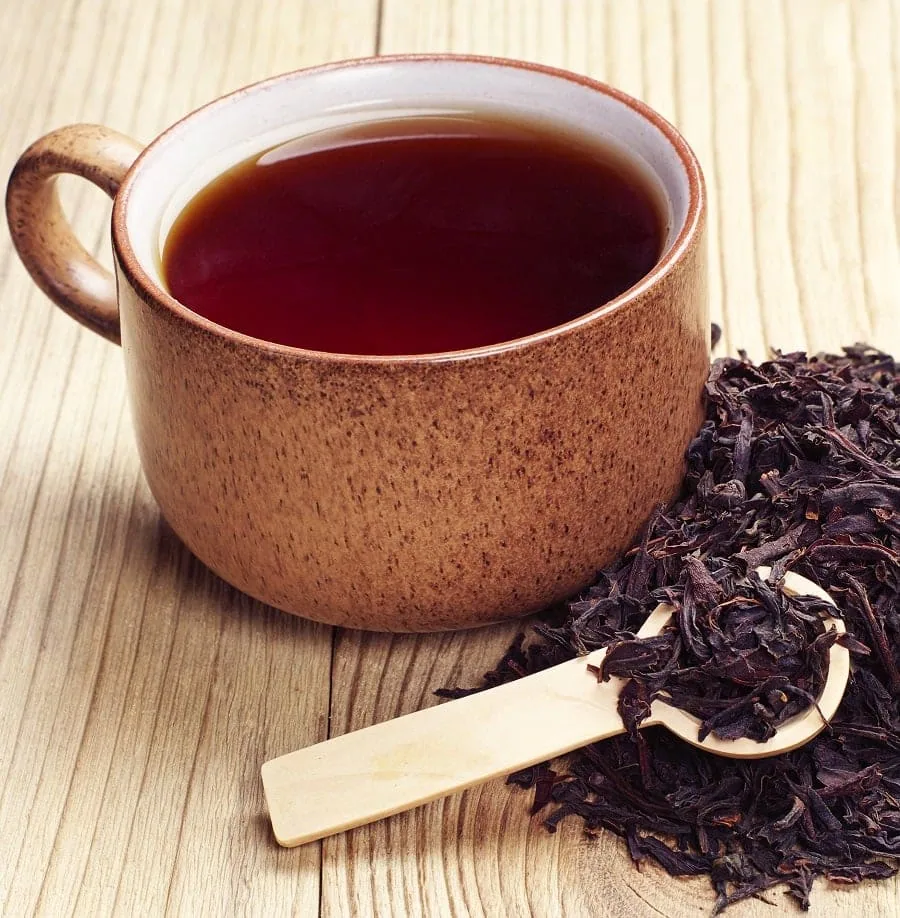
Coffee and black tea are loaded with natural tannins and pigments that can deposit a subtle, darker tone onto your beard strands. Brew a strong cup, let it cool, and apply it to your beard using a brush or cotton ball.
Leave it on for 30 to 60 minutes, then rinse it off. Repeat every few days until you hit your target shade.
- Brew a strong cup of coffee or black tea, using dark roast beans for the best color payoff.
- Allow it to cool to room temperature.
- Wash and dry your beard before applying.
- Pour the cooled coffee or tea over your beard, saturating all the hairs evenly. Do this over a sink or in your washroom so you don’t stain anything.
- Use a beard comb or your fingers to distribute it thoroughly from root to tip.
- Let it sit for 20 to 30 minutes. The longer you leave it on, the deeper the color deposit.
- Rinse with water to remove it. If the smell is too strong, a gentle beard wash will sort that out.
- Repeat a few times as needed until you reach your desired color.
2. Henna and Indigo
A natural plant-based dye, henna can be combined with indigo to produce a rich dark brown or black result. Mix equal parts henna and indigo powder with water into a thick paste, apply it to your beard, and let it sit for 1 to 2 hours.
Rinse thoroughly with water, then repeat every 2 to 4 weeks to keep the color looking fresh.
- Source natural henna and indigo powder from a reputable supplier to make sure they’re free from added chemicals.
- In a non-metallic bowl, combine equal parts henna and indigo powder with enough water to form a thick paste, roughly the consistency of yogurt.
- Let the mixture rest for 15 to 30 minutes so the dye can fully release.
- Apply the paste to your clean, dry beard using gloves or an applicator brush, coating every strand evenly.
- Cover your beard with plastic wrap or a shower cap to keep the mixture moist and protect your skin and clothes from staining.
- Leave the paste on for 1 to 2 hours, depending on how deep you want the color.
- Rinse your beard thoroughly with water. Hold off on beard wash for at least 24 hours so the color has time to fully set.
3. Sage and Rosemary
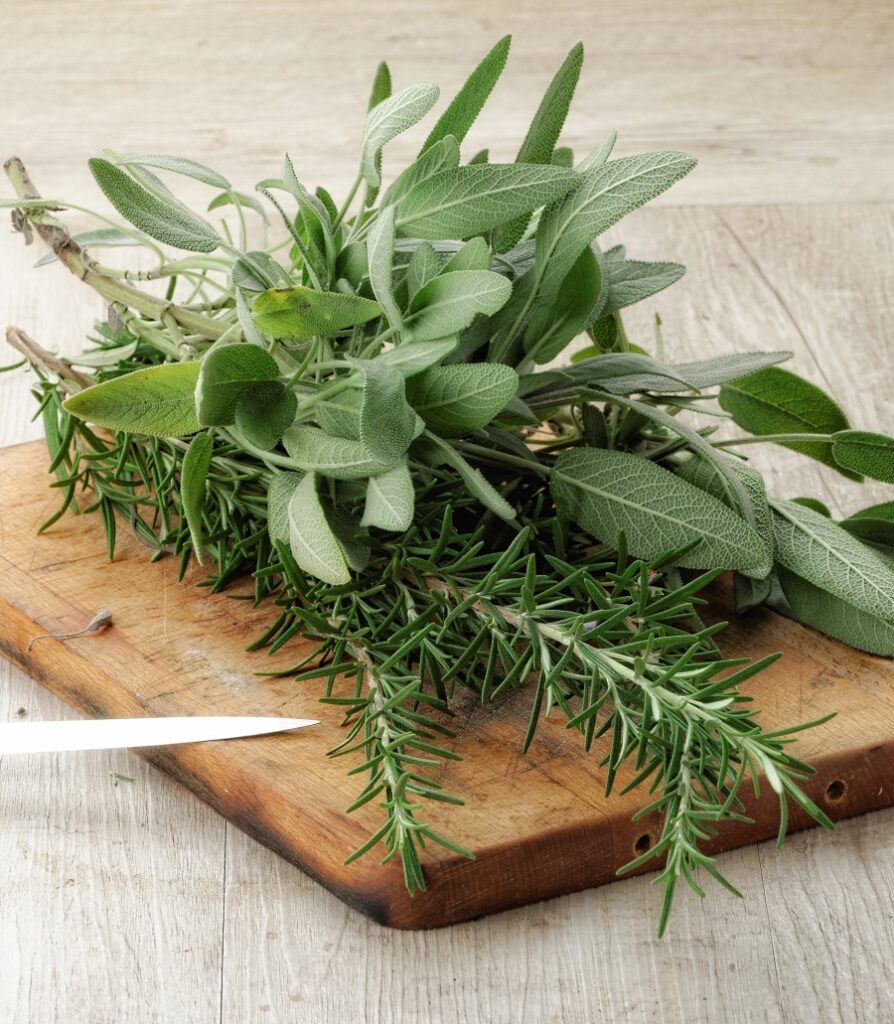
Sage and rosemary are natural herbs well known for their hair-darkening properties. Here’s how to put them to work on your beard:
- Combine equal parts dried sage and rosemary leaves. You’ll need about 1/4 cup of each herb for a medium-sized beard.
- Boil 2 cups of water and add the dried herbs. Let them simmer for about 30 minutes.
- Remove from heat and let the mixture steep for an additional 30 minutes to an hour. The longer it steeps, the stronger the infusion.
- Strain out the herbs and let the infusion cool to room temperature.
- Start with a clean, dry beard before applying the sage and rosemary infusion.
- Apply it to your beard, using a comb or your fingers to distribute the infusion evenly from root to tip.
- Leave the infusion on for 20 to 30 minutes, depending on your desired color intensity.
- Rinse thoroughly with water. A mild beard cleanser works fine if you need to clear out the residue.
- Repeat once or twice a week to build and maintain your target color.
4. Indian Gooseberry and False Daisy (Amla and Bhringraj)
Ayurvedic herbs are powerhouses for hair-darkening. Mix equal parts of Indian gooseberry and false daisy powder with water to form a paste, apply it to your beard, and let it sit for 30 to 45 minutes. Rinse off with water and repeat weekly to keep that deeper color locked in.
- Source your amla and bhringraj powder from a reputable supplier to make sure they’re free from fillers or chemicals.
- In a non-metallic bowl, mix equal parts of each powder with enough water to form a thick paste, roughly the consistency of yogurt.
- Optionally, stir in a few drops of almond or coconut oil for extra nourishment.
- Using gloves or an applicator brush, work the paste into your clean, dry beard so every hair gets an even coat.
- Let the paste sit for 30 to 45 minutes.
- Rinse thoroughly with water. Hold off on shampooing for at least 24 hours so the color has time to set.
- Repeat weekly for best results and to keep the color consistent.
5. Natural Habits That Support Beard Color
Sometimes the best beard color remedy starts with your daily routine. These lifestyle adjustments target the root causes of fading pigmentation and support healthier beard growth overall:
- Eating a well-balanced diet rich in the vitamins and minerals that fuel hair growth and pigmentation.
- Limiting sun exposure and using beard grooming products with UV protection to guard against UV-induced lightening.
- Reducing stress, quitting smoking, and getting solid sleep, all of which have a real impact on beard health and color.
- Sticking to gentle, natural beard care products and a consistent beard maintenance routine to preserve your beard’s natural color and keep it looking sharp.
6. Foods that Can Darken Your Beard

Several foods actively support hair pigmentation and can help keep your beard color looking rich and full. Loading these into your regular diet is one of the simplest long-game moves for better beard health:
- Spinach: Loaded with vitamins A, C, and E, spinach supports sebum production, the natural oil that keeps your beard moisturized and conditioned.
- Sweet Potatoes: High in beta-carotene, which your body converts to vitamin A — good for a healthy scalp and skin environment.
- Almonds: Packed with nutrients that keep hair healthy, plus vitamin E to help shield your beard from sun damage.
- Oysters: Packed with zinc — useful because a genuine zinc deficiency can contribute to premature graying, and correcting it helps.
- Bell Peppers: High in vitamin C, which supports healthy, resilient hair.
- Carrots: Another strong source of beta-carotene to support hair pigmentation and a well-nourished scalp.
- Eggs: Protein-rich staples that keep hair strong and glossy.
- Avocados: Rich in healthy fats that keep your beard moisturized and nourished, creating the right conditions for pigmentation and growth.
- Lentils: Packed with protein and iron that keep hair strong and healthy.
- Salmon: Loaded with omega-3 fatty acids that reduce inflammation and nourish hair follicles, keeping the hair you grow healthy and glossy.
Tips to Maintain a Darker Beard
Staying hydrated is essential for overall health, including the health of your beard. Drinking enough water helps maintain the moisture balance of your skin and hair, promoting a healthy, dark beard.
Beard oils and balms condition the hair, adding gloss that can make the color look slightly richer — but no oil changes your beard’s actual pigment. For real darkening, use the henna-and-indigo method above or a beard dye. Apply the oil or balm daily to keep your beard healthy and dark.
Non-Natural Methods of Darkening Your Beard
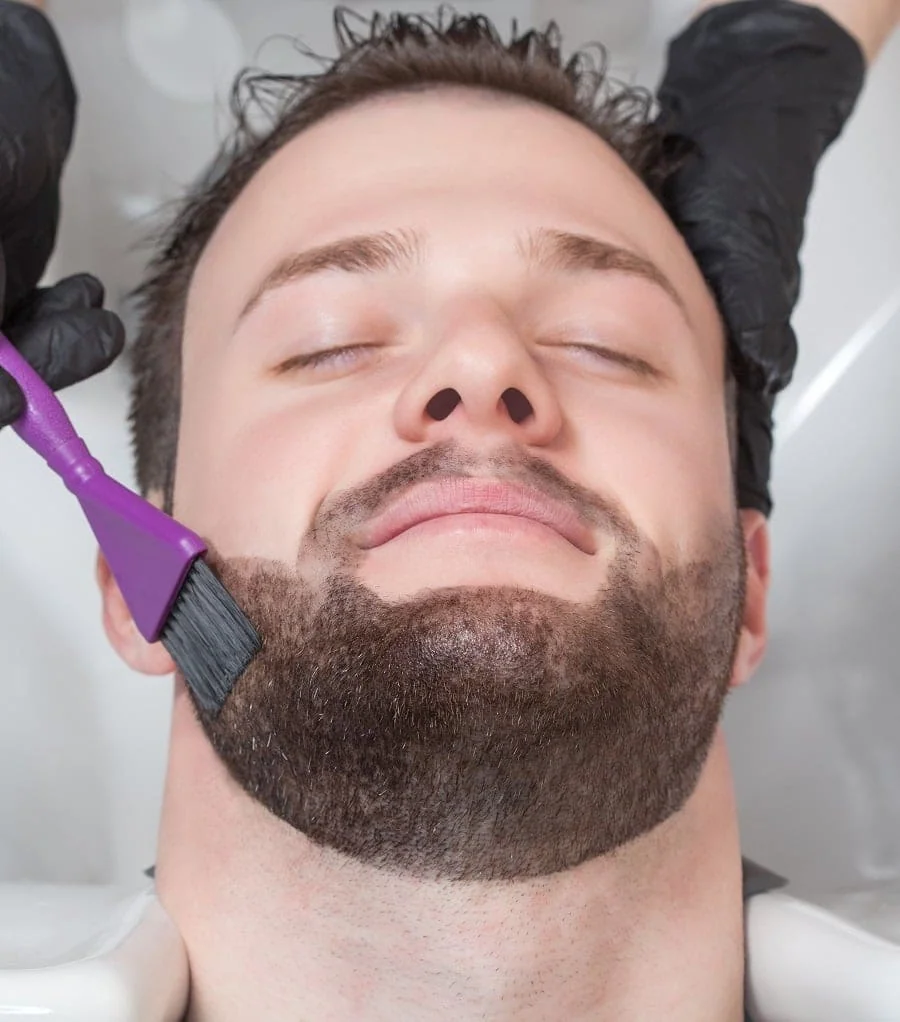
- Beard Dyes: Commercial beard dyes are widely available and provide a quick solution for darkening your beard. They come in various shades to match your desired color.
- Temporary Color Sprays: These sprays offer an easy way to darken your beard for a short period, typically lasting until your next wash. They let you experiment with different shades without committing to a permanent change.
- Hair Mascara: Hair mascara can darken your beard temporarily, giving you precise control over the areas you want to color. It applies easily and washes out with shampoo.
- Beard Pencils: Beard pencils let you fill in and darken sparse, patchy areas with real precision. They offer a temporary solution and wash off easily with water or makeup remover.
Natural vs. Non-Natural Beard Darkening Methods
Natural methods of darkening your beard involve organic ingredients like coffee, tea, henna, and herbal infusions. These approaches are known for being gentle on hair and skin, and they carry a much smaller environmental footprint.
Pros:
- Lower risk of irritation or allergic reactions
- Less likely to damage hair or cause dryness
- Natural ingredients have a smaller ecological footprint
Cons:
- Natural methods typically take longer to show noticeable results
- Achieving a specific shade or even coverage can be tricky
- Fewer color options compared to commercial products
- Natural dyes may fade faster, requiring more frequent reapplication
Non-natural methods rely on commercial products like beard dyes, temporary color sprays, hair mascara, and beard pencils. These deliver quick results, a wide range of color options, and longer-lasting effects.
Pros:
- Quick, noticeable results right away
- Ability to nail a specific shade with even coverage
- Far more color options to choose from
- Commercial dyes and products tend to last longer between applications
Cons:
- Risk of irritation or allergic reactions due to harsh ingredients
- May weaken or dry out beard hair over time
- Synthetic ingredients carry a larger ecological footprint
- Often require more upkeep and regular touch-ups
So there you have it. If you’re looking to darken your beard, give these methods a try. You just might find your own beard magic.